

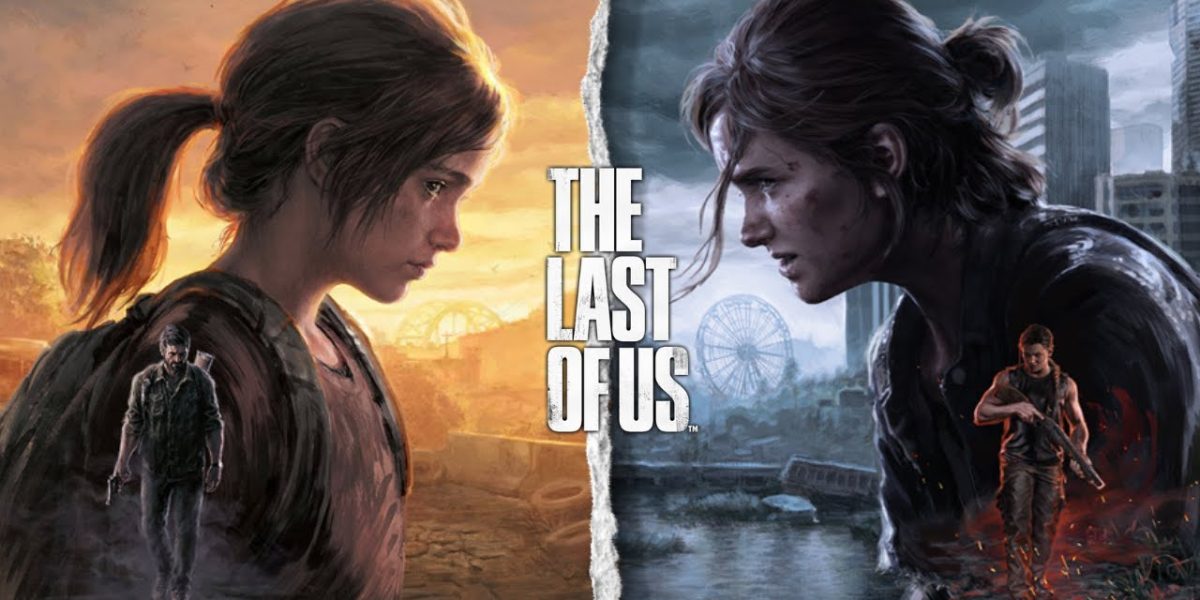

While the first The Last of Us is a textbook example of ludonarrative resonance, its sequel introduces a profound ludonarrative dissonance that, in my view, undermines the player’s emotional investment. Here is why the shift from resonance to dissonance creates a jarring disconnect.
Resonance: The Shared Burden of Joel’s choice In the original journey, the alignment between Joel’s paternal instinct and the player’s actions is seamless.
The Paternal Drive: Driven by the trauma of losing his daughter Sarah, Joel’s mission to save Ellie becomes the player’s primary directive.• No Room for Doubt: In the final hospital sequence, the gameplay offers no alternative; the player must kill to save Ellie.• The Shared Secret: When Joel lies to Ellie at the end, the resonance is perfect because the player, having fought through every obstacle, understands and embodies that lie.
Dissonance: The Mechanics of Forced Guilt. In the sequel, the connection between the controller and the character begins to fracture.• The Violence Loop: The game provides complex combat mechanics and brutal “finisher” buttons, encouraging the player to slaughter enemies systematically.• The Humanised NPC: While the gameplay rewards violence, the narrative attempts to humanise the victims; enemies beg for their lives or cry out names of loved ones.• The Final Disconnect: The dissonance reaches its peak at the end. After forcing the player to murder countless enemies who had no direct role in Joel’s death, the narrative denies the player the final act of revenge against Abby.• The Loss of Agency: By forcing a “forgiveness” that the gameplay hasn’t earned, the game separates the player’s intent from the character’s actions.
Final Verdict: Authorship vs. AgencyIn my seven years of covering the industry and reviewing more than 655 games for sites like OpenCritic and Metacritic, I’ve learned that player agency is a very important tool. In Part II, the Ludonarrative Dissonance feels like a structural flaw rather than a deliberate artistic choice. When a game “preaches” mercy through a cutscene after 25 hours of forced slaughter, the player is no longer a participant; they are a spectator being lectured.

Other Articles

When the Mind Becomes the World | Constance Review
Opinion: Why Crimson Desert Reimagines the RPG Loop