

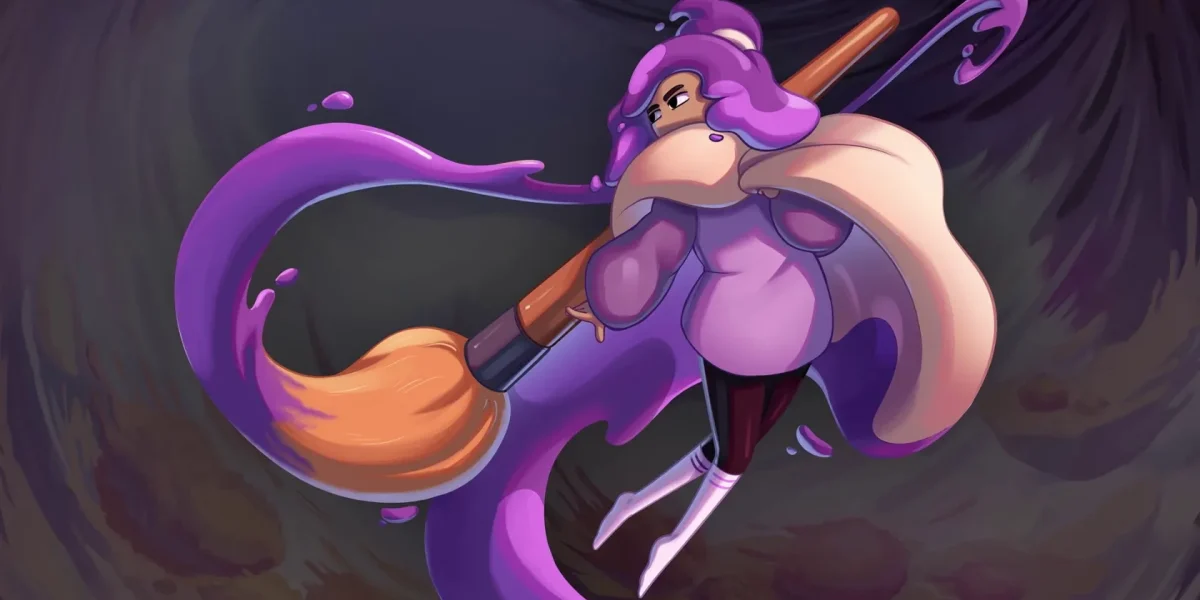

When games like Hellblade and Celeste proved that psychological struggles could be portrayed through the language of video games in deeply personal and unconventional ways, few expected that formula to continue evolving across other genres. Constance not only revisits that idea, but fully embraces it—using every corner of its world to reflect the gradual collapse of its protagonist’s mind.
In this review, we’re going to see whether Constance is simply another routine Metroidvania, or if it truly earns a lasting place among the genre’s most memorable names.
The Challenges of Storytelling
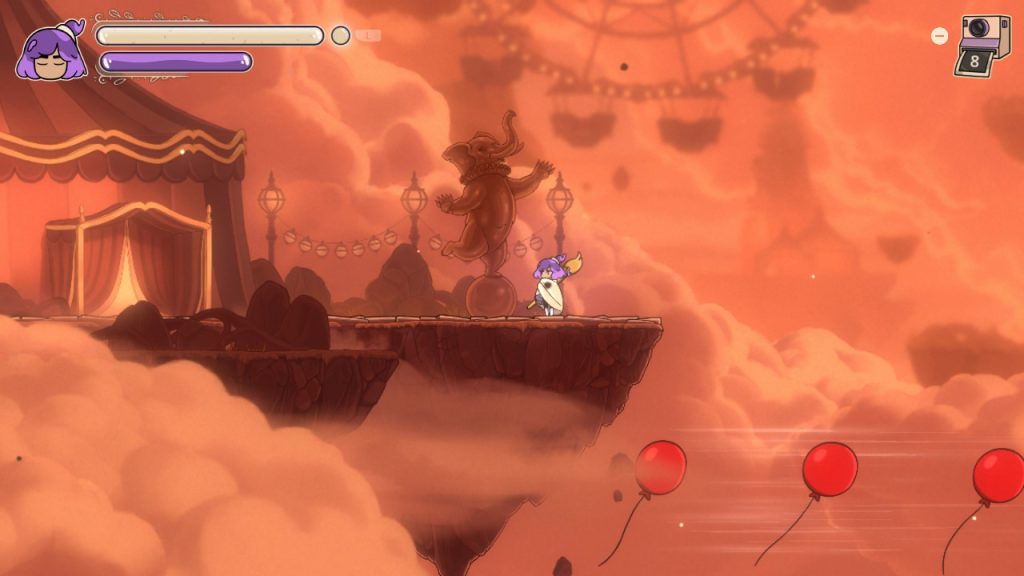
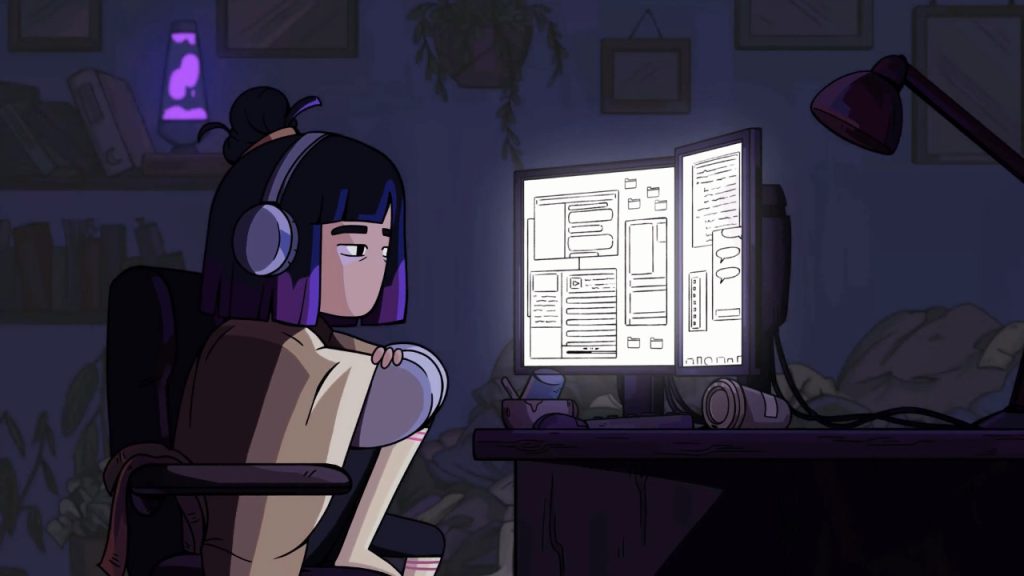
Constance tells the story of Constance, a young artist whose work overload and personal problems slowly drive her towards a psychological breakdown. Here you get a Metroidvania experience that’s entirely based on that mental collapse, putting players directly in the emotional chaos that’s consuming its protagonist.
Constance’s main tool is a paintbrush and almost everything you find in the game world has some symbolic connection to her real life. This means that each environmental factor becomes a part of the story itself. The world is not merely the backdrop to the story – it is the story.
That idea is both one of the greatest strengths of the game and its most obvious weakness. The moment the music and the rhythm of the gameplay and the visual direction are not in harmony with the emotional weight of the narrative, the entire harmony of the experience starts to crack.
And unfortunately Constance stumbles here more than once. The game’s muted and frequently ineffective soundtrack waters scenes dependent on atmosphere and emotional cohesion. The lack of music makes certain parts of the story feel incomplete, and makes many of Constance’s psychological struggles feel less tangible and emotionally resonant than they should have been in a title where the environment itself is a storytelling tool.
Core Mechanics & Platforming
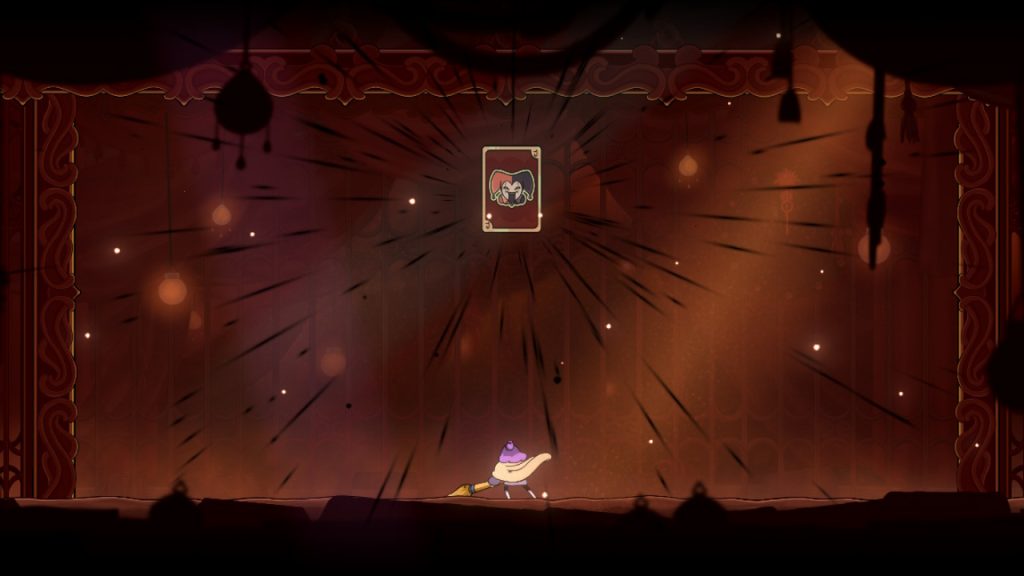
Constance looked like your run-of-the-mill Metroidvania at first glance, particularly in its pre-release shows. But after a couple of hours with the game its more distinctive ideas start to emerge, slowly differentiating it from the pack.
The paint gauge mechanic is one of the clearest examples and it is similar in some ways to the Silk Meter from Silksong. The difference is that Constance puts a much more punishing spin on this system. Instead of just preventing you from casting abilities when the gauge runs out, overusing it starts to drain your health straight up. It’s a subtle but smart design choice that makes you always juggle mobility, aggression, and survival.
Even Constance’s own brush itself, and the movement system built around transforming into flowing paint between platforms, adds a fresh layer to traversal. Movement is not just a mechanical tool, but an artistic expression, a statement of fluidity and a powerful link to the game’s artistic identity.
The platforming itself is eerily similar to the precision and responsiveness of the original Hollow Knight. This level of control is especially important in the more chaotic encounters in the game, where fluid movement and precise positioning allow you to maintain control of Constance even in the midst of overwhelming battles.
Room to Explore
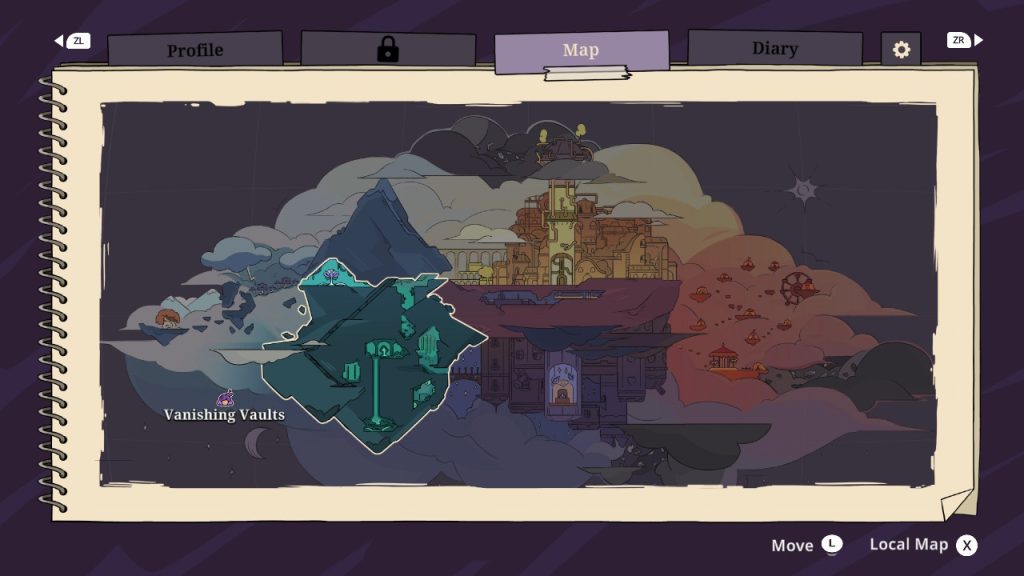
Constance is not a sprawling Metroidvania of grand scale, designed to eat hundreds of hours of your life. But the game, while relatively small in scope, suffers from one major problem: the lack of effective shortcuts.
One of the most important tools for making exploration feel satisfying and interconnected in Metroidvania design is shortcuts. But more than that, rewarding the player—and establishing a concrete sense of progression—is just as important to the genre’s identity.
Alas, Constance is strangely parsimonious as to rewards. I thought from the start that this could be an intentional extension of the story, a manifestation of the protagonist’s emotional exhaustion and deteriorating mental health. But as the game drags on it becomes abundantly obvious that the lack of satisfying rewards is just one of the game’s most egregious flaws.
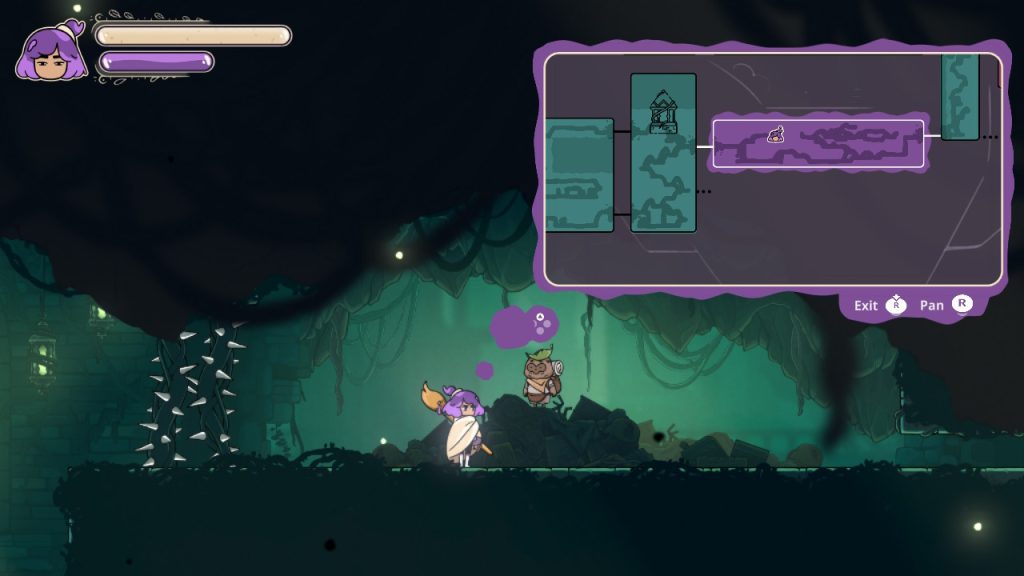
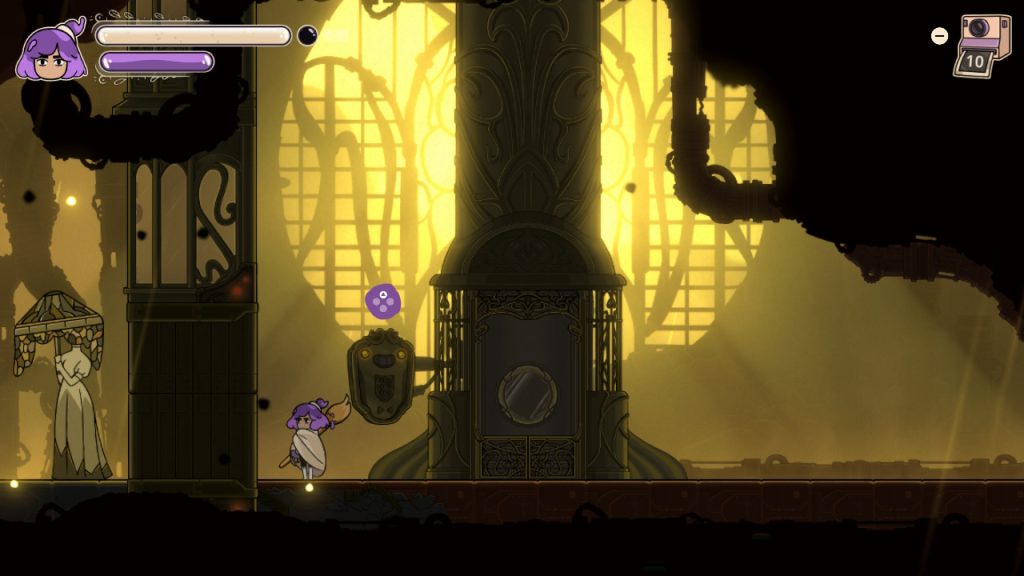
It’s very anticlimactic to beat a hard boss and only get a handful of coins The problem even affects the acquisition of new movement abilities. Traversal upgrades in a good Metroidvania should make you curious again, and want to return to places you’ve already been with new possibilities. In Constance, however, those mechanics appear less as tools for transformation and more as isolated features for a single particular region.
It’s not an exaggeration to say that for much of the experience the game struggles to create a believable sense of progression. No matter how far you travel, there’s this sensation of not progressing – like the journey is progressing but you never mature within it.
Glamorous Visuals
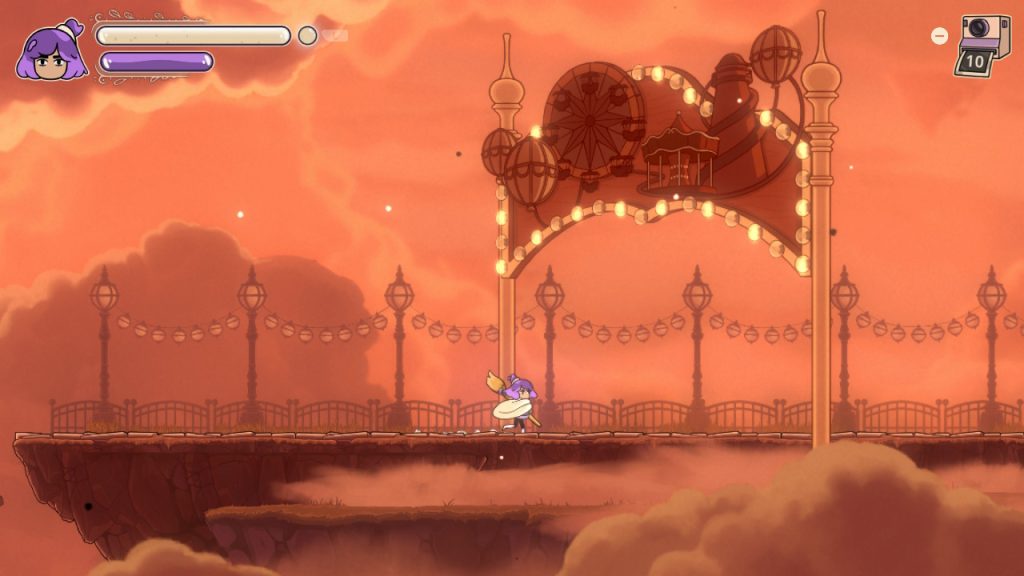
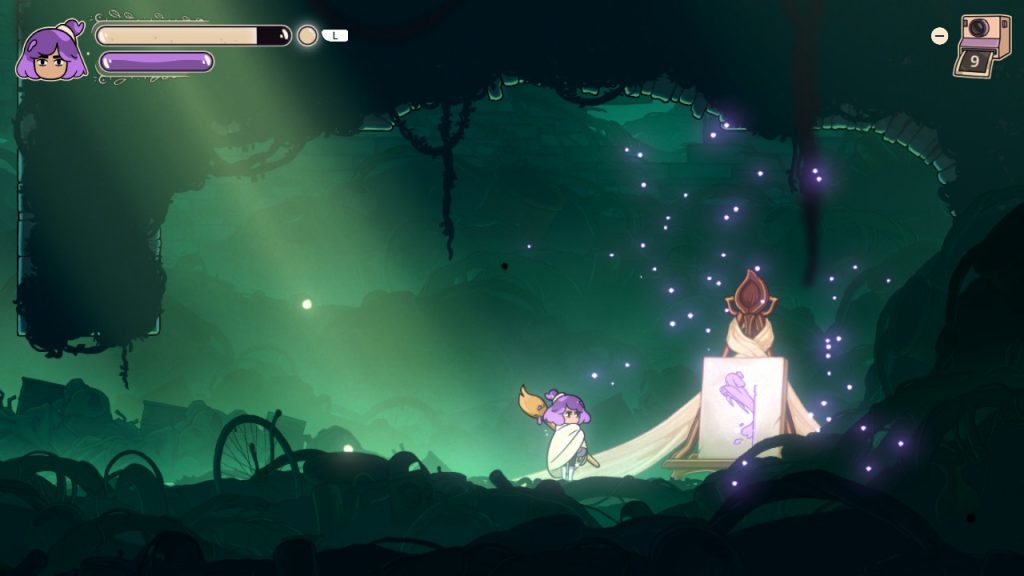
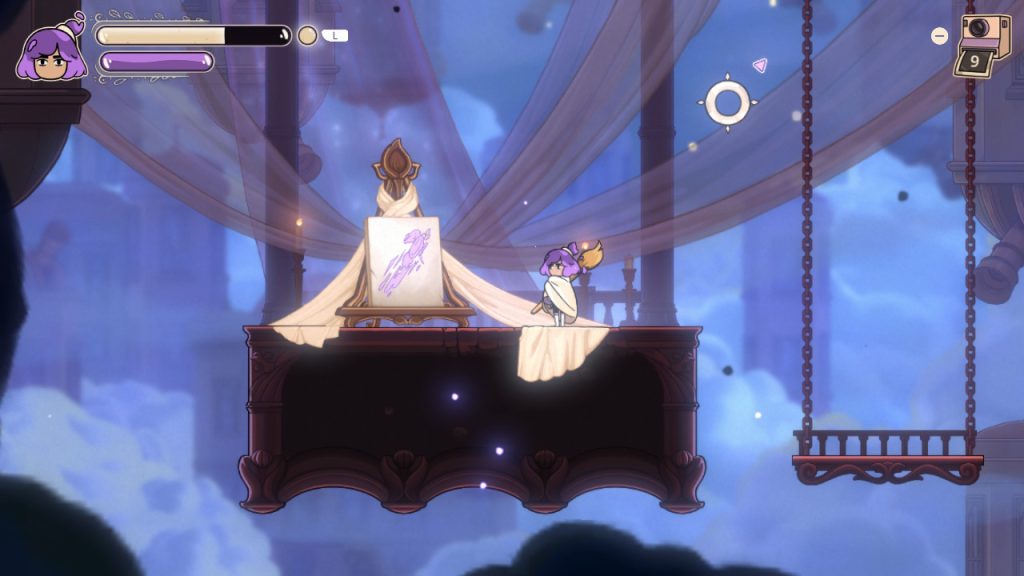
Constance boasts a truly distinctive and visually striking artistic direction and character design. The game’s presentation has a strong sense of identity – constantly reinforcing its surreal and emotionally fractured atmosphere, without ever losing clarity or cohesion.
I played the game in both handheld mode and docked on the Nintendo Switch, and technically, the visual presentation is surprisingly impressive in both formats. The only real problem I had in handheld mode was the font size, which sometimes seemed just a bit too small and could have used some better readability tweaking.
One visual aspect I really enjoyed was the in-game photography system that lets players take pictures throughout the environment as a means of marking important locations. Players may recall a similar idea from Prince of Persia: The Lost Crown. It’s a neat quality-of-life feature that cuts down on the frustration of getting lost in the twisting layouts that often characterize Metroidvania maps.
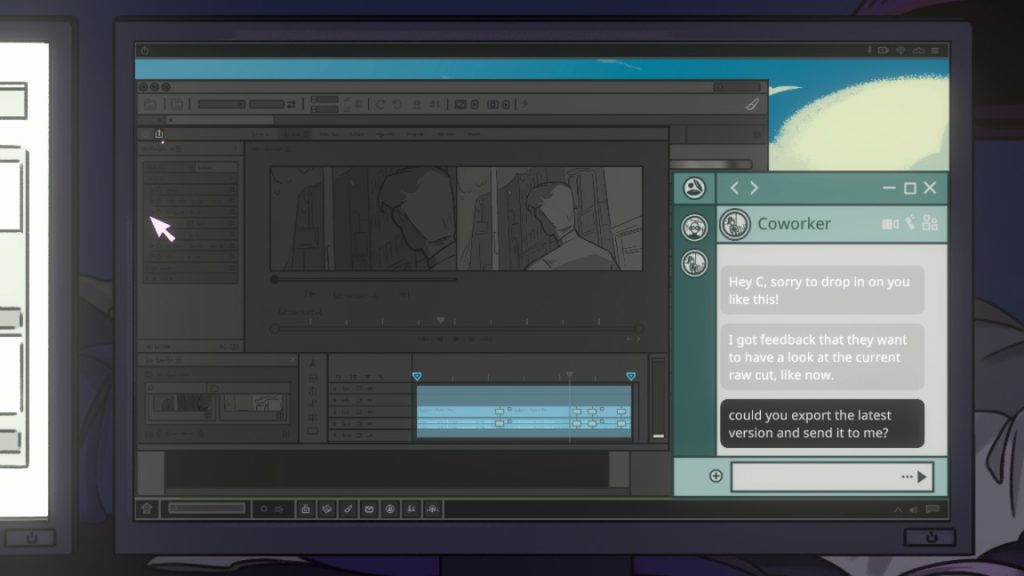
Constance does a good job of conveying the protagonist’s anxiety and emotional instability, though ironically, much of the feeling is expressed through its problematic gameplay systems, rather than through design intent. I see more and more in modern games the lack of proper QA and refinement in the implementation of gameplay and level structure, and Constance suffers from that exact problem unfortunately.
The problems discussed throughout this review mean that the weaker design decisions in the game don’t just fail to bolster its strengths, they work against them. The great platforming mechanics begin to lose their shine, and the game’s great artistic and visual identity can’t shine as brightly as it should under the weight of inconsistent execution.
There’s no denying that Constance takes a lot of inspiration from Hollow Knight in much of its gameplay structure. Although it borrows a lot of the genre giant’s ideas, but ultimately falls far short of reaching the same level of craftsmanship in its execution.
This review is based on the Nintendo Switch version
Score: 75/100

Other Articles