

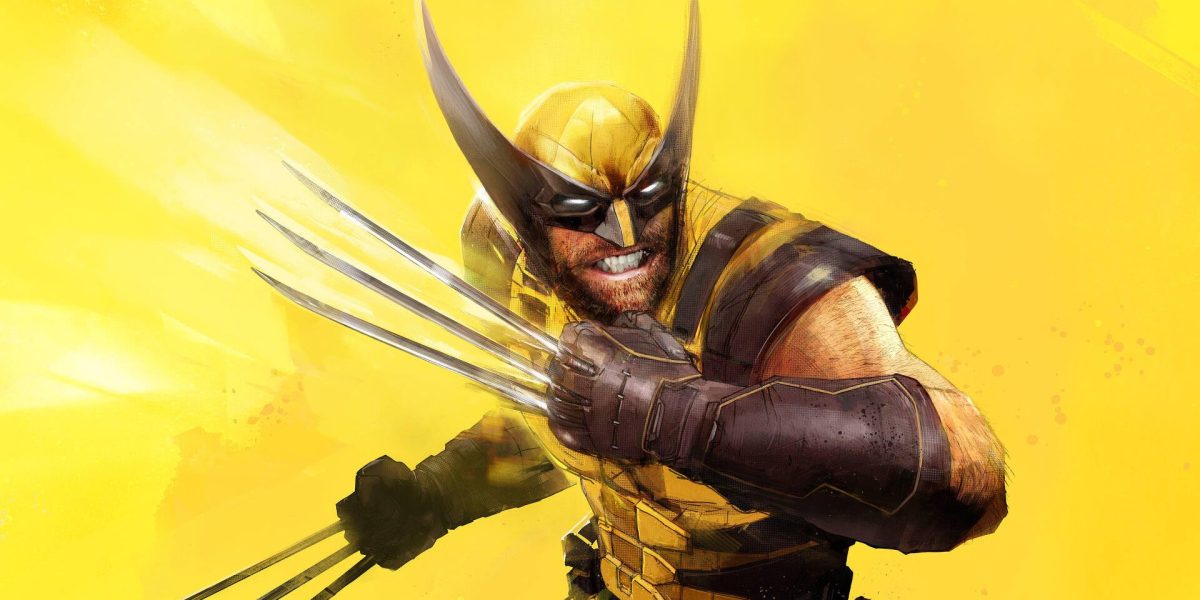

There’s a basic issue from the beginning with building a game around Wolverine, which is how do you take the fantasy of power, violence, speed and aggression that’s true of the character and turn it into an interactive experience?
The best of Marvel’s Wolverine has a very simple response. It includes rapid, brutal, and responsive fighting based on the devastating power of Logan’s adamantium claws and his special powers. Unfortunately, this is also where the game’s biggest difficulty starts.
Wolverine is at its best when it lets you be Wolverine. Fighting at fast speeds, hurling yourself at groups of adversaries, absorbing damage, controlling your Rage, relying on Logan’s regenerative skills to keep you in the fight. And yet the game constantly breaks that fantasy with parts that offer nothing in the way of meaningful gameplay, yet also diminishing the rhythm and identity of the overall experience. In that sense, Marvel’s Wolverine is a fascinating case study of a game whose greatest strengths and biggest shortcomings can be understood through its relationship with the character at its heart.
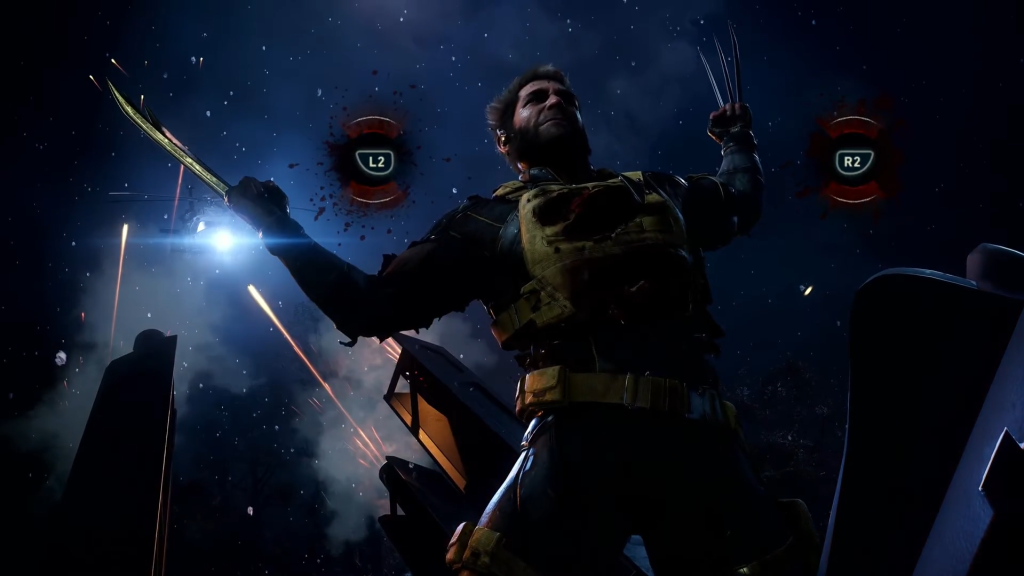
Combat: Where Wolverine Really Shines
Wolverine’s strongest strength is without question battle. Insomniac has built a quick, vicious, and very fluid system that is more than just a third-person beat ‘em up. It’s trying to evoke the feeling of commanding a character that is immensely powerful and seems unstoppable.
The pace of the battles, great animations, the way foes physically respond to attacks and, perhaps most crucially, the audiovisual feedback all give individual strikes a sense of weight. Wolverine’s claws are not just another model weapon. The fighting system is intended to thread the defining traits of the character into the player’s experience.
That’s an important difference from a game-design perspective. In the case of converting a well-known character into a video game, it’s not all about stealing their appearance and powers. Their central fantasy also has to be something that is genuinely playable in the game.
This is where Wolverine’s fighting is closest to working. The pace at which you’re moving from one enemy to another, the close combat, the physicality of each encounter and the sheer violence of the action, along with detailed animations, make Logan’s power and fighting style feel like something that’s really put in the hands of the player.
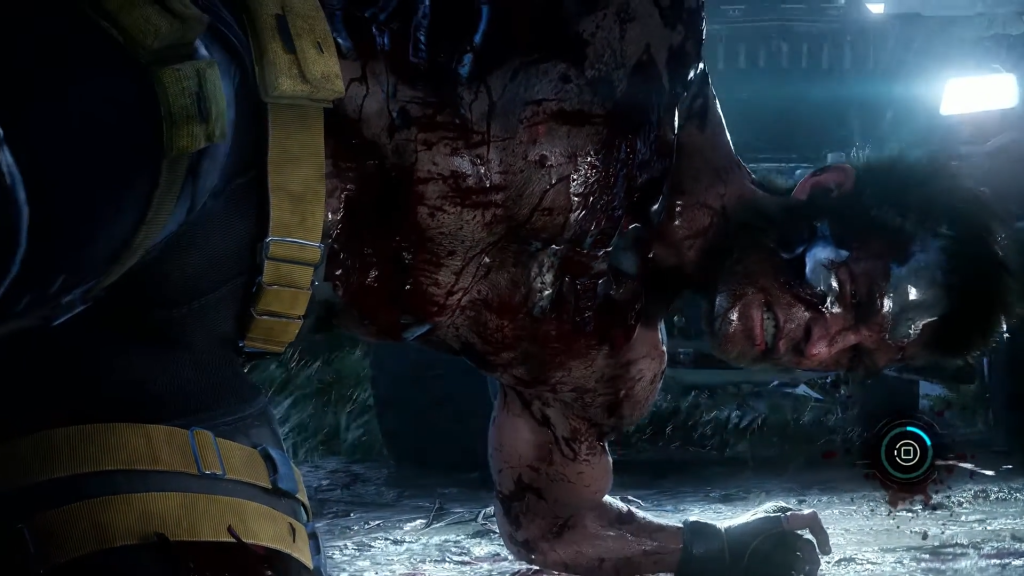
Rage: A Simple System Based on Meaningful Decisions
One of the cleverer design choices in the game is the way it handles the Rage system. On the surface, Rage seems to be nothing more than a meter you fill to unlock more powerful skills. Its full value reveals itself, however, when you examine the various ways this resource can be utilized.
Rage can improve your offensive power, but it can also be used for recovery and even Last Stand. This makes it a versatile resource, and adds an essential element of decision making during conflict. Imagine having a tons of Rage. Do you keep the momentum going and keep building up your Rage level, boosting your damage and making combat even deadlier and more brutal? Do you use it for healing? Or do you save it only in case it becomes vital, and you need it to survive?
It is a basic choice but one that adds considerable depth to warfare as the same resource can be used offensively and defensively. The player must thus consider not just which attack to utilize, but also when to use their resources. That kind of decision making is exactly the kind of thing that can take a relatively simple fighting system and make it far more complex.
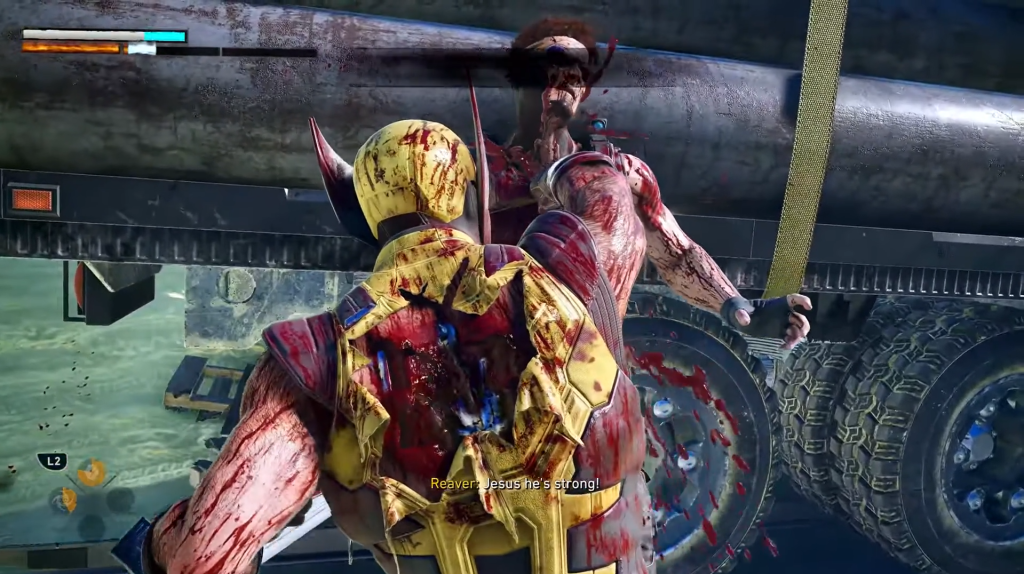
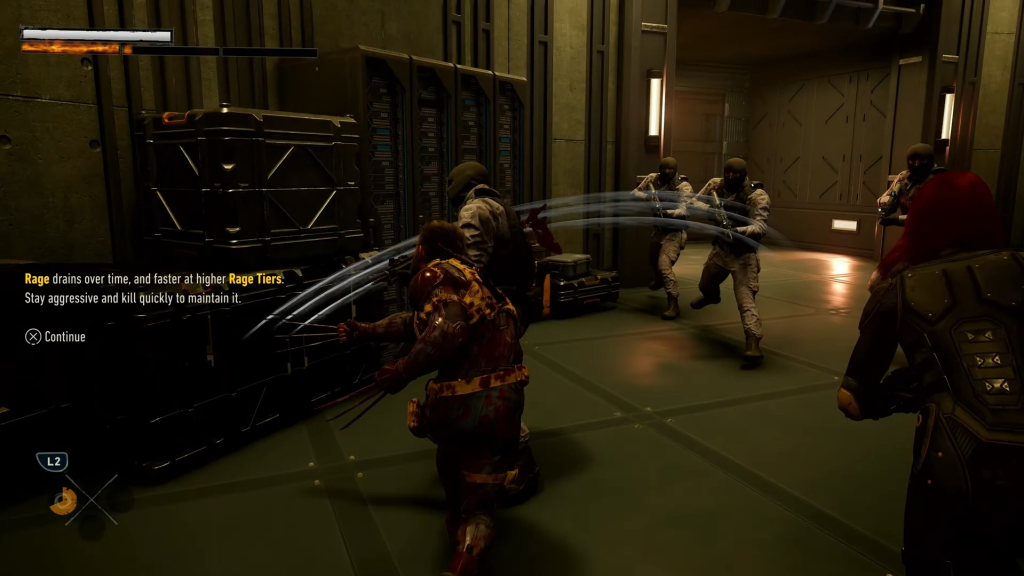
Unfortunately, the same can’t be said for the enemy design of the game. The most glaring flaw of Wolverine is how superficial and repetitive his enemies can be. For much of the game, the distinctions between enemy kinds are often cosmetic, health, or other quirks rather than requiring the player to make any truly different choices about how to destroy them.
This is especially painful when foes become damage absorbers. In a good fighting system, cranking up the difficulty should not be as easy as giving adversaries more health. A tougher opponent should require the player to adapt, whether it be through tighter timing, alternative attack patterns, or scenarios that invite the use of abilities that didn’t seem as crucial before. Adding health to an enemy doesn’t add depth, it only makes it take longer to kill.
This means that some encounters are less about testing the player’s mastery and more about repeating fighting patterns they’ve learned over and over.
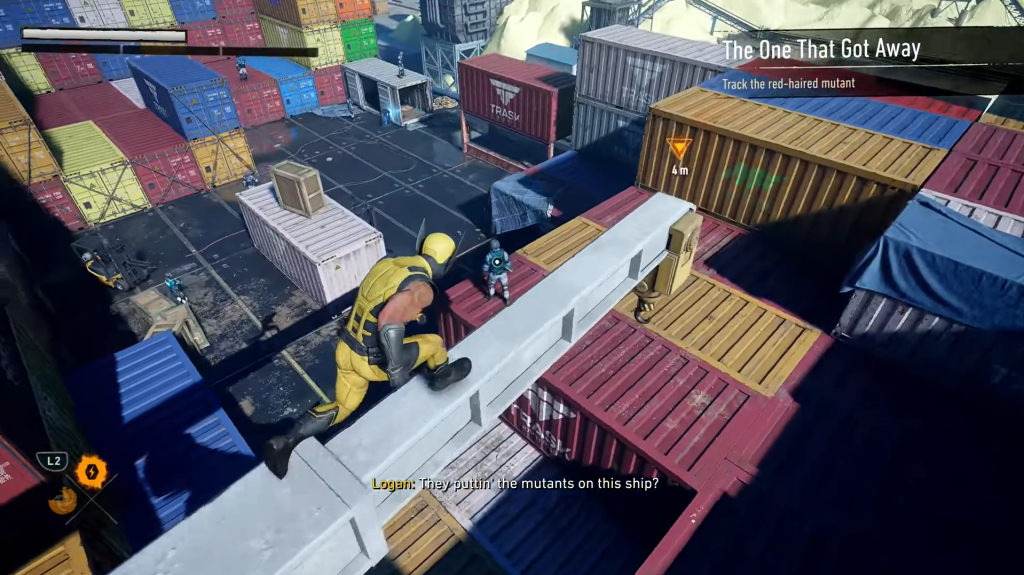
Enemy Design and Boss Fights
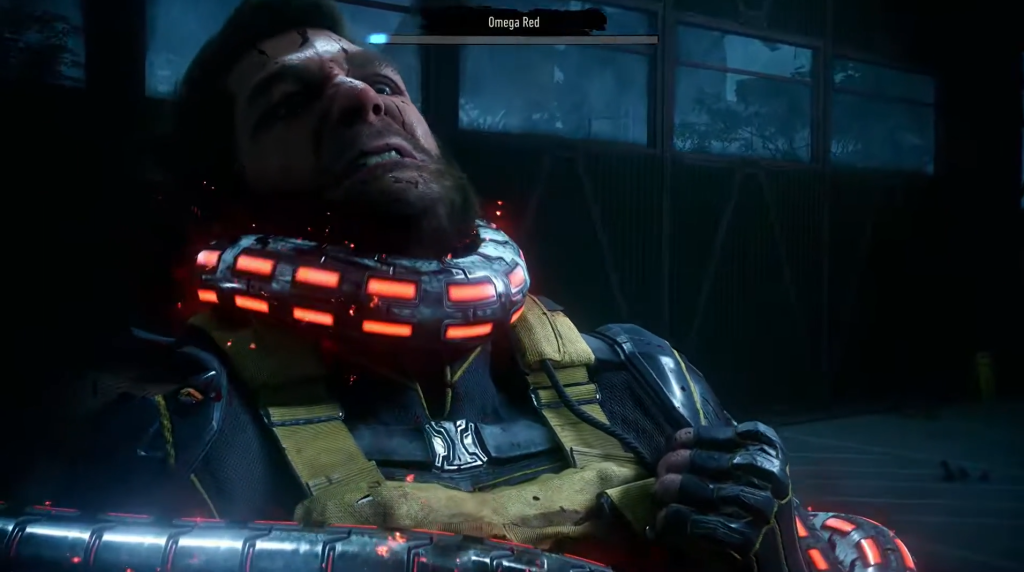
The boss fights highlight the faults with enemy design in a different way. A boss fight should be the culmination of a game’s fighting system – the time where players are expected to combine all they’ve learned throughout the course of the experience. But some of Wolverine’s boss encounters don’t make the most of that potential.
At times these bouts feel less like meaningful engagements between the boss and the game’s combat mechanisms and more like a string of cutscenes and pre-determined exchanges. When that happens, the Boss Fight no longer feels like a logical culmination of the systems you’ve been mastering, but another piece of a planned plot.
This is especially true in a game where battle is one of the best parts of the overall experience. If you’ve got a good fighting system to start with, then it makes sense for the most critical encounters in the game to push that system further than anything else.
There is nothing wrong with using Quick Time Events. A well-crafted QTE has the potential to make a cinematic moment feel truly interactive, but only when the player’s input actually influences the course of events.
The problem with Wolverine is that whether you pass or fail some of these QTEs doesn’t make much of a substantial impact to the outcome. At that moment the QTE is no longer working as a meaningful interaction mechanic. It is merely a means of holding the controller in the player’s hands during otherwise cinematic moments.
When Walking gets in the Way
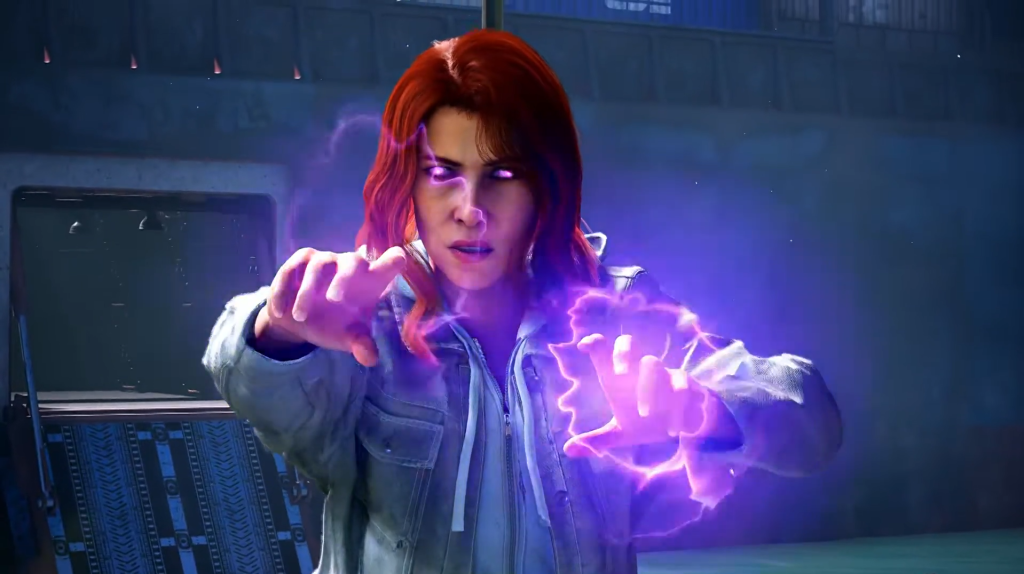
But perhaps the biggest difficulty with the game is with passages that may best be defined as “Let’s Walk” moments—times when characters just walk across a setting with discussions happening all around them.
The trouble with these passages is not only that they are slow. More importantly, a lot of them do very little. They rarely give any real gameplay reward, and the narrative information they deliver is usually not vital enough to warrant stopping the rest of the experience. The effect is merely a loss of momentum.
That’s especially troublesome in a game such as Wolverine, which is designed around brutality, speed and excitement. The player should be prepared to go right back into the action after a hard-fought battle. These Let’s Walk passages are the exact opposite, constantly breaking that momentum.
It also highlights a clear shortcoming in several of Insomniac’s games, that being an over dependence on direct narration and speech when characters wander through areas, as opposed to letting more of the plot simply unfold through gameplay and level design.
So Wolverine rips you out of the notion of what it is like to truly be Wolverine and instead places you in the role of someone wandering about and having conversations or doing tasks that have little to no genuine gaming value.
Final Verdict
At its best, Marvel’s Wolverine delivers exactly what the character demands: fast, brutal combat, excellent animations, impactful feedback, and a Rage system that adds meaningful decisions between aggression and survival.
Unfortunately, repetitive enemy design, damage-spongy opponents, underwhelming boss fights, ineffective QTEs, lengthy cutscenes, and frequent Let’s Walk sections repeatedly interrupt that fantasy. This creates the game’s central contradiction: its greatest strength is Wolverine himself, yet Insomniac too often prevents the player from fully embracing that identity.
Wolverine didn’t need more systems. It needed more confidence in its own core identity. Because to become a truly memorable experience, the game only needed to do one thing:
Let the player be The Wolverine.
This review is based on the PS5 version
Score: 70/100

Other Articles
The Art of Shrinking a Giant | Dragon’s Dogma 2: Dark Arisen Review
A Bright Idea That Fades | MONOWAVE Review