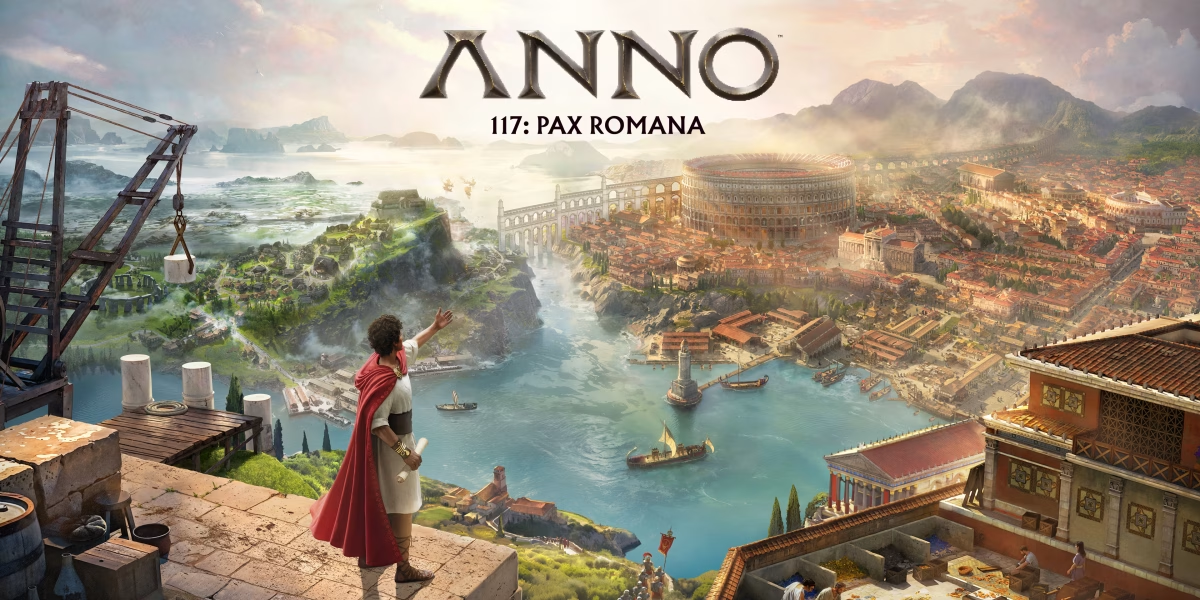

Anno 117: Pax Romana arrives with the weight of a long-running legacy behind it, carrying the expectations of a franchise that has constantly blended city building, economic situation, and gentle strategic depth for more than two decades. As the newest game in Ubisoft’s long-running series, it takes players to the height of the Roman Empire, a time and place that the series had never fully explored before. What makes Anno 117 so interesting right away is how sure it is of this time period. The game doesn’t turn the Roman world into clichés or a show. Instead, it uses its classical setting to reinforce the franchise’s design philosophy: slow growth, careful planning, and the feeling of building a society from the ground up. The final outcome is an experience that is both familiar and new.
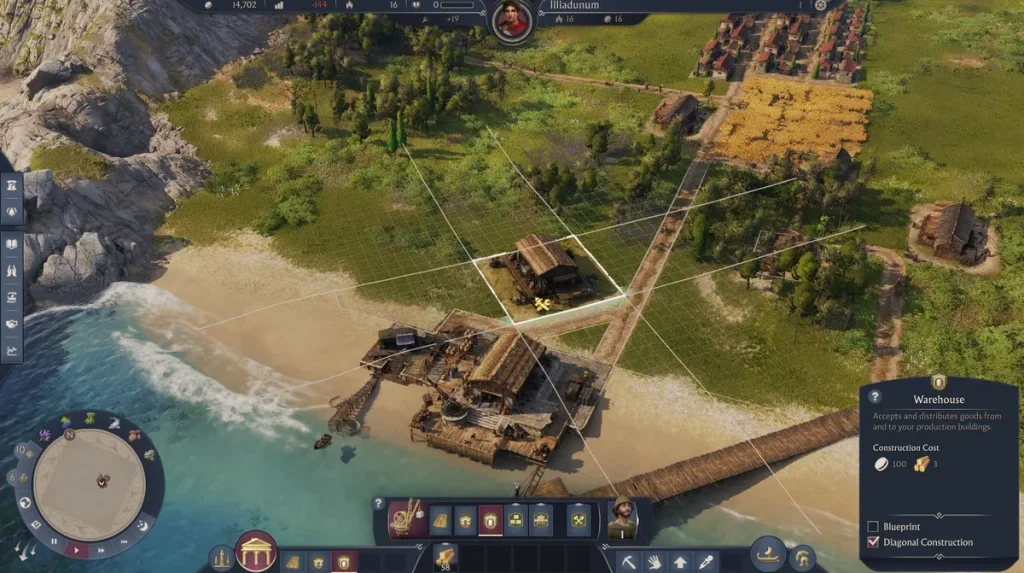
Pax Romana has a natural flow from the very first minute of play. The controls are quick to respond, the interface is smooth and easy to read, and the placement of buildings and roads is so smooth that it feels almost therapeutic. The feeling of calm productivity that has been a part of the series since Anno 1404 is still there, but it gets a new charm from the Mediterranean landscapes, terracotta rooftops, and busy Roman villas that slowly come to life as your settlement grows. Every building seems to have been put there on purpose, and the careful animations of workers, farmers, and citizens make the game feel real without being too much. The goal of the game is to get the player to get into the rhythm of planning, changing, expanding, and watching the world react.
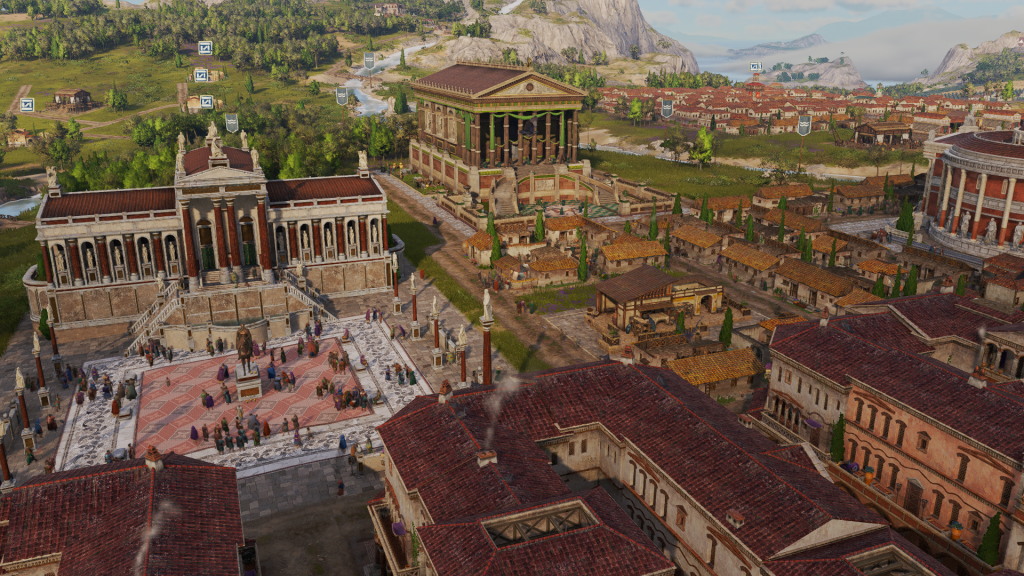
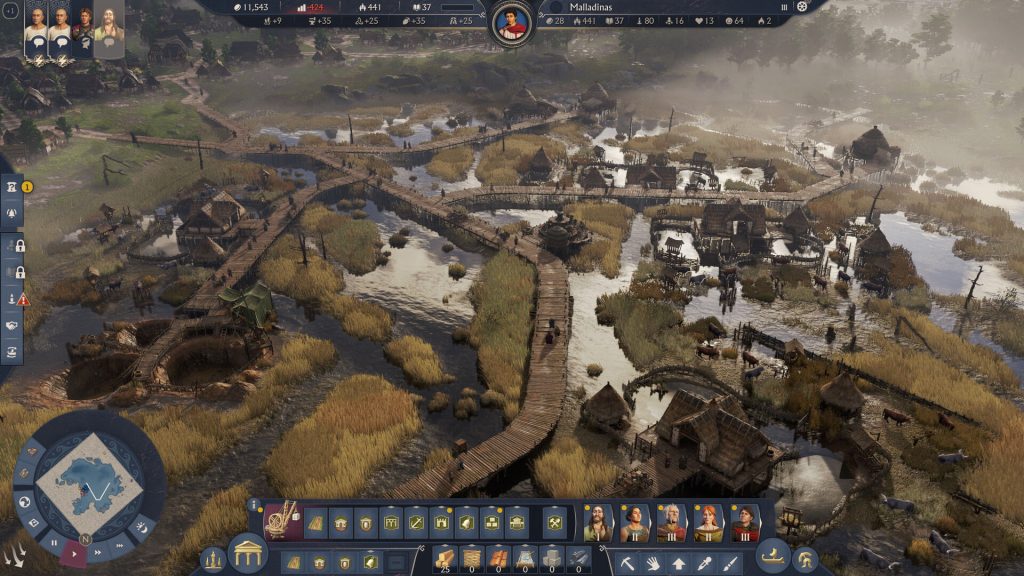
The dual province system in Anno 117 is one of the best ideas. It lets players start in either Latium, the cultural and political center of Rome, or Albion, a rough Celtic area on the edge of the Empire. These two starting points do more than change how the game looks; they also change the mood of each playthrough. Latium is like the classic Roman fantasy: cities grow in a planned way, there are marble forums, and there is plenty of food. On the other hand, Albion is known for its cultural differences and environmental problems. The people who live there have a strong Celtic identity, and players must choose between enforcing Romanization or trying to create a more integrated cultural model. This one structural choice makes Anno 117 very replayable. A lot of city-building games get boring because they follow the same patterns over and over, but this one changes its personality based on the path you take.
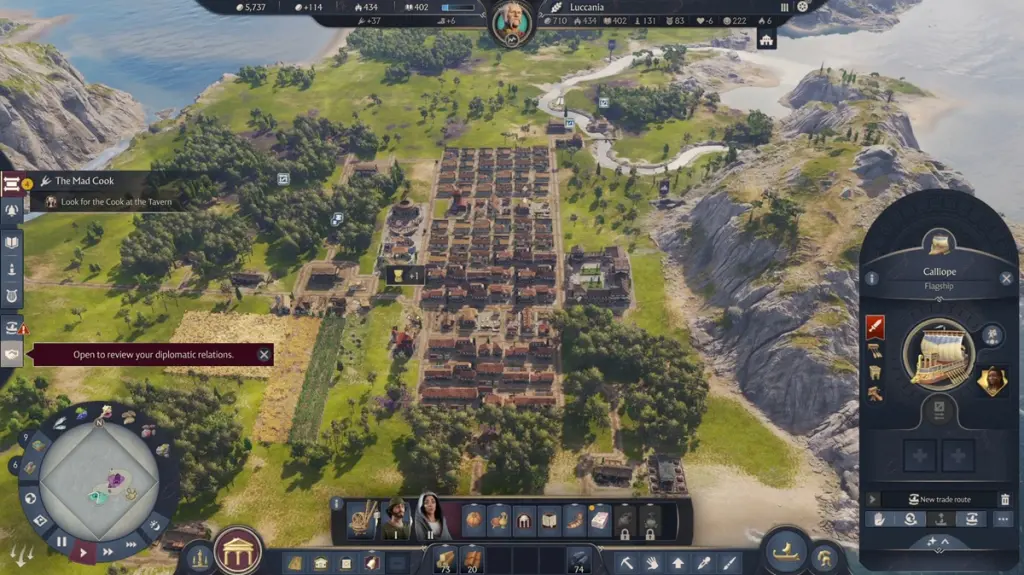
The economic system, which has been the franchise’s beating heart for a long time, is handled with great care. Production chains are well-organized and not too hard to understand, so both casual players and hardcore economy optimizers can have fun. Every level of society, from early settlers to Roman citizens, has new needs that grow your economic network. What stands out is how easily these systems grow: a small, struggling settlement and a big, successful city work on the same rules, but the game never punishes players for trying new things. It encourages careful placement of resource sites, steady growth, and smart trade, all while keeping things clear. The end result is a system that is deep enough to seem strategic but easy enough to learn that it doesn’t become a problem.
The game is visually stunning, but not in a loud or dramatic way. Instead, it’s because of how carefully it pays attention to detail. The artists have captured the architectural style of Rome, including columns, porticoes, and amphitheaters, in a way that is more subtle than flashy. The warm and grounded color palette helps settlements fit in with the surroundings. The animations are just as well thought out: fishermen hauling nets, potters shaping clay, and farmers caring for olive trees. These short stories bring life to every part of the map and make even a small village in the early game feel like a real community with its own routines and rhythms.
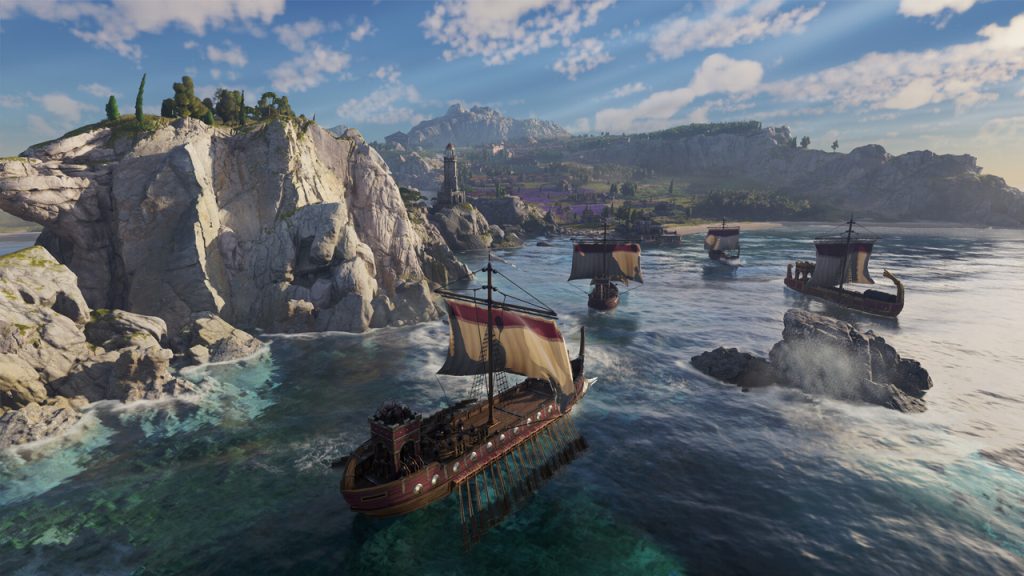
When it comes to strategies, Anno 117 takes a calm approach. There are military systems, like naval combat, simple land skirmishes, and planning for defense, but they are meant to be light. This game doesn’t focus on combat as much as some of the earlier entries that were more RTS-like. The choice is both a good and a bad thing. On the one hand, players who like the peaceful, economy-driven spirit of the franchise will like how the game focuses on building cities without a lot of other things going on. On the other hand, people who wanted more complex tactical warfare, especially in a time as famous for its military as Ancient Rome, might not be happy with the systems. Still, the limited fighting keeps the game’s pace slow and steady, focusing on building society rather than conquering it.
The campaign mode works, but it’s not very big in the end. It teaches players the main mechanics, sets up story motivations, and helps them through the early stages of settlement. However, it ends sooner than expected. It’s a little disappointing that it’s so short, especially since the Roman setting could have provided a lot of story depth. The campaign doesn’t make the game worse, but it feels more like a long tutorial than a big historical story. The Endless Mode makes up for this problem, though. Once the campaign’s limits are gone, players can try out different city layouts, economic specializations, cultural choices, and long-term plans for growth. This is where Anno 117 really shines, and its systems are at their best.
In terms of culture, the game lets you express yourself more than many of the previous ones. Not only is the tension between Roman assimilation and local identity built into the game’s mechanics, but also into its looks. Your approach to cultural governance can change buildings, festivals, the needs of citizens, and even the way buildings are built. This dual-identity system gives your cities a sense of narrative ownership: settlements in Latium may represent Roman order, while cities in Albion may develop into unique hybrid societies that are neither fully Roman nor fully Celtic. It’s a small but strong feature that gives cities personality in a way that the franchise hasn’t done before.
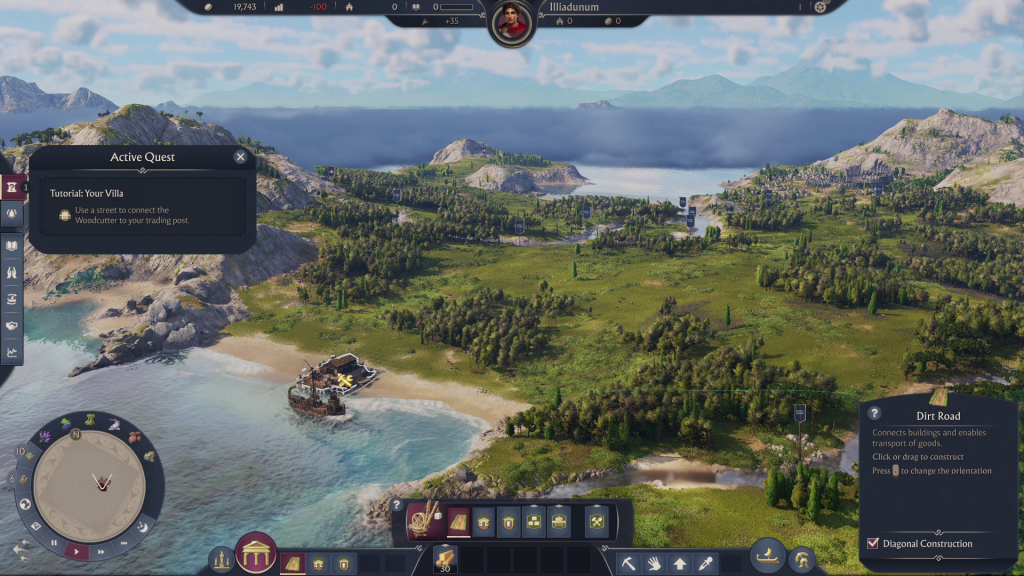
Overall, the performance and technical execution are solid. The game runs well on most modern systems, loading times are quick, and the world simulation stays stable even in big cities. There are some small UI problems and pathfinding issues that come up late in the game, but they don’t ruin the main experience. The sound design is also great. The ambient chatter, market noise, and soft strumming of Roman-era instruments make the world feel warm and lived-in.
Ultimately, Anno 117: Pax Romana doesn’t try to change the series; instead, it makes it better by putting it in a time period that brings out its best parts. It is a well-thought-out city-building game that knows exactly what it wants to be: calm but challenging, easy to get into but deep, and based on history without being limited by it. Fans of the series will find one of the best entries so far, and new players will find a very welcoming way to learn about the methodical creation. The campaign may seem short and the combat may not be very exciting, but the heart of Anno 117—the joy of building, balancing, and caring for civilization—is stronger than ever. It is one of the best city-building games to come out in the last few years and a proud continuation of a beloved series.
Score: 85/100

Other Articles

RV There Yet? Review
Dispatch Review