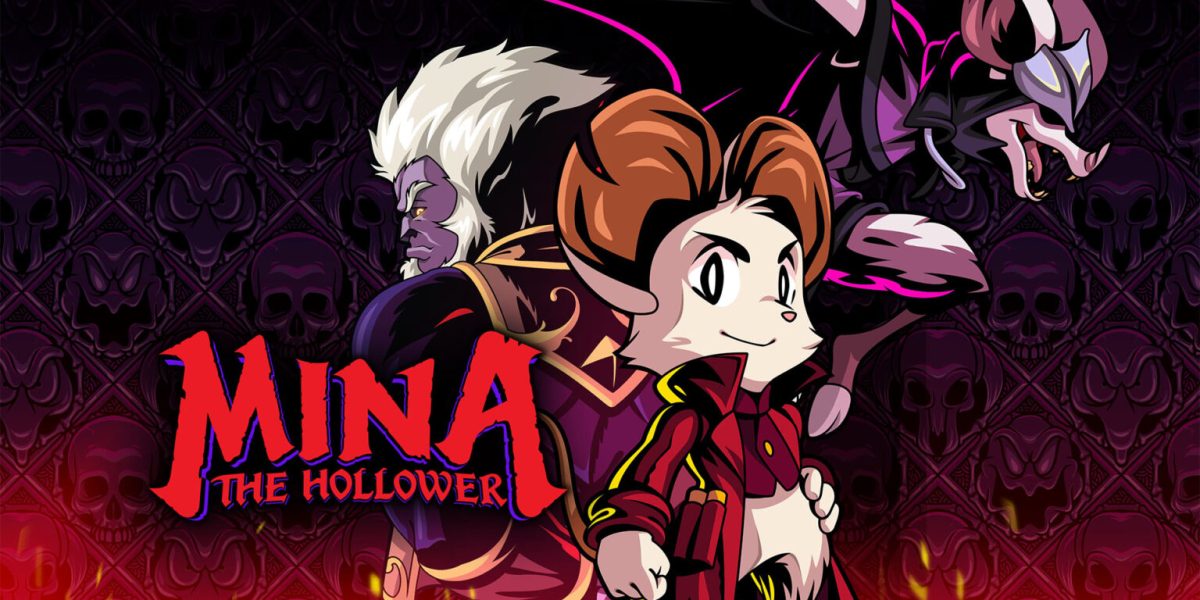

When did a video game really surprise you for the first time? I’m not talking about a great cutscene or memorable sound track. I’m talking about that special moment when the controller in your hand and the action on the screen become one and the same, when the act of playing becomes so immersive that you are completely in the game.
Mina the Hollower is one of those rare games. The culmination of a journey that began in 2014, carrying more than a decade of anticipation before finally arriving in players’ hands.
In 2014, Yacht Club Games showed that paying homage to the past and making something new aren’t mutually exclusive. With Shovel Knight, the studio crafted a game that felt both classic and new—a sincere love letter to Nintendo’s glory days while firmly establishing itself on its own merits.
Yacht Club’s grasp of nostalgia is what makes it unique. The studio doesn’t see this as a marketing tool but as a creative philosophy, where familiar ideas are used as the foundation for new experiences. Now, a dozen years after Shovel Knight first captured the imaginations of players, Yacht Club Games returns with a new hero in a tiny mouse named Mina the Hollower.
But this is the kind of comeback that belongs in the same conversation as gaming’s great returns, alongside titles like Baldur’s Gate 3. These are the rare revivals that arrive with grandeur and absolute confidence—games that owe nothing to anyone and have no interest in chasing trends or proving their worth.
Every Pixel Screams Game Boy Color
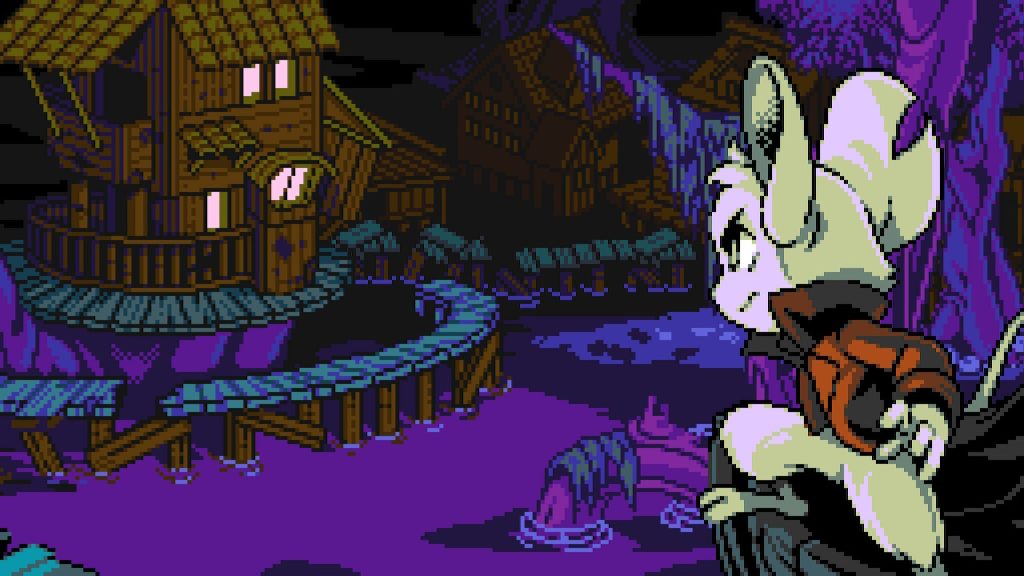
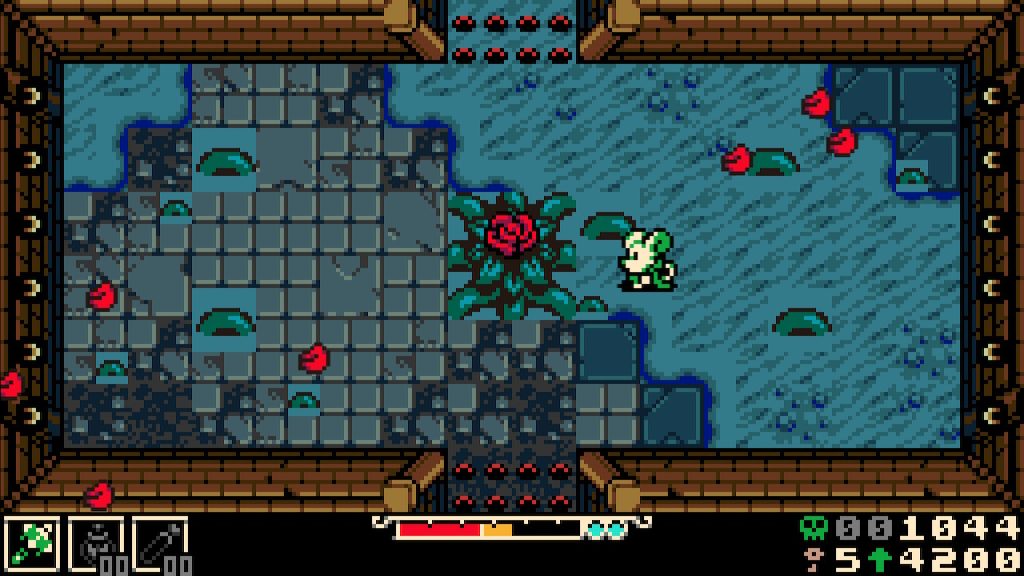
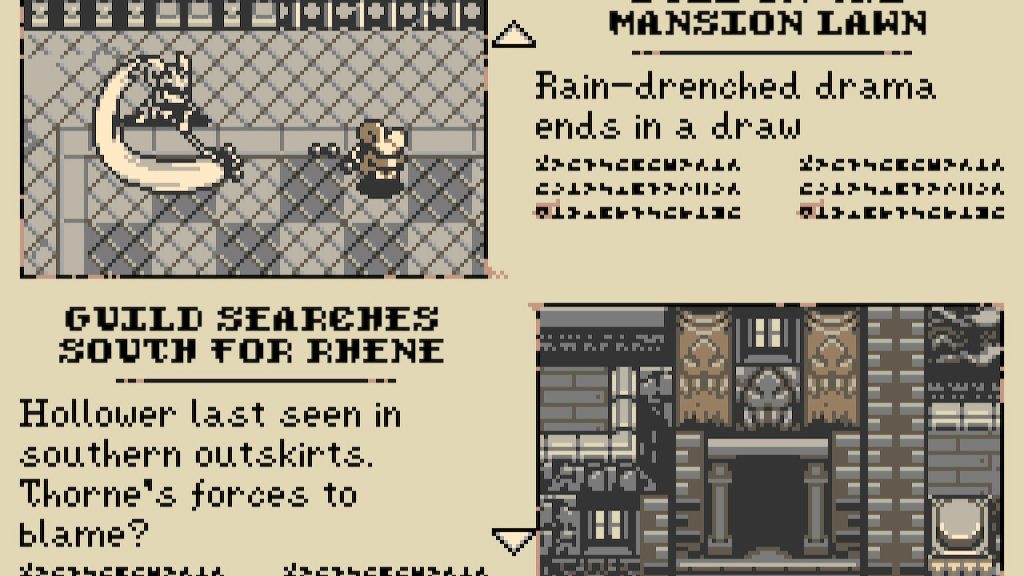
In a purposeful and proudly unapologetic design decision, the developers of Mina the Hollower have made visual limitations of the Game Boy Color the foundation of the game’s presentation. But within those self-imposed restrictions is an incredible depth of gameplay.
In an era where many blockbuster games and large studios appear to be increasingly obsessed with spectacle – chasing photorealistic visuals, cinematic set pieces, and hours of cutscenes –Mina the Hollower takes a different direction. While others hide behind production value, this game makes a bold statement: gameplay is enough.
Mina the Hollower feels like a pure video game, in the most basic sense of the word. All of it, from every mechanic to every encounter to every moment of exploration, is built around player interaction, not passive observation. It evokes a feeling that has become shockingly rare in modern gaming, a feeling that many players may have forgotten completely: the simple joy of playing.

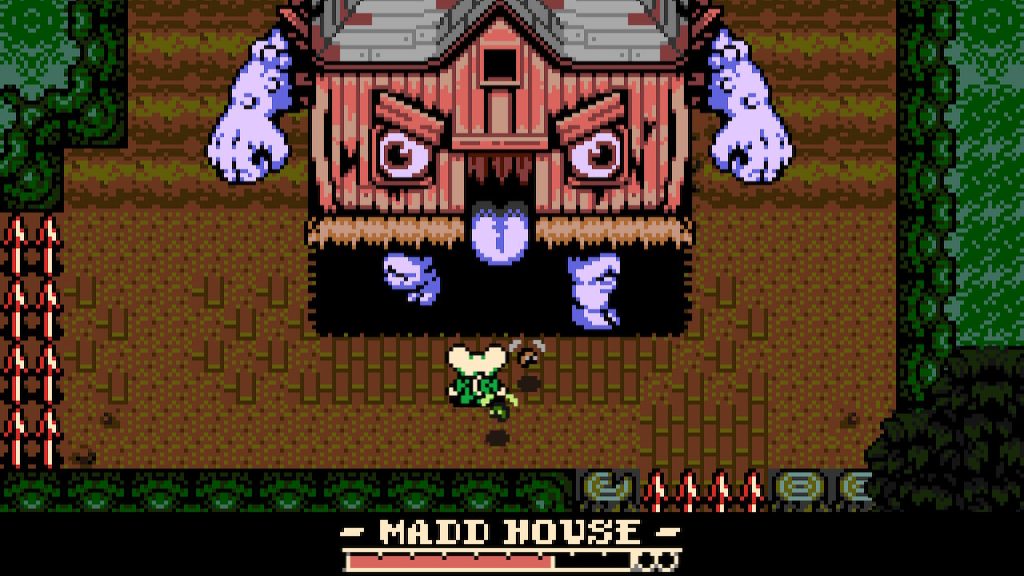
Buried Beneath the Surface: Mina’s Defining Mechanic
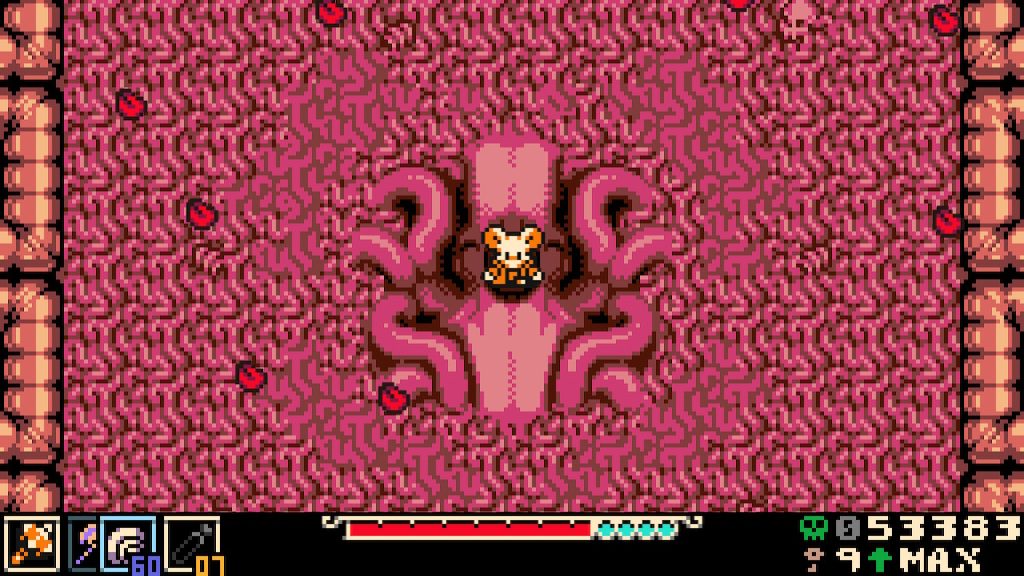
At its heart, Mina the Hollwer is a Zelda-like, and its world is filled with subtle and overt nods to the classic The Legend of Zelda formula. But by implementing one defining mechanic, and building everything around it, the game has managed to carve out a distinct identity within an already well-established genre.
Digging is not a movement option or defensive trick only. It’s more than just rolling or dodging. Burrowing is more than just a way to escape here, it’s a tactical reconfiguration of the battlefield itself allowing you to relocate, outflank threats and actively shape the flow of combat in real time.
Initially, the mechanic can feel awkward, even limiting, as you get used to its timing and limitations.
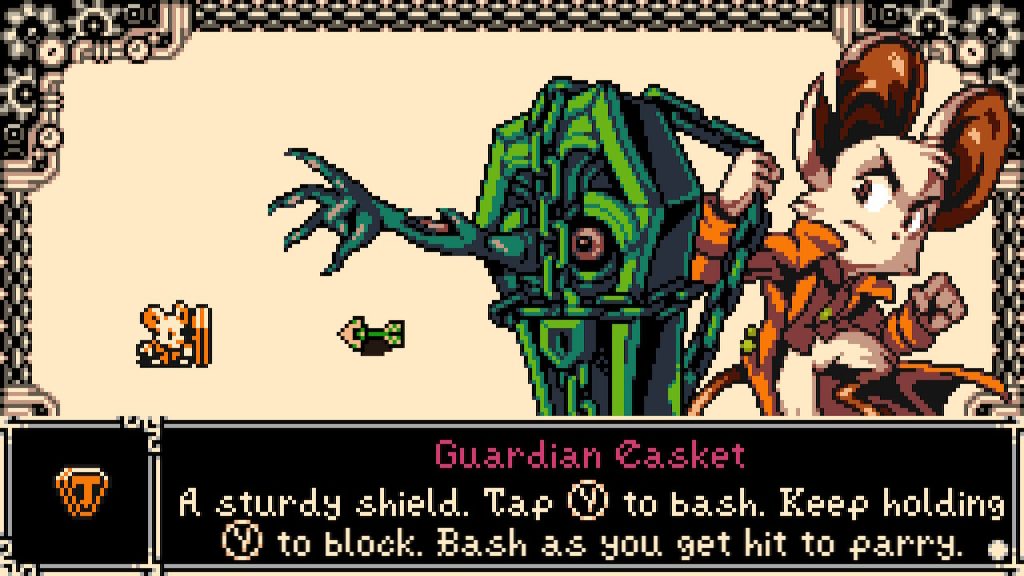
Metroidvania DNA: The Pulse of Combat
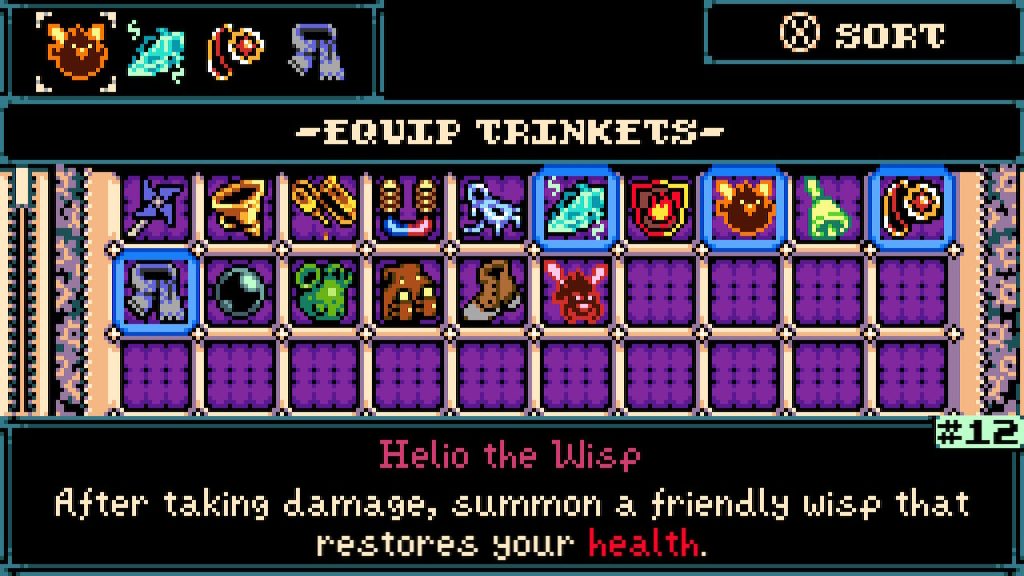
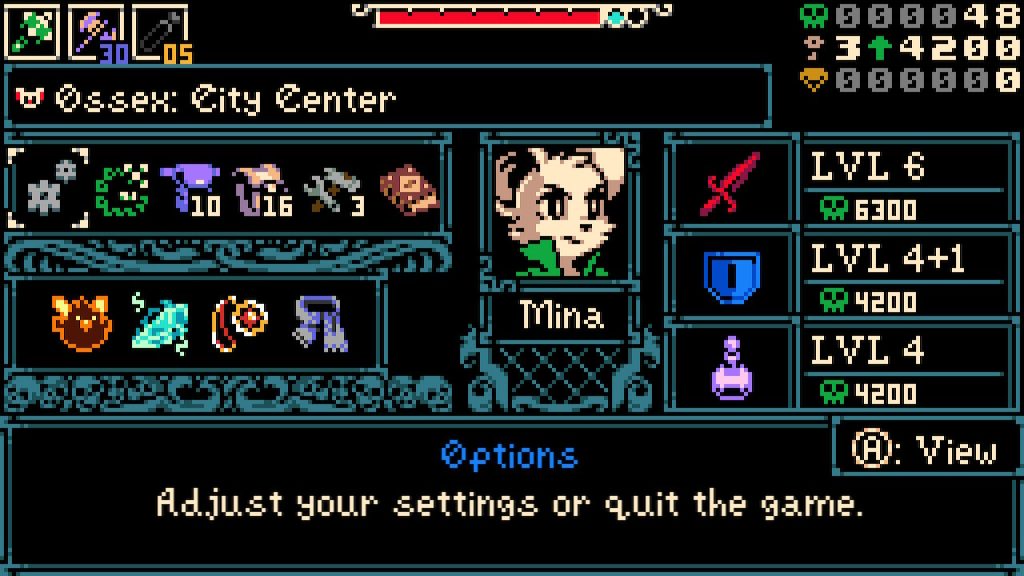
Five weapons, sixty trinkets, and six trinket slots form the backbone of Mina the Hollower’s combat system. Beyond sidearms, Mina’s passive abilities, and weapon upgrades, it’s the mechanical diversity of the five core weapons—and the sheer variety of trinkets—that creates the game’s strongest design synergy.
The abundance of useful, well-designed trinkets allows for deep customization of combat flow, letting players shape encounters to their own playstyle. This level of build variety feels less like traditional Zelda-like design and more reminiscent of modern Metroidvania systems.




During my roughly 50-hour playthrough of Mina the Hollower, I collected 46 trinkets. Yet almost all of them proved useful at some point, scattered across the game’s expansive map. Only three or four ever felt genuinely redundant, left untouched until the end.
The Elden Ring of Indie games
At first glance, Mina the Hollower seems to have a simple world structure. But below that simplicity, there is a surprising sense of scale and freedom of approach. Like the classic Zelda games, there is no “wrong” direction, all roads you take eventually become part of the critical path.
There aren’t many games this generous with exploration. What looks like a diversion at first can be an opportunity in disguise: an item of value, an encounter in secret, a secret boss away from the beaten path.
The world is layered with mystery, often evoking memories of the design philosophy of Elden Ring, with its expansive sense of adventure, fragmented storytelling, and constant invitation to wander and discover.
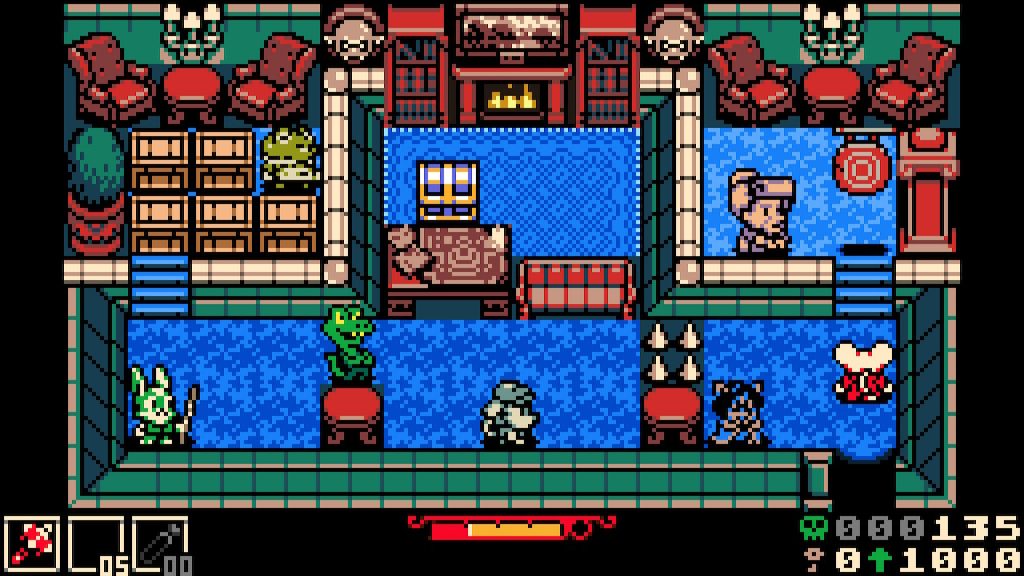
A Tribute or an Independent Experience?
Perhaps you’ve heard, or read that Mina the Hollower is a mix of classic Zelda games and Soulslike design. That’s partly true, and partly misleading.
There are obvious nods to the history of gaming throughout the game: from the iconic tower that’s a nod to Battletoads, to the candle-lit imagery common to classic Castlevania. The story itself is based on familiar tropes, with a central twist that is almost telegraphed in the opening prologue.
But what really makes Mina the Hollower special isn’t its references, it’s the mood, and how it takes the language of retro video games and makes it something distinctly modern. It may look like a collage of influences at first glance, but the game ultimately makes a strong identity of its own.
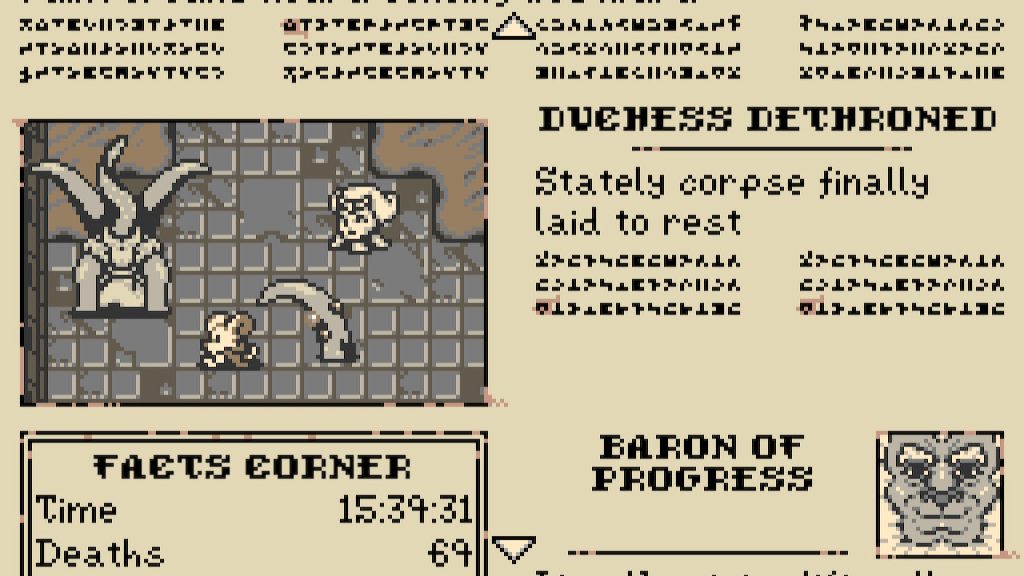
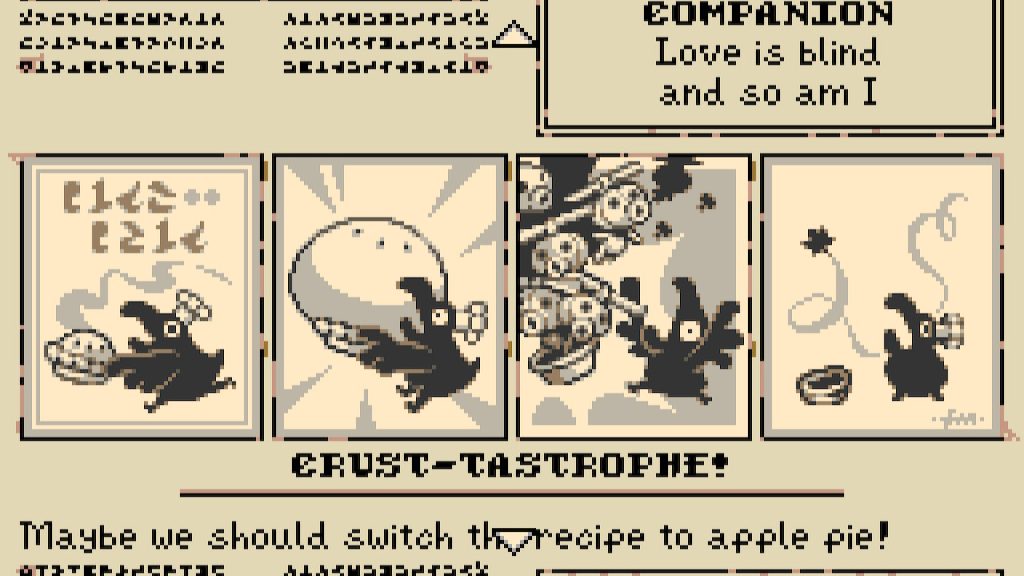
It’s not what you’d expect from a Soulslike in terms of difficulty, nor is its world structured like a classic Zelda title. It makes its own rhythm instead. As you walk the backstreets of Ossex and run into the many NPCs, you slowly grow attached to the city and its citizens. By the time the credits roll, the memory of its pixel-by-pixel journey is still lingering, so much so that you may find yourself missing it long after the screen fades to black.
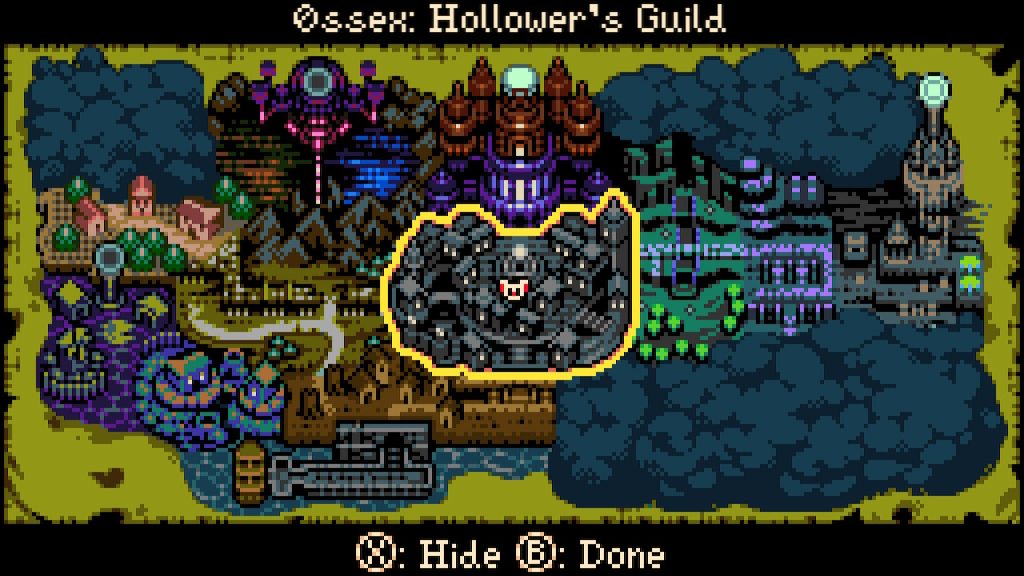
A world worth exploring
One of the strangest, and smartest aspects of Mina the Hollower is its take on exploration. You don’t get a map to start with. Later in the game, the only way to get a map is to complete a certain side mission, and even then it’s only a rough outline of major regions. It doesn’t give you a clear indication of where you are, unlike modern Metroidvanias.
The lack of guidance drives the game. You’re constantly traversing familiar routes, only to bump into something new—a secret room, a useful object, an uncharted pathway leading to a new NPC, a new quest, and an entirely new story thread.
Verdict
Mina is the perfect game for you if you didn’t grow up with Castlevania and Battletoads, if you didn’t play the Game Boy during its prime, and if you consider the classic Zelda adventures to be little more than legendary video games.
Not because it’s a featherweight retro throwback wrapped in nostalgic visuals, but because it captures one of gaming’s golden eras and delivers it in a modern package for just $20.
Here’s an experience that is at least 40-50 hours of good, satisfying gameplay. As if that wasn’t enough, a dedicated New Game+ mode breathes new life into the adventure giving you every reason to jump back in.
Mina the Hollower is far from flawless. Not having a map can be disorienting, especially for players used to having constant navigation help and objective markers in the modern day. The difficulty curve, particularly in the opening hours, can be downright unforgiving and may put off some players from pushing forward. Its story is also fairly straightforward, using familiar tropes that are easy to see coming.
But none of these shortcomings even slightly tarnish what makes Mina the Hollower so special. This is one of the purest and bravest action-adventure games to emerge in recent years.
At its heart, Mina the Hollower is a message about the health of video games. More importantly, it demonstrates that the most effective manner of storytelling is not necessarily via long cutscenes or cinematic spectacle, but within gameplay itself, through the player’s actions, discoveries, struggles and triumphs. Mina the Hollower trusts the medium, and in doing so, it proves everything that makes video games unique.
This review is based on the Nintendo Switch version
Score: 100/100

Other Articles
A Man Against the Odds | 007 First Light Review