


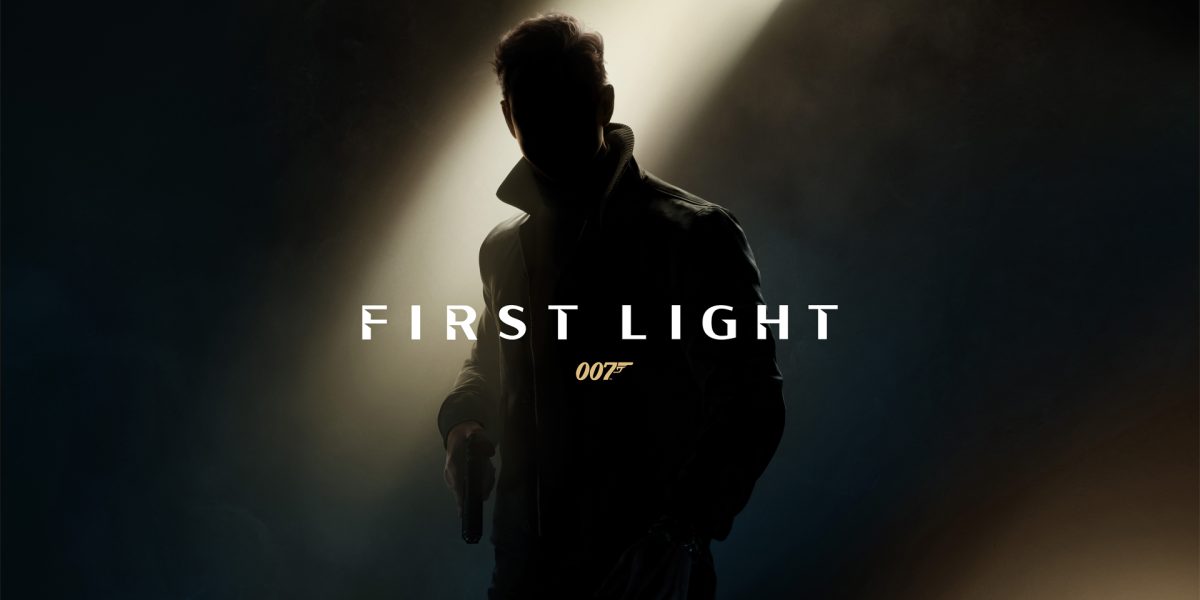

The Birth of a Legend
Action heroes usually become legends when they no longer have anything left to prove. James Bond, however, has always stood in opposition to that idea. He is not the strongest man in the room, nor the smartest person on the mission, nor even the one who consistently makes the most rational decisions.
Much of Bond’s identity is forged in moments when the odds are stacked against him, and success appears unlikely, yet he presses forward regardless.
That is precisely why, after years away from the world of video games, First Light feels like more than the return of a famous name. It is an attempt to rediscover the essence of James Bond: a man who chooses to pursue the impossible precisely because everyone else believes it cannot be done.
It’s an attempt to redefine what James Bond is all about: the man who, when everyone else says “impossible,” decides to make the impossible possible. Over the past two decades, there have been several Bond video game adaptations; some have tried to replicate GoldenEye, others have gone for Hollywood action. But First Light is the first work that has gone beyond creating 007, rather than repeating it.
Story | When James Bond Wasn’t a Legend Yet
Narratively, First Light goes beyond a simple spy narrative. The game invests significant effort in building meaningful relationships between Bond and the people around him. This may not seem like much at first glance, but as the story progresses, it becomes clear that these relationships are fundamental to its emotional impact.
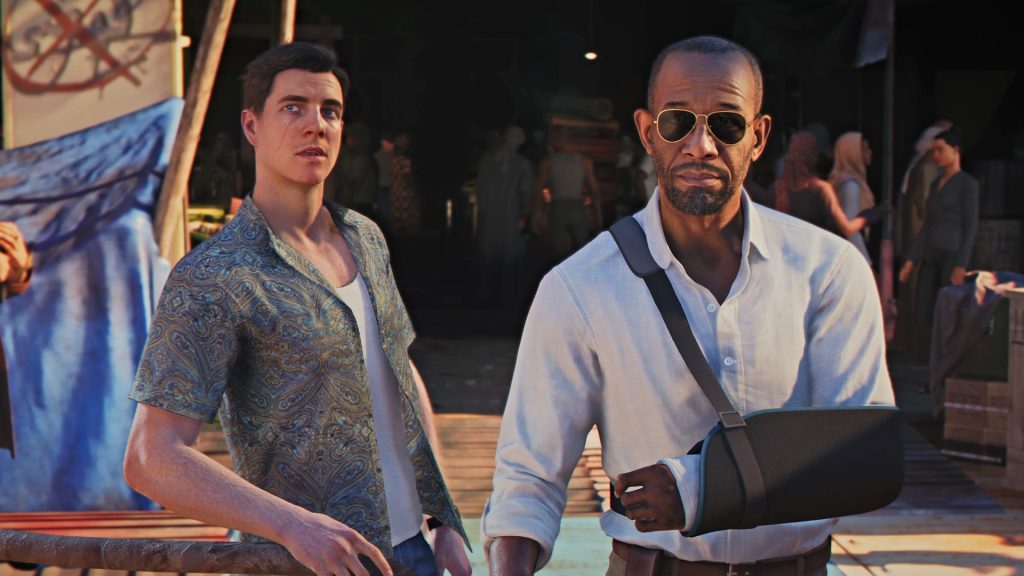
Greenway is the strongest example of this approach. What begins as a strained partnership gradually evolves into one of the narrative’s emotional foundations. First Light may not deliver the most complex spy plot of the year, but it succeeds in an area where many modern action games fall short: making the player genuinely care about the people standing beside the protagonist.

Yet the game’s greatest narrative strength lies elsewhere.
On the surface, First Light is about a young agent attempting to prove himself. Beneath that, it is a story about preserving one’s identity in the face of institutions larger than oneself.
Throughout the campaign, Bond repeatedly encounters individuals who attempt to force him into predefined frameworks. They view the world through experience, statistics, and probability. Bond sees it differently.
He refuses to walk away from an opportunity simply because success appears unlikely.
Perhaps no sentence can describe this better than M’s:
“Theia gave you less than one percent chance of success. You simply beat the odds.”
But even more importantly, Greenway’s valuable line:
“Don’t let it change you.”

Eventually, First Light is less about spying than it is about defiance. It is about a young man surrounded by experienced operatives whose entire worldview has been shaped by failures, setbacks, and hard-earned lessons, who refuses to surrender his identity to those limitations.
Bond makes mistakes. He takes reckless risks.
He often ignores advice that would be considered sensible. Yet those flaws are also what transform him into 007.
Gameplay | Spying Before Gunfire
Although the game offers a mix of stealth and action, you soon realize that the heart of the experience lies in the stealth.
The game’s systems are designed to serve this purpose. Ammo is limited, enemies quickly detect your location, grenades constantly pull you out of your position, and even the weapon system does not allow you to remain attached to a specific weapon for long. Unlike many modern shooters, where the player can keep their favorite weapon until the end, in First Light, you are repeatedly forced to abandon your weapon and use equipment found in the environment. The result of this design decision is that the combat never becomes static, and the player is constantly adapting to new conditions.

The game does not try to create a challenge simply by increasing the number of enemies or the amount of damage taken. Instead, it makes the environment part of the fight. Explosive tanks, destructible pillars, unstable structures, and explosive objects are present in almost every level. For this reason, in many conflicts, the best way to win is not necessarily to shoot more accurately, but to use the environment more intelligently. However, all these strengths cannot completely hide the main weakness of the action system: the limited variety of weapons. Although each weapon feels different and the game constantly encourages you to use different options, there are not enough of them to maintain a sense of discovery and variety until the end of the game.

Gadgets | The Signature of 007
No Bond adventure would be complete without gadgets, and First Light delivers a respectable collection of them.
Devices such as the Dart Phone, Q Watch, Flash Mine, and Shockwave Camera all convey the feeling of being a secret agent nicely. However, some of these tools are used less than expected in practice, and some of them are more for show. In contrast, equipment such as the Missile Pen or specialized tools has a greater impact on the course of the game.
Level Design | A Mission on a Global Scale
Level design stands among the game’s greatest achievements.
First Light constantly takes you to different locations, creating the sensation of participating in a genuinely global MI6 operation. Every location possesses its own visual identity and atmosphere, helping each mission feel distinct from the last.
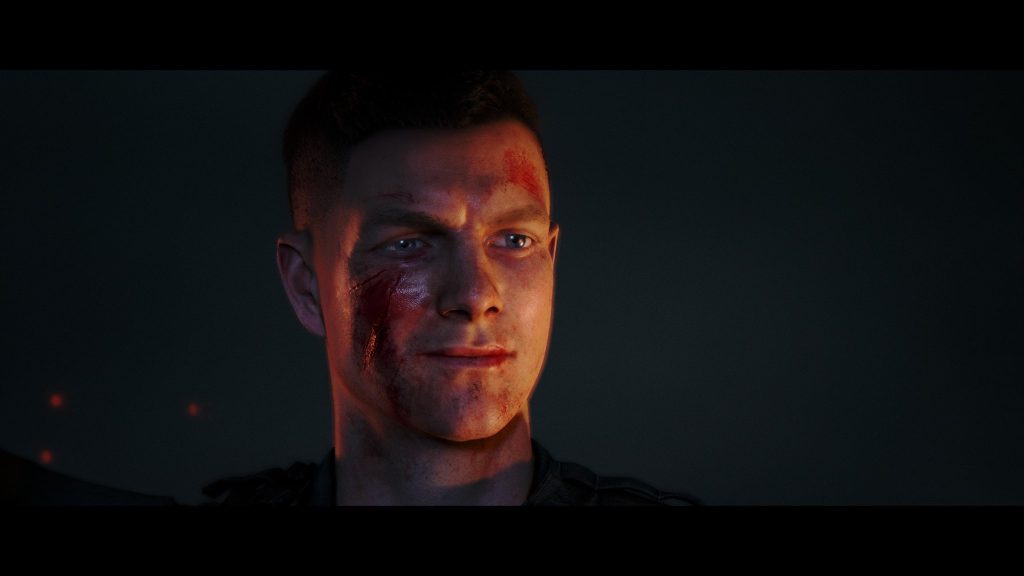
Among all the levels in the game, Chapter 8, or the Vietnam mission, is undoubtedly one of the best parts of the experience. It’s where almost all of the game’s strengths come together. The eye-catching environment, calculated stealth, tense action, and major story events make this level feel more like a James Bond movie than any other. If we were to choose just one level to represent the entire game, Vietnam would probably be the best option.

Weaknesses | When Not Everything Works
For all its successes, First Light is not without shortcomings.
The driving sequences, while visually impressive and varied in terms of vehicles, often feel excessively linear. The lack of meaningful player freedom causes many chase scenes to feel more scripted than dynamic, limiting their long-term impact.
On the other hand, the boss fights don’t appear to be up to the standard of the game’s overall glory. When the narrative, music, cinematics, and atmosphere constantly evoke the feeling of being in a great James Bond movie, you would expect the final confrontations to have the same level of excitement.
Cinematic Presentation | A Love Letter to Bond’s Legacy
Where First Light truly distinguishes itself is in its presentation.
The direction, editing, music, cinematography, and mission pacing are executed so effectively that there are moments when it becomes easy to forget you are playing a video game at all.
This is where the developers’ understanding of Bond’s legacy becomes most apparent.
The game is filled with references to classic films, including From Russia with Love, Dr. No, and Live and Let Die. More importantly, these references never feel like cheap fan service. Instead, they reflect a genuine understanding of what has kept James Bond culturally relevant for more than sixty years.
The most effective homage, however, is reserved for the final moments.



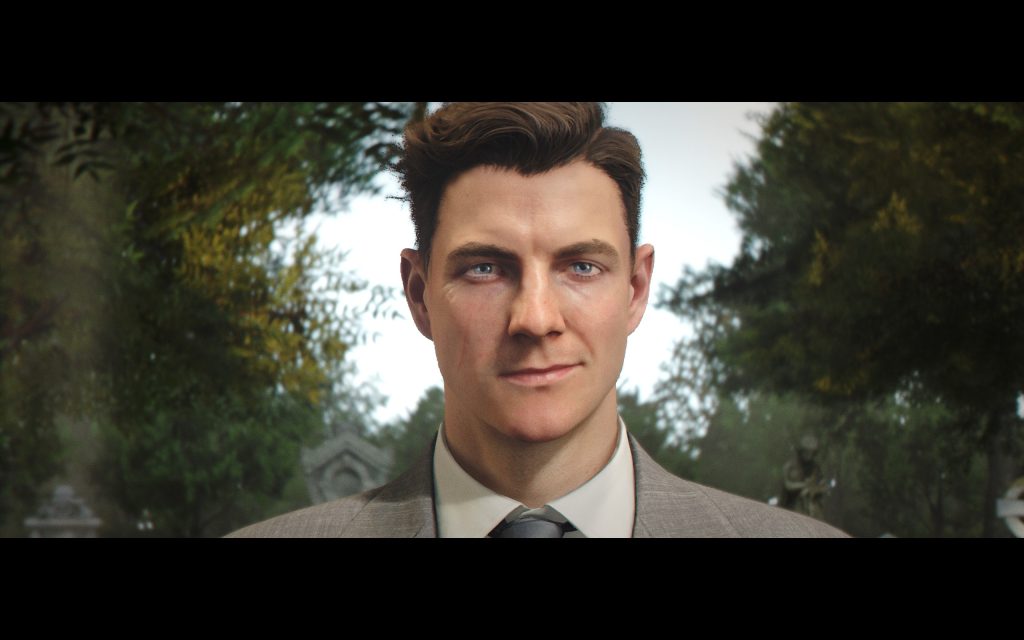
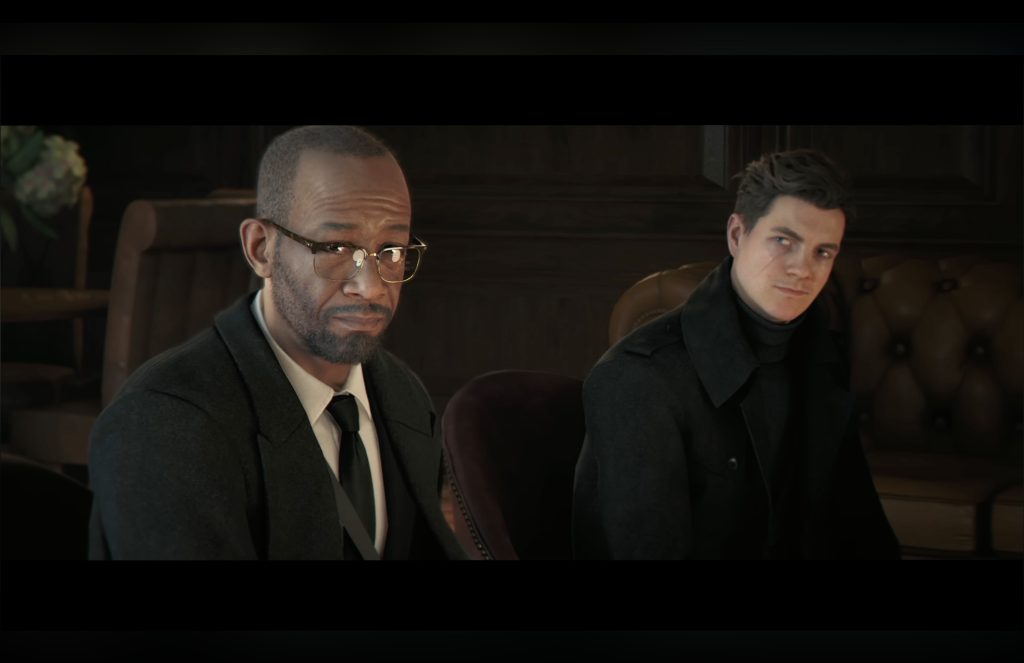
As the story concludes, First Light deliberately recreates the iconic Goldfinger gun-barrel sequence. Bond fires directly at the camera. Blood washes across the screen. The classic Bond theme begins to play.
What makes this moment particularly brilliant is its placement.
Rather than appearing at the beginning, where audiences might expect it, the sequence is reserved for the ending. Symbolically, this decision is remarkably powerful because only in that moment does the game reveal what it has been building toward all along.
This was never simply another James Bond adventure; it was the story of how James Bond became James Bond, and 007 has finally been born.
For longtime Bond fans, it is easily one of the most satisfying and emotionally rewarding moments in the entire experience.

Conclusion | The Birth of 007
In the end, First Light succeeds where many modern adaptations fail. It does not simply borrow Bond’s appearance. It understands what makes the character special.
This version of Bond is still learning. He makes mistakes. He takes risks. He ignores advice from people who know more than he does.
Yet those flaws are exactly what make him compelling.
The gunplay could have offered more variety. The boss fights could have been more ambitious. The driving sections could have provided greater freedom.
Even so, none of those issues takes away from what First Light achieves.
At its core, the game understands the most important part of James Bond: a man who is willing to challenge impossible odds.
And that is why, when the credits roll alongside a direct tribute to Goldfinger, it no longer feels like the end of a video game.
It feels like the birth of a legend.
This review is based on the Playstation 5 version
Score: 90/100

Other Articles

Map Map – A Game About Maps Review



Loved how you broke down all the pros and cons so clearly🤍