


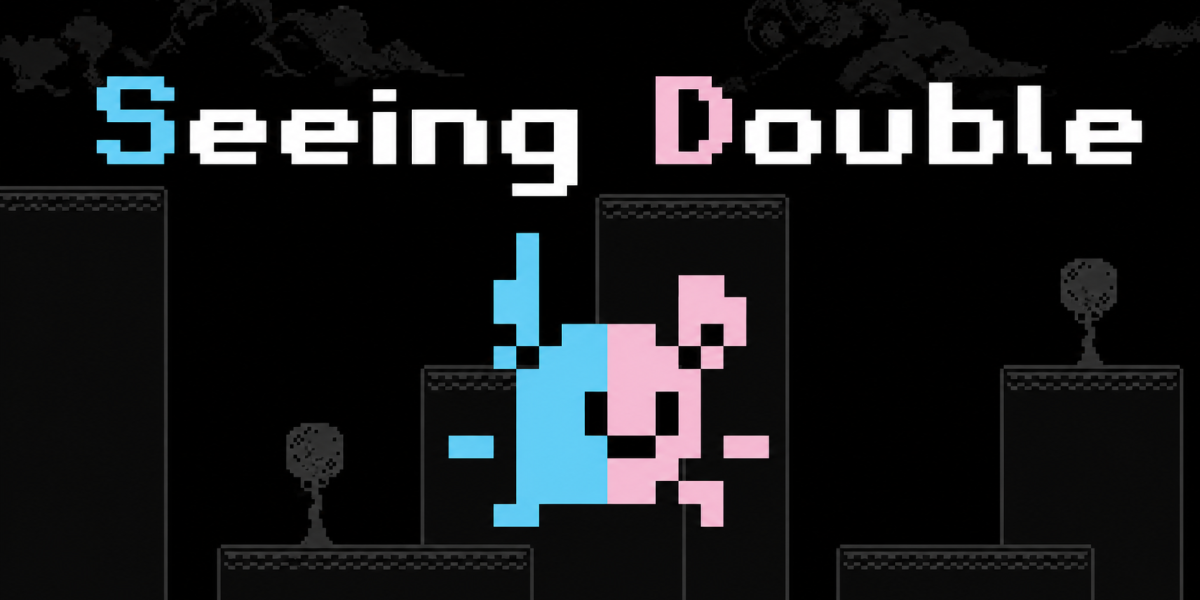

I didn’t really expect to like Seeing Double when I initially started seeing it. It looked like a typical puzzle game with clean images, a minimalist art style and a serene ambiance and I thought it would run out of ideas after a few stages. But within minutes of tapping “Start,” I had entirely altered my mind. The farther I went, the more I realized that the simplicity of the game was only a cunning cover of a very smart design. Even in its early stages, Seeing Double managed to hook me in, making me feel that there was a creative twist lying just around the corner for every new problem.
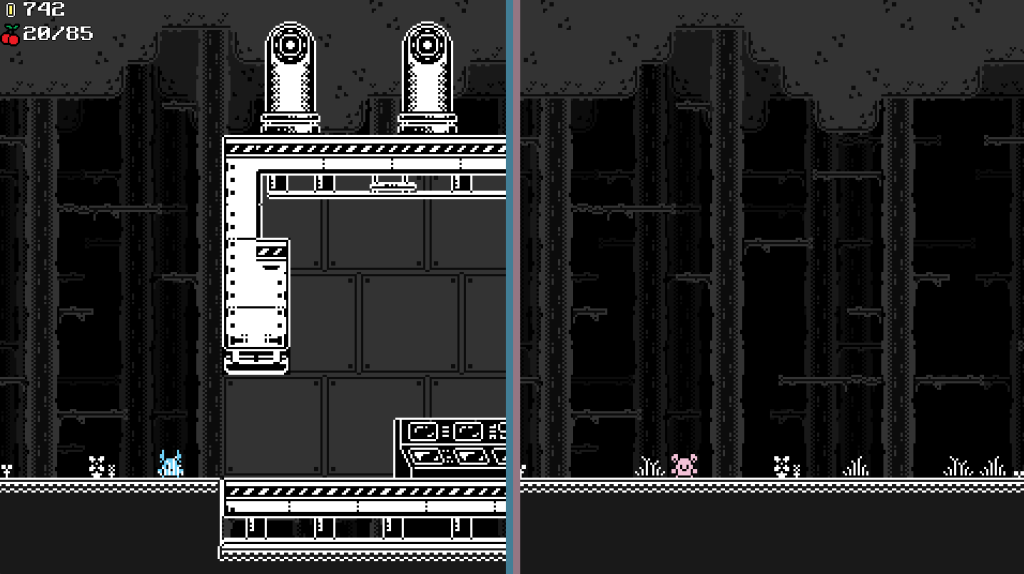
I think the best thing about Seeing Double is the puzzle design. Instead than merely ramping up the difficulty like many genre titles, Seeing Double is designed to bring in new ideas at the appropriate pace. Nearly every time I thought I had the game figured out it would introduce a new feature or cunning twist that would force me to reconsider my strategy. That feeling of ongoing discovery kept the experience intriguing throughout, and I never felt like I was solving the same riddles over and over again.
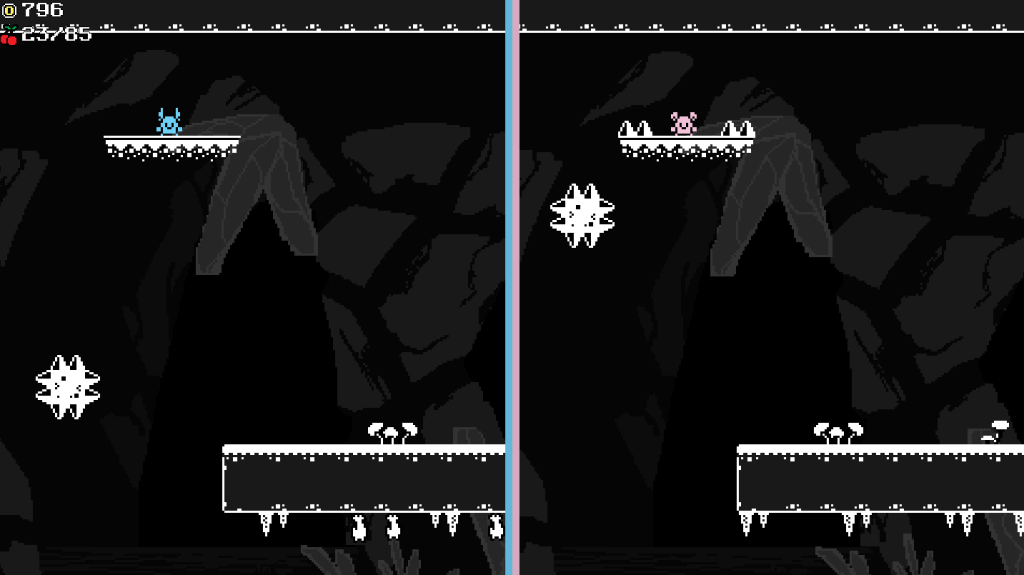
At the heart of Seeing Double is a gameplay mechanic that involves two parallel realities. It might sound like a fun idea on paper, but once you get into the puzzles you rapidly realize that almost every challenge is built around this main mechanism. I found myself watching both sides of the screen at the same time more frequently than not, because an action in one realm could immediately impact the other or perhaps obscure the key to solving the problem. It produces a constant back and forth between the two perspectives, making it impossible to focus on just one side, adding a delightful layer of mental multitasking to every level.
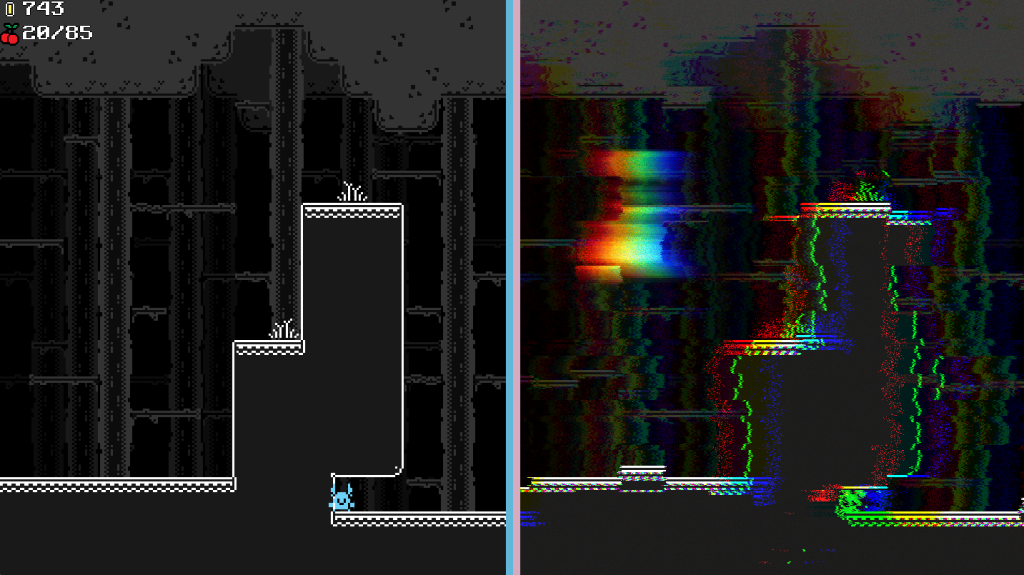
But what I liked most was the sheer variety of the riddles in the game. Each level provides an interesting new idea to surprise you. At various moments I had to move the tree branches to create a new path. To some, success was the discovery of the secret connection between the two worlds. And occasionally the answer was simple enough to be the most subtle visual feature that could be overlooked. That steady influx of new ideas gave each level a personality and had me really curious to see what the next problem would be.
Another thing I particularly liked is that the gamer is treated with respect by Seeing Double. Where many puzzle games seem to be continually telling you what to do, it trusts you to work out the rules of each level for yourself. There were times I’d get stuck on a puzzle for a few minutes, but the thrill of ultimately putting everything together made every second of that thinking time worthwhile. The game promotes curiosity and observation, and logical reasoning, rather than just giving you the solutions, and that’s what makes the solving of its puzzles so enjoyable.

Special attention also goes to the game’s hint system. If you become too stuck on a puzzle, the game gives a modest nudge with little, faint blue and pink orbs that steer you toward the appropriate solution. What I enjoy is that the game doesn’t just give you the answer. Instead it nudges you back on to the right road without taking away the thrill of working the puzzle out. It feels to me like one of the most well thought out tip systems that I’ve seen in a puzzle game.
At first sight, Seeing Double may seem deceptively basic as a piece of art, but as you dig deeper you realize that every design decision is deliberate. The settings are simple and uncluttered, with no extraneous visual noise to distract you from the problems. As a result, you’ll automatically find your attention pulled to the mechanics, and the small environmental features that often provide the secret to progression. It’s not the sort of game that taxes modern hardware, but it’s just the type of visual experience that this genre demands for. Sharp, functional, and well matched to its gameplay.

A nice surprise was the sound design, too. The music is great and fits the game wonderfully. It never gets in your way or distracts you when you are focusing on the tasks. It’s the little ambient details that truly shine through, beyond the music: things that make gentle sounds as they move, birds that flutter away as you approach, and other little environmental touches that make the scene feel shockingly alive. Individually these components can seem slight, but together they provide a serene, absorbing experience that meshes perfectly with the game’s meditative rhythm.
If there’s one area I wish Seeing Double would have gone a little further, it would be the tale and finale. The game sparked a few questions in my mind from the start. Why does this world exist in this way? The objective of the two parallel universes is, do they fit into a bigger story, or are they just a smart puzzle framework? I figured at least some of those riddles would be solved when I got to the climax. Instead, the game prefers to keep its uncertainty. That technique has a certain appeal, but I would have liked a bit more payoff that would offer some more light on the universe and its underlying mythos.
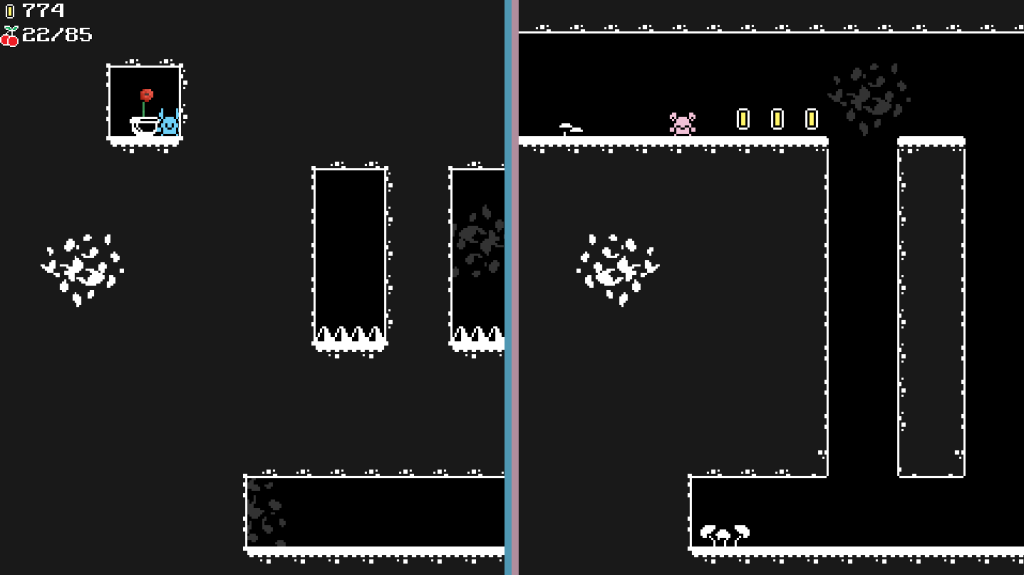
Another drawback I would point out would be the odd surge of difficulty. There are a few puzzles that feel much harder than the ones that came before them, and this can result in players getting stuck on one level for a good amount of time. But fair to the game, these riddles are virtually always based on sound internal logic. Often when you arrive at the final answer, it is one of those rewarding moments when you realize that the answer was right in front of you all along. That said, a more gradual difficulty curve would have made the overall experience feel a little more consistent.
Final Verdict
All in all, Seeing Double is one of the more delightfully surprising puzzle games I’ve encountered in recent years. It made me realize you don’t necessarily need state-of-the-art graphics or an elaborate story to craft a remarkable experience. Sometimes a basic idea, carried out with originality, confidence and smart design, is more than enough to leave a lasting impression.
So why did I give Seeing Double a nine out of ten at the end of the day? It was not just the excellence of the puzzles, but how the game made me feel along the entire journey. Each level was an encouragement to continue and I was constantly excited to see what smart new idea the next puzzle would have for me. That’s a rare trait for any puzzle game, and it’s precisely what makes Seeing Double so easy to recommend.
This review is based on the PC version
Score: 90/100

Other Articles



Hi! I’m Dirk, the developer of Seeing Double. Thank you for playing my game! It is in Early Access so the story is not yet finished, more content is on the way!
The mention of two parallel realities caught my attention right away. I find it fascinating how the game respects your intelligence by letting you figure out the rules. Who would’ve thought moving tree branches could lead to such surprising paths? The ambient sound details, like birds fluttering away, really breathe life into the experience and add a refreshing touch.