


When I first saw A Plague Tale: Innocence, I was immediately excited. That doesn’t happen to me very often—very few trailers or gameplay showcases are enough to make me genuinely impatient for a game’s release. But there was something almost magical about that first A Plague Tale. While many players remained skeptical, I couldn’t wait to uncover the mystery behind those infamous rats and experience that striking gameplay for myself.
When the game finally arrived, it delivered exactly what I had hoped for. I enjoyed it so much that I found myself desperately hoping Asobo Studio would eventually return with a sequel. And thankfully, it did. A Plague Tale: Requiem was announced as the next chapter, bringing Amicia and Hugo’s journey toward its conclusion.
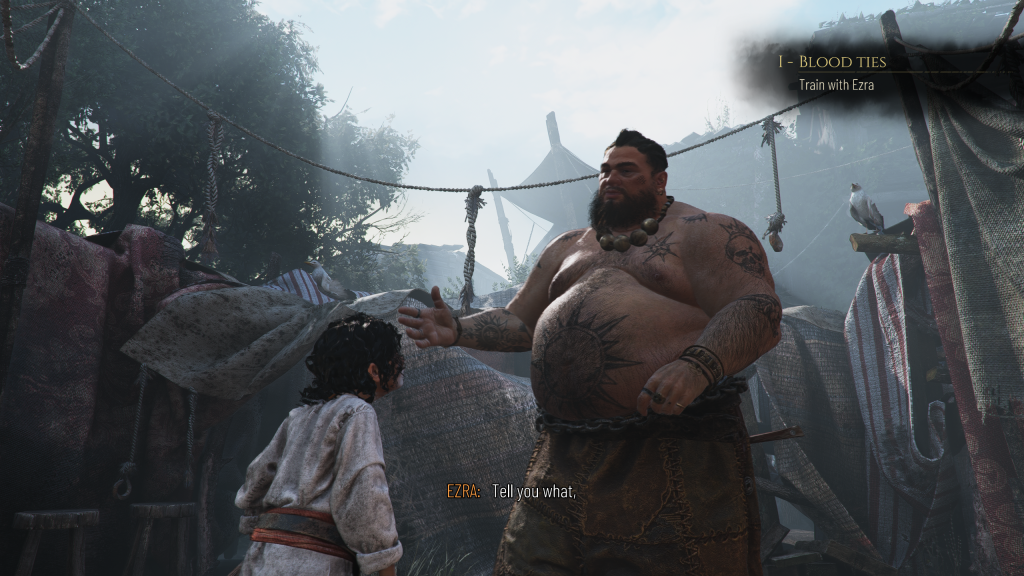
After finishing Requiem, I remember sitting back in my chair, thinking about its beautiful ending while another thought kept lingering in my mind: the world of A Plague Tale still had more stories to tell. Asobo didn’t necessarily need to abandon this universe. The same foundations and the same world could still support entirely new stories.
But what story could possibly come next? The rats had seemingly run their course, and Amicia and Hugo’s journey had already said what it needed to say.
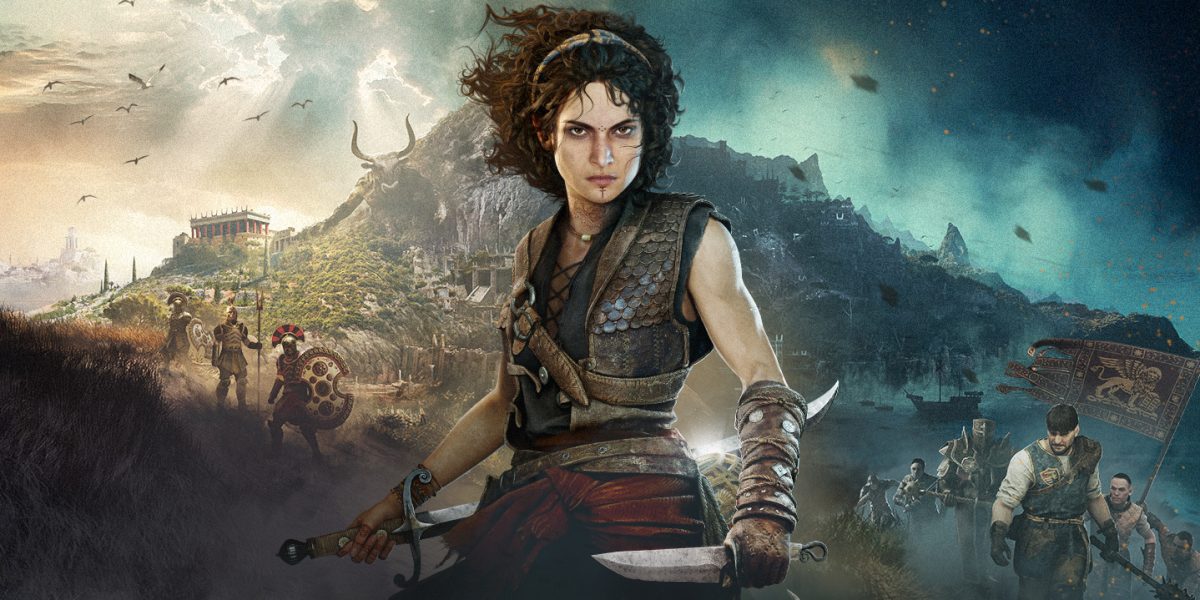
Then came the announcement of a third game—and suddenly, the answer became clear. This time, there were no rats. No Amicia. No Hugo. This time, the story belonged to Sophia.
Resonance: A Plague Tale Legacy is a gripping story that doesn’t require fancy twists or overcomplicated plots. But its biggest issue is how much it leans into storytelling in the initial stretch. At some time, you might actually find yourself thinking, “Enough already. “I want to actually play the game.” But give it an hour tops and that aggravation begins to fade. When Resonance really opens up, practically every facet of the experience becomes much more delightful.

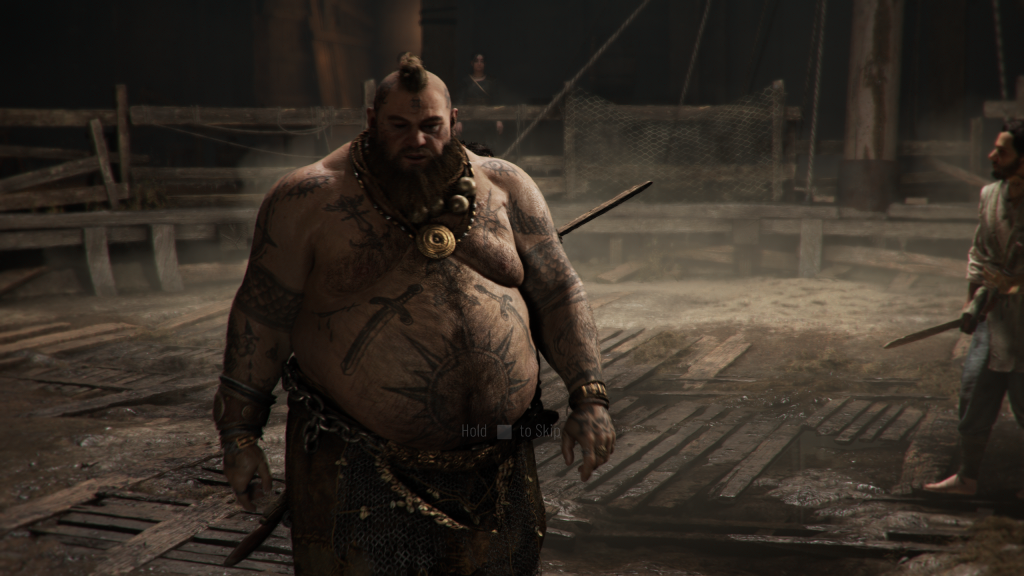
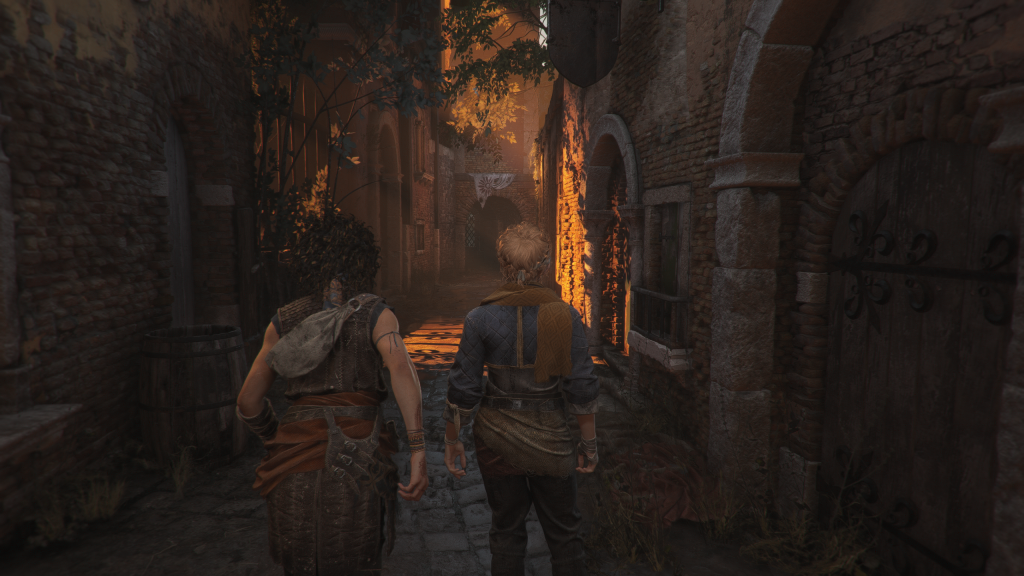
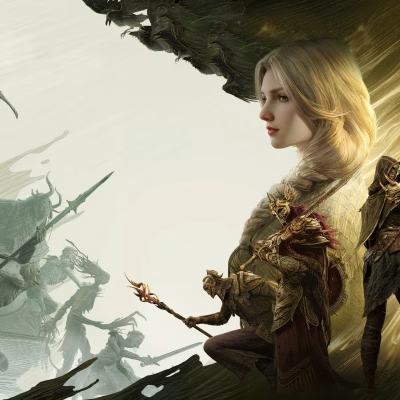
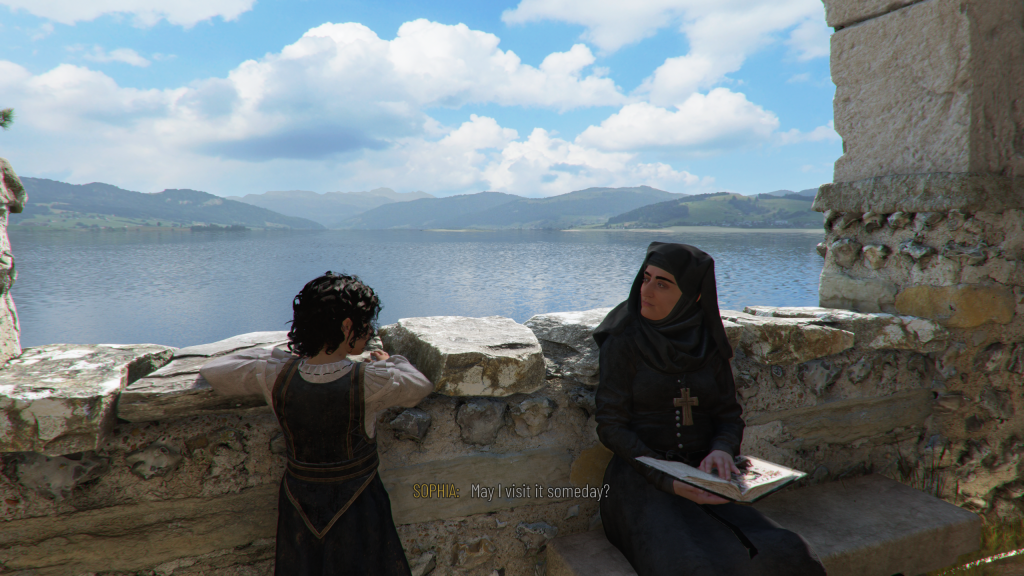
This time the story is about Sophia and starts from her childhood. Her mother sends her to a convent at an early age, which changes the path of her life. There the nuns inject Sophia with a strange drug, and she begins to have odd visions of a Greek warrior. Soon, during an operation, Sophia’s father, Alek, leader of a group of raiders and smugglers, raids the convent and rescues her. But no matter how she runs from the convent, the visions follow.
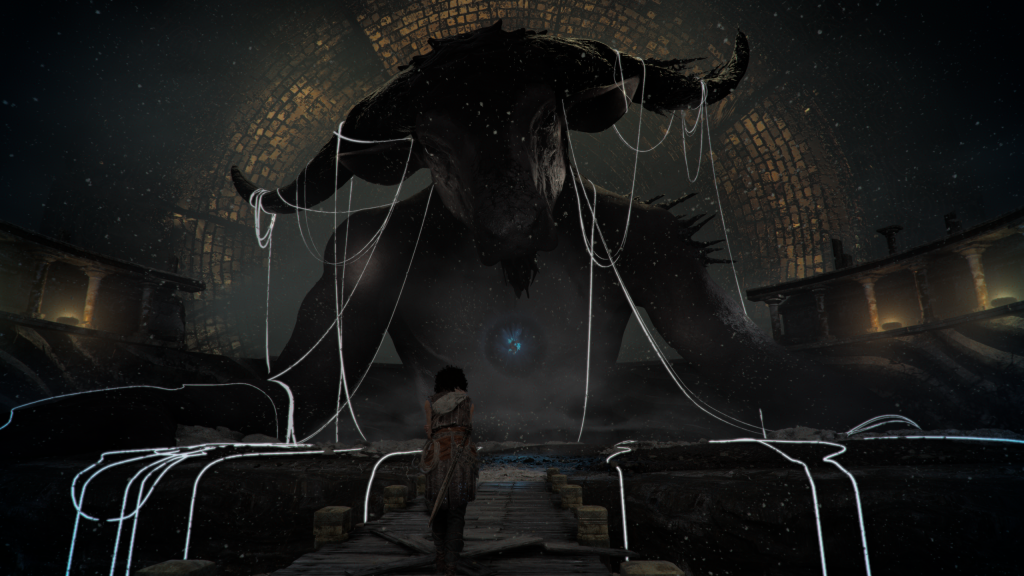
Alec tells Sophia that he will discover the source of both the unknown substance and the nightmares that are troubling her. The story becomes much more interesting from here on, especially as the inspiration of the myth of the Minotaur, one of the most famous legends of ancient Greece, starts to give the story a better identity.
Eventually, Sophia and one of her closest friends, Leni, embark on a tough journey to grasp the meaning of her visions and to identify the source of the drug that created them. And here’s the heart of Resonance: A Plague Tale Legacy’s surprisingly fun story.
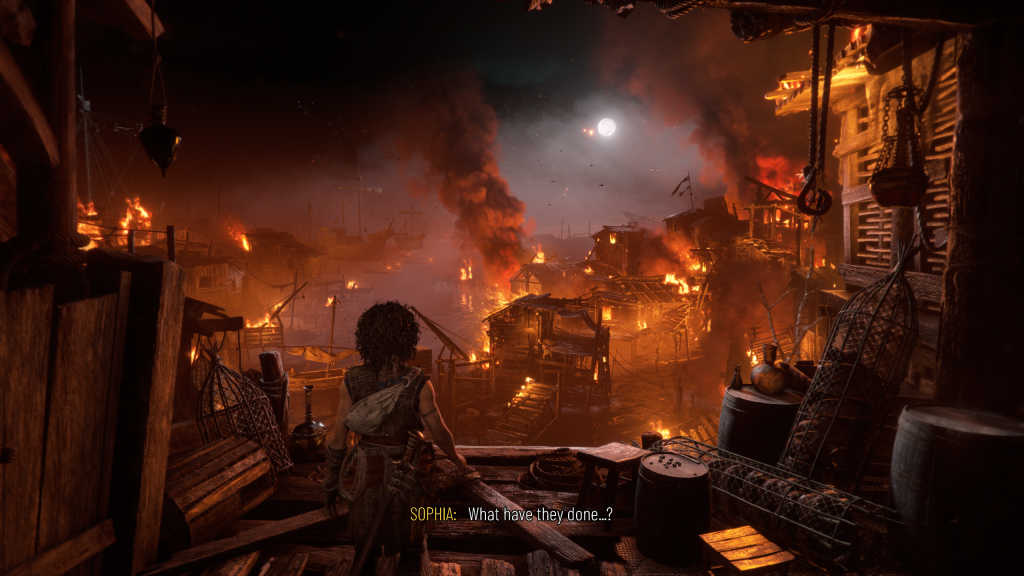
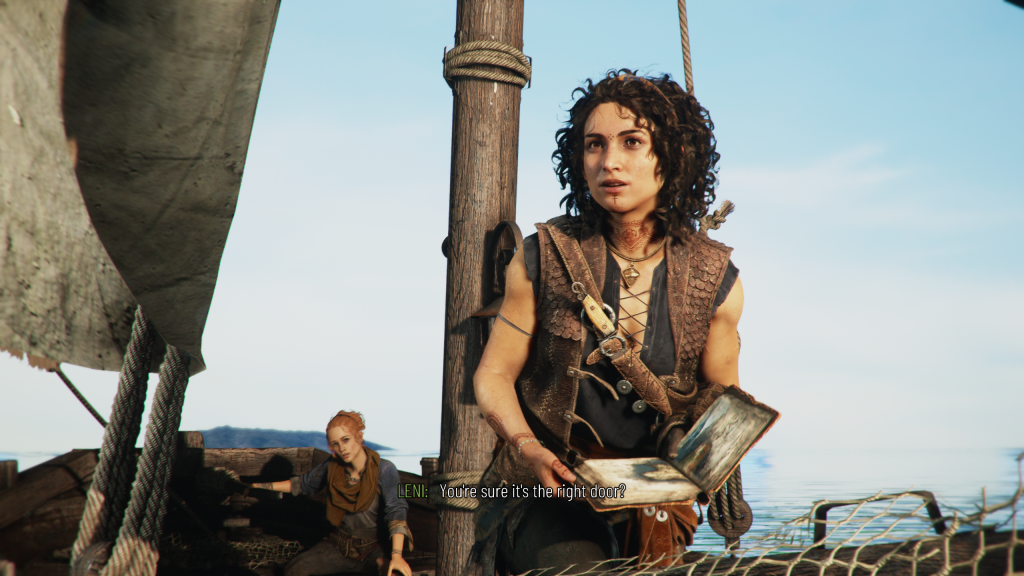
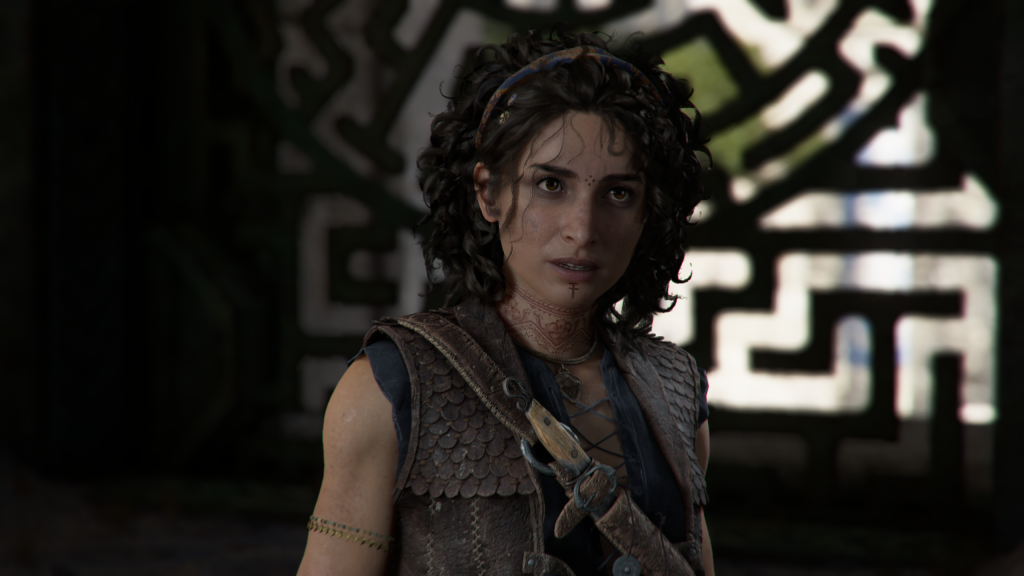
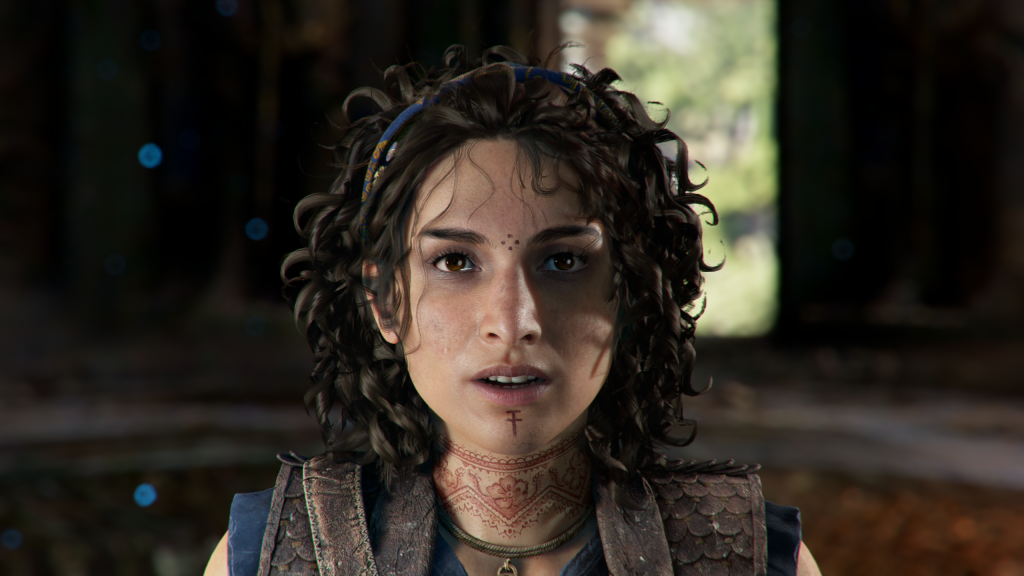
It doesn’t have a convoluted plot or surprising revelations every few minutes. Rather, it’s the blend of confident writing, solid voice acting, emotive character design and the story’s own strengths and shortcomings that make the voyage worth taking. Dipping into Greek mythology, but still adding their own ideas to the material, the writers have crafted a story that deserves a third part in such a renowned series. And at the end of it all, when the credits roll, you can say: “That was interesting.”
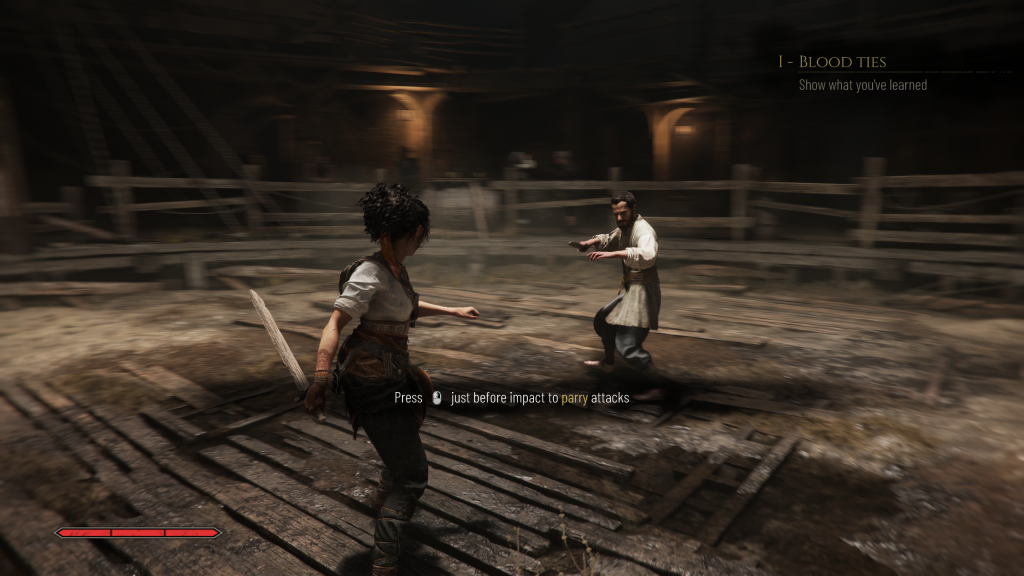
If you’ve played the previous two games in the series, Resonance’s gameplay will almost likely surprise you, not necessarily because it’s fantastic, but because it seems so wildly different. The first two A Plague Tale games were defined by the rats, and stealth was a big element of the experience. Many of the riddles also used Hugo’s ability to manipulate the swarms. This time, though, it is rather different. Sophia has picked up a sword and it has altered the whole gameplay concept.
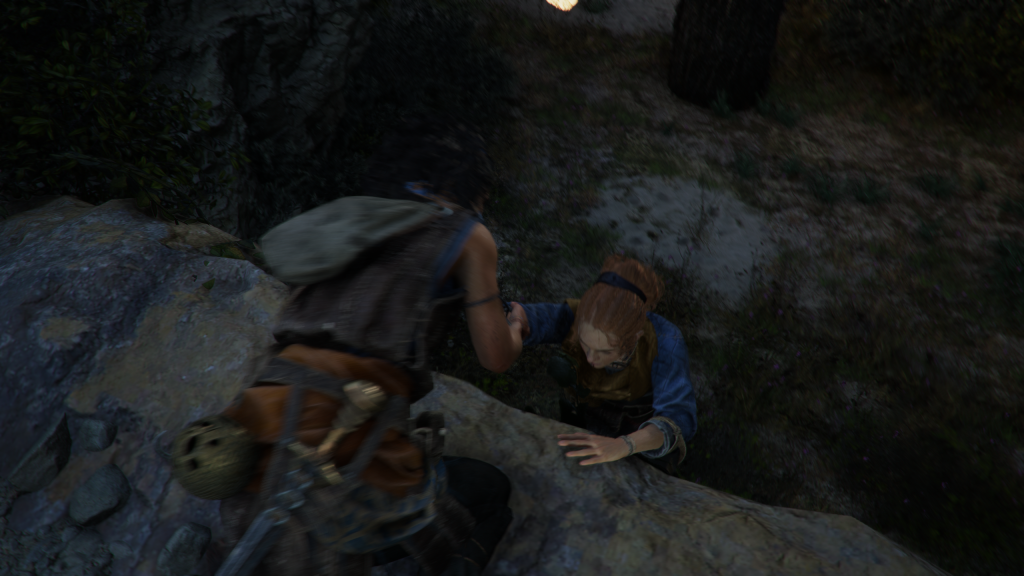
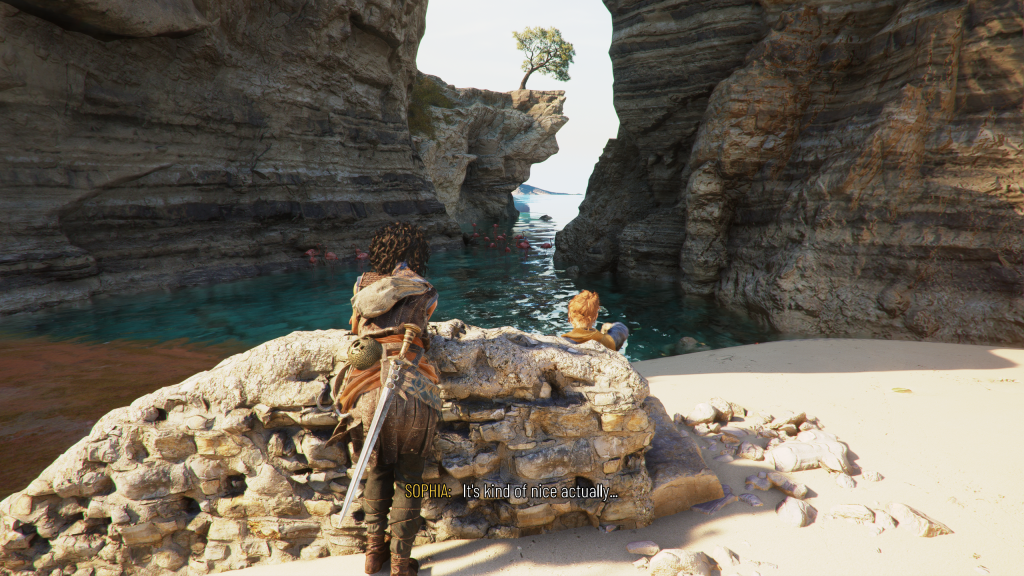
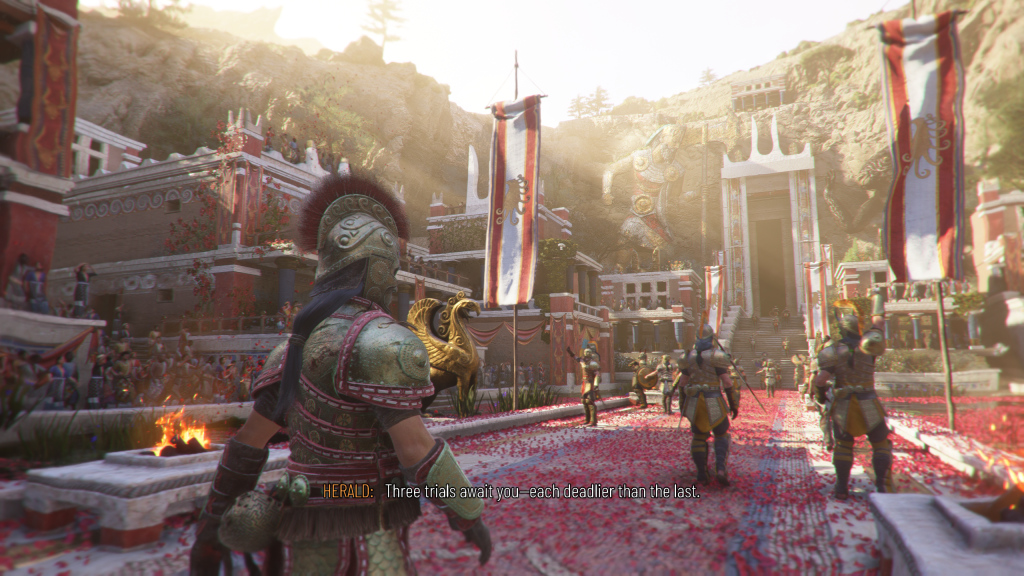
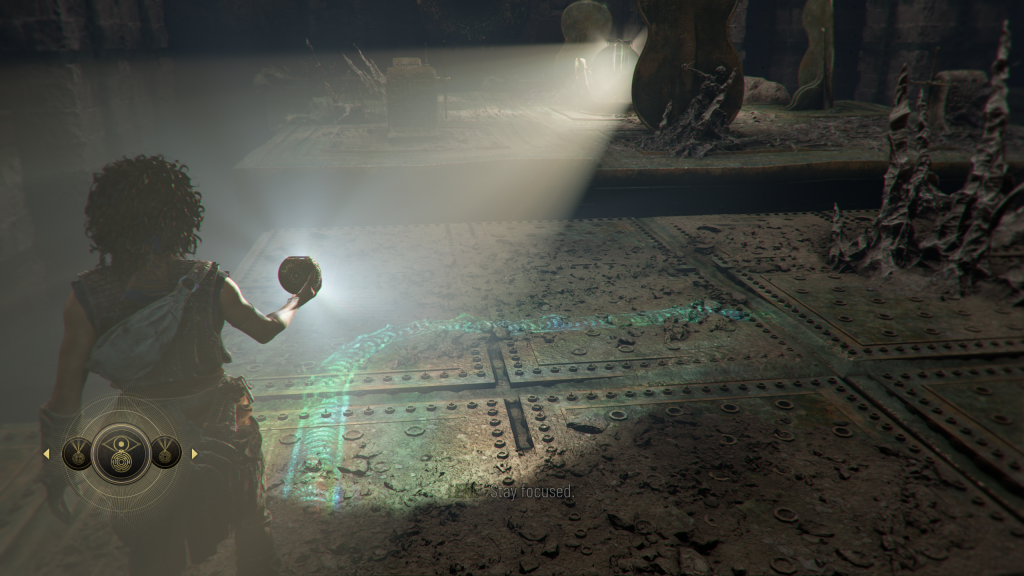
Resonance is definitely looking for an aggressive, action-packed and varied combat. The question is if it truly manages to retain that kind of variation throughout the game. Unfortunately, the solution is not quite so.
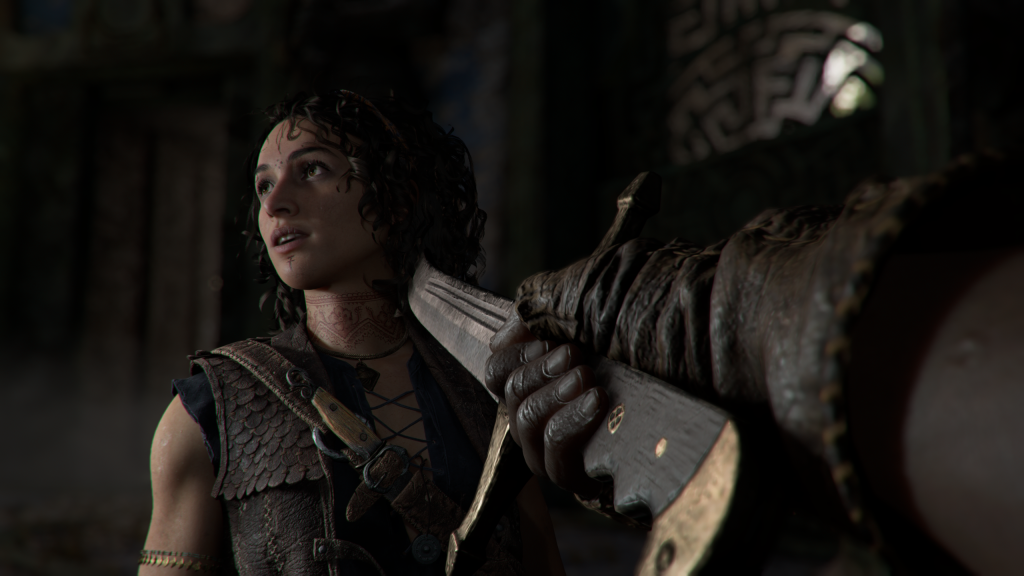
Sophia has a whole lot of tools in her tool belt. You’ll find no less than six different swords throughout the game, enhance her talents by a large degree, combine attacks with a dagger and use a grappling hook in fight. There’s enough on paper to suggest a fairly diversified action system.
But it is simply not enough. At some point, the encounters and the monsters start to fit more and more recognizable patterns. Once you’ve sampled what the battle system has to offer, Resonance has a hard time introducing substantial new ideas, and what feels like a dramatic reimagining of A Plague Tale at first slowly becomes repetitious.
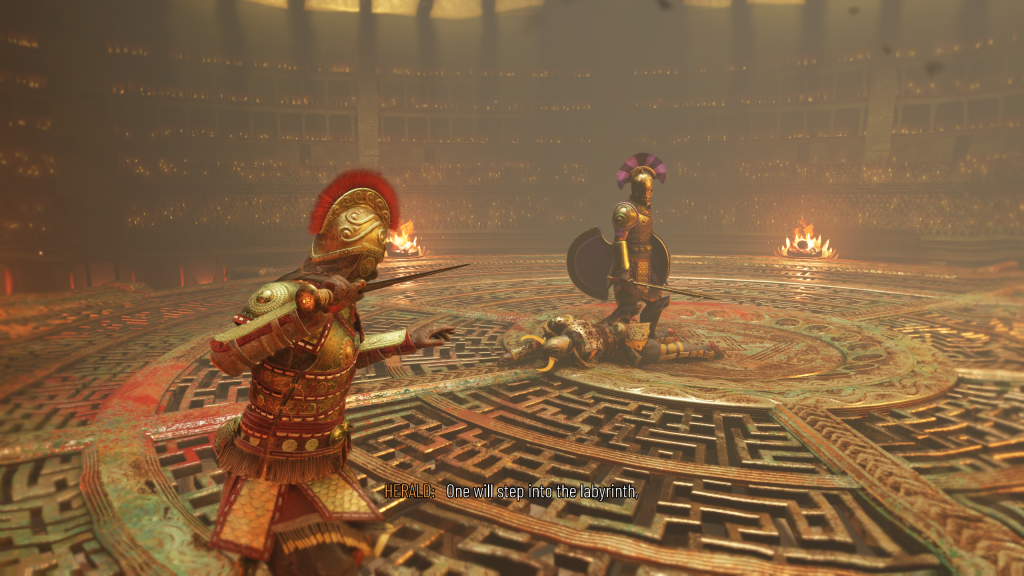
To be fair though, the Ancient Greece sections certainly spice things up a bit. Combat feels a little different, and even the animations assist give these scenes their own unique vibe. But the battle never quite lives up to its potential, either. The story throws a range of enemies into the mix and the scenarios keep changing, but the repetitious nature of the core combat system eventually takes some of the fun out of these clashes. Thankfully, the more diverse enemy lineup, particularly in the final stages, does enough to ensure the game never becomes downright boring.
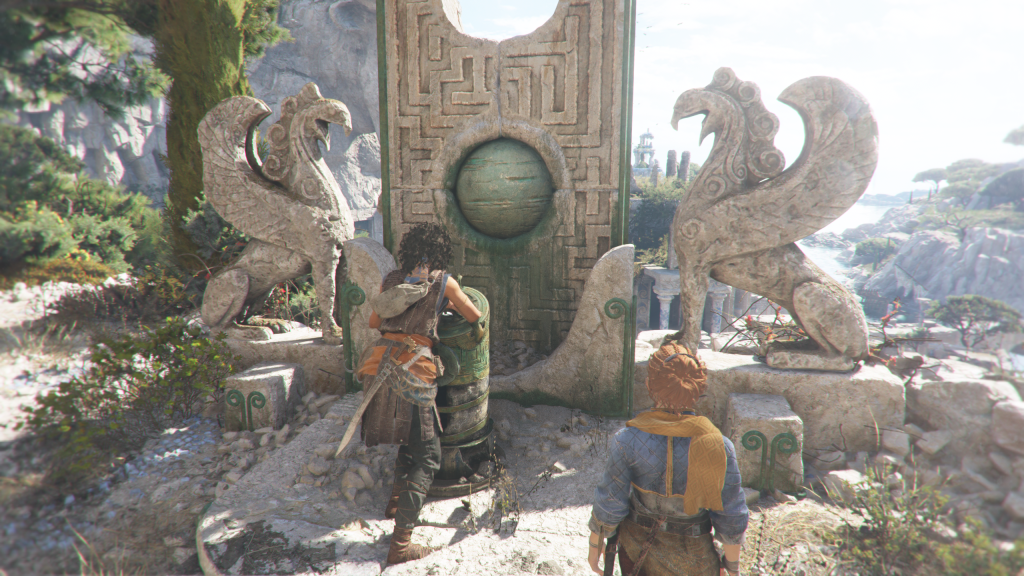
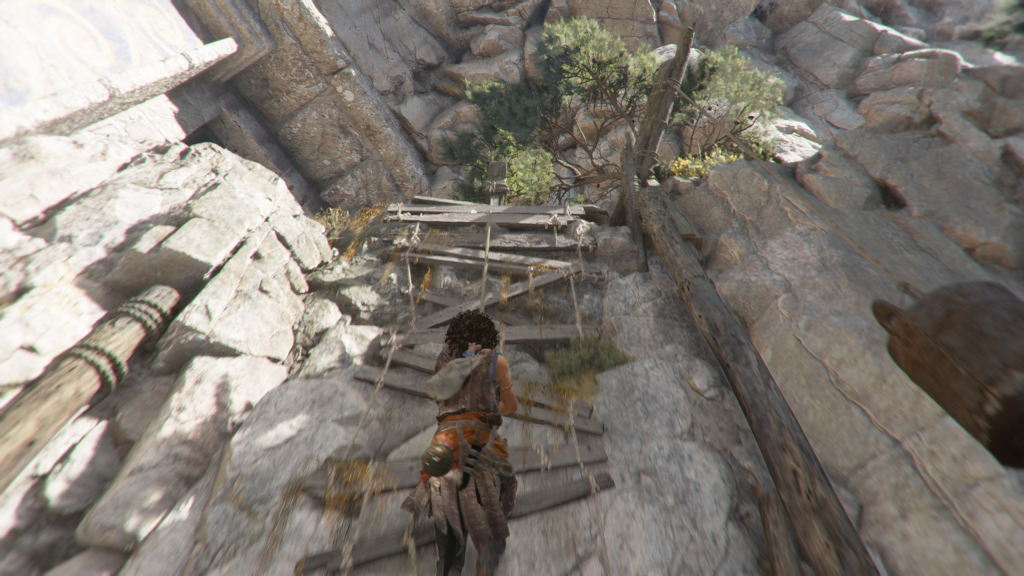
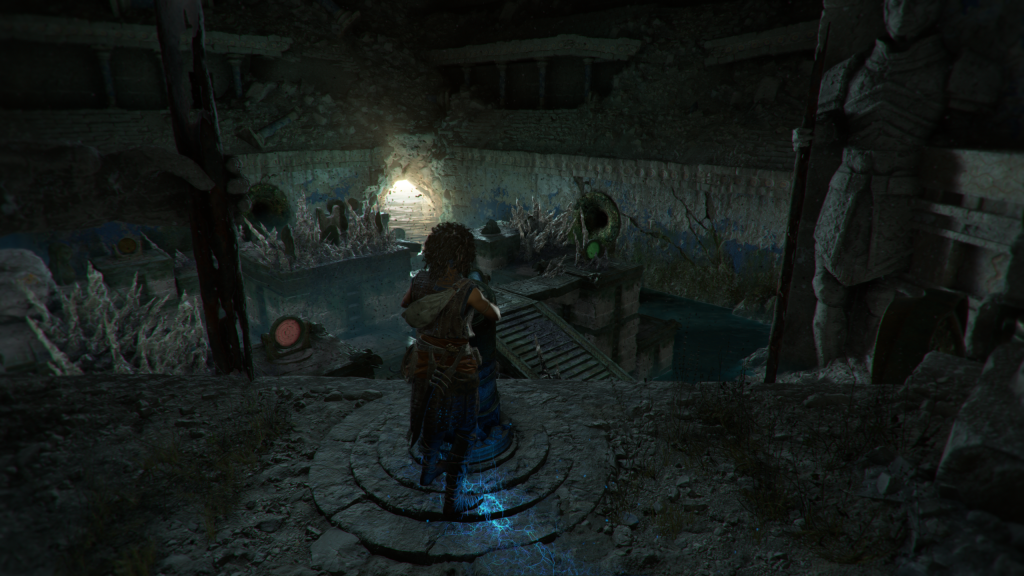
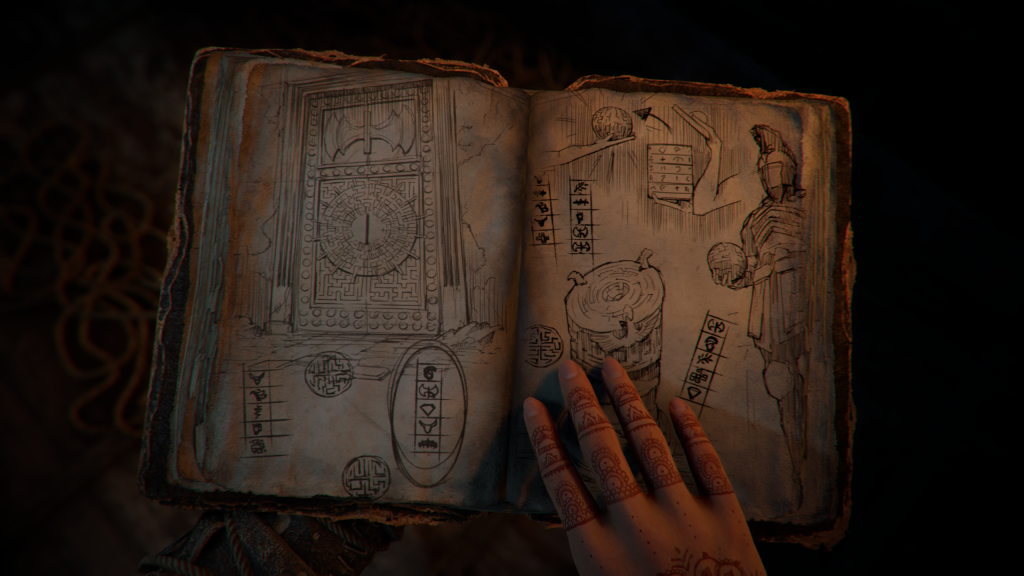
Opposing the gameplay side of the equation are the puzzles, and this is perhaps where most of the interest of Resonance lies. They are always in a state of flux based on the story and the situation you’re in. Sometimes you’re working on a classic environmental puzzle, and other times, the puzzle is simply how to get away from a monster that’s after you.
What makes these sequences fun is the natural way of giving the solutions. Resonance doesn’t often have the kind of challenge that makes you jump directly to YouTube for the answer. Instead, pay attention to your surroundings and listen to what the actors are saying and you’ll typically get a hint of where to go.
One of the game’s biggest assets is that balance. They’re tough enough to make you think without being needlessly frustrating, and since they are so seamlessly integrated into the plot you feel like you’re making actual progress every time you crack a problem rather than hitting a roadblock between you and the next story beat.
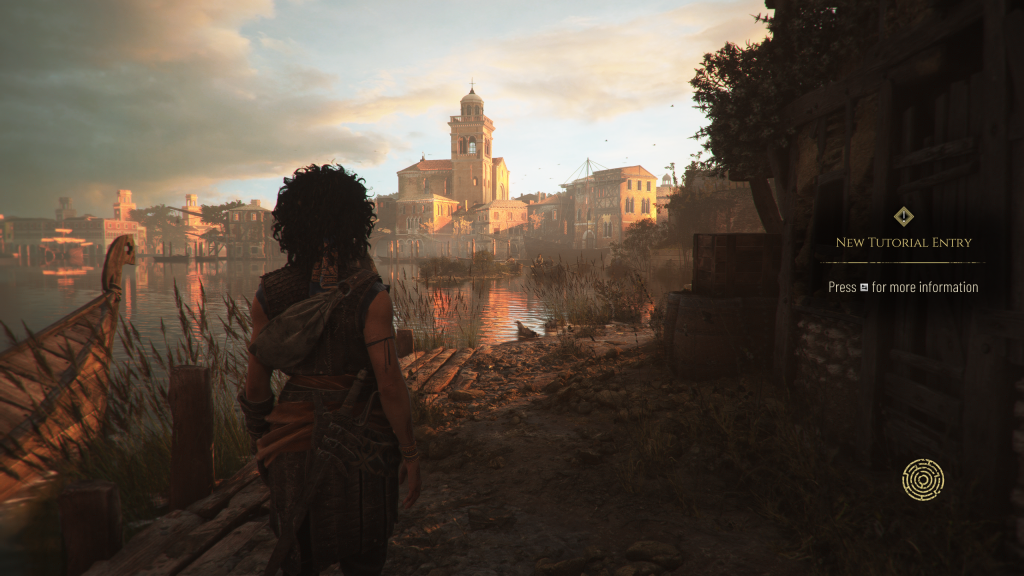
But for a moment, let me set everything else aside, and sum up this final section – and in many ways the whole experience – with this one simple sentence: Resonance: A Plague Tale Legacy is stunning.
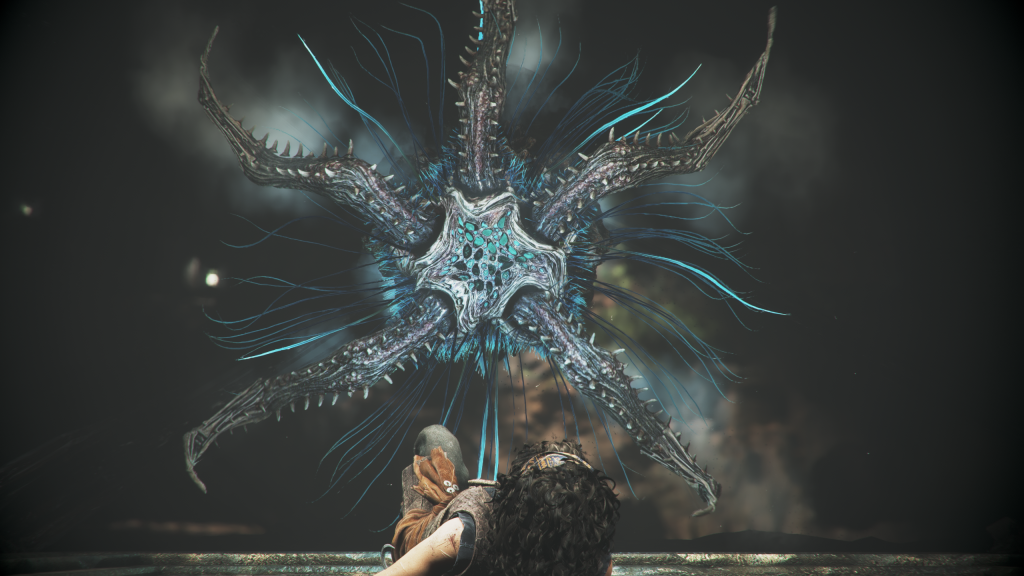
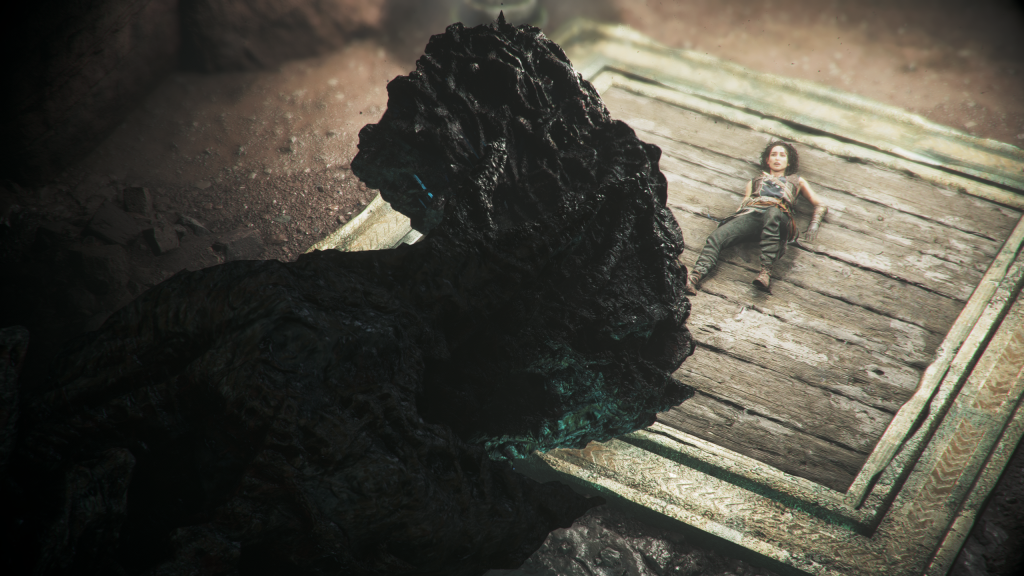
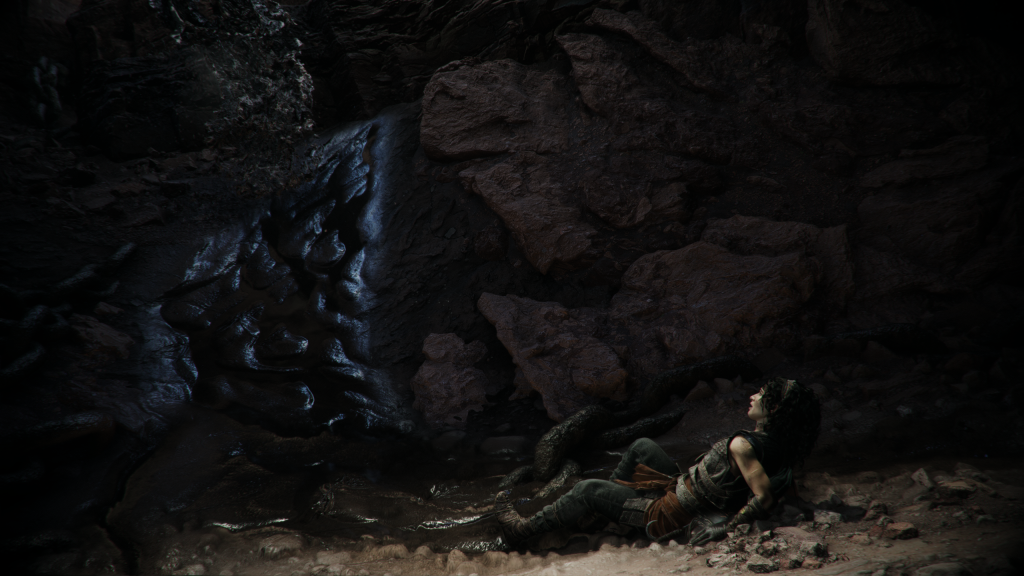
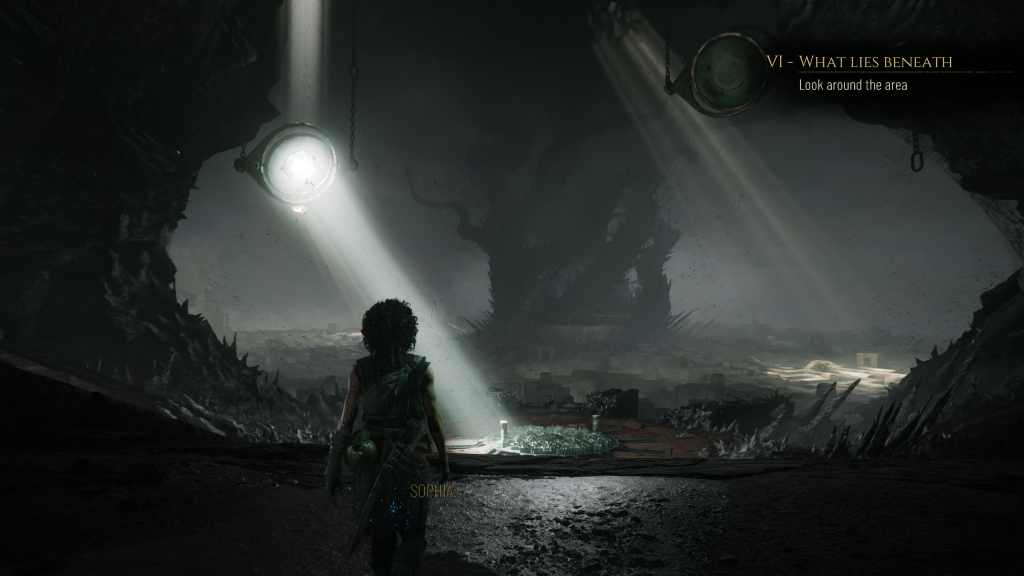
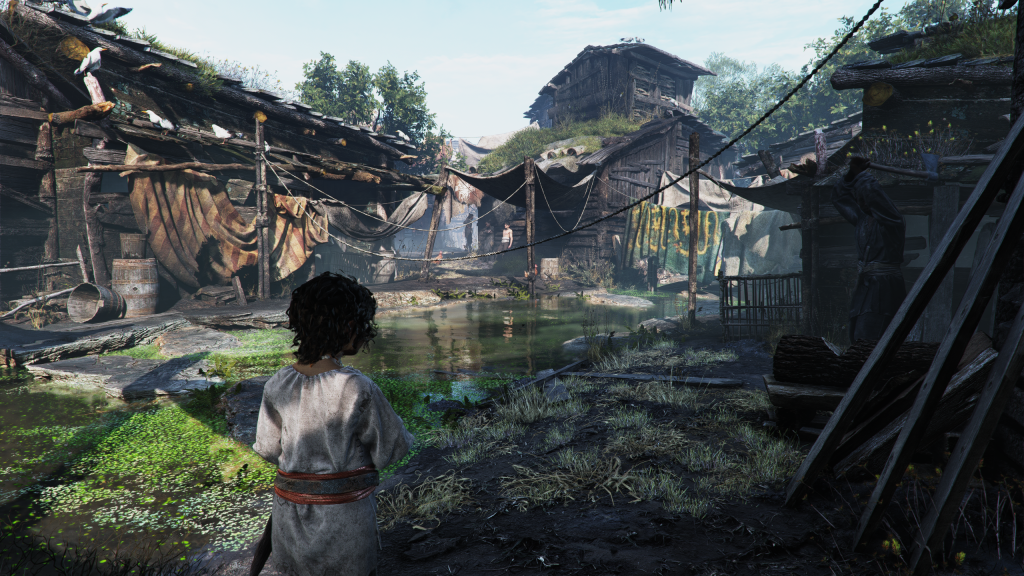
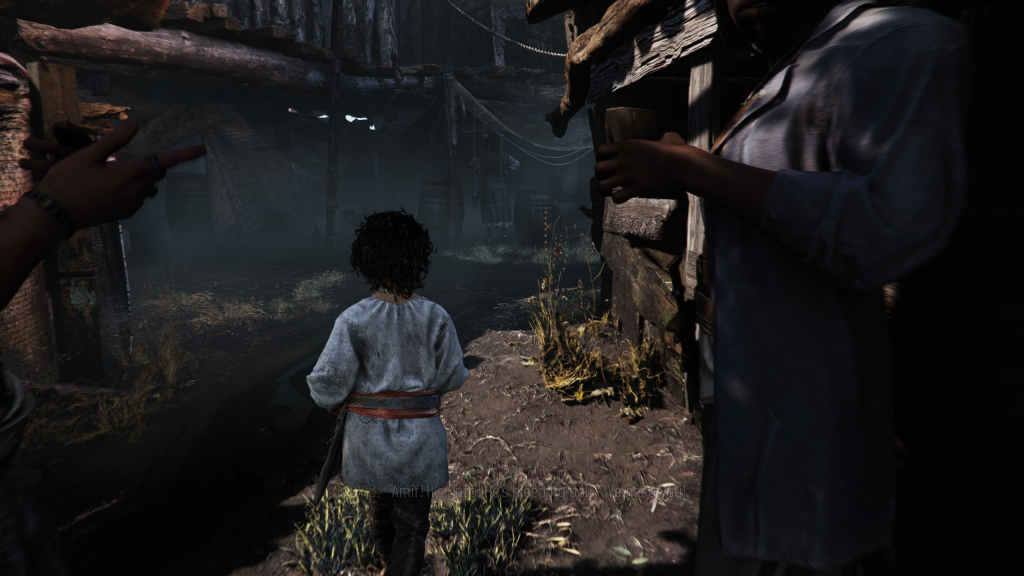
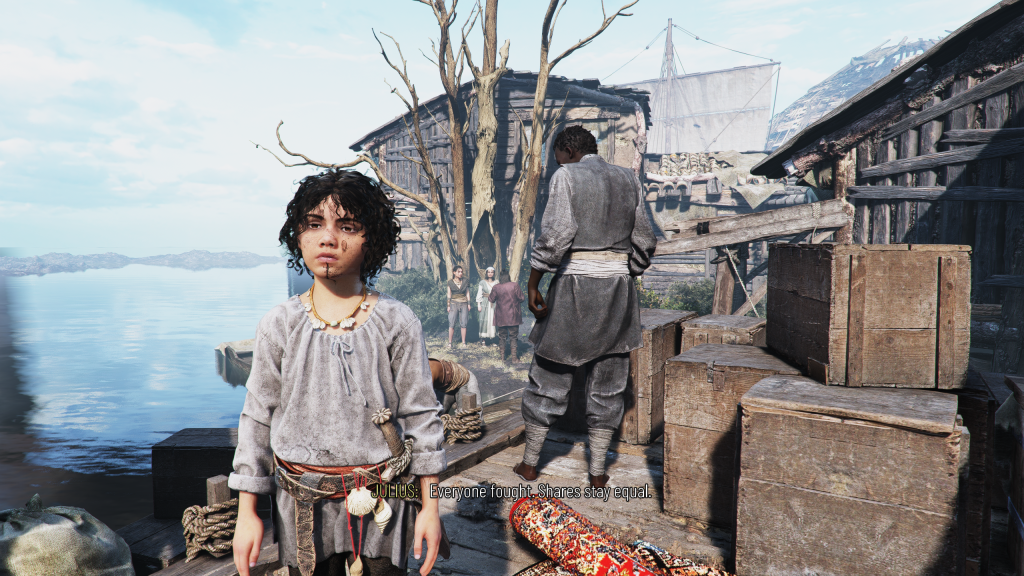
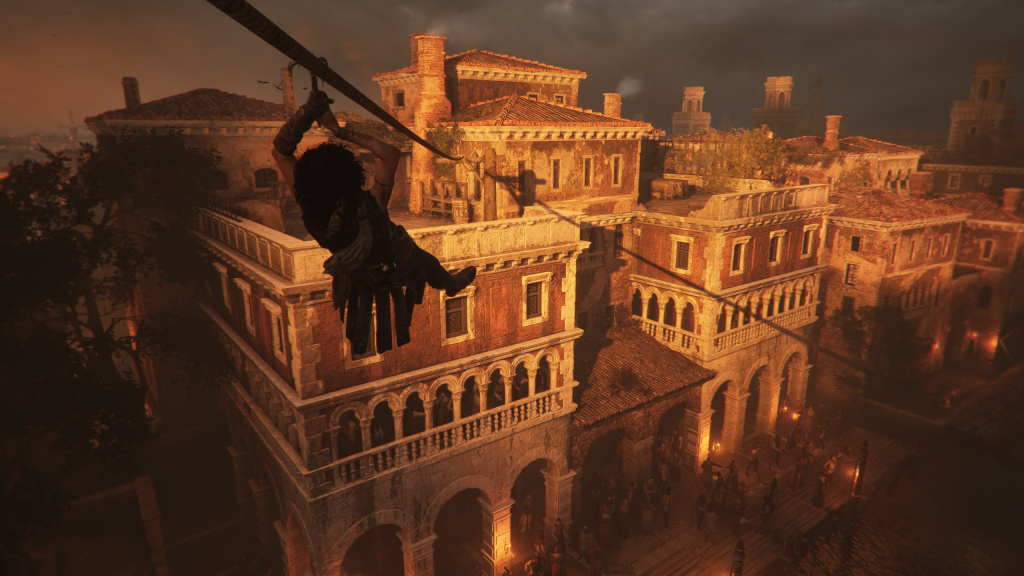
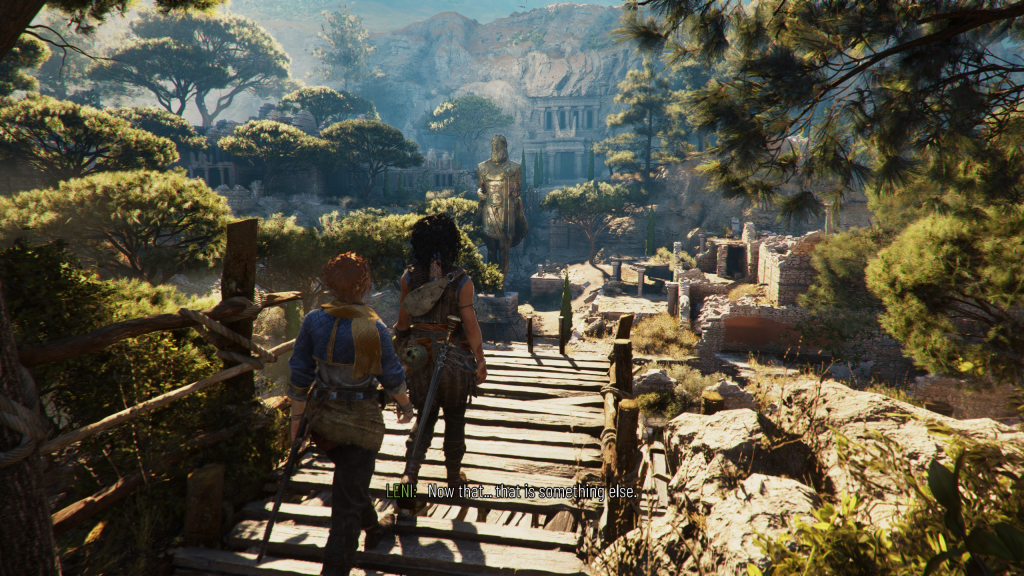
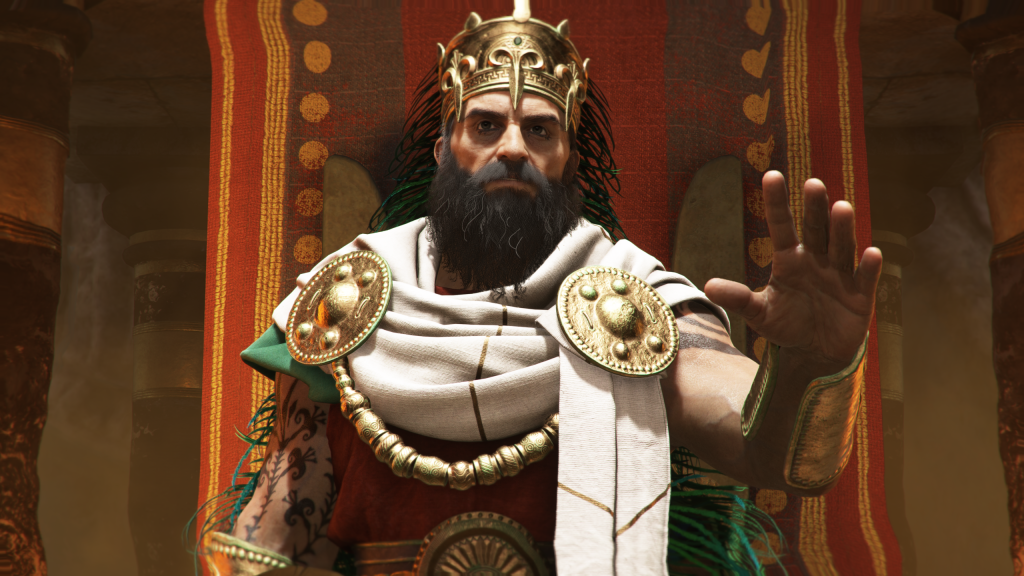
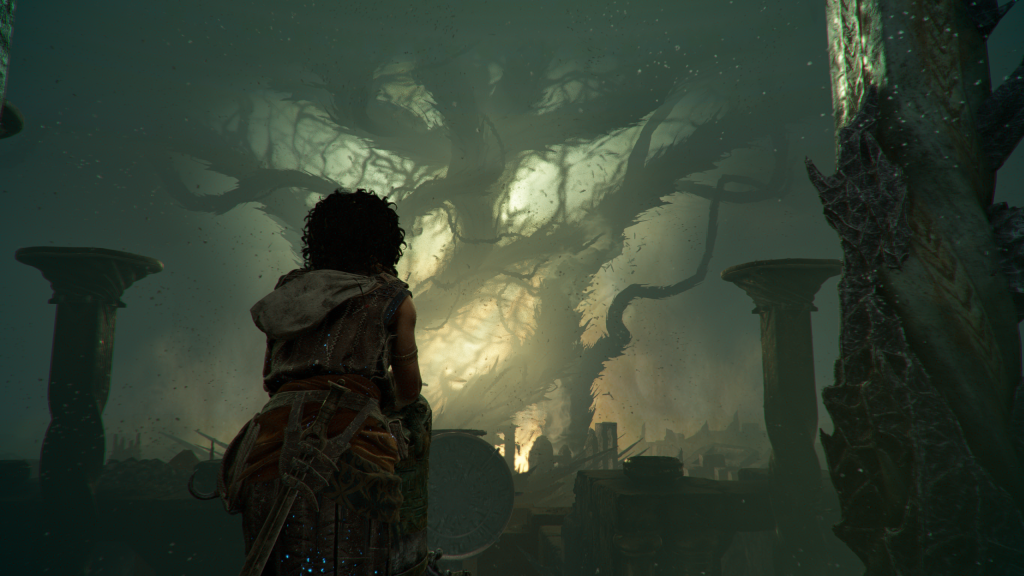
Right from the start, its clean visuals, environmental design, detailed character models, fluid animations and outstanding soundtrack all combine to create a world so visually compelling that I found myself often pausing just to grab screenshots. Where its predecessor had some significant optimization flaws and some especially weird technical challenges on PC, Resonance is like seeing an elaborately detailed picture come to life from the start to the conclusion. And then mix those graphics with the soundtrack and the ambiance becomes even more immersive.
I’d safely put the soundtrack at the top of what I’ve heard this year. The impressive thing is how well it reacts to what’s happening on screen. The story, characters, particular situations and even the flow of combat all impact the music, and it’s clear just how much care the audio team has taken with every facet of the experience.
The soundtrack itself grows brilliantly as the voyage goes on. The first half is accompanied by more Eastern influenced melodies that slowly give way to sweeping orchestral compositions throughout the parts set in ancient Greece. The darker and more frightening sections of the game are supported by thick, powerful soundscapes that drastically increase the suspense. The combination of music and sound design creates such a rich ambiance that Resonance virtually begs to be played with a good set of headphones.
Final Verdict
Resonance: A Plague Tale Legacy is not flawless, and there are clear flaws in just about every aspect of the experience. But when you put all the pieces together, they make something really lovely and memorable. I’d be more than happy to suggest it to anyone who likes action-adventure games, faults and all.
In an industry of big, overblown productions, there’s a certain kind of respect that games like A Plague Tale deserve. While their achievements may not garner the same buzz as titles from the biggest studios and publishers, their accomplishments are no less significant. Resonance is just another reason this series deserves to be more well recognized. It has its limitations, but it’s ultimately a brilliantly made, engaging experience that deserves far more attention than it’s going to get.
This review is based on the PC version
Score: 80/100

Other Articles
A Bloody Good Hunt | Crimson Moon Review