

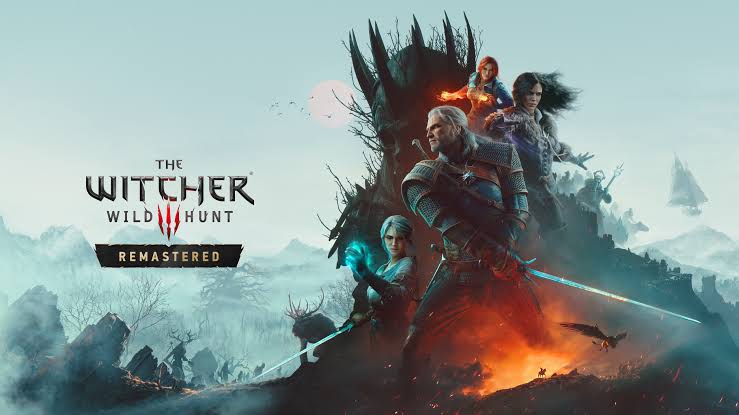

The Witcher 3 is one of those rare games that has become so impossible to talk about as just another usual RPG. Since its release in 2015, it has been the benchmark for open-world role-playing games for many gamers. And that reputation hadn’t been built on just the size of its map or the number of quests. It was a world that felt truly alive. Side stories that often rivalled the main narrative. Tough choices that rarely gave a clear line between right and wrong.
Now, the remaster isn’t trying to re-imagine The Witcher 3 or make it something radically different. Instead it seeks to take the experience already loved and bring it up to modern standards, to polish up parts of the game that have inevitably aged over the years.
But it brings up a vital question: did The Witcher 3 really need these changes, and does this remaster add anything new to the table besides a lick of graphical paint?
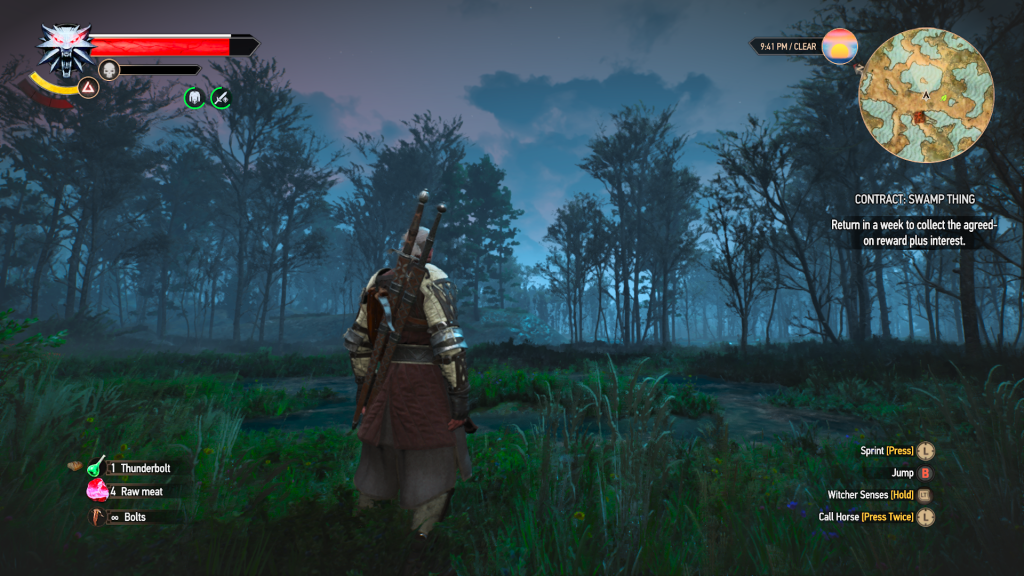
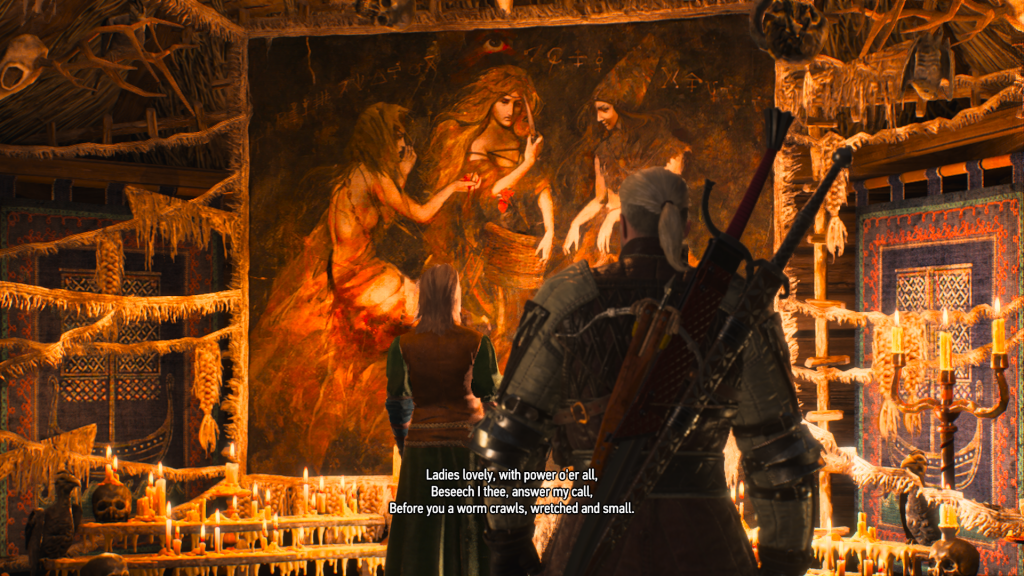
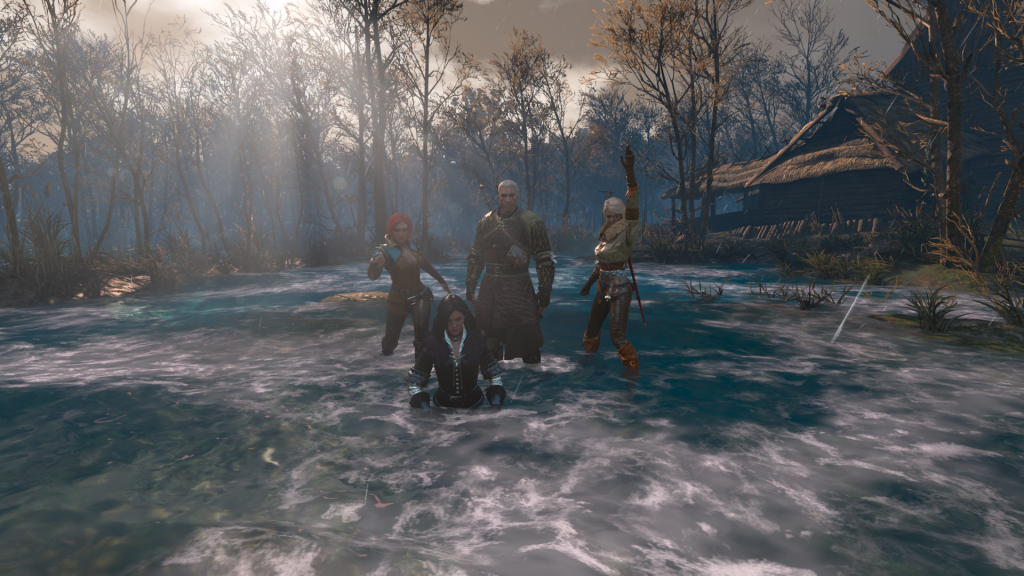
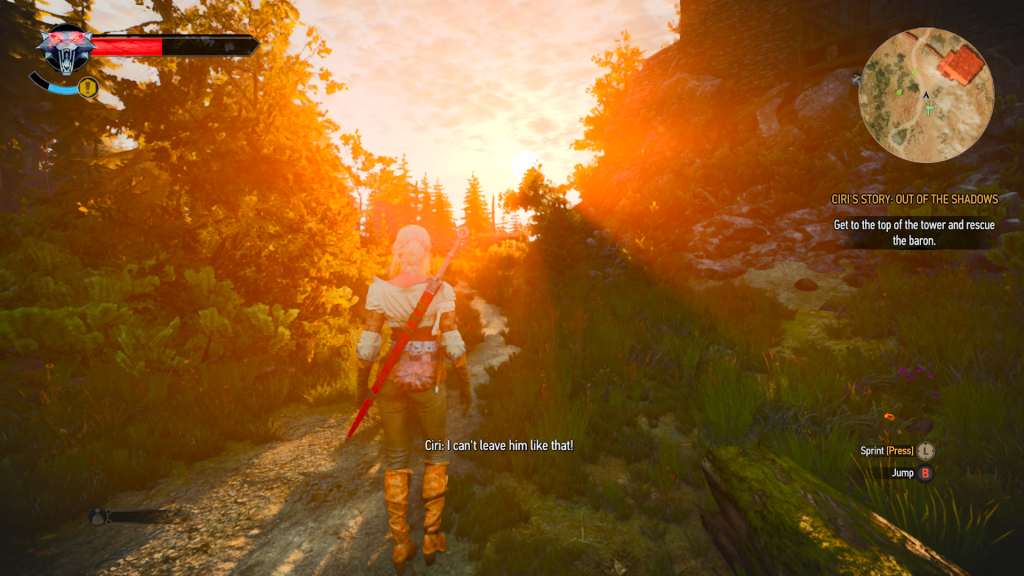
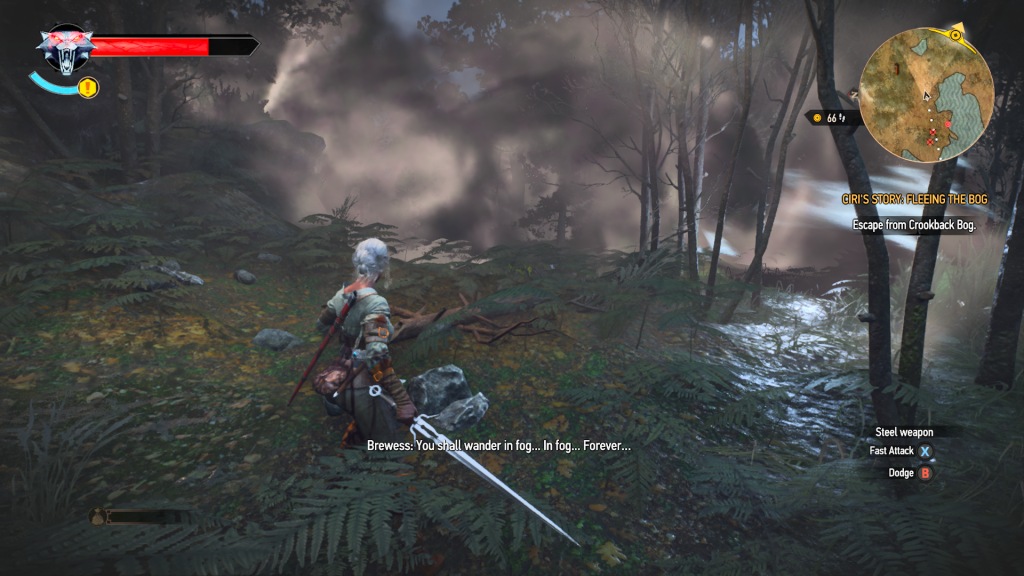
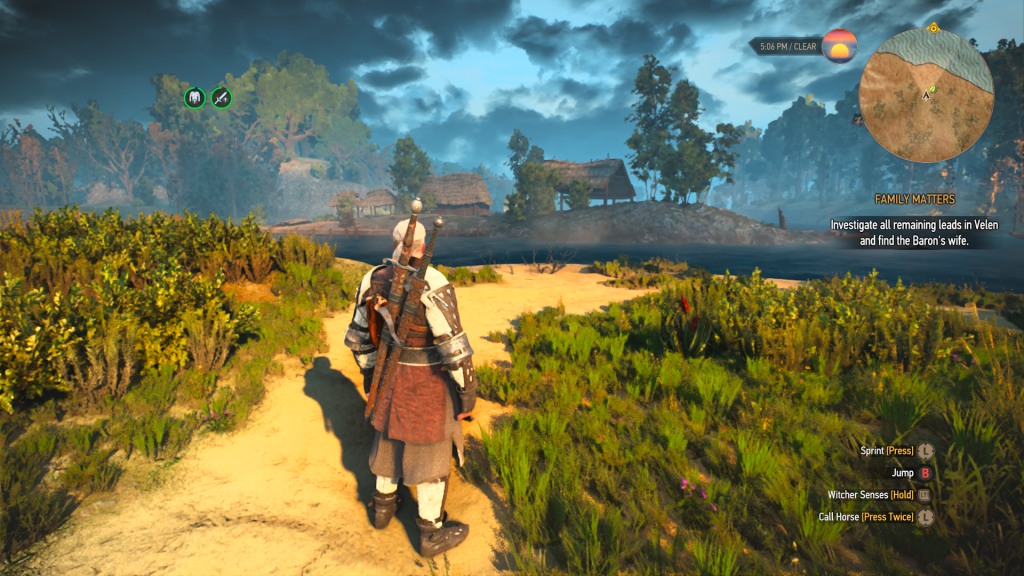
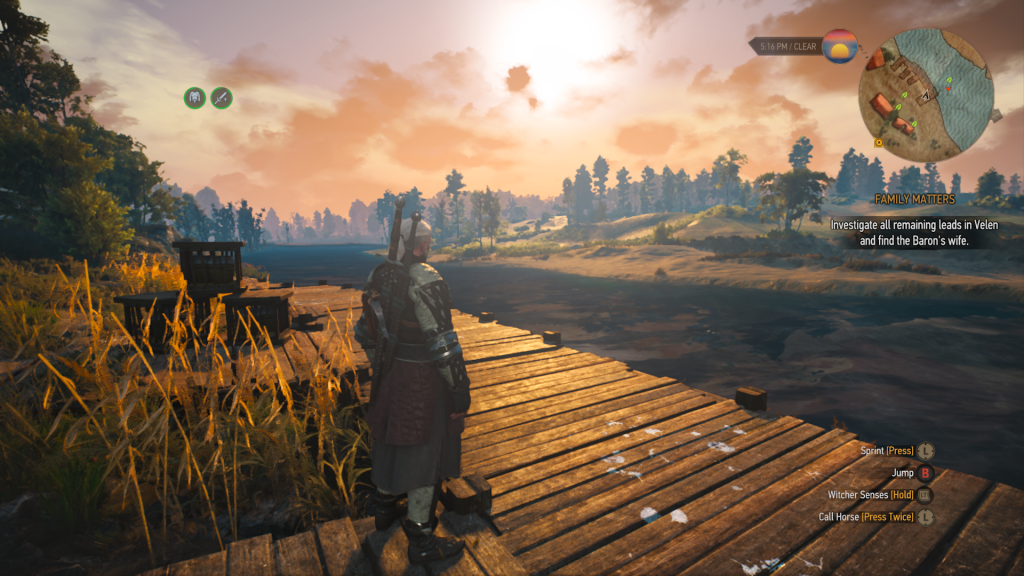
Visually, the remaster brings greater detail and depth to The Witcher 3’s environments, with improved lighting and effects that make each region feel more atmospheric. But the game’s beauty was never simply a matter of texture quality or resolution. It was always about the thick fog hanging over the swamps, the warm glow of sunset across the fields, the distinctive architecture of its villages, and the unsettling contrast between peaceful landscapes and the brutality lurking within them.
These are the details that gave The Witcher 3 its artistic identity in the first place, and the remaster works best when it enhances them rather than just making everything look sharper and shinier.
At its best the new presentation makes things in the world seem richer, more readable, and as inviting to explore as ever. Soon enough you’ll find yourself falling into that classic Witcher 3 pattern: spot a pretty landscape, get off Roach to check it out, and somehow end up halfway through a side quest you didn’t mean to do.
For me, however, the most meaningful improvements aren’t necessarily the ones you notice on screen. They’re the changes that make the experience itself flow more naturally. One of the recurring frustrations with sprawling RPGs is how easily the adventure can get buried beneath the constant demands of managing their systems. For all its brilliance, The Witcher 3 was never entirely free of that problem.
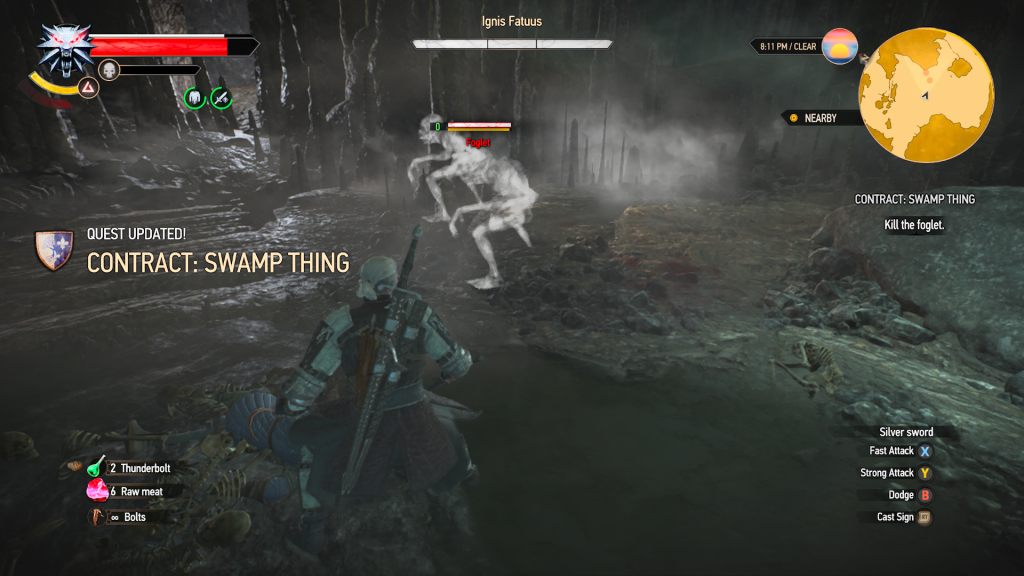
Having to open countless loot windows, constantly worry about inventory weight, keep track of deteriorating equipment, and interrupt your journey to navigate menus might seem like minor inconveniences at first. But over the course of an adventure that can easily last dozens, if not hundreds, of hours, those little frustrations slowly add up. What starts as a few minor interruptions can eventually become a real barrier to enjoying the experience.
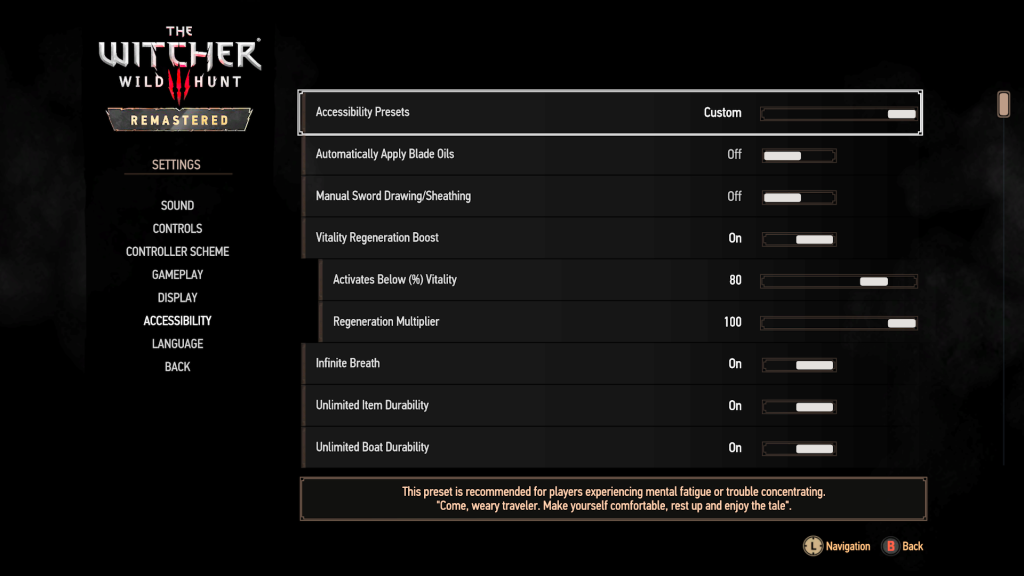
That’s why options for quality of life, such as consolidating nearby loot into a single window, removing restrictions on inventory weight and equipment durability, and adding further accessibility options can be so impactful. None of these changes are particularly revolutionary in and of themselves, but the cumulative effect is hard to overstate.
When you’re spending so much time exploring a world as rich as The Witcher 3’s, the smallest conveniences can make the biggest difference. They keep the adventure in the groove, cutting down on the needless interruptions that once yanked players out of what really matters: losing yourself in the world and not its menus.
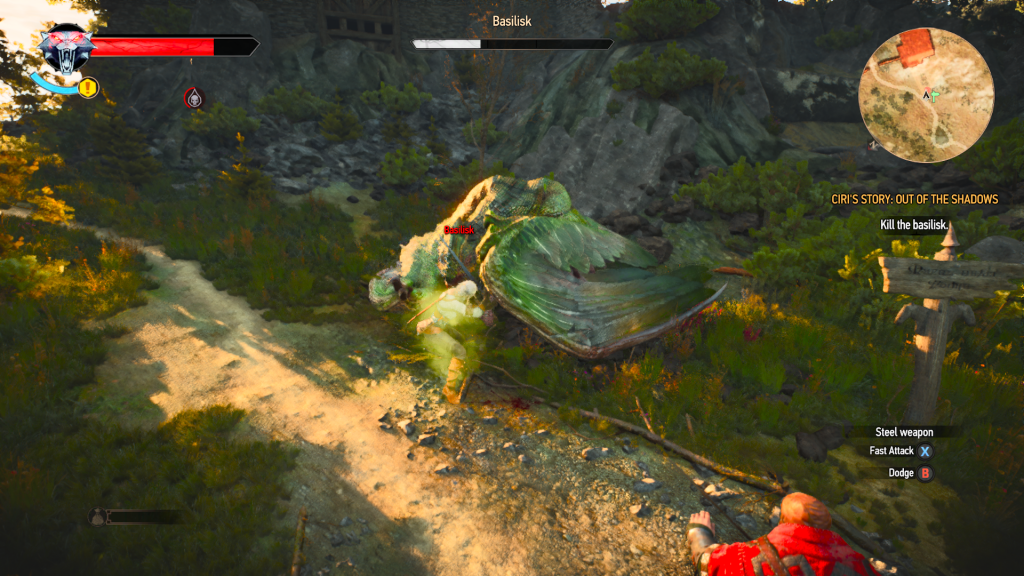
The important thing here is that these options are not to make everybody play exactly one way, i.e. the supposedly best way to play. Those who like to manage equipment, gather resources and deal with restrictions related to survival can still enjoy the traditional experience. Those more interested in the storytelling, exploration and quests can dial down the systems they find unnecessarily tedious.
This is where accessibility means something much more than another set of settings tucked away in a menu. It is part of the experience design. It’s not about making The Witcher 3 easier, but about giving the player more control over what makes the adventure fun for them. There is a difference, after all, between a challenge that adds to the experience and an inconvenience that simply wastes your time.
That flexibility alone might be enough of a reason for veterans who have already completed The Witcher 3 multiple times to give the game another go. It makes one of the previous generation’s most lauded RPGs feel a whole lot less intimidating and a great deal more inviting for newcomers. In the end, it’s not about making the game simpler, but about letting players choose which parts of the complexity they want to engage with.
The interface and map improvements follow the same philosophy. Better quest tracking, less cluttered markers and fewer repetitive alerts all help clear away the clutter, letting players focus on the world rather than constantly wrestling with menus. These improvements make it easier to navigate and find information, turning what used to feel like roadblocks into opportunities for players to spend more time doing what The Witcher 3 does best: exploring, discovering, and getting immersed in its stories.
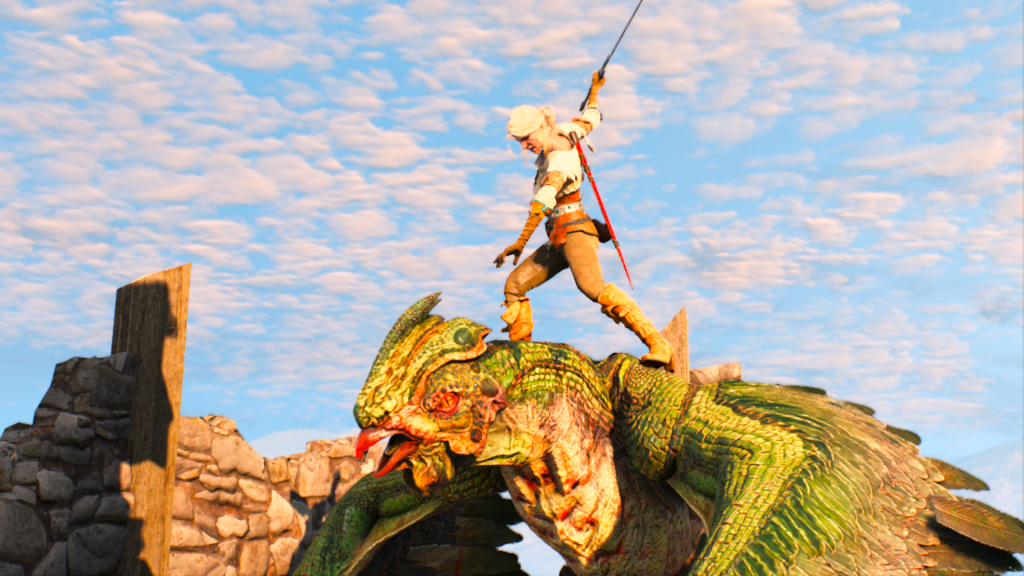
Other perks like being able to pick up loot without dismounting Roach and previewing item information before picking anything up are just as welcome. These aren’t the kind of features that would make headlines or selling points in a flashy trailer, but they are improvements that players will appreciate again and again on their journey.
None of this is revolutionary, nor should it be. The real value is knowing that The Witcher 3 has a good base starting out. These changes don’t reinvent something that works, they remove some of the friction from it, making the adventure more comfortable, more intuitive and ultimately more respectful of the player’s time.
Another welcome improvement is the revision of the skill system and how abilities are presented, making it easier to plan character builds and understand progression requirements. The Witcher 3 has always provided players with a variety of tools and abilities to prepare for combat, but sometimes the systems could feel a bit too fragmented. If you just want to come home from work and log on and do a few quests, you don’t really want to spend hours trying to figure out the skill requirements and character progression.
That said, these improvements should not be taken as a complete overhaul. They don’t magically solve all of the problems that have plagued The Witcher 3 ever since its initial release. The basics of combat feel familiar, and some activities still suffer from the same pacing issues that they did years ago.
Final Verdict
Ultimately, The Witcher 3 remaster succeeds not by reinventing a modern RPG classic, but by making its remarkable world accessible to today’s players. Better graphics, a cleaner interface, more streamlined inventory management and more freedom in the gameplay systems go a long way to alleviating the frustrations that once broke up an otherwise memorable adventure. Individually they may seem like small changes, but together they make the return to the Continent a more comfortable and rewarding experience.
The remaster serves a larger purpose as well. With a third story expansion reportedly in the works and The Witcher 4 on the horizon, it makes sense to revisit Geralt’s adventure as a way to re-engage long-time fans with the series and introduce newcomers to its amazing world. It’s also a good chance to reinvigorate enthusiasm for what’s coming.
But of course, there’s no way to gloss over the fact that it’s a game from over a decade ago. Some combat mechanics and pacing issues remain fundamentally rooted in the original experience. But that’s not the problem. The remaster’s greatest achievement is that it retains all of the qualities that made The Witcher 3 special, but removes enough of the unnecessary friction to let those qualities shine through once more. “Sometimes you don’t need to remake a masterpiece. It just needs space to breathe.
This review is based on the PC version
Score: 96/100

A Melody in the Dark, Between Flame and Ash | Well Dweller Review