

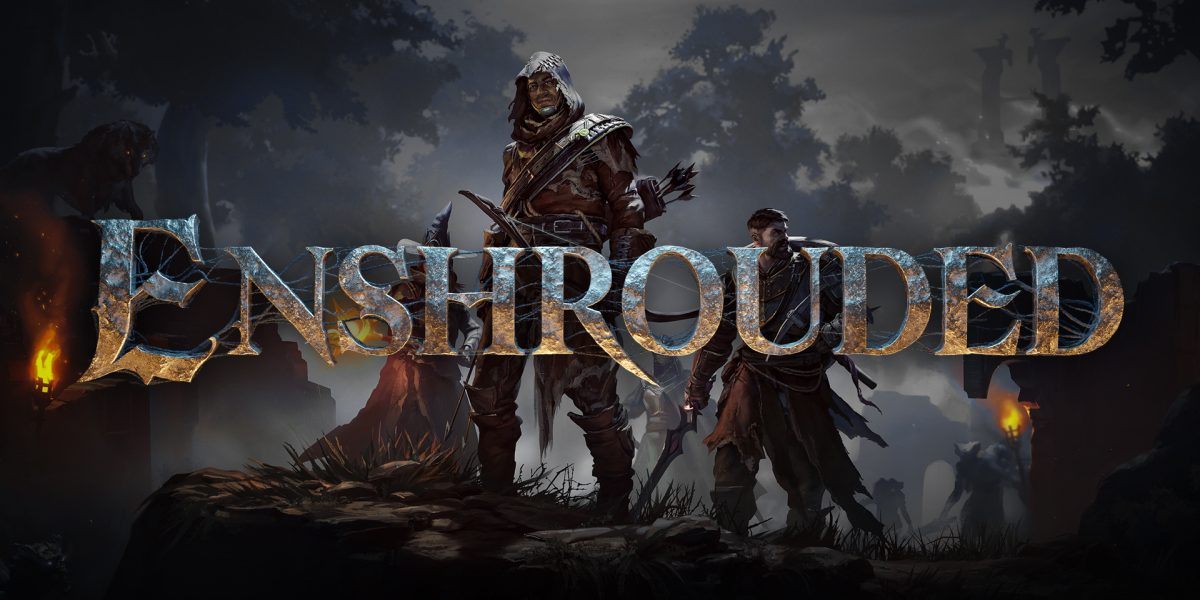

At first glance Enshrouded may appear to be just another survival game in a fantasy setting, but the key differentiator of it and many of its genre brethren is how it approaches the core survival formula. It doesn’t just throw you into the world to run around gathering resources, crafting equipment and trying to stay alive, it combines all of these elements into a well thought out, interconnected gameplay loop.
Enshrouded is an open world experience that mixes action RPG gameplay with survival, exploration and base building. Your progression is tied to discovering new locations, developing your character, expanding your settlement and reclaiming lands engulfed by a mysterious corruption.
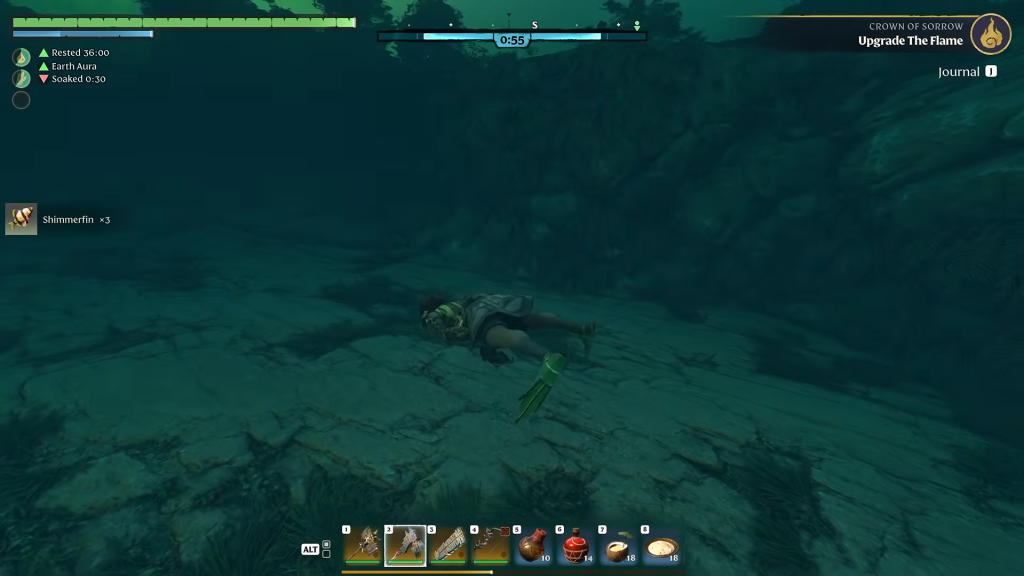
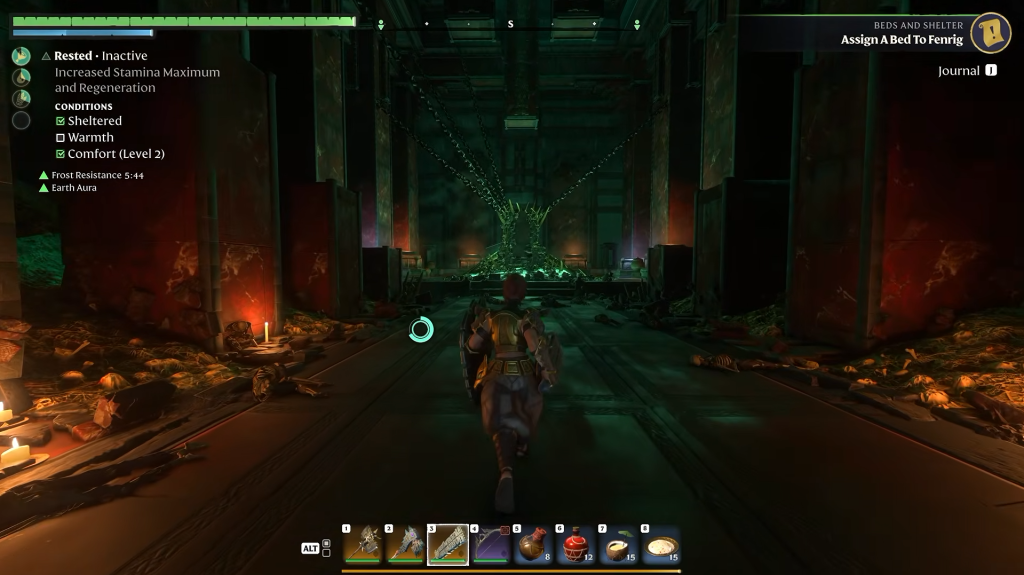
A World Consumed by Corruption
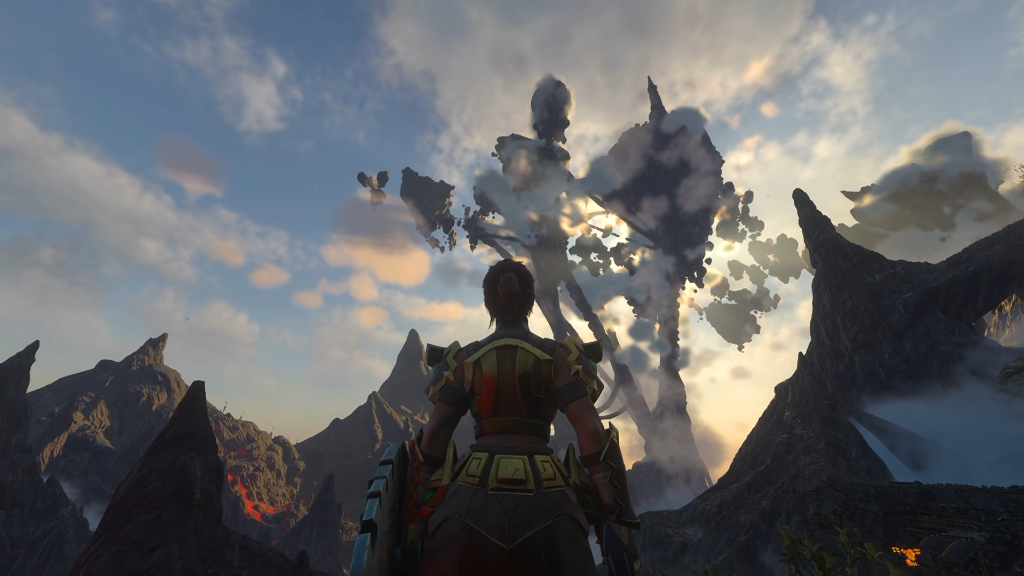
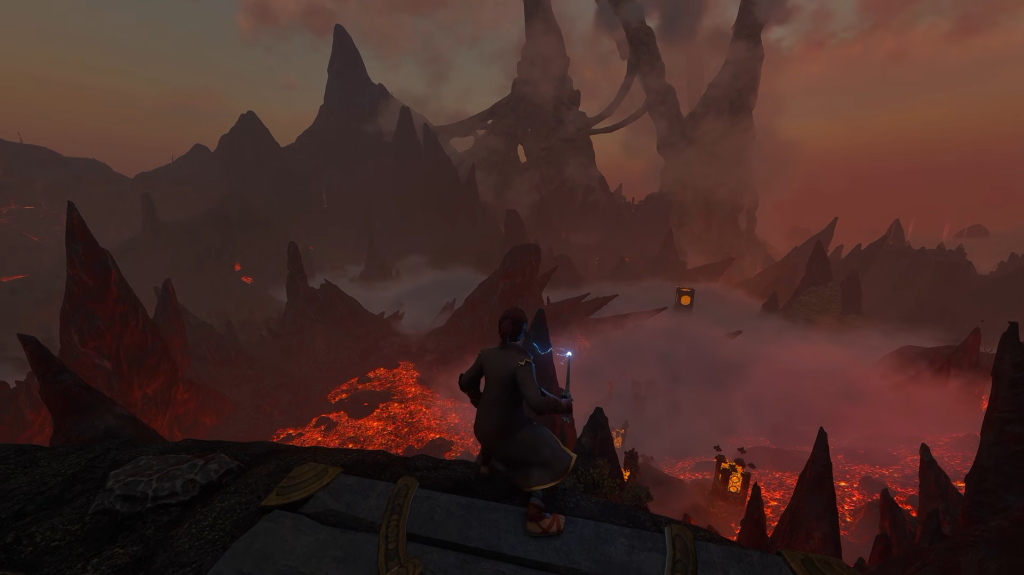
The story of Enshrouded takes place in Embervale, a once thriving civilization that was destroyed by mankind’s greed and endless thirst for power. This destruction is the work of the Shroud, a terrible force that has blighted much of the world, twisting its people into monstrous aberrations and its once-great civilization into rubble. The players wake up as one of the Flameborn, humanity’s last hope of reclaiming these lost lands. The fire inside them is not just a tool for survival, but their greatest weapon against the Shroud, and the key to reclaiming humanity’s foothold across Embervale.
One of the cleverest design choices in Enshrouded is that the narrative is built right into the world itself. The Shroud is much more than a convenient explanation for the presence of hostile creatures, or some atmospheric visual effect. It directly impacts how you explore, how you progress and the decisions you make as a player. Entering areas covered in Shroud means entering dangerous territory where you have limited time to survive and the threats you face will only get worse and worse. However, destroying Shroud Roots allows you to explore new areas, and makes previously hostile areas manageable.
This interesting link between the narrative purpose of the Flameborn and the core gameplay loop of the game. To save Embervale you will need to venture into corrupted areas, learn their secrets, collect valuable resources, destroy sources of corruption and push back the borders of safety.
Even the title of the game hints at this central premise: a world covered by the Shroud, waiting to be reclaimed. Rather than pulling its story away from gameplay, Enshrouded weaves the quest to reclaim a lost civilization into the game’s fabric.
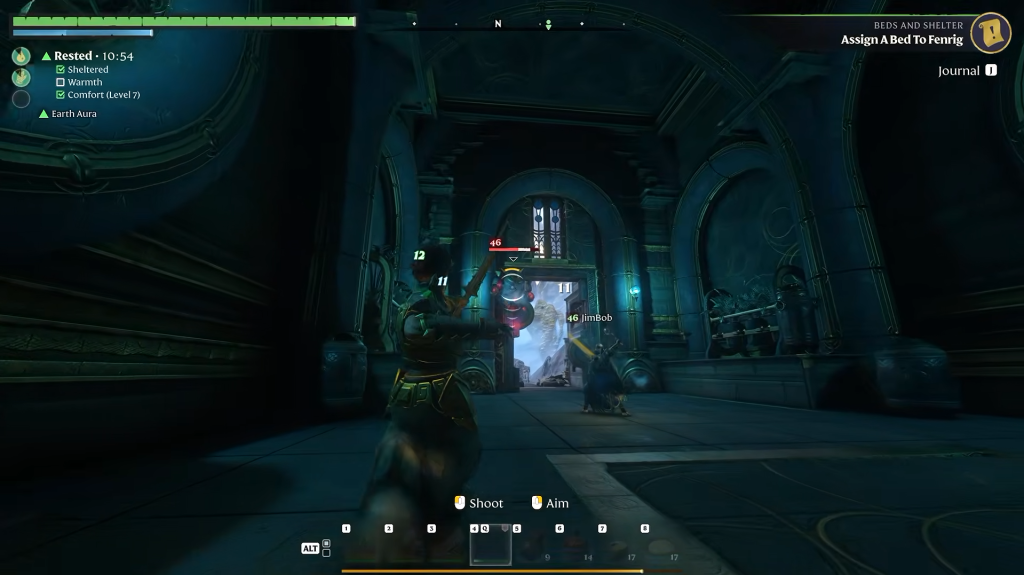
Gameplay: A Survival Loop That Keeps You Hooked
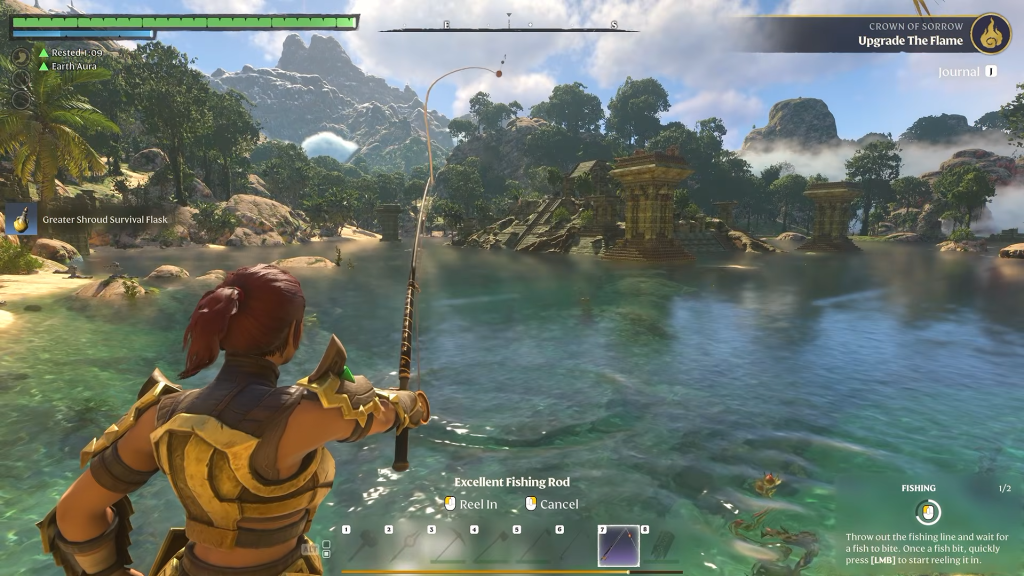
What really makes Enshrouded stand out from a lot of other survival games is the quality and consistency of its mechanics. Like many titles in the genre, the game rarely feels clunky, cumbersome or unnecessarily restrictive. Character controls are smooth, movement feels organic and combat has an amount of responsiveness and animation quality you would expect from a contemporary action RPG. This is all the more important in a game where players spend endless hours exploring, gathering resources, fighting enemies and building settlements. Even small frustrations with controls or interface design can add up over time, but somehow Enshrouded manages to meld these activities into a surprisingly cohesive experience.
Progression is a mix of several interlinked systems: gaining experience and levelling up, unlocking abilities in the skill tree, expanding your base and crafting better equipment, rescuing craftspeople to gain access to new crafting recipes, and slowly reclaiming corrupted territory by destroying Shroud Roots. The real achievement is how well these systems complement each other. Almost everything you do leads to something else, a rewarding loop of gameplay that is one of the best things about the game.
For example, exploration gives players access to new resources and materials to use for crafting equipment and unlocking more recipes. Rescuing craftsmen will increase the number of weapons, armor, tools and facilities for building your base. Better equipment gives you a better shot at winning against tougher enemies and lets you explore more dangerous areas. These expeditions eventually uncover new environments and unfamiliar resources, bringing the cycle back to life with new possibilities. Exploration, combat and crafting aren’t discrete activities, but ones that continually inform and reward each other.
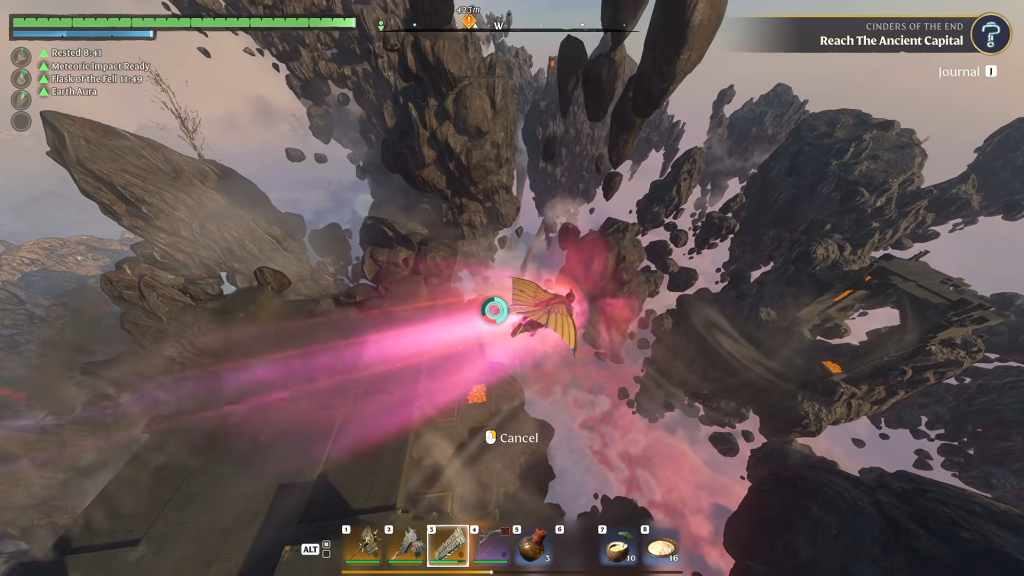
The Shroud Roots have this interconnected design as well. Killing them isn’t just another mindless objective to rack up enemy kills, it’s vital to reclaiming territory and opening up new areas to explore. Getting to these places calls for careful navigation, dealing with environmental hazards and using the equipment and abilities you have gained during the adventure to your advantage.
The world then gradually becomes less of a scary, foreign wilderness, and more of a place where players feel increasingly competent, and in control. That dawning mastery is mechanically satisfying and emotionally rewarding, lending each expedition the feel of yet another meaningful step toward reclaiming Embervale.
Combat and Building: Two Pillars of Survival
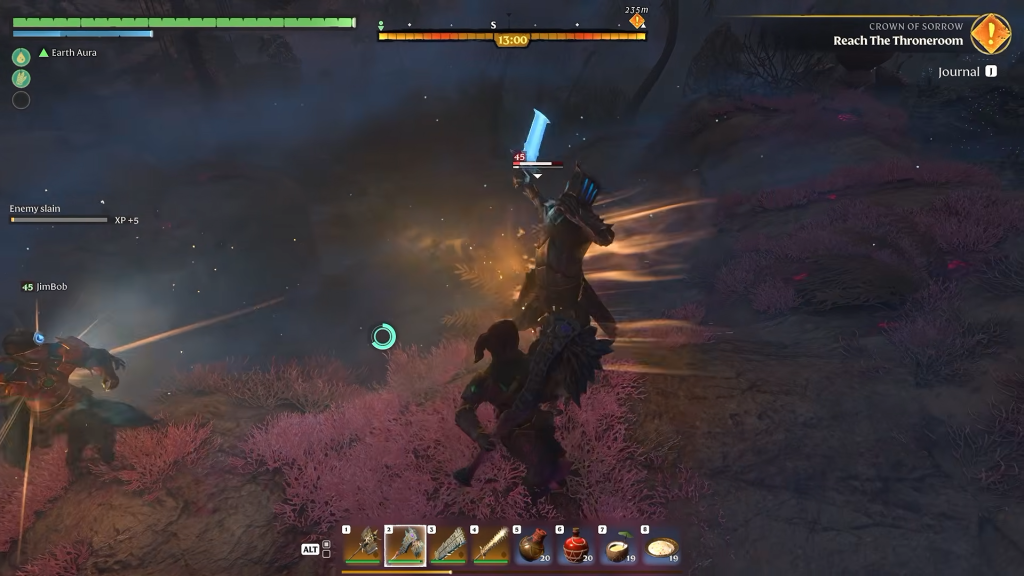
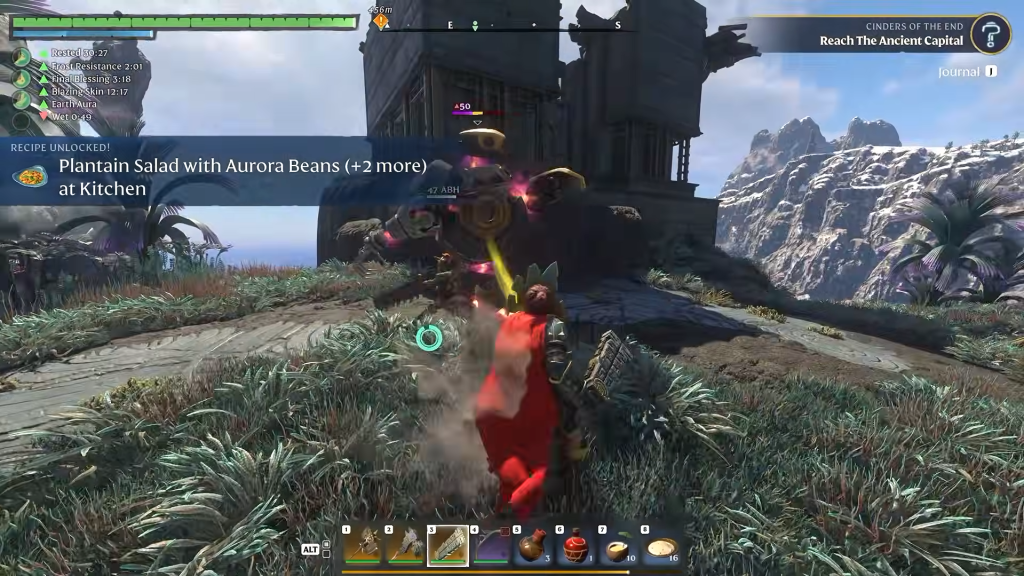
In Enshrouded, combat isn’t just a simple way to deal with hostile creatures as in many survival games. It takes ideas from modern action RPGs, and brings a wide variety of weapons and fighting styles, from swords and shields to two-handed weapons, bows and magic. This variety allows players to approach encounters depending on their chosen character builds, and the skill tree promotes specialization as the adventure progresses.
Boss encounters also test the progression. These formidable enemies have unique attack patterns that the player must learn, learning to recognize chances to block or dodge, as well as use their gear and abilities effectively. Admittedly, the combat and boss design lacks the mechanical depth or sophistication of the best action games in the genre. But as an open-world survival RPG they do a satisfying job. More importantly, combat gives character progression a concrete goal, letting players face threats that once seemed impossible to defeat.
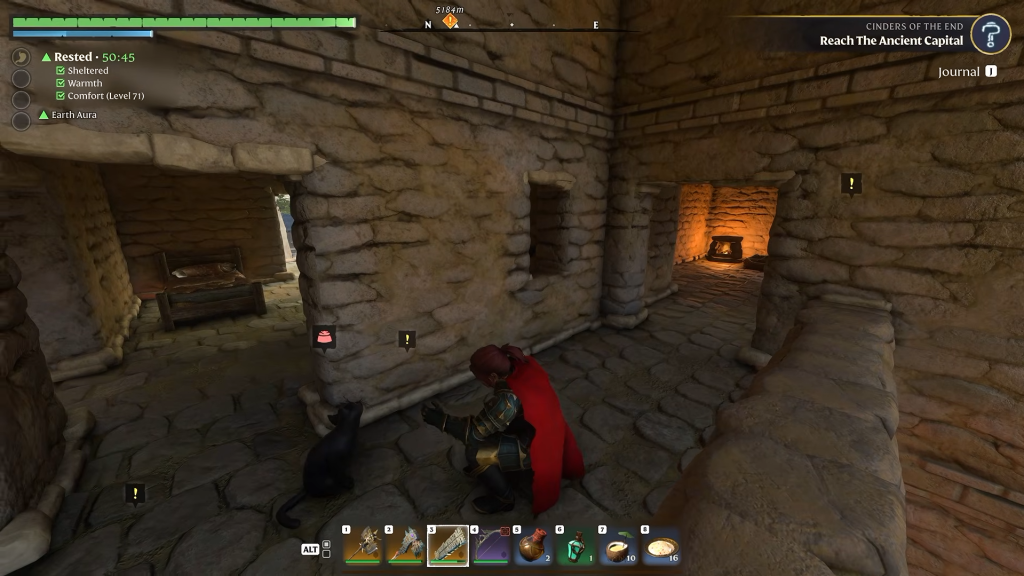
One other area where Enshrouded’s thoughtful design really shines is base building. The system provides a lot of creative freedom, with flexible building tools that allow players to build settlements that reflect their own personal tastes. But while this depth exists, building rarely feels tedious or overly complicated thanks to an intuitive interface and easily accessible tools.
This philosophy extends to the game’s user interface as a whole. The menus are clear and easy to understand, dealing with resource management, crafting equipment, browsing recipes and navigating different systems. Enshrouded knows players will be using these features many times, so it keeps things streamlined and easy to use, rather than adding needless complexity.
That is not to say the experience is without its flaws altogether. The open world structure and repeated progression loops can feel slightly predictable after dozens of hours, where some activities can provide familiar challenges instead of true new experiences. But the game’s systems are so tightly interlinked that even the most repetitive tasks usually serve a meaningful purpose.
Ultimately Enshrouded works because the combat, building, and progression systems all complement each other. No matter if you are gearing up to face a difficult boss enemy or developing your settlement, there is pretty much always a good reason to just keep on going.
Final Verdict
Enshrouded is a great example of multiple genres coming together to make an overall cohesive experience. The game doesn’t just mash together survival, RPG, combat and building mechanics, but makes meaningful connections between them. The game’s biggest strength isn’t any one feature, it’s the carefully constructed progression loops that tie exploration to crafting, crafting to combat, and combat back to exploration.
The end result is a polished, approachable, consistently rewarding adventure where everything you do has a point, and players almost always have a good reason to keep exploring, building, and pushing forward.
This review is based on the PC version
Score: 85/100

Other Articles