

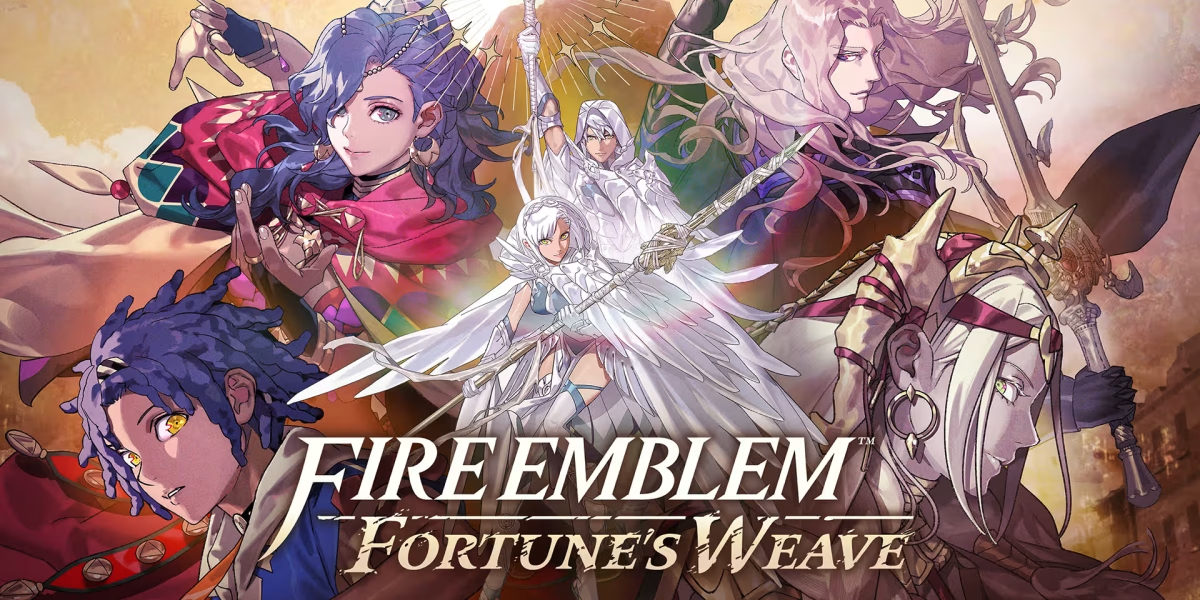

The Fire Emblem series has always tried to balance tactical combat, human relationships and intricate storytelling. Now, Fire Emblem: Fortune’s Weave returns to a world familiar to fans of Three Houses, tracing the intertwined destinies of four distinct protagonists. But can four different narratives come together into a cohesive experience, while still maintaining the delicate balance between storytelling and gameplay?
Four Paths, Intertwined Destinies
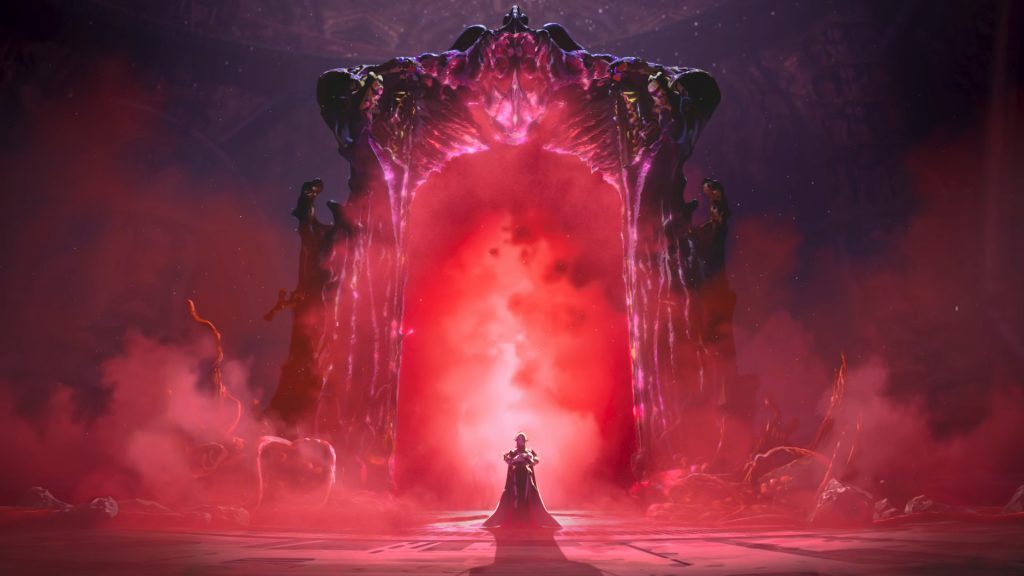
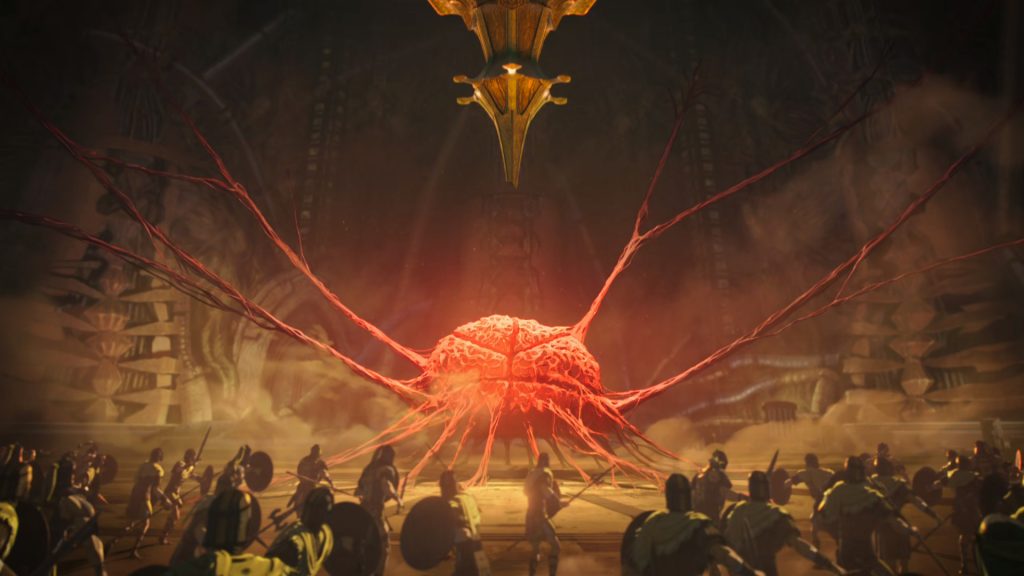
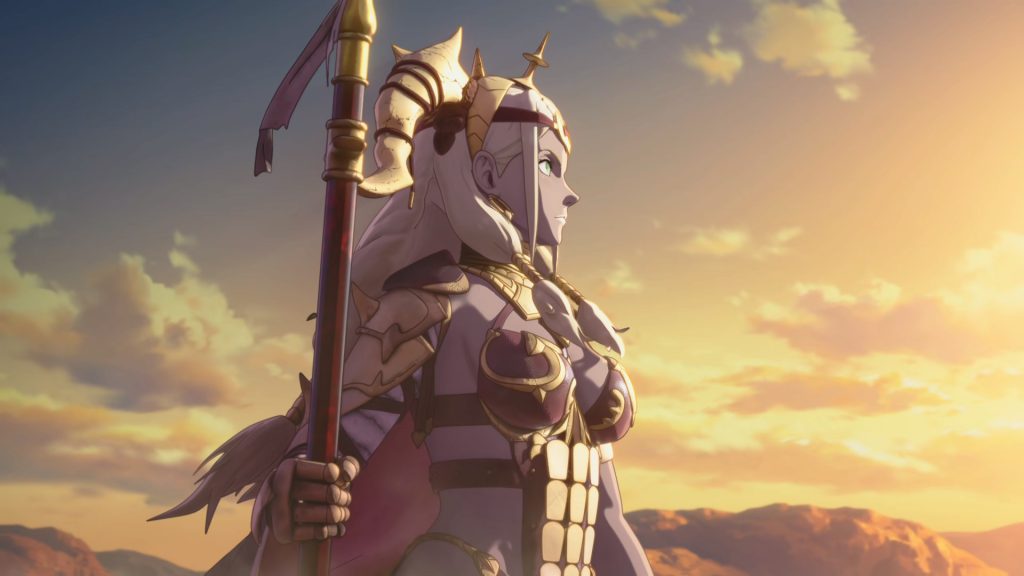
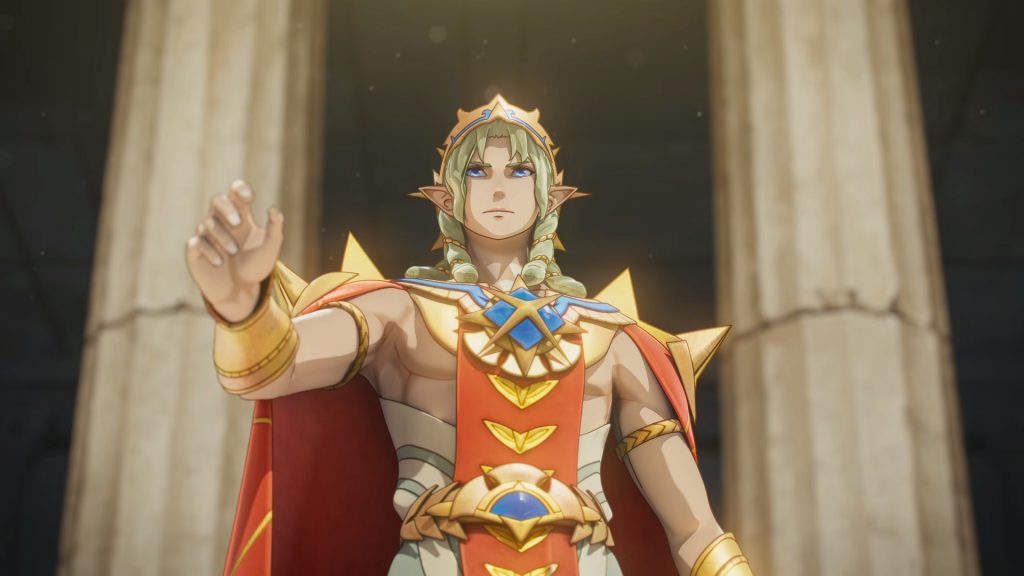
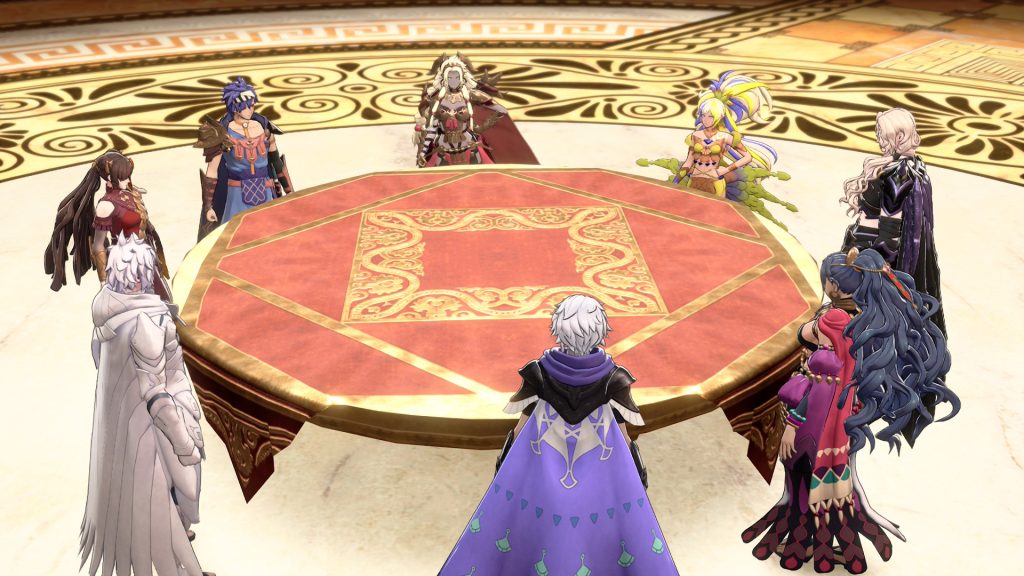
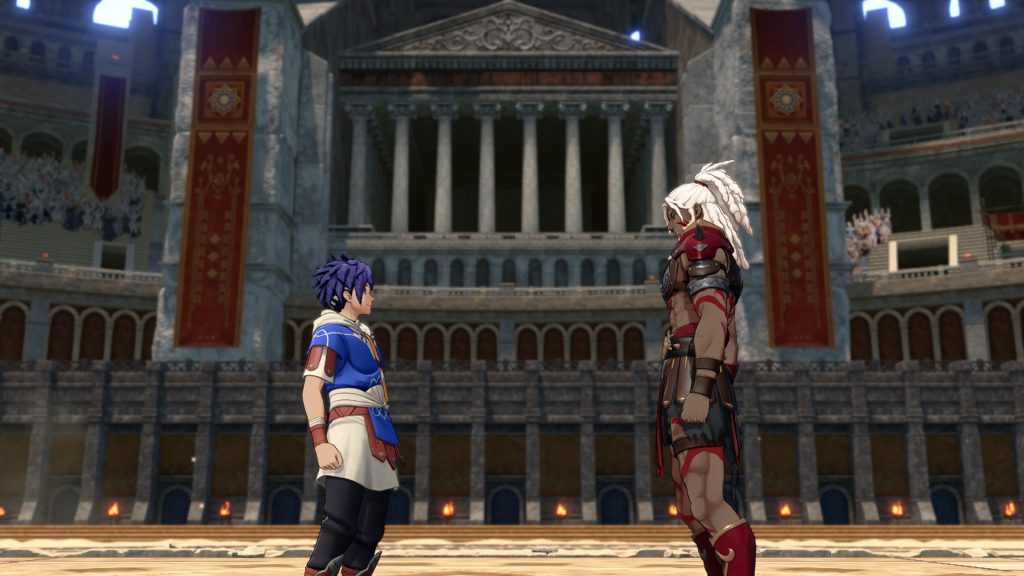
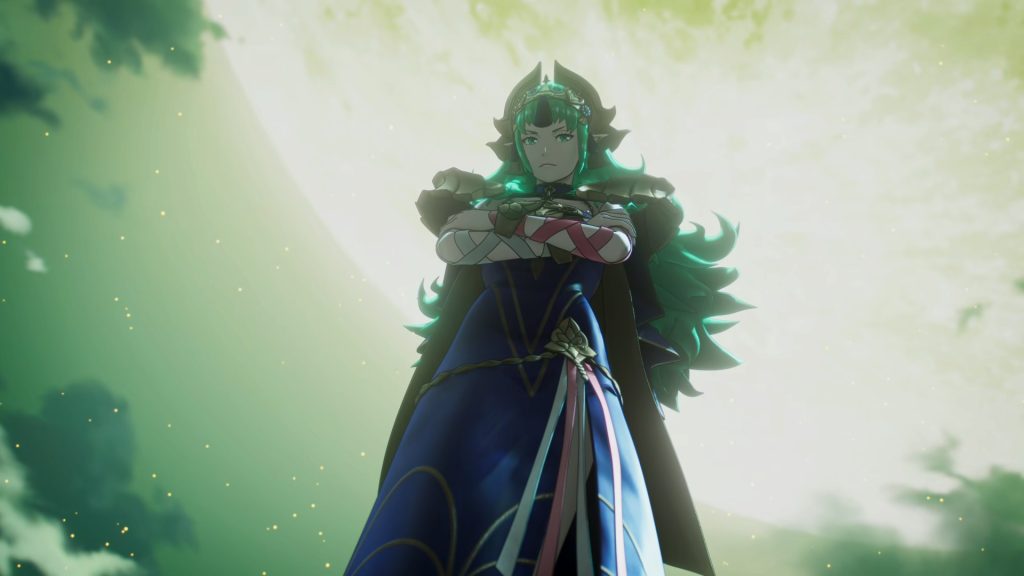
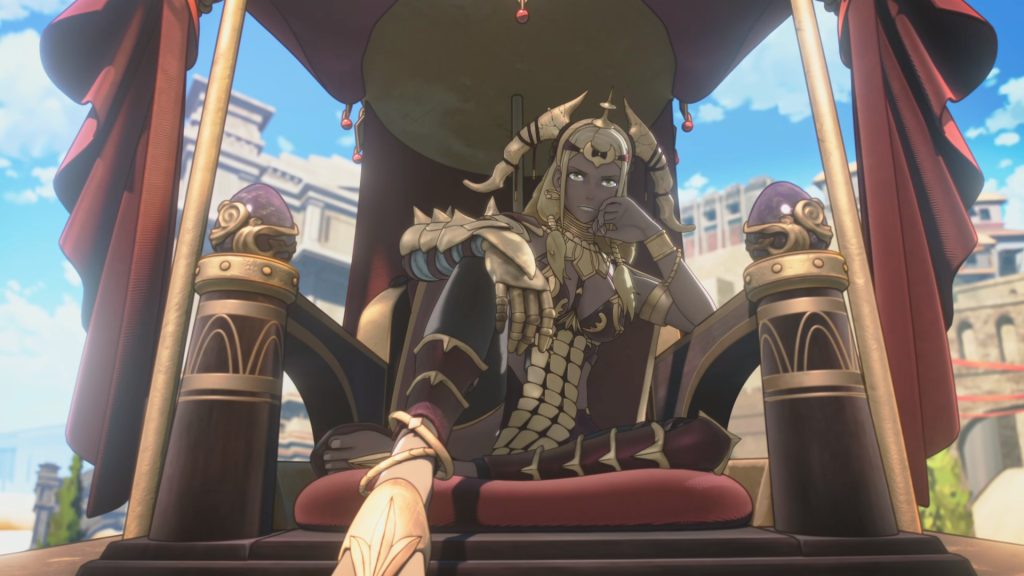
Fire Emblem: Fortune’s Weave takes place in the same universe as Three Houses, on the continent of Dagda, southwest of Fódlan. The god of the underworld, Balor, has destroyed the world and players must travel back in time with Fortuna’s help to change the destinies of four protagonists: Leda, Theodora, Dietrich and Cai. The first act has four separate plots, each with interesting twists and a consistent level of quality storytelling. Some choices also affect the future of the protagonist you chose and do not affect the others.
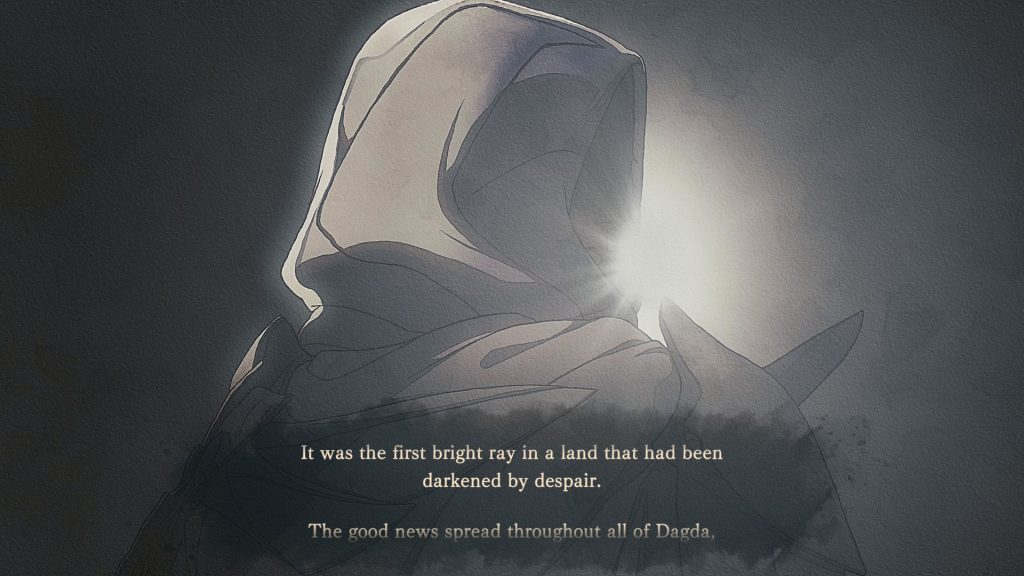
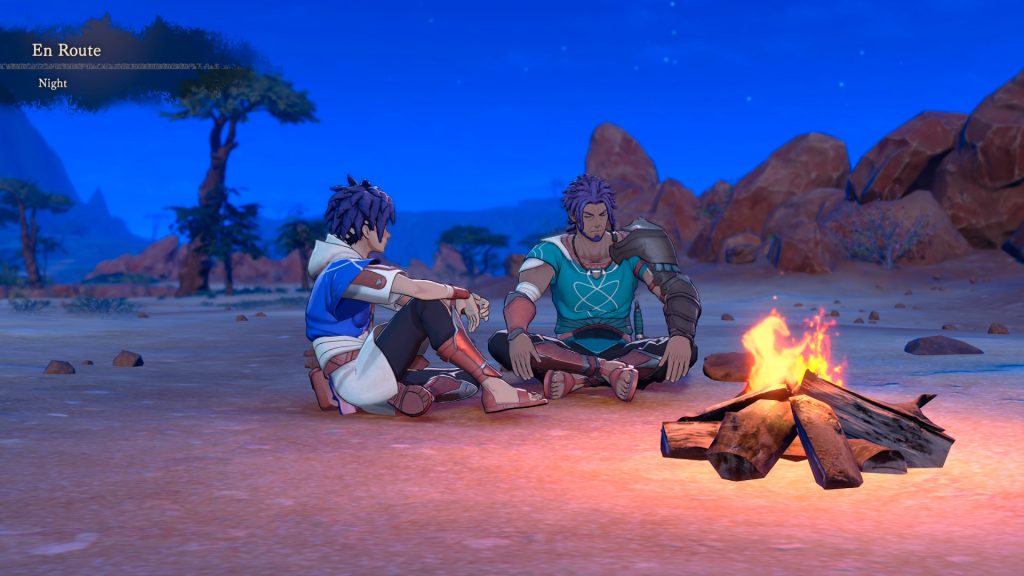
One of the best things about the game is the character development. Every main character has different reasons, different point of views, and different goals. Four interesting stories. The story is told through cutscenes, conversations, narration, written materials and missions. Paralogues are valuable in particular because they provide real insight into the characters and their backgrounds. One mission, for example, involves helping Anatolia evacuate her people, which shows more about her personality and companions. The dialogue of these missions also changes slightly depending on the chosen protagonist.
The familiar relationship system also enriches the characterization by linking everyday activities and battlefield cooperation to new conversations. Even the player-created character, who starts out as a white raven, takes part in these interactions, establishing a narrative presence before becoming playable in the third act.
Meanwhile, references to Fódlan, Dietrich’s migration out of the region, and additional revelations about Sothis provide welcome connections for long-time Three Houses fans.
The Many Layers of Adventure
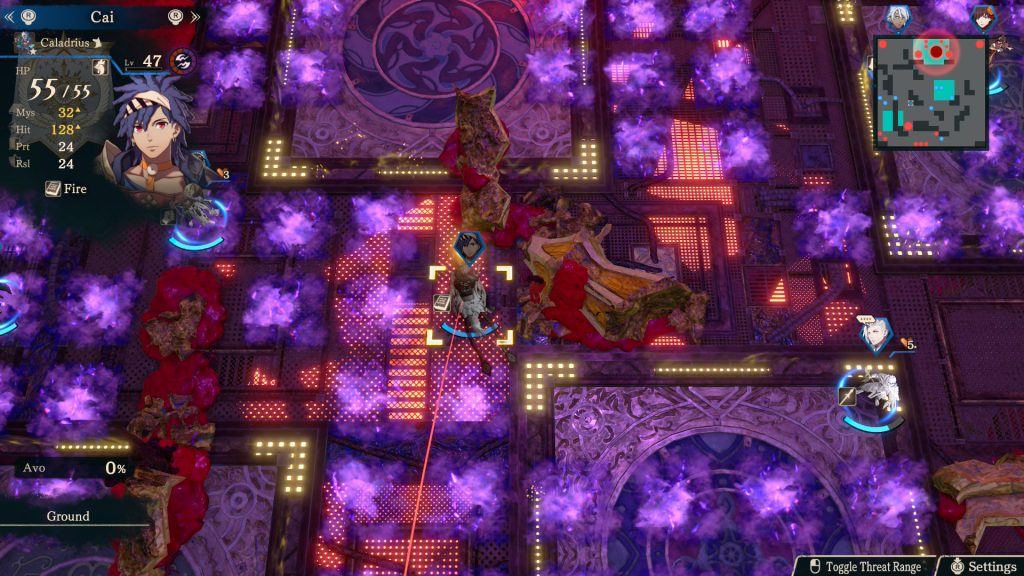
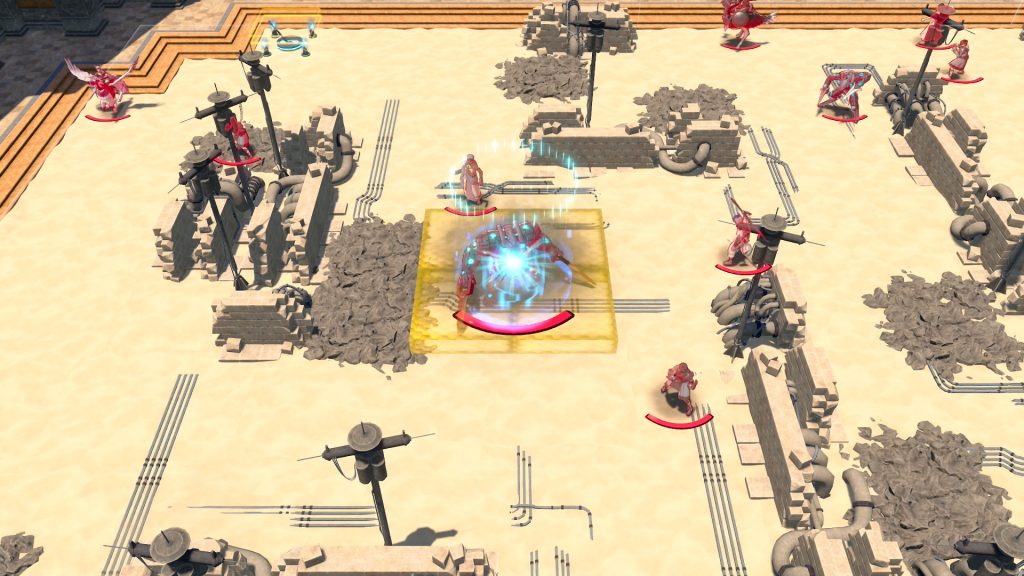
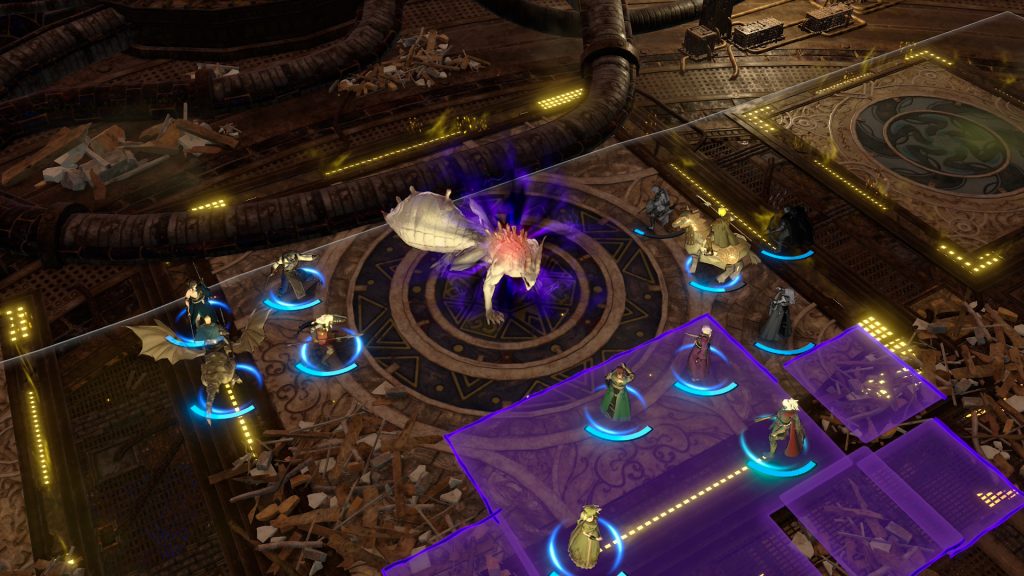
The combat is one of the best things about Fire Emblem: Fortune’s Weave. The game supplements the series’ signature isometric tactical battles with turn-based Clash encounters, mostly found in dungeons, and optional Skirmishes using the traditional tactical system. Both are fun, but the latter offers much more strategic depth. The enemy AI is particularly impressive, as it focuses on your healers, falls back when hurt and exploits the vulnerability of cavalry to spear troops.
Another big highlight is variety in battlefields. The same maps are never reused in the main story missions, and you will also hardly see any repeated environments during free exploration. For example, Miasma in Act III brings new environmental hazards, sometimes limiting visibility, sometimes reducing weapon durability, or limiting spell use. These mechanics, combined with a variety of enemies, challenging boss encounters and increasing complexity, constantly force players to re-evaluate their strategies. Quality of life features like Auto Battle, skipping combat animations, and the ability to instantly kill dungeon enemies that are much weaker than you also help to keep the pace satisfying.
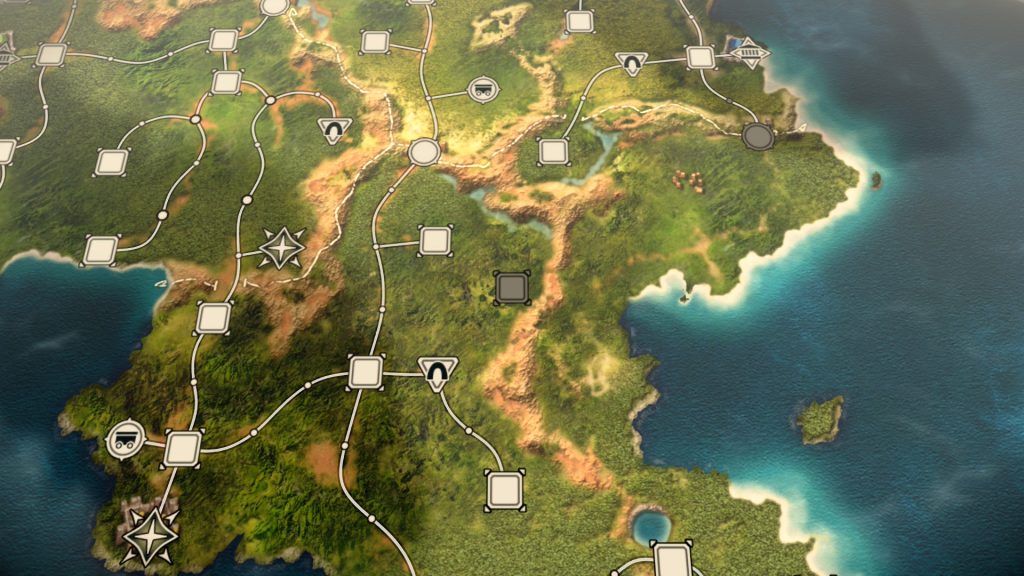
The world itself is quite surprisingly alive. Story events currently in progress may cause characters to go missing from Dagsion for days or even weeks. The player will even be able to see the movements of other protagonists in the opening act and to interact with them, giving the impression of a living world which continues to evolve without the player’s intervention.
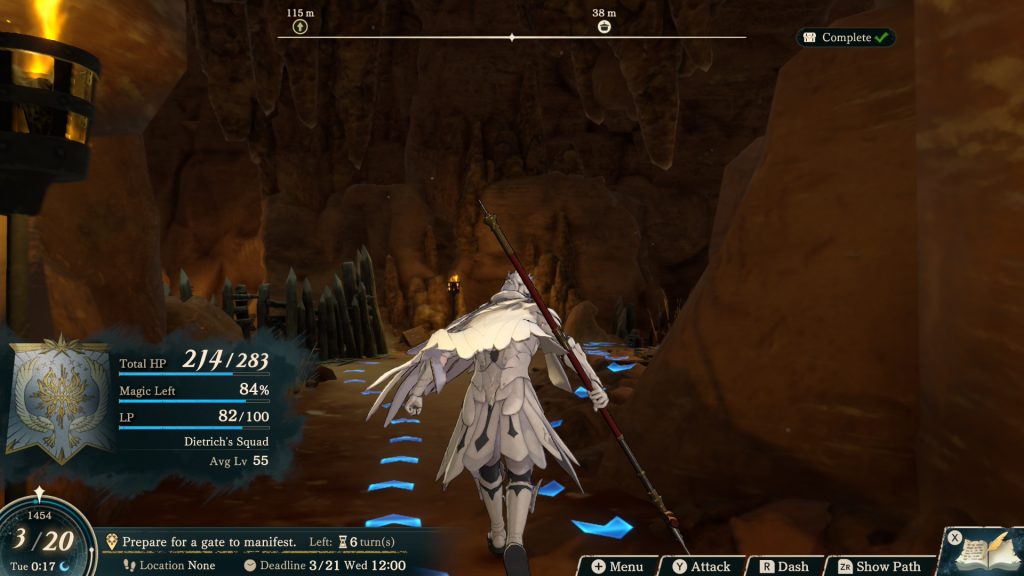
Unfortunately, the game has one of its biggest flaws with the limiting calendar system. The Persona series has already come under fire for similar limitations, while Metaphor: ReFantazio managed to retain its calendar-driven narrative structure without sacrificing as much player freedom. Fortune’s Weave often has players skipping over good content to do something else.
I couldn’t develop every character relationship or experience all of their conversations in my playthrough. Someone else may have to give up exploration to concentrate on those relationships. Often, the calendar doesn’t offer the player meaningful choices, but rather makes it feel unnecessarily restrictive to engage with the many appealing systems in the game.
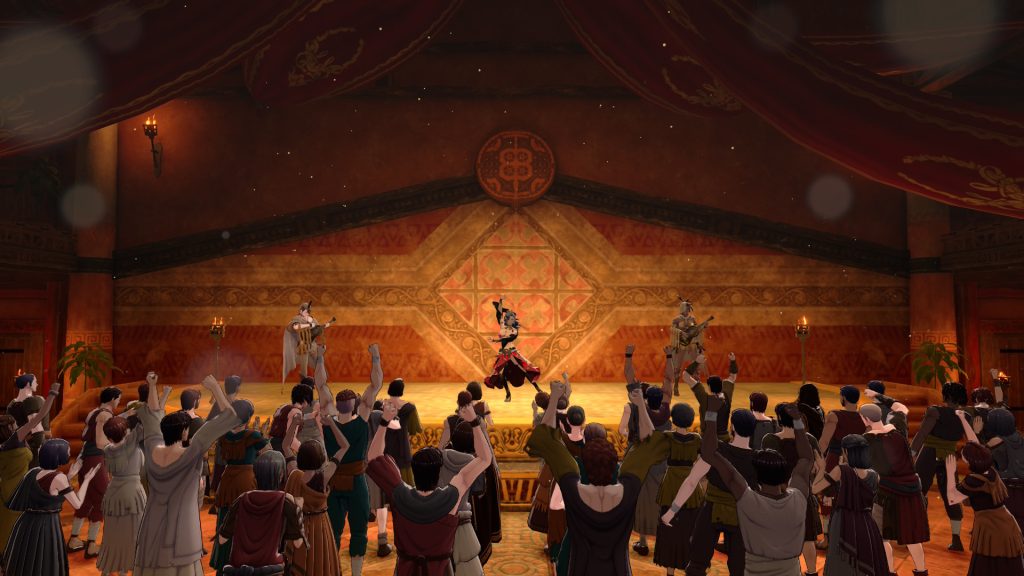
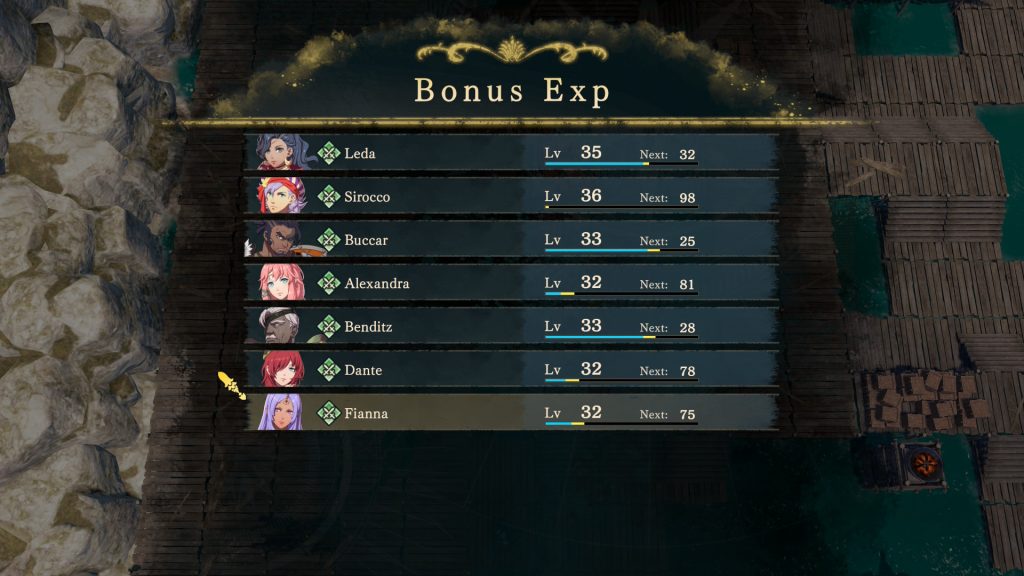
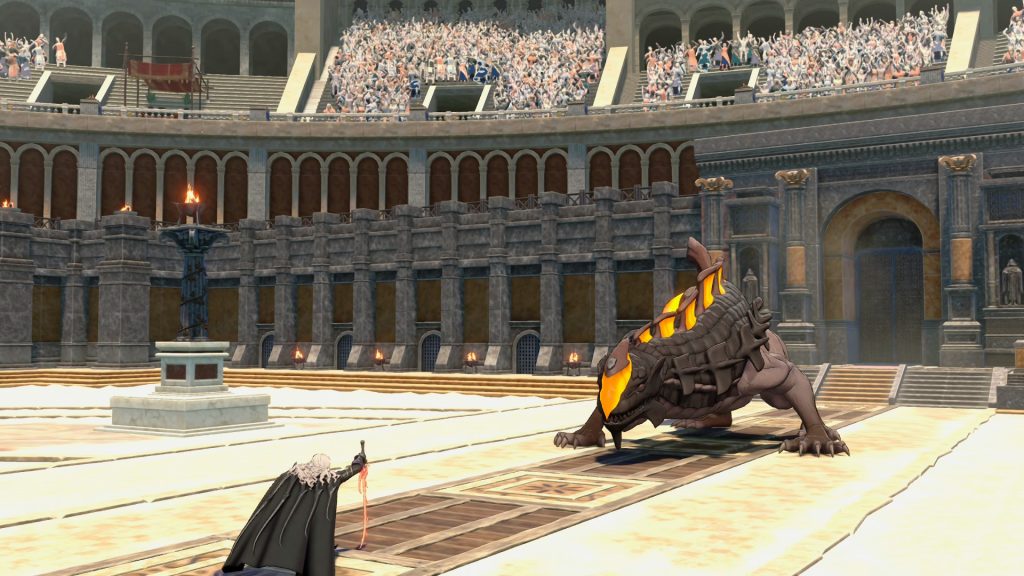
Fire Emblem: Fortune’s Weave boasts a deep RPG system, with side quests still offering unlockable classes even in the final chapters. There’s a steady sense of progression as you swap between the classes you’ve picked up and training in the Arena, which provides different opportunities each week. Building relationships with the gods also provides temporary abilities fueled by Divine Sands, adding another layer of depth to combat and enhancing your tactical options. In contrast, players can fix any mistake done in battle, because Fortuna can rewind time without restrictions and limits.
Each protagonist also has their own special abilities that make their campaigns different. For example, Dietrich can teach party members learned Combat Arts, while Cai is able to farm and tame animals, unlocking mounts for different classes. These mechanics give each story its own gameplay identity, separate from its narrative differences.
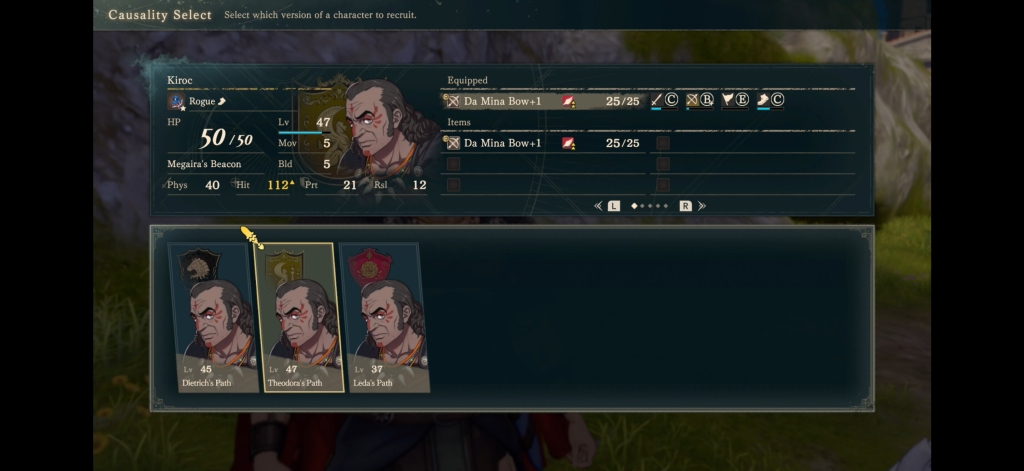
The recruitment is just as diverse. Some characters will want money, specific items or finished quests, but some will have more surprising conditions. One character I tried to recruit, for example, bombarded me with three questions about alcoholic drinks. In the third act, you can choose from the preferred versions of characters recruited through multiple routes, and their levels will automatically adjust to match the campaign’s progress.
In addition to common goals, each hero has their own unique activities. Theodora, for example, collects supplies and takes them to the people of Saramis. Unfortunately, Cai’s exclusive missions are much less unique, generally involving collecting objects or killing enemies. They often look like regular shared quests with his name on them.
Shared missions can be repetitive as well, but they are important because they increase Renown and unlock facilities such as the Blacksmith and Tavern. These objectives will thankfully auto-clear on subsequent routes once completed and rewards will be handed out accordingly. You can also revisit regions previously explored across campaigns. Paralogues are a special case and have to be done for each story separately.
Luckily there’s another great addition in the form of New Game Plus. You earn points by completing challenges, such as killing 250 Undead enemies. You can spend points on bonuses ranging from increased experience gains to discounts on gifts. These benefits greatly reduce the time it takes to complete additional routes, making the replayability much more appealing.
The game’s pacing also doesn’t follow one rigid structure. The first act consists of four independent campaigns, while the second act follows a more linear structure. The game allows players to just skip the rest of the routes when completed, and instead displays a summary of events, as playing this part over again with every protagonist can become tiresome.

A Seamless Experience on Switch 2
Throughout my playthrough on Nintendo Switch 2, Fire Emblem: Fortune’s Weave delivered consistently stable performance in both Docked and Handheld modes. Even during large-scale battles, I encountered no noticeable frame-rate drops or graphical glitches. The Mouse Control feature also works remarkably well, offering a level of precision and responsiveness comparable to playing with a mouse on PC.
The epic soundtrack further enhances the intensity of combat, while convincing voice performances bring the characters to life and strengthen their personalities. However, the absence of amiibo support is a surprising omission, particularly for a franchise so closely associated with Nintendo.
Final Verdict
Ultimately, Fire Emblem: Fortune’s Weave shows that four separate narratives can not only coexist in a cohesive experience, but be one of the experience’s greatest strengths. The deep character development, engaging strategic combat and evolving gameplay structures combine to make for a remarkably varied and compelling adventure.
The limiting calendar system and repetitive side quests can prevent players from exploring every aspect of the game, but these are minor flaws that do little to detract from its many accomplishments. Fortune’s Weave is one of the best SRPG entries out there, imperfections and all.
This review is based on the Nintendo Switch 2 version
Score: 90/100

Other Articles

Lost in the Shroud, Found in Adventure| Enshrouded Review
The Beginning of a Disaster | Gears of War: E-Day Review