



Creativity and innovation were the very things that made us fall in love with the colorful world of video games in the first place. But unfortunately, as the industry grew more industrialized, it often felt like AAA studios—with all their power and financial backing—gradually forgot that creation itself should be driven by discovery, experimentation, and the pursuit of new ideas.
And yet, every so often, smaller side projects emerge from within those same major studios—projects with fewer resources and less marketing behind them, but far more soul. Games that honor the old traditions of game development; projects rooted in innovation and nurtured by genuine passion rather than corporate obligation.
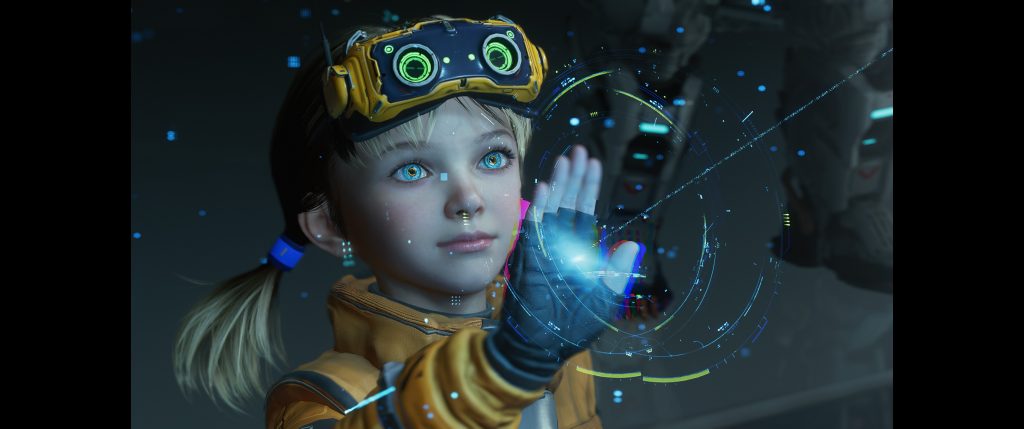
Capcom’s Pragmata is one of those games.
It may have been overshadowed by the deafening hype surrounding Resident Evil Requiem, but I’m genuinely happy to say that Pragmata is strong enough for its quality to speak for itself. It stands as one of the few truly creative releases of recent years—a game that clearly wasn’t backed by a massive production pipeline, yet still managed to survive years of delays and long stretches of silence to become something meaningful.
More than anything, Pragmata feels like the result of developers seeing a strange, ambitious idea through to the end simply because they were curious enough—and passionate enough—to believe in it.
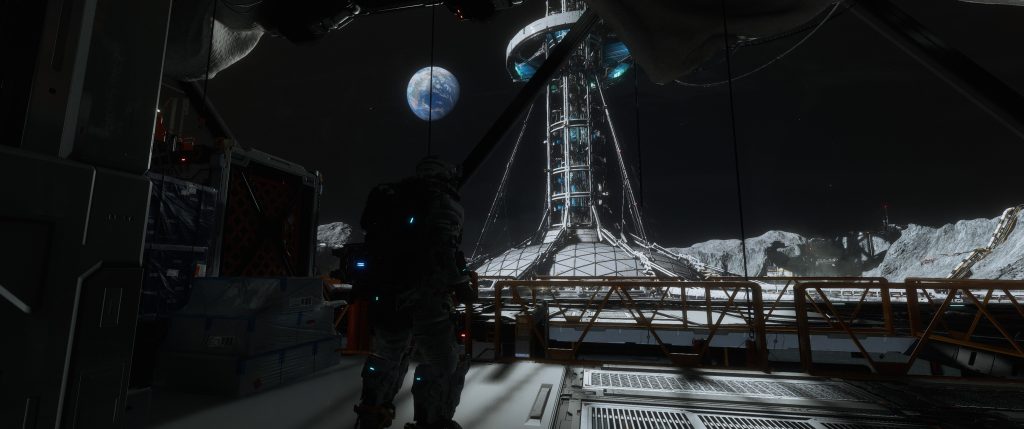
And all of these creative decisions together make a game that’s not only genuinely fun to play, but one that sticks with you long after the credits roll. At first glance, Pragmata seems to be a simple sci-fi action adventure game about fighting robots on Earth’s only moon from a distance. But even in its first hour, the game makes it clear it has much more ambitious plans than just giving you a weapon and sending you off to shoot futuristic machines.
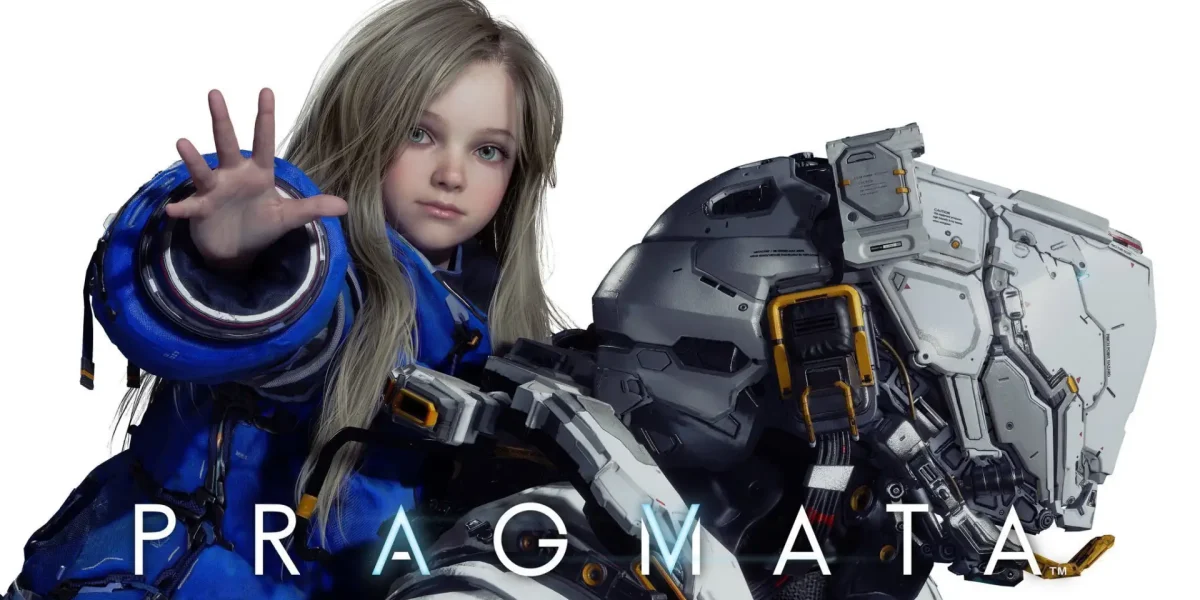
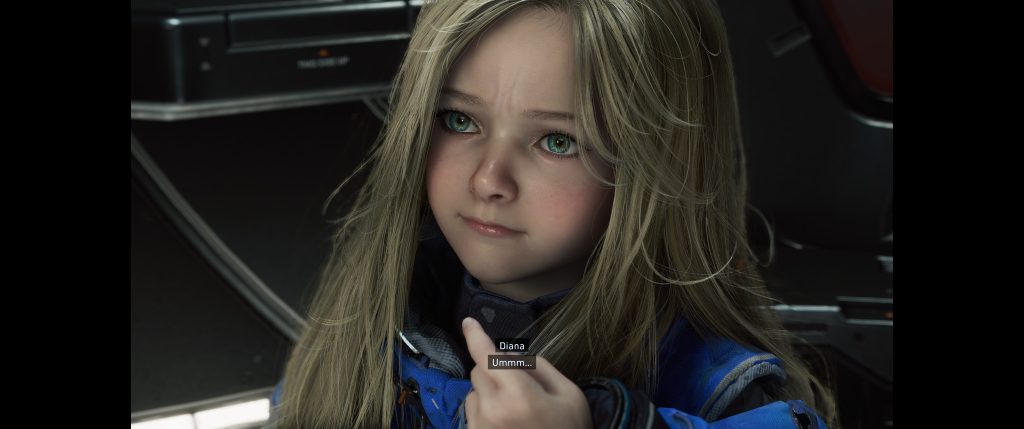
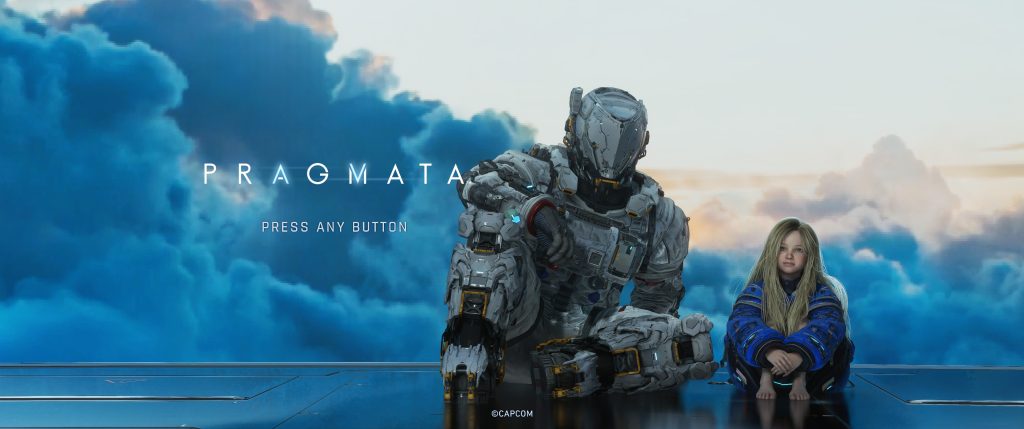
In Pragmata you are effectively in control of two characters at one time. The first is Hugh, the type of rugged, heavy-built protagonist we’ve controlled countless times before in video games. But in Pragmata, Hugh is practically helpless without the assistance of his sidekick, Diana, a lovable humanoid android whose presence becomes the core of the experience.
Most of the robotic enemies Hugh encounters are highly resistant to conventional gunfire. That’s where Diana’s hacking abilities come into play. By working alongside Hugh, she can expose enemy weak points, disable defensive systems, and create openings that allow Hugh to deal meaningful damage. The relationship between the two isn’t just narrative decoration—it’s deeply woven into the game’s combat design, forcing cooperation between brute force and intelligence at every turn.
And this is where the best thing about Pragmata starts to shine. The mix of third-person shooting and real-time hacking makes the game something truly different, and one of the most refreshingly original shooters of the current console generation.
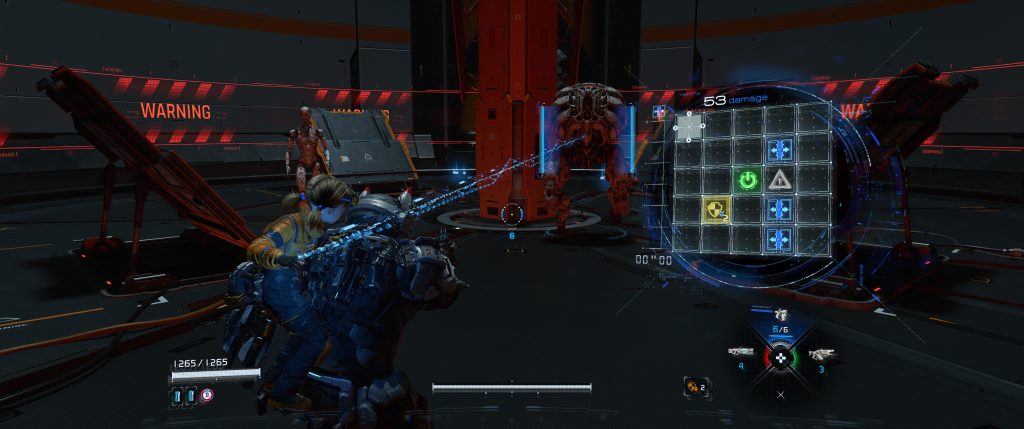
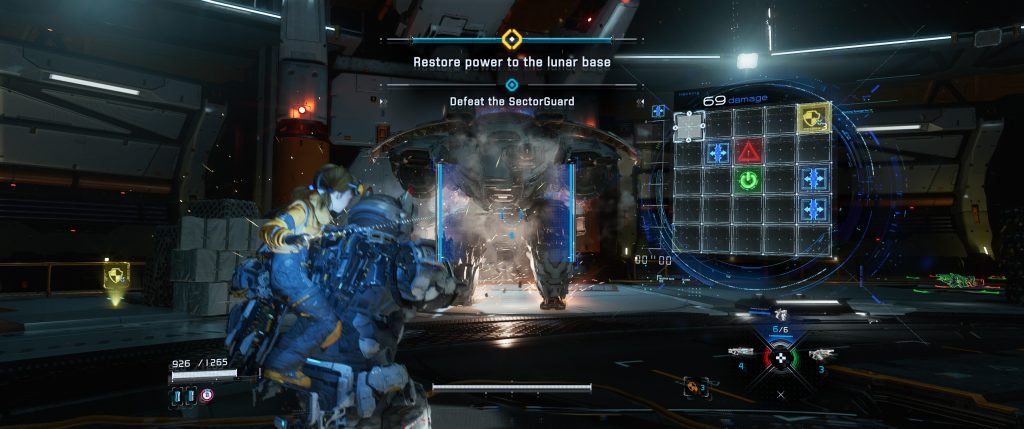
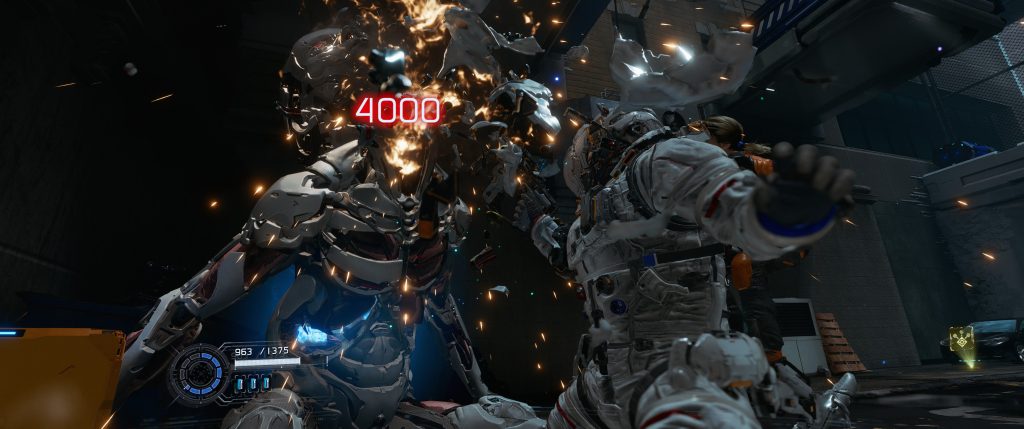
Combat in Pragmata is based on a simple but smart loop. To do any real damage you first need to use Diana to hack enemy bodies through a lightweight mini-game system. Once their defenses are weak or exposed, Hugh can finish the job with a couple of well-placed shots.
What I really love about it is that Capcom doesn’t just leave this idea at the gimmick level. The studio clearly understood that the core idea was strong enough to carry the experience, and instead of treating hacking as a repetitive interruption between firefights, they continuously build on it throughout the game.
And that’s where Pragmata’s gameplay ultimately shines. As you move forward, the combat systems, enemy hacking mechanics, and even the shooting itself slowly become something deeper and so much more demanding. The game is constantly pushing you to think harder, to come up with smarter strategies, to use your tools more efficiently, and to respond with more precision when under pressure.
As you go deeper, the level design and combat arenas become more varied. No longer are encounters based solely on firefights but instead they are layered scenarios that promote experimentation and adaptability. The real kicker is that, in spite of all its design prowess, Pragmata never feels unfair. Throughout the game you are given everything you need to survive the game.
More importantly, after a certain point, it stops merely asking you to survive and begins encouraging you to solve combat encounters creatively. The systems become flexible enough that finishing an encounter starts to feel less like following a prescribed solution and more like expressing your own playstyle through the mechanics Capcom has carefully constructed.
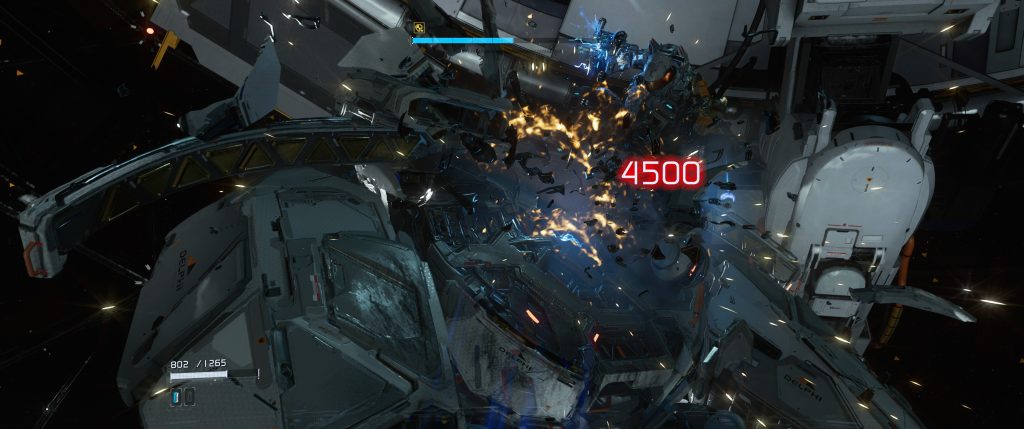
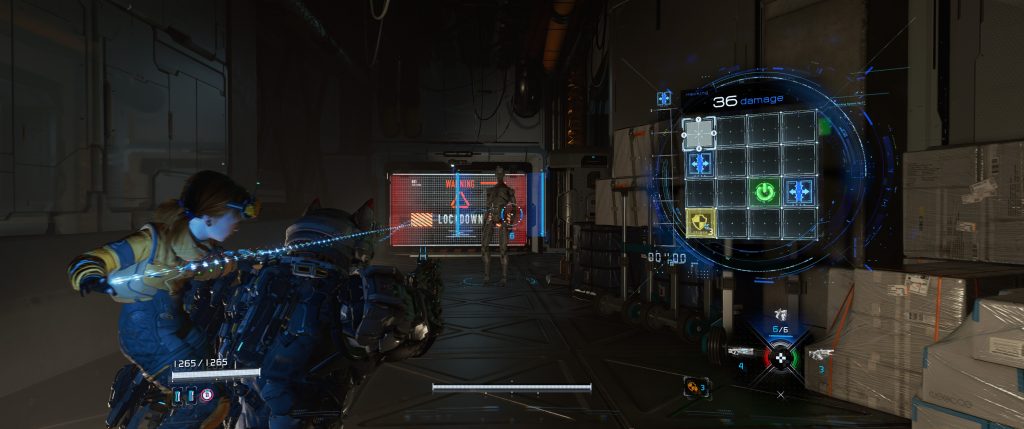
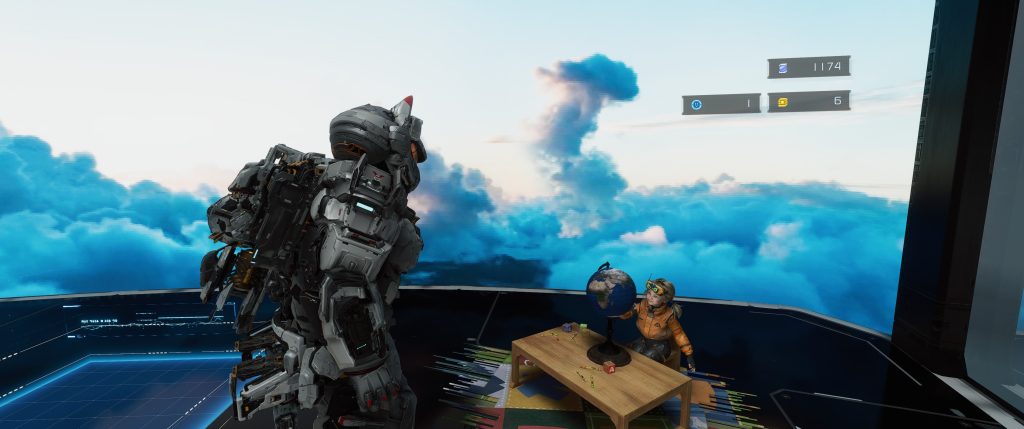
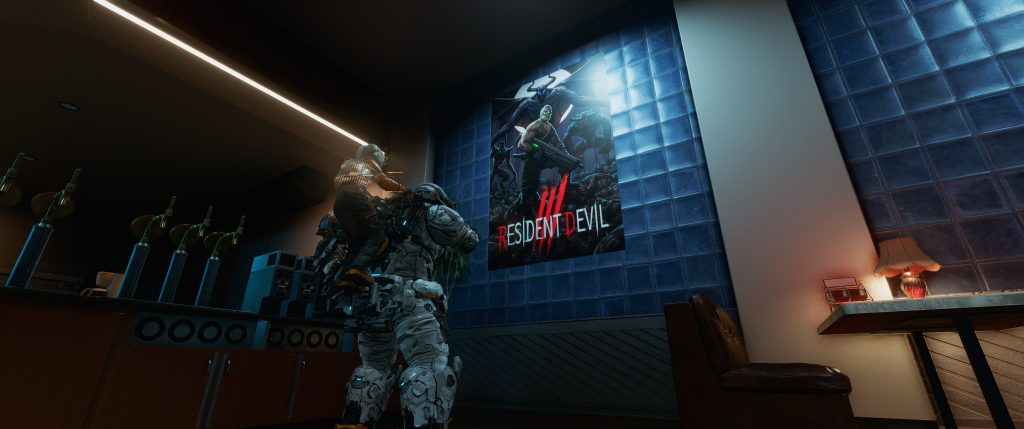
All this helps make the relatively simple encounter setups in Pragmata fade into the background. The game offers so much freedom and creativity to the player that the experience rarely feels repetitive, even after hours of play. The gameplay loop has a built-in sense of experimentation that makes it hard to get tired of the systems Capcom has built here.
On top of that, the game also has a surprisingly high number of genuinely useful upgrades, many of which you can’t just buy outright. Instead, unlocking more powerful abilities requires curiosity and exploration. To truly make the most of your arsenal, you’ll have to dig deeper into the beautifully crafted world of Pragmata and look beyond the obvious path.
These explorations often lead to more difficult optional challenges that are much like final exams for the player. The game throws you into encounters where the only thing that matters is how well you can master everything you’ve learned so far. To survive, you need to mix all your tools correctly, think quickly and use each mechanic right where it matters the most.
What’s just as impressive is that Pragmata never makes these challenges feel pointless. Before the adrenaline of a difficult fight has even faded, the game rewards you with meaningful upgrades or equipment that immediately prove valuable moving forward. It makes for a satisfying cycle of challenge and reward that gives the world actual exploratory value.
So Pragmata’s world is memorable not just because of its stunning visual beauty, but also because it continually stimulates your curiosity. Throughout, even to the very end, the game invites you to explore its strange and fascinating universe.
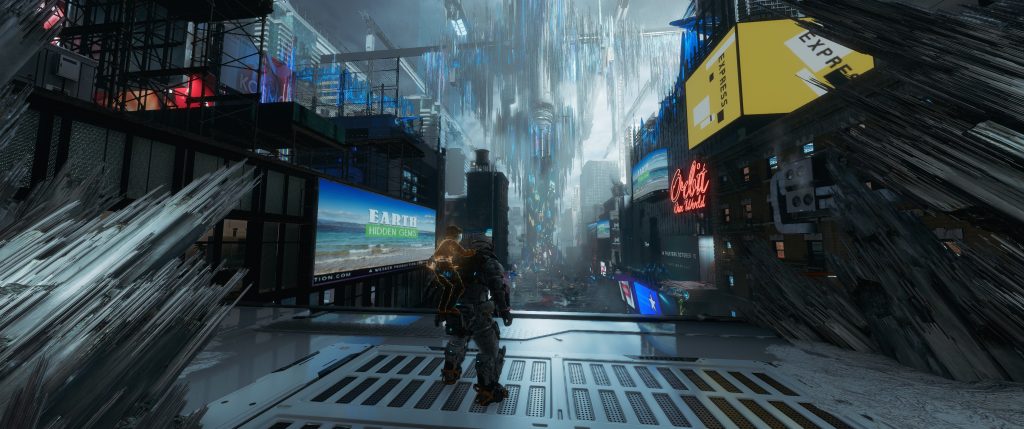
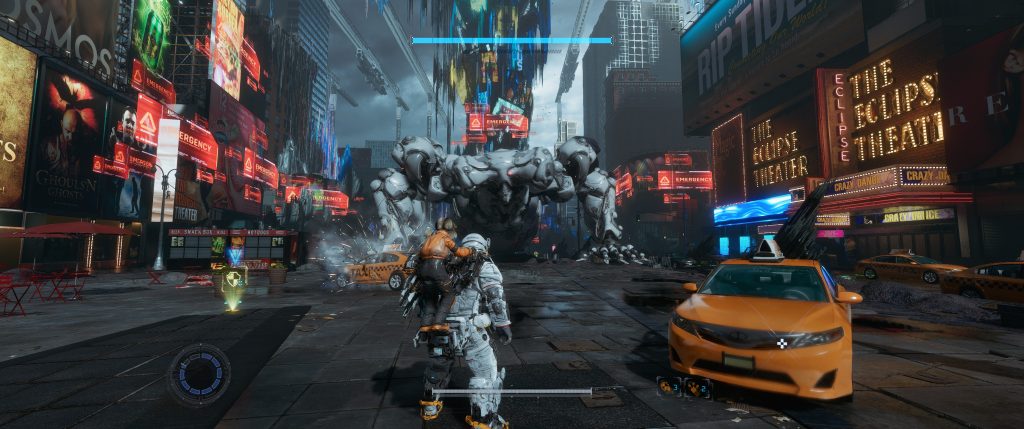
But beyond all that, the beating heart of Pragmata isn’t just its exciting gameplay systems. But I think the characterization of the cast, in particular Diana, is what really makes the game memorable.
The main game story might not be that groundbreaking at its core. It follows themes and emotional beats we’ve seen before, in science fiction stories. But Pragmata is elevated by the relationship between Hugh and Diana, and the exceptional dynamic the game builds between them over time.
As the game progresses, your attachment to both characters increases. Diana is a representation of a child who loves to explore and question everything. She has an insatiable thirst for learning, and she always wants to know why adults behave in ways that seem strange and incomprehensible to her.
On the other hand, Hugh is a representation of the exhausted parent that now has to take care of his daughter. He not only has to make sure that nothing bad happens to Diana, but he also wants to help her grow and develop properly. It’s this emotional contrast between innocence and responsibility that gives Pragmata much of its soul, grounding all of its sci-fi spectacle in something surprisingly human.
But the way this father-daughter relationship plays out is not what you would expect from seeing it portrayed thousands of times in video games. What makes Hugh and Diana’s relationship feel unique is how warm and realistic it feels, thanks to its writing and interaction design instead of relying on a few emotional scenes or conversations.
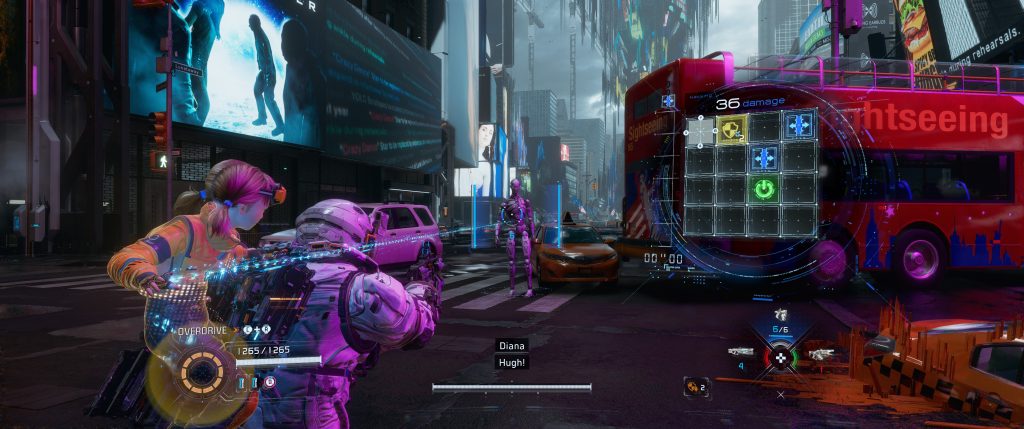
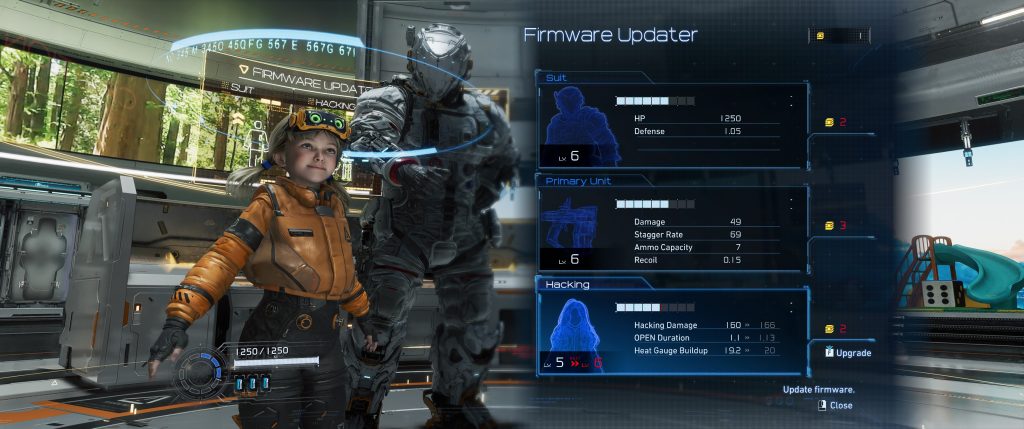
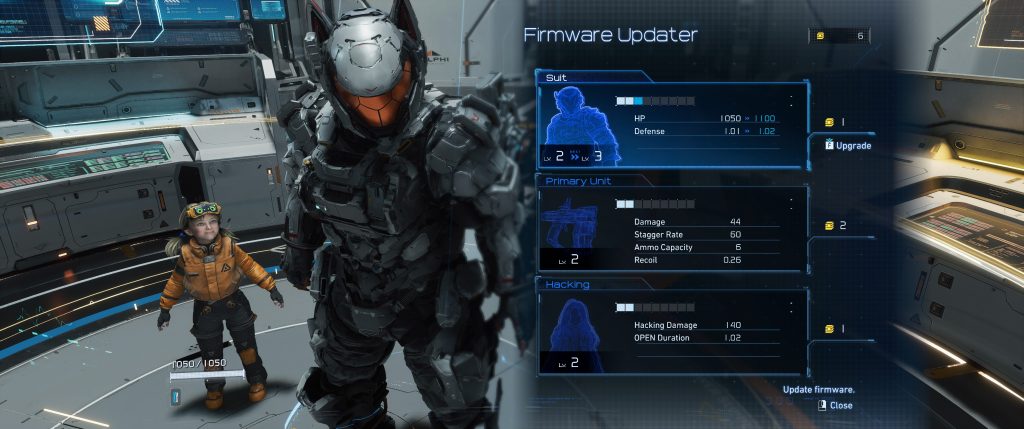
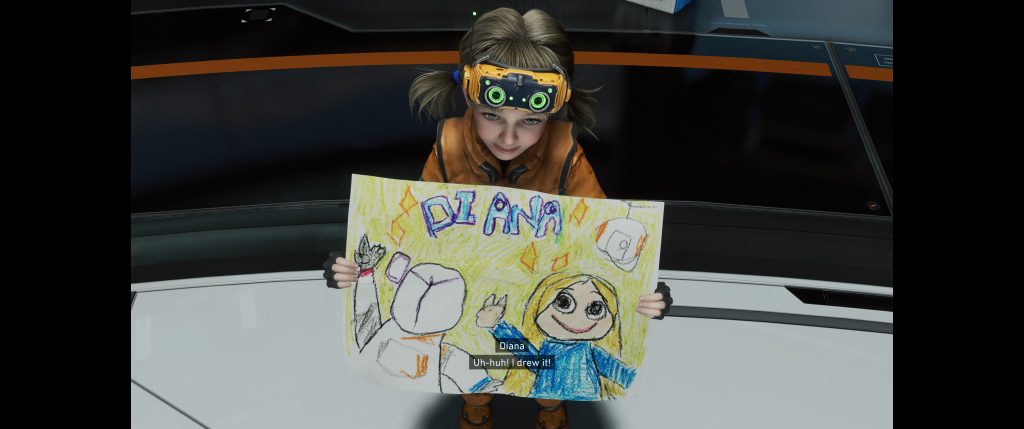
Pragmata always finds new ways to make you form an emotional connection to Diana—and consequently, to Hugh as well. It can be as simple as giving you no task except to listen to Diana and make her feel good by doing something as innocent as bringing her a basketball that she throws right back at you in a mischievous manner. On other occasions, after completing a difficult quest, you will find her waiting for you in the hub, having drawn a small drawing that reminds Hugh how much he means to her.
Then there are those small things that make you wish to never leave her side. Listening to music together and watching Diana dance and laugh because she cannot control her own excitement.
In terms of the emotional bond that you create with Diana in Pragmata, this is really very much on par with how the bond between the player and Ellie was created in The Last of Us. The relationship is not the same in either case, but the strong protective feeling that the game instills in the player is quite similar—and there aren’t many games that can do this effectively.
To conclude, I am sincerely thankful to Capcom for approving such a risky game as Pragmata since this game turns out to be one of the most innovative AAA titles of the current generation of consoles. With other major video game franchises being stuck in a rut, Pragmata stands out in its excellent character development, innovative gameplay mechanics, and visually distinctive style.
The experience I had with Pragmata was so refreshingly memorable that I’d confidently recommend it to anyone who believes the world of video games has become repetitive or creatively stagnant.
The only real disappointment is that this wonderfully different experience doesn’t last quite long enough.
This review is based on the PC version
Score: 90/100

Other Articles

Mixtape Review
When the Mind Becomes the World | Constance Review