




As a long-time fan, I was both nervous and interested in Capcom’s new direction for the Resident Evil series even before I got my hands on Resident Evil Requiem. It made me wonder right away how you could combine the slow-building tension of classic survival horror with the more action-oriented style of the Resident Evil 4 remake and still make a cohesive, interesting experience.
There was a bigger worry hanging over everything, though. How does Capcom plan to end the long-running story of Raccoon City and give some of its most famous characters a fitting ending, all while dealing with such a big change in tone?
I’m glad to say that my initial doubts about Resident Evil Requiem have mostly gone away after spending some time with it. Capcom’s big change in direction no longer seems like a risky move that could go wrong. Instead, it has sparked a new interest in this game and the future of the franchise as a whole.



In a lot of ways, Resident Evil Requiem is a complicated and unusual experience. It is a game that doesn’t mind differences. You have Leon Kennedy’s action-packed parts on one side and Grace Ashcroft’s tense, resource-starved journey through darkness on the other. It’s a strange mix that seems like it shouldn’t work, like putting fire next to a bucket of ice. It shouldn’t be this easy for these two very different ways of playing to work together. You would think that one would hurt the other, or at least change the overall tone. But Requiem dares to make its identity based on this tension.
The level design and gameplay structure of Resident Evil Requiem are so precise that they make this duality work. Capcom is so sure of how to keep things balanced that Leon’s and Grace’s parts never get in the way of each other.
At first, the game puts you firmly in the survival horror genre. It puts you in Grace’s shoes, where you have little ammo, are constantly being attacked by enemies, and have to keep going back through connected areas to find new paths. You feel like you’ve earned every step forward and every encounter is a calculated risk. It’s a slow, planned fight where stress is the most important thing.
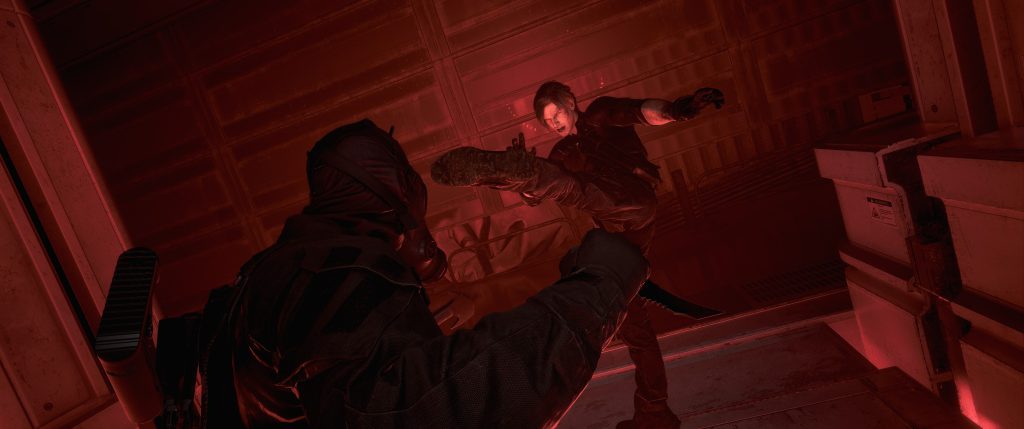

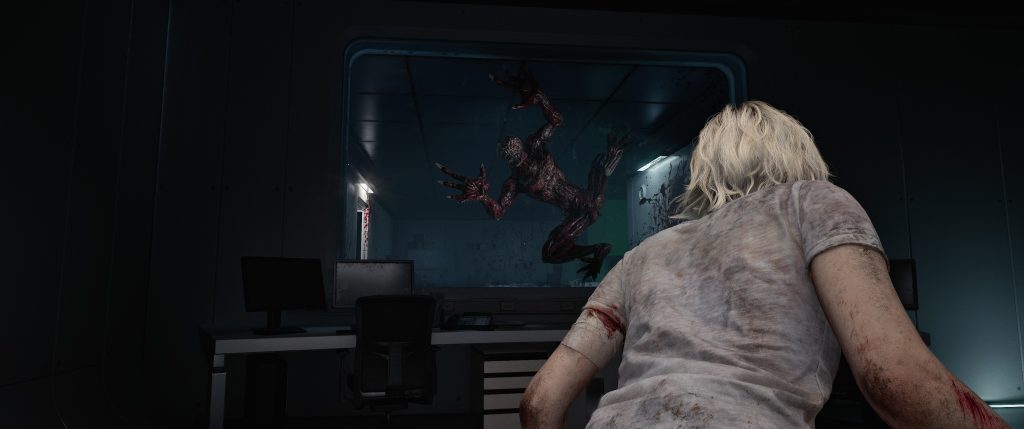
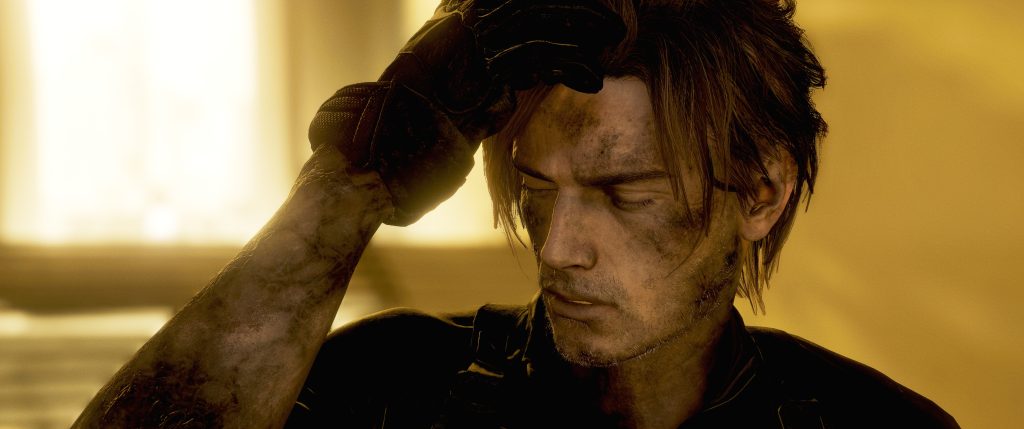
Then, just when you’ve figured out how to deal with these problems—how to save resources, avoid threats, and solve environmental puzzles—the game changes. And that turn is what it gets. When you take on Leon’s role, all of that built-up stress is released in the best way possible: by letting you tear through the threats that once seemed too big to handle. It’s a smart design idea that turns differences into benefits instead of problems.Leon’s segments are like the perfect sweet-and-sour topping for a rich dessert. They’re sharp, bright, and just what the experience needs at the right time. The change in tone is so sudden that the tension you’ve been carrying in your body melts away, and an adrenaline rush turns you from prey to predator.To show how elegant the level design in Resident Evil Requiem is, think about how the game starts with Grace. At first, you feel like a victim—lost, scared, and not sure where to start. The game puts you in strange places, even by Resident Evil standards, as you slowly get used to your surroundings.
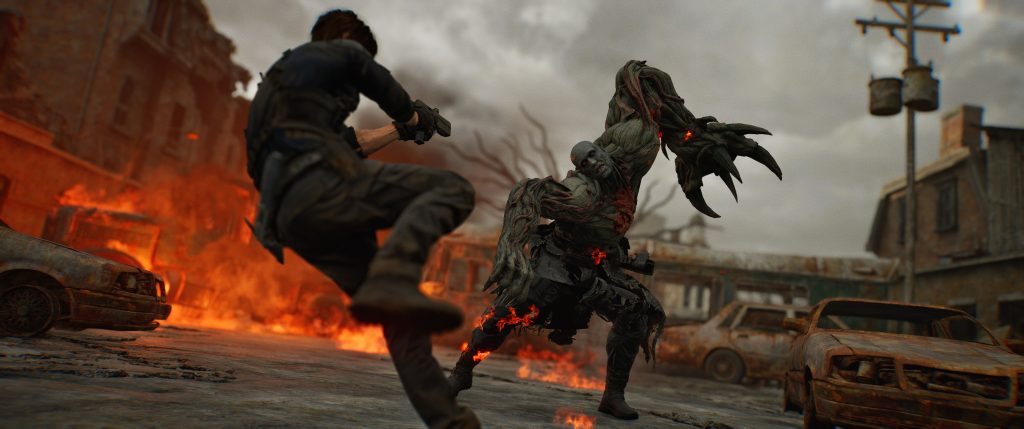
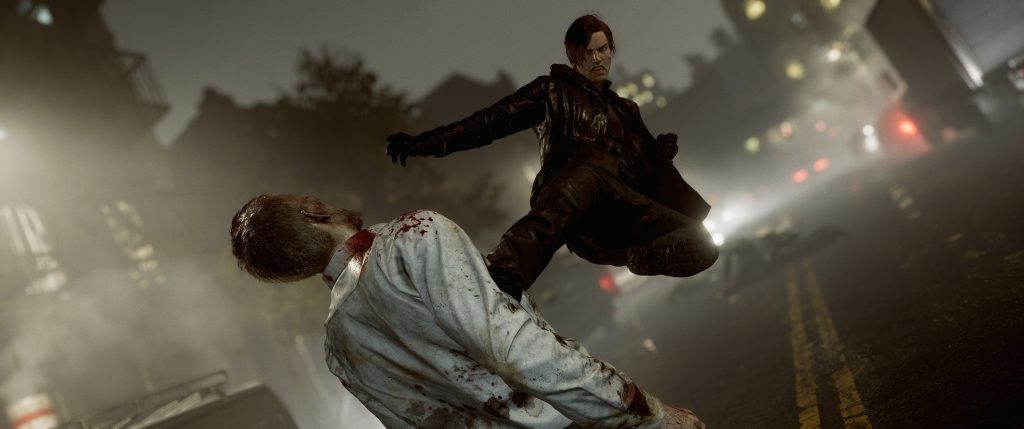
Enemies are no longer just things that get in the way; they feel like people. Each one has its own unique identity. You might run into a huge butcher whose size makes your bullets almost useless, making you rethink your whole strategy. In other places, you’ll meet enemies who clearly lived in the world before its downfall—former singers, lighting technicians, or even the people who used to take care of the mansion you’re now trying to survive in. This focus on the little things not only makes the experience more immersive, but it also brings out the unsettling humanity that lies beneath the horror.
In their own way, each of these enemies leaves a lasting impression, and even more importantly, they all have a big impact on how the game is designed. For example, when you don’t have enough ammo. The game doesn’t force a direct confrontation; instead, it gives you other options. You might be able to get past a zombie who used to be an electrician by just turning the lights on and off. This takes advantage of the fact that he still has some human instinct to keep things in order, even after death.

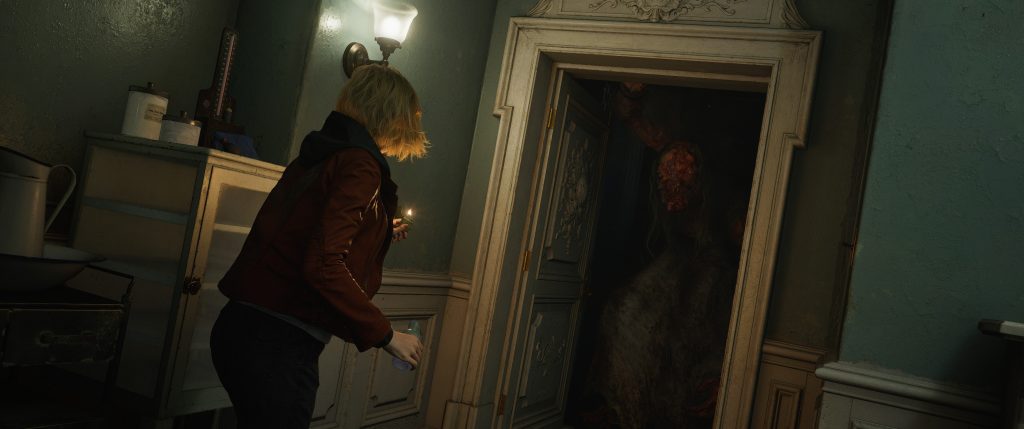

This layered approach makes the gameplay much more complicated than in Capcom’s previous games. Requiem is one of the most polished and interesting survival horror games to come out in the last few years, especially in Grace’s parts.
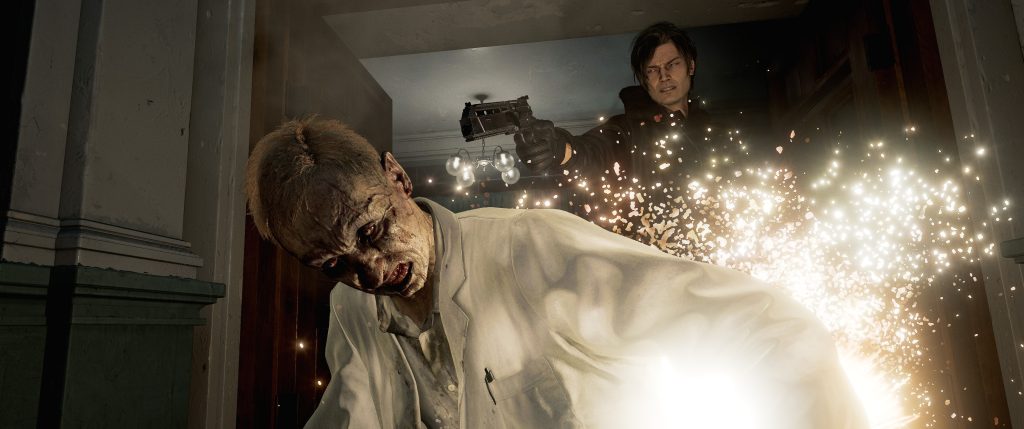
On the other side of the equation, once you’ve pushed through those punishing challenges, the game finally lets you unload all that bottled-up frustration. Leon’s sections are exactly what you would expect if you’ve played the Resident Evil 4 remake: just as stylish and distinctive, but heavier, harsher, and far more savage.
The moment you take control of Leon, you are no longer the victim. In fact, those same characterful zombies that once forced you to hesitate, improvise, and survive now become the ones at your mercy. They are no longer threats to be avoided; they are targets to be dismantled in a dozen brutal ways. In an instant, all of the hardship, tension, and helplessness gives way to a deeply satisfying act of payback. It’s a rare kind of release—one I genuinely doubt you’ve experienced quite like this in any other game.
Overall, Resident Evil Requiem offers a very polished gameplay experience that will please even long-time fans of the series. It’s not often that a title finds this kind of balance between paying homage to its past and moving forward with new ideas.

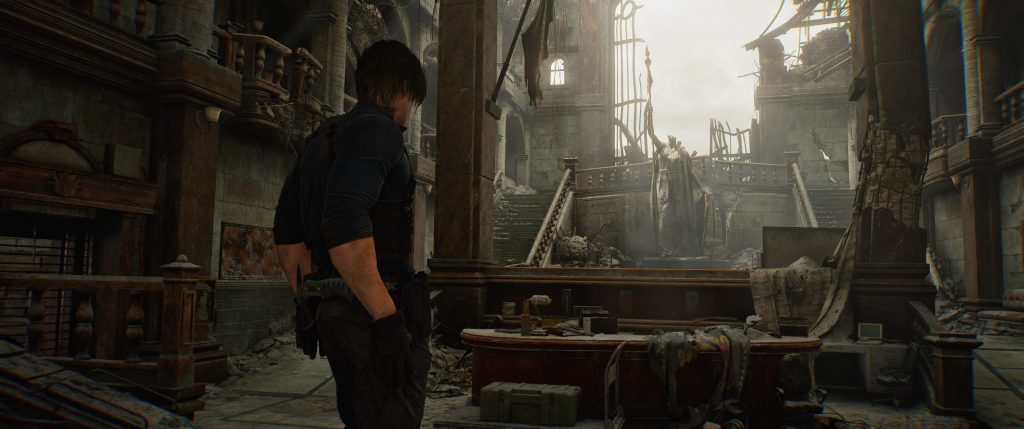
The game’s short runtime is one of its biggest flaws. A normal playthrough takes about 12 to 13 hours, and because the game is so fun, it’s hard not to want to spend a few more hours in this world. That being said, the game’s high replay value makes up for this flaw in a big way. I’m sure that coming back for a second or even third playthrough will not only keep your interest, but it might even be more fun than the first time.
In addition to all of these Pros, Resident Evil Requiem may have one of the most complicated stories in the series’ most recent games. It tells a very mysterious story that keeps you interested until the very end. The game adds to the franchise’s lore by asking new questions and answering some of them while leaving others unanswered on purpose.
From a story point of view, it does a good job of bringing the Raccoon City era to a satisfying end. When the credits roll, you can tell that the story has come to a clear end. But the unanswered questions and gaps that remain still make you curious, getting you ready for whatever comes next in the series.
I believe that Resident Evil Requiem is the best game in the series in a long time. It is far better than the average game in terms of gameplay and level design. It is polished, confident, and very replayable. It stays interesting throughout the story, keeping you interested until the end and beyond, when you’re still curious about what will happen next in the franchise.
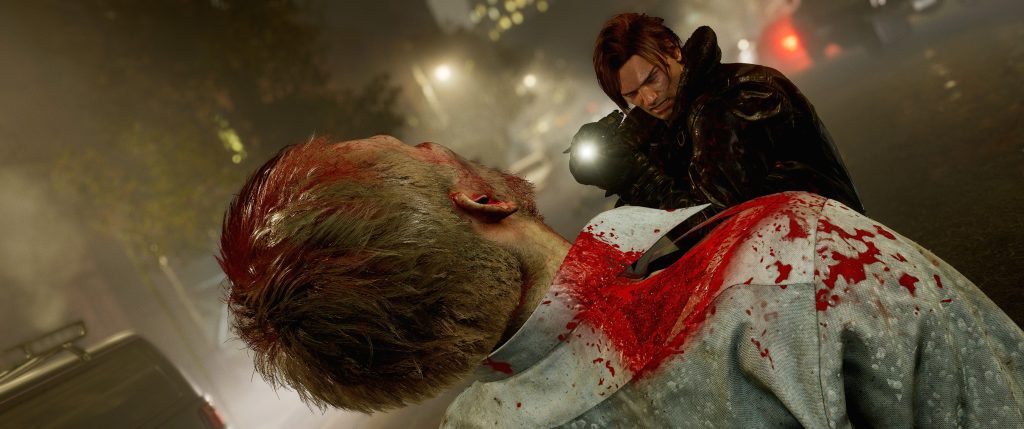

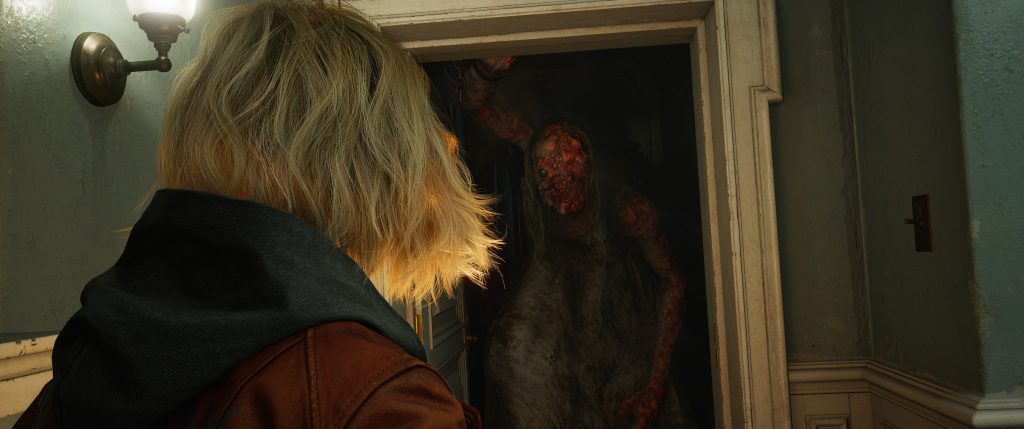
The game is solid in every way, including technically, artistically, and musically. Requiem is a high-quality game made with Capcom’s RE Engine and a team of talented composers. It clearly cares about its players’ senses. Its sound design is one of the best in the survival horror genre in the last few years. It uses sound very carefully to build tension and fear at just the right times.
As a long-time fan, it’s hard to ask for much more from a Resident Evil game. Resident Evil Requiem feels like a fitting and memorable send-off, the last chapter in a story that has been going on for more than 30 years. The fact that it intentionally includes nostalgic elements only adds to that feeling. And now, it really does feel like the right time to say goodbye to the story of Raccoon City. This is the best way to say goodbye.
This review is based on the PC version
Score: 95/100

Other Articles

Crimson Desert Review
Nioh 3 Review