


Powerful storyline doesn’t always require long speech, as demonstrated by some of the best independent games released in recent years. Rather, they convey their worlds through ambiance, environmental storytelling, and thoughtful puzzle design. Numerous developers were motivated to follow the same technique by the success of Limbo and Inside, but very few have succeeded in capturing the enchantment that made Playdead’s masterpieces so memorable.
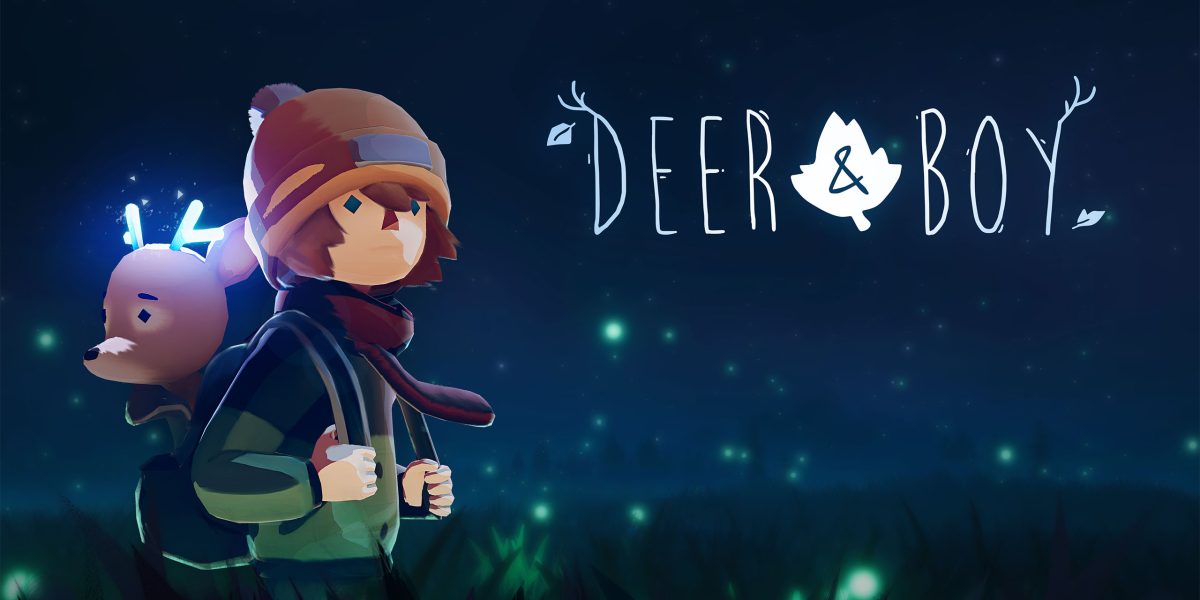
Wearing such inspirations with pride, Deer & Boy invites players to embark on an enigmatic, dark journey centered on environmental puzzles and exploration. But the question is whether it can coexist with the games that served as its inspiration, or if its uncanny resemblance eventually raises expectations that it finds difficult to meet.
A Story That Doesn’t Quite Stick
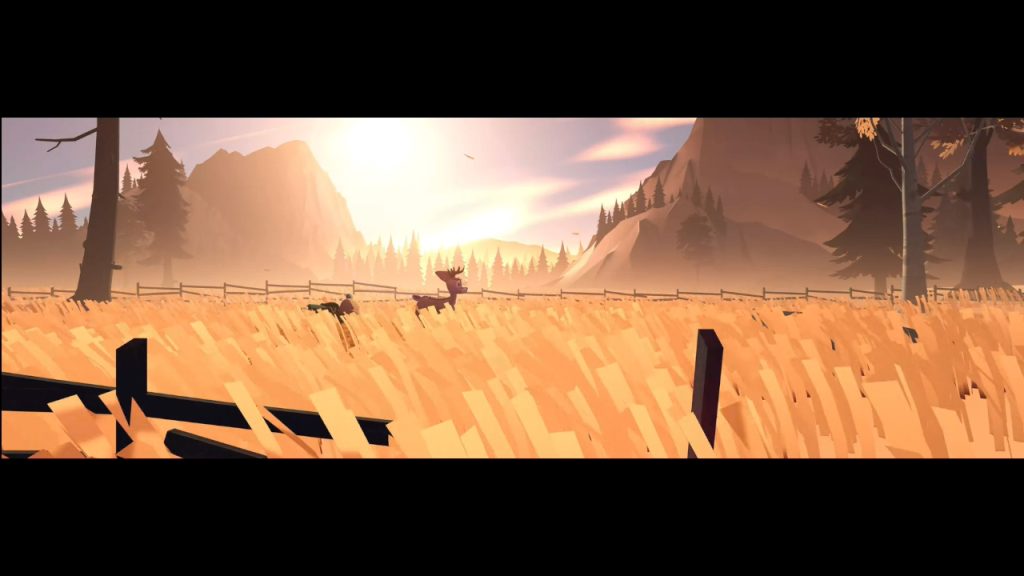
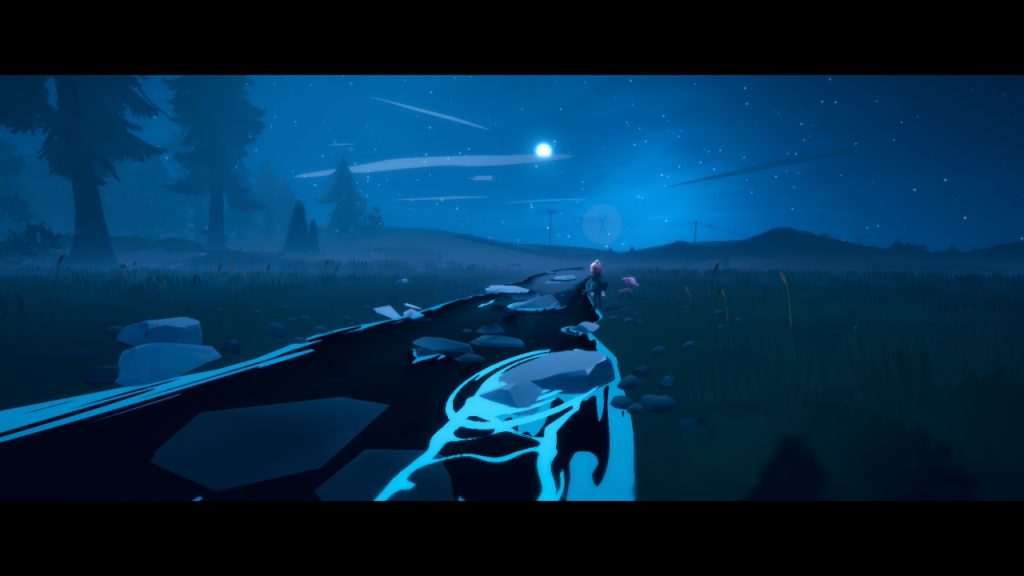
Deer & Boy starts with a young boy running away from home, heading out to an unknown destination. Before long he meets a young deer, and the two embark on a joint journey across a dark and dangerous world. Their ability to work together and overcome environmental obstacles and solve puzzles that neither could face alone, will determine their survival as their adventure progresses.
The story can surprise players, though, and there are a lot of familiar narrative conventions along the way. For example, early on, the game employs a familiar emotional setup that makes one of its key moments fairly predictable long before it happens. This results in moments that are clearly meant to be emotionally weighty just not quite hitting the mark they are going for. Fortunately, the final act takes the story in a less conventional direction and offers a conclusion that’s much harder to predict.
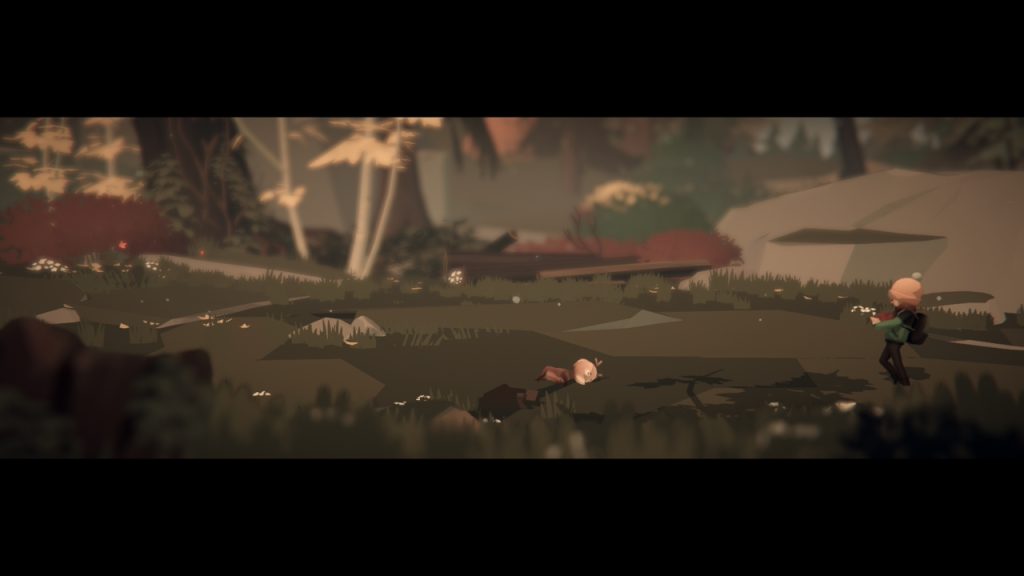
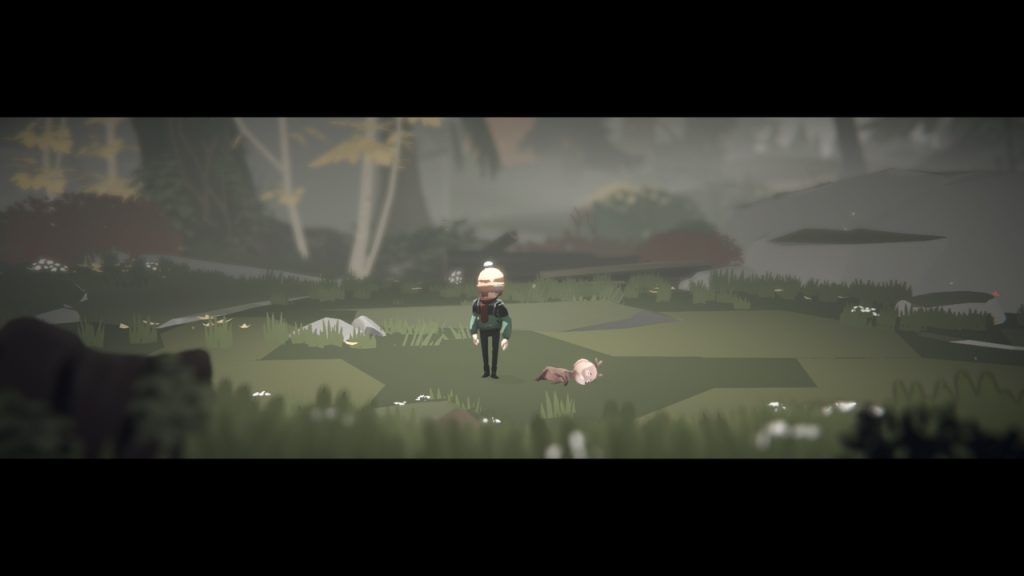
The relationship between the boy and the deer is the emotional heart of the experience, but it’s not always given the attention it deserves in its development. At one crucial moment in the story, the game zips through their abrupt separation so fast that the scene is over before its emotional weight can settle in. And this is not a one-off problem. Several key interactions between the two protagonists pass by without enough room to breathe, preventing their bond from becoming as memorable or emotionally compelling as the game clearly intends.
Brilliant Flashes in the Face of Repetition
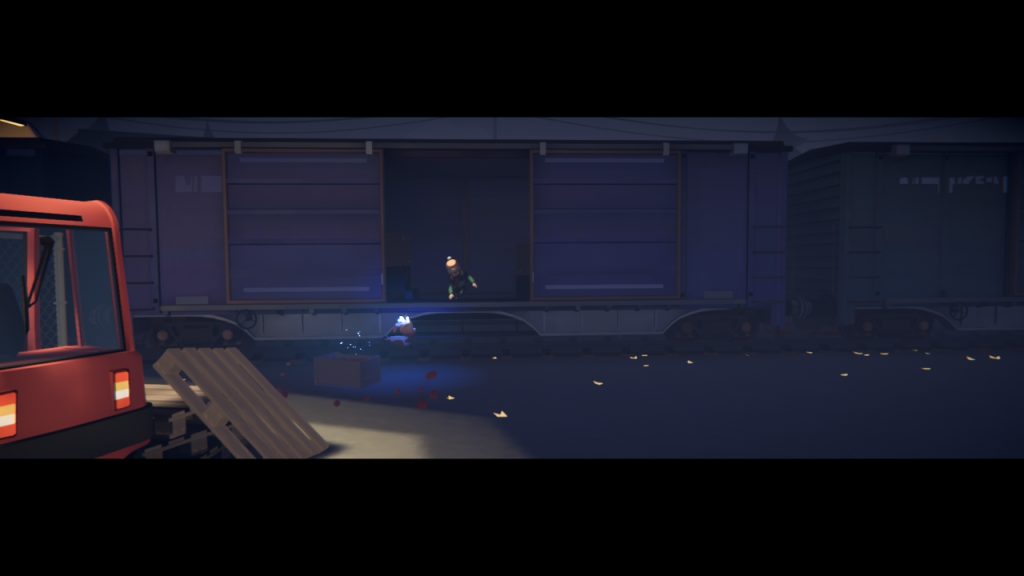
Deer & Boy suffers from a major gameplay flaw, namely a heavy reliance on a single environmental obstacle. The game seems to run out of fresh puzzle ideas over the course of the adventure, and frequently falls back on the same interaction: a pair of wooden planks nailed together that the youngster needs to pry apart to open the path ahead. The mechanism, if used too often, quickly becomes unoriginal and turns what is at first a simple environmental puzzle into a routine. The puzzle design has lost some of its variety, which makes the overall quality of the gameplay feel a little uneven.
Thankfully the game gets considerably more difficult as it progresses. Compared with the first hours, later chapters bring more creative ideas and more diversity. The stealth sections are also good, as they add a good amount of suspense without breaking the flow of the game. The child and the deer work together to solve some of the game’s best puzzles, cleverly using their special skills to create captivating environmental interactions. The core gameplay is fun, if not occasionally repetitive, as the deer’s AI is generally dependable and character movement is responsive throughout.

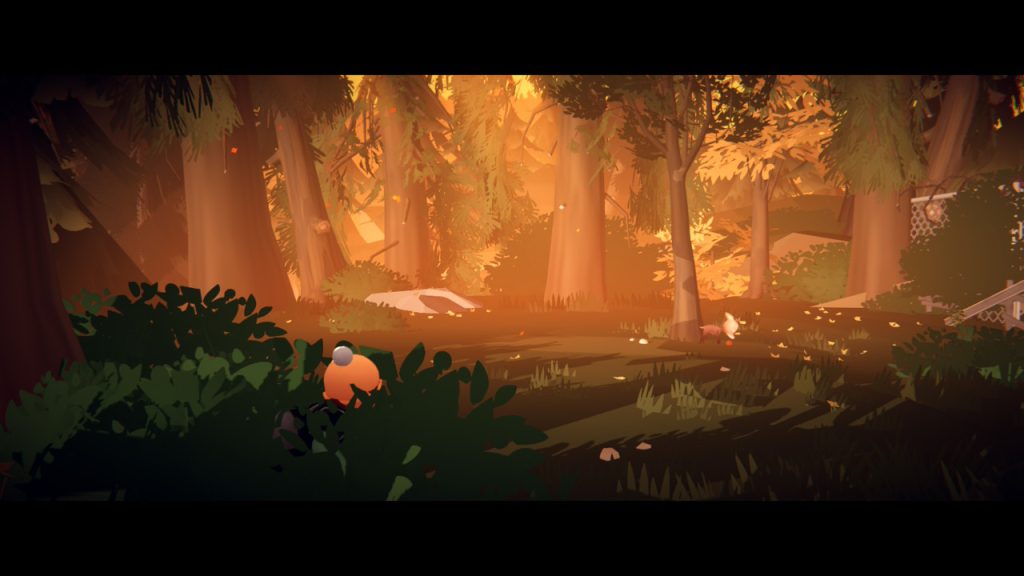
Where Deer & Boy falters, however, is onboarding. The game does a pretty poor job of teaching several controls and features so players will have to pause the game and actively browse the control menu to know how some actions work. One example that stands out is the boy’s ability to show care for his buddy by petting the deer by pressing down on the D-pad. The relationship between the two characters is important, because it provides the heart of the story, although it may not be directly related to the puzzle-solving. It seems like a missed opportunity that a meeting can be so easily overlooked.
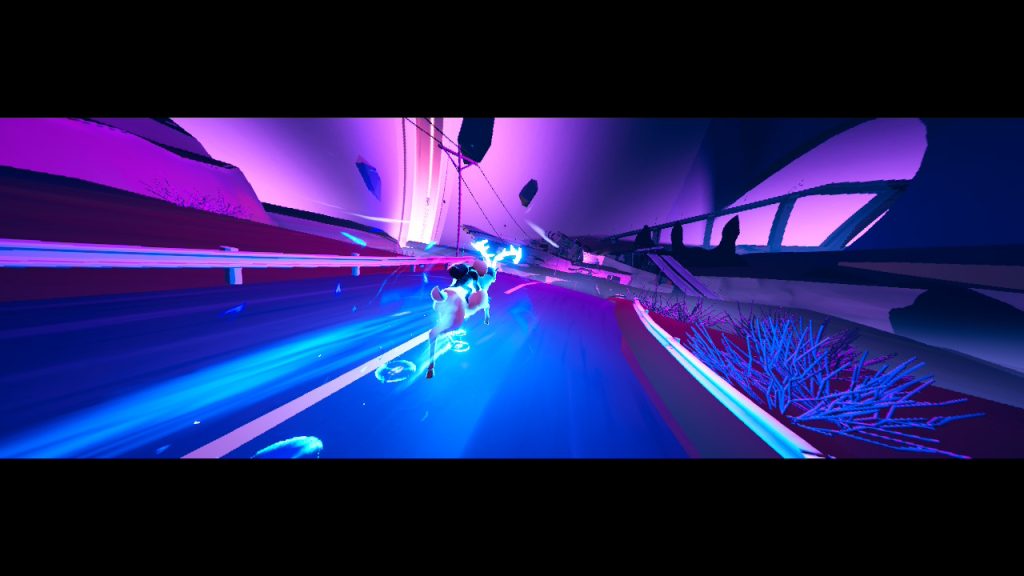
However, Deer & Boy ends on a much stronger note, introducing new gameplay concepts towards the end of the adventure. One of the most memorable moments in the game is riding on the back of the deer, and the sudden shift in perspective from the game’s normal side-scrolling shot to a third-person camera is an unexpected but welcome change of pace. While it’s a relatively short sequence, it’s one of the most memorable gameplay moments in the entire experience and gives the ending a unique personality.
The Chapter Select feature can be very useful in the game. Players can jump straight to their favorite scenes as they can access almost every major part and key event at any time without having to replay the full adventure. This quality-of-life element is one of the best design decisions the developers have made. Much like the chapter select systems in Limbo and Inside, the game makes it easy and fun to revisit special moments or find overlooked information.
Visual Variety, Uneven Lighting
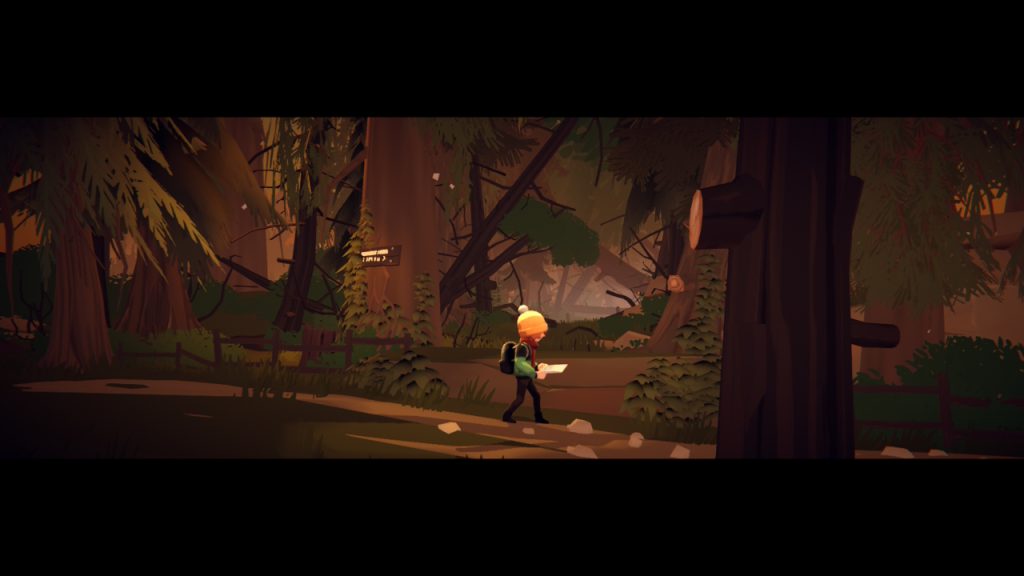
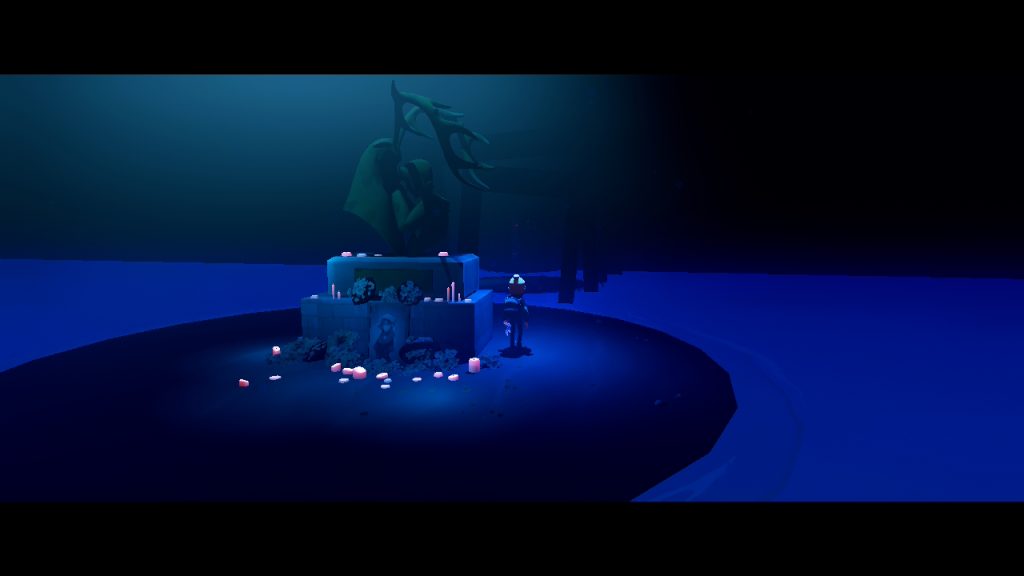
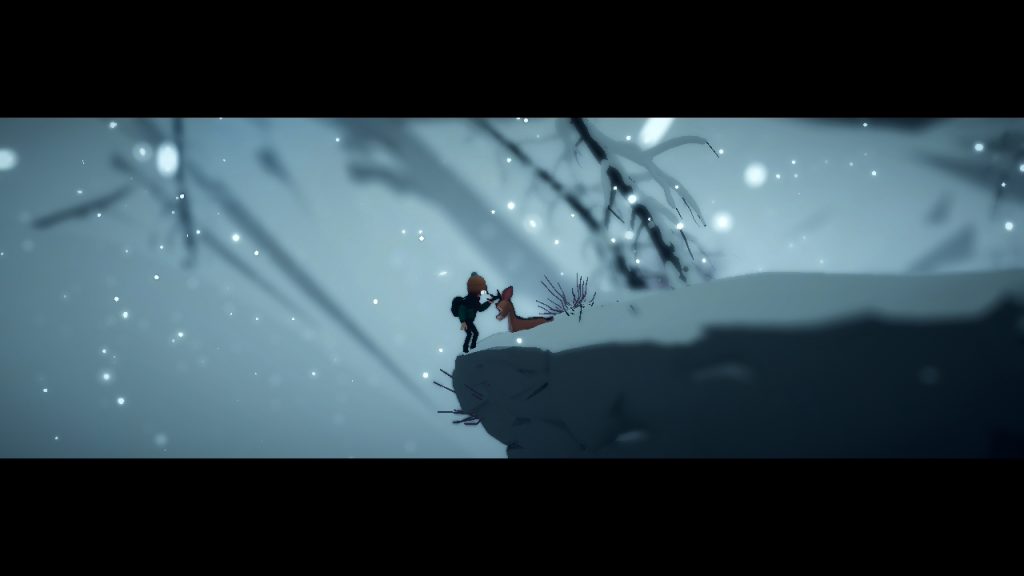
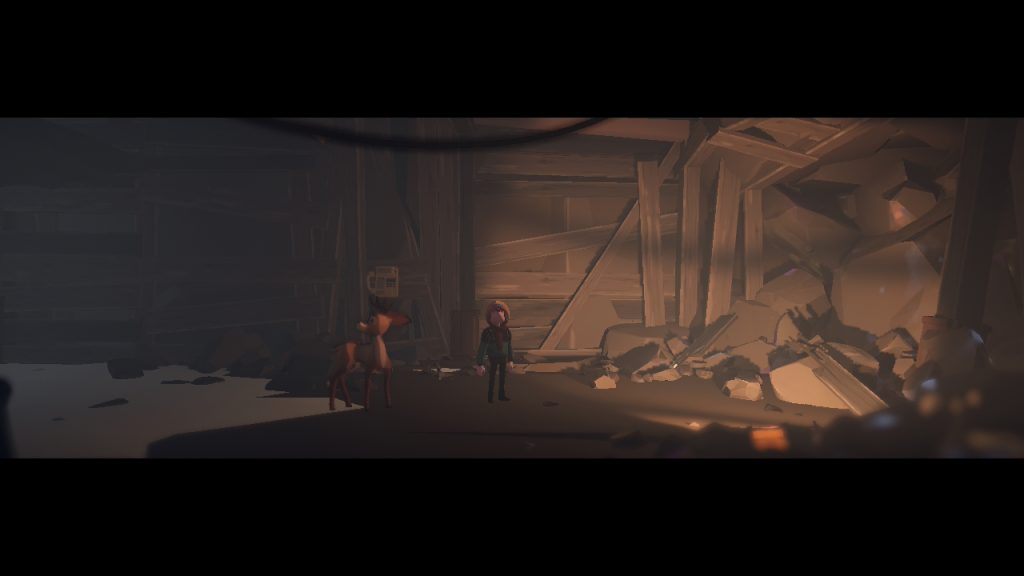
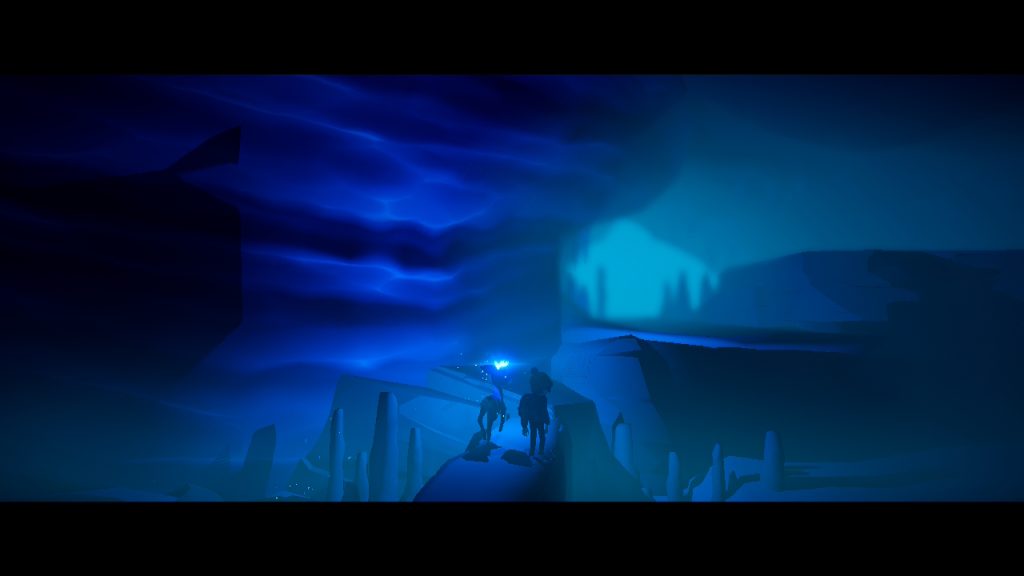
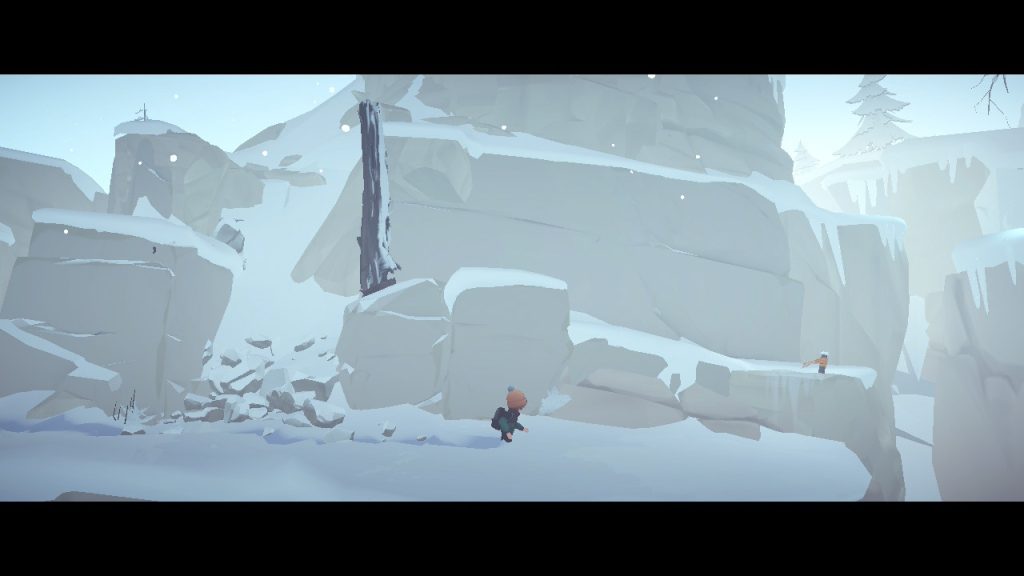
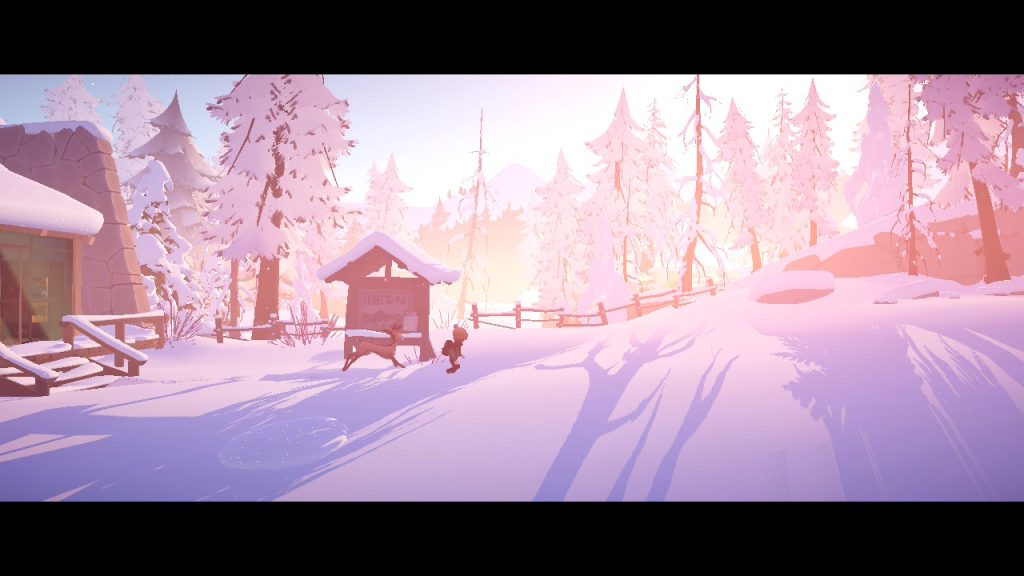
From a visual standpoint, Deer & Boy has a great artistic presentation. One of the more impressive aspects of the game is the variety of environments you will encounter on your journey. Rather than relying on a single style, the game always provides different environments, taking players through underground spaces, snowy landscapes, deep forests, city streets, unfinished construction sites, and dimly lit apartments. The constant change of scenery prevents the trip from becoming visually monotonous, and keeps the visual experience feeling fresh from beginning to end.
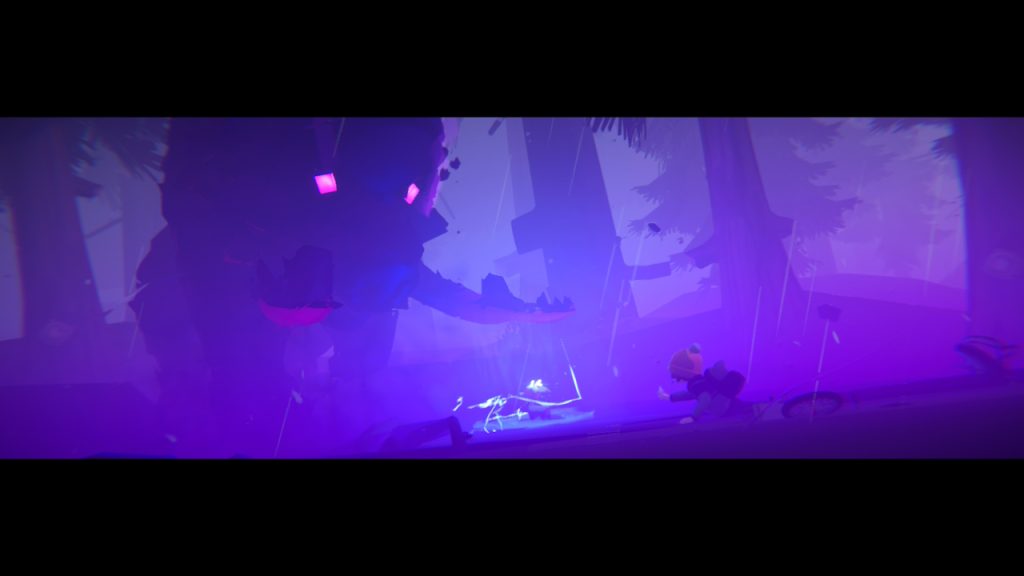
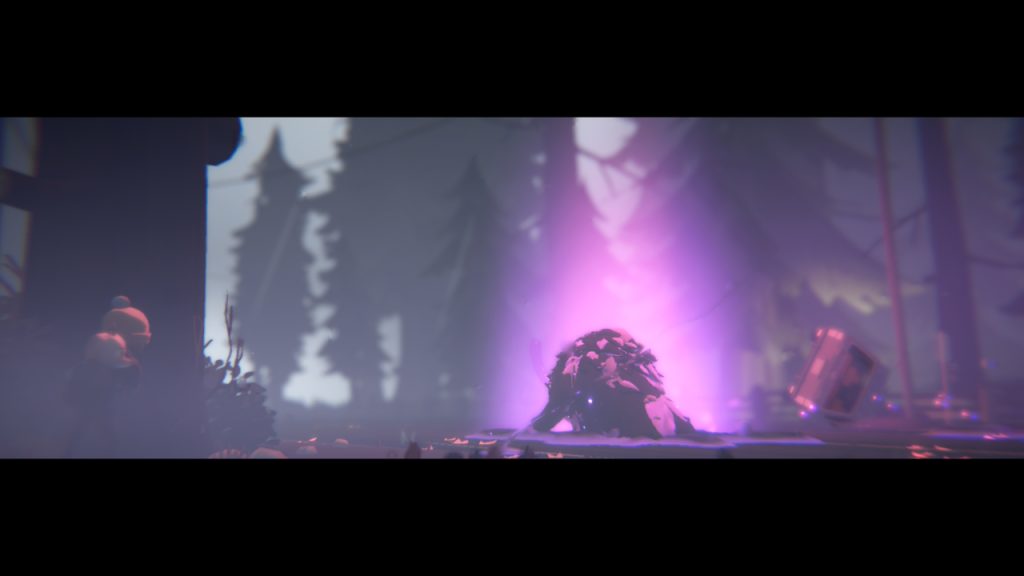
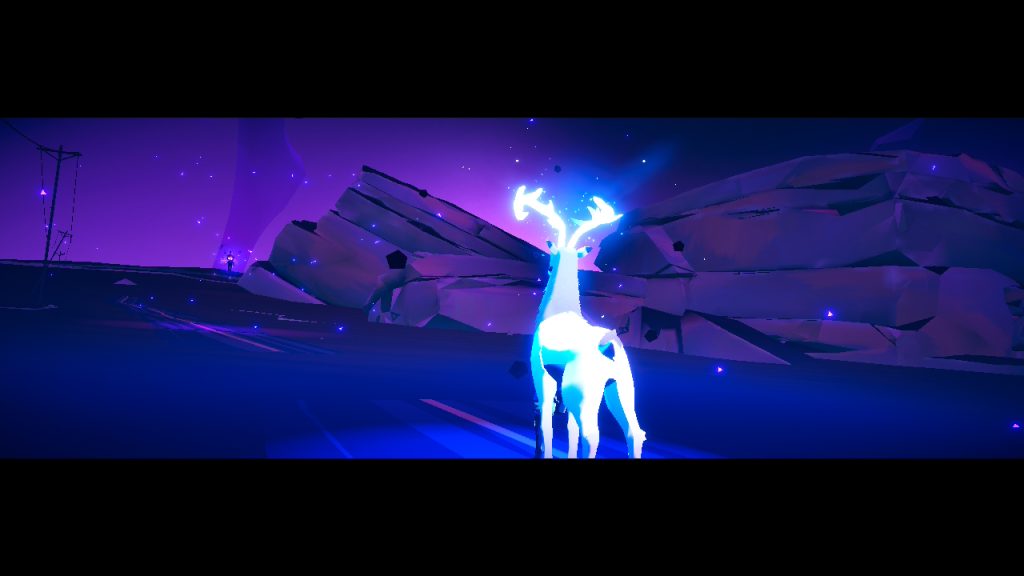
However, the quality of the lighting is not kept up consistently throughout the game. One section goes off on the wrong foot as it is dominated by a rich purple color scheme. General illumination as well as the heavy use of purple lighting have a considerable impact on environmental readability, making it difficult to identify key features and properly interpret the environment. At times the lighting in this game can work against the gameplay, rather than enhance the ambiance by blocking visual clarity.
A Rough Start, A Smoother Finish
Deer & Boy is technically terrible in the beginning. In the prologue and the first 20-30% of the journey there were frequent frame rate drops and occasional stuttering that constantly broke the immersion. I spent roughly half the game playing docked on Nintendo Switch 2. They stood out particularly in the first few scenes and made the game feel less fluid than it should have.
Luckily the technical performance improves as the adventure progresses. I played the second half of the game in portable mode and had almost no major performance issues. The game is a little unstable at the beginning and doesn’t give the best first impression, but the stability gets a lot better as the journey goes on and it makes for a much more seamless experience in the second half of the voyage.
Final Verdict
Overall, Deer & Boy offers a worthwhile experience for fans of games like Inside and Limbo. Its varied environments, well-executed stealth sequences, cooperative gameplay between the boy and the deer, comprehensive Chapter Select system, and several genuinely inventive gameplay ideas are enough to fill, at least in part, the void left by Playdead’s classics.
That said, the game never quite reaches the same level of polish or consistency. Its repetitive use of a single environmental obstacle, the underdeveloped relationship between its two protagonists, the lack of clear tutorials for certain mechanics, inconsistent lighting in some areas, and a technically rough opening prevent Deer & Boy from matching the craftsmanship of the genre’s finest examples. Even so, beneath those shortcomings lies a sincere and enjoyable adventure that demonstrates plenty of potential—and suggests that the developers are capable of delivering something truly special in the future.
This review is based on the Nintendo Switch 2 version
Score: 80/100


Stronghold 4 Demo Review
Ticking Through the Depths of Hell| Hell Clock Review