


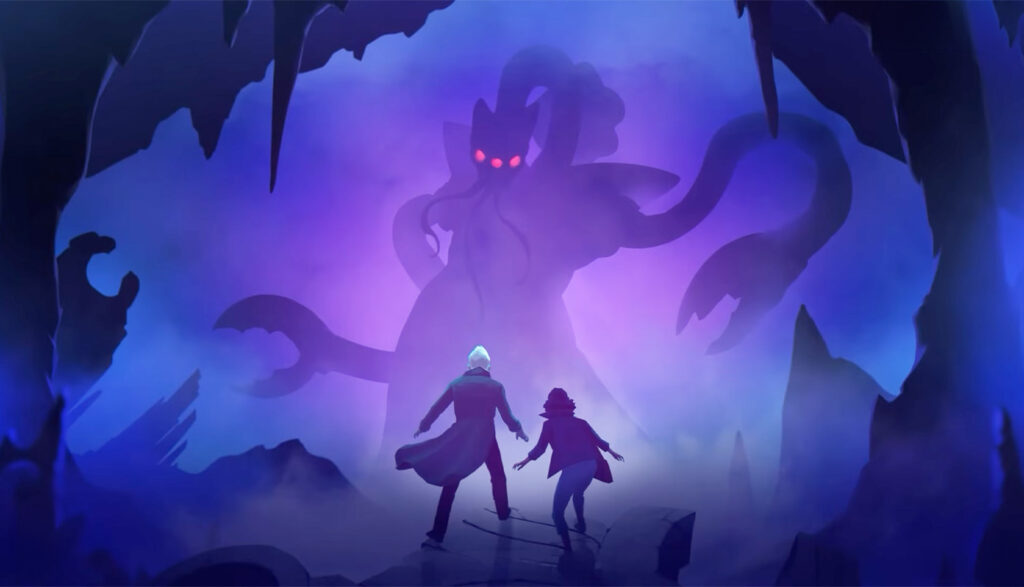

While most modern sequels try to go bigger, flashier, and more extravagant, Call of the Elder Gods takes a different path. It prioritizes creativity, diverse scenes, and puzzle design. Instead of cliché horror tropes or loud actions, the game stays true to its roots, leaning into mystery, lore, and atmosphere. Here, fear doesn’t come from a jump scare or a gunfight; it builds up as you get uncomfortably close to the truth.
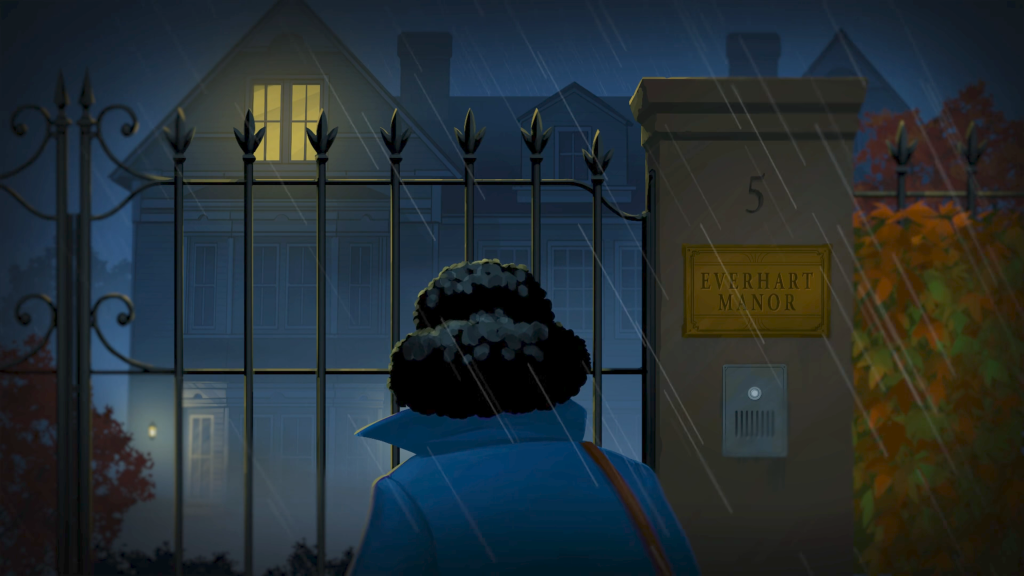
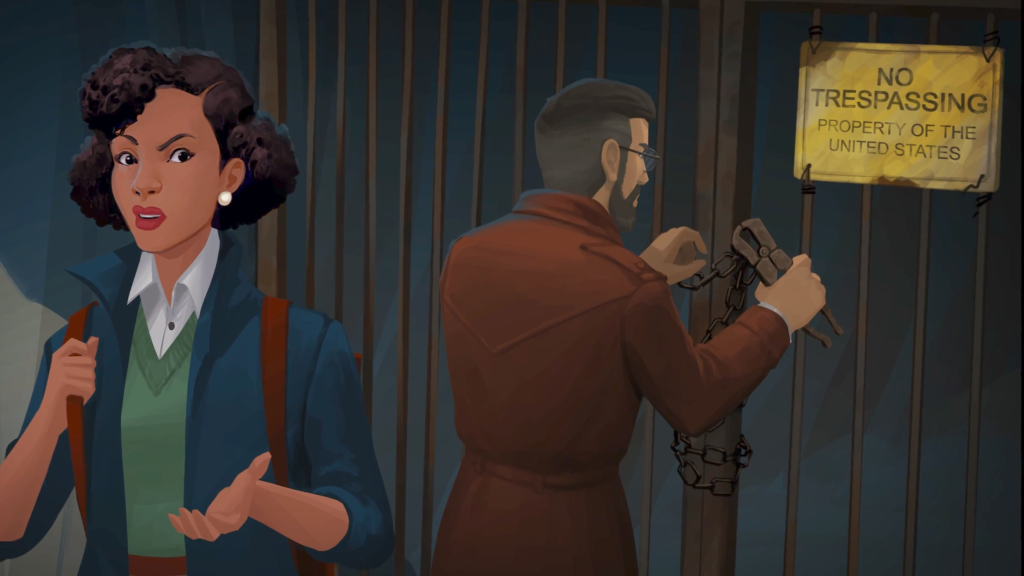
The story follows Harry Everhart and Evangeline Drayton. whom players may remember from the previous game as Nora’s husband, who is still haunted by a past he cannot leave behind. Evangeline is a student haunted by strange dreams who finds herself drawn into a mysterious journey alongside him to uncover the truth.
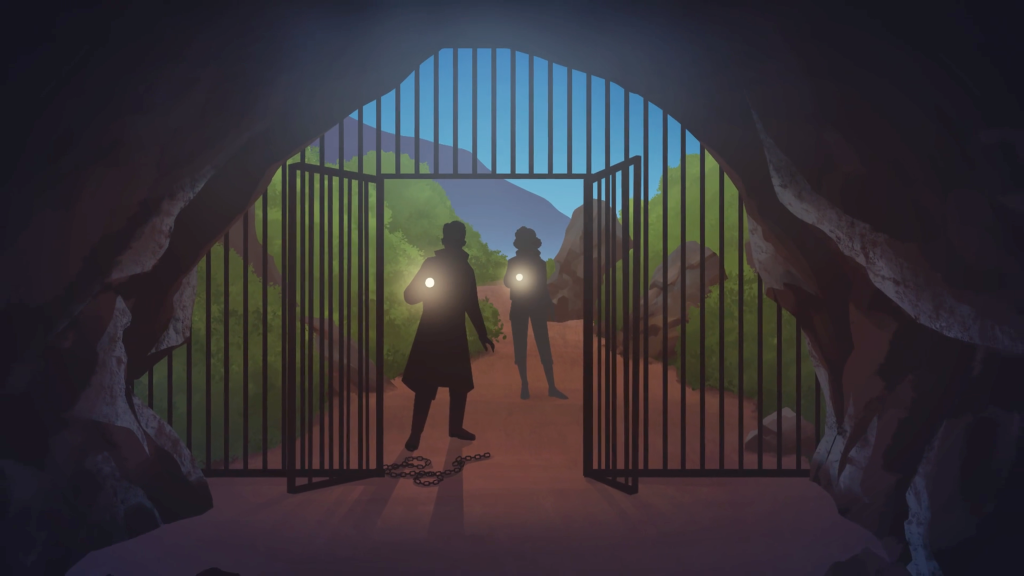
From the very beginning, the game captures your attention with beautiful natural landscapes and faces an unknown environment. The storytelling remains faithful to Call of the Sea also information is rarely delivered directly; instead, the game relies on environmental storytelling, notes, dialogue, and puzzle-solving to communicate its world and narrative, that means players unwilling to carefully observe their surroundings, read documents, and piece together clues will miss a significant part of what makes the experience compelling.
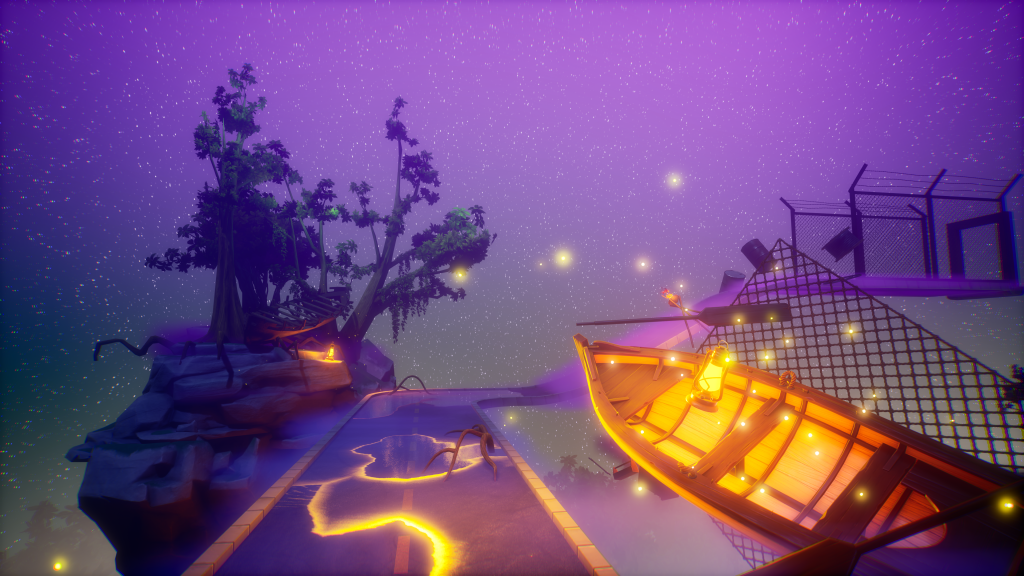
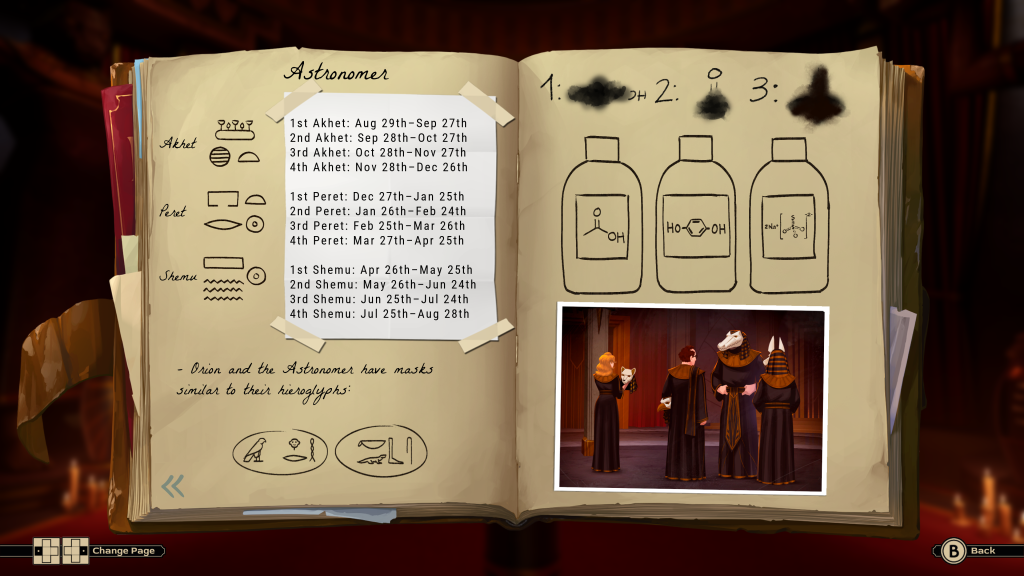
The opening hours are calm but purposeful and dialogue is given enough room to properly establish the characters, and the game never rushes to build tension. Early on, this slower pace works in its favor, but later it sometimes becomes one of the game’s flaws. At certain points, the narrative becomes so focused on chaining puzzles together that the pacing suffers, and the sense of narrative progression gives way to pure problem-solving so in some chapters, it feels less like uncovering a cosmic mystery and more like moving through a series of connected escape rooms.
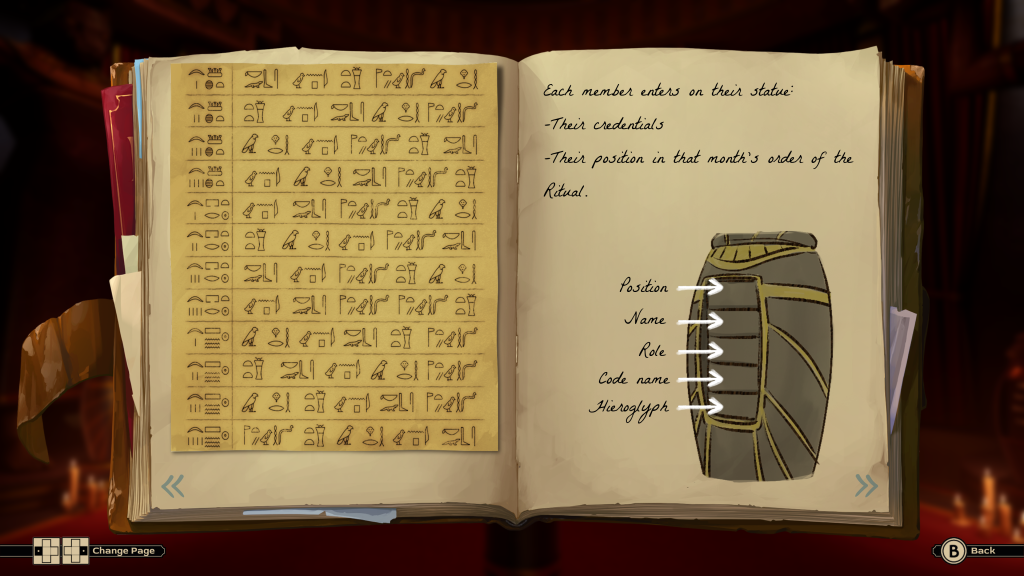
The game’s greatest strength is definitely its puzzle design and variety. Call of the Elder Gods builds much of its identity around this factor, and unlike many adventure games that treat puzzles as simple obstacles, the puzzles here are deeply knitted into the narrative itself. Solving ancient symbols, analyzing documents, operating strange devices, identifying patterns, and even using an Enigma machine constantly make the player feel like they are conducting a real investigation rather than simply solving separate brainteasers.
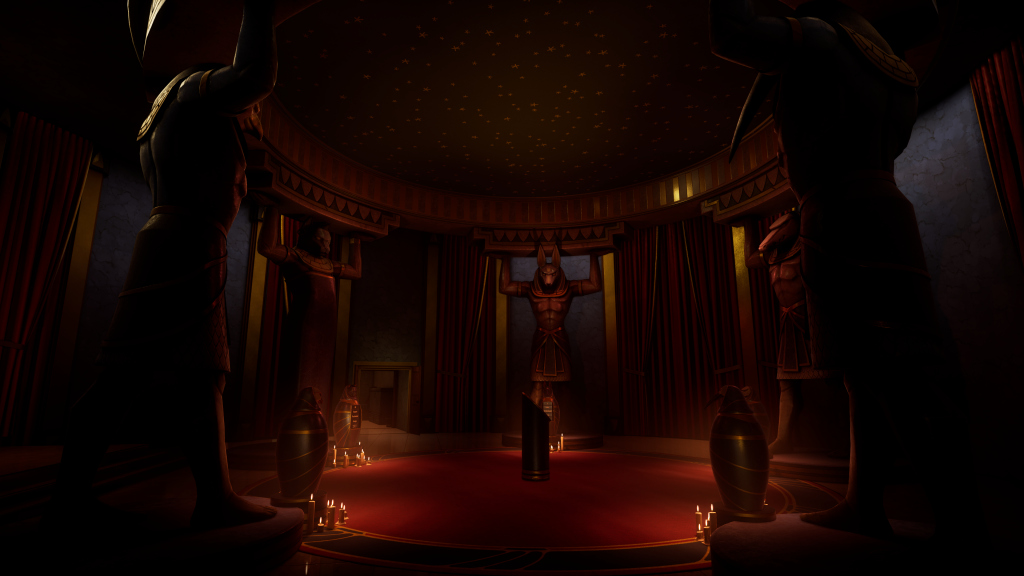
Compared to the previous game, the developers have increased both the number and variety of puzzles, while the hint system and difficulty settings offer players more freedom in how they approach them, but one of the main flaws was that some puzzles, without using hints, can become genuinely difficult and time-consuming.
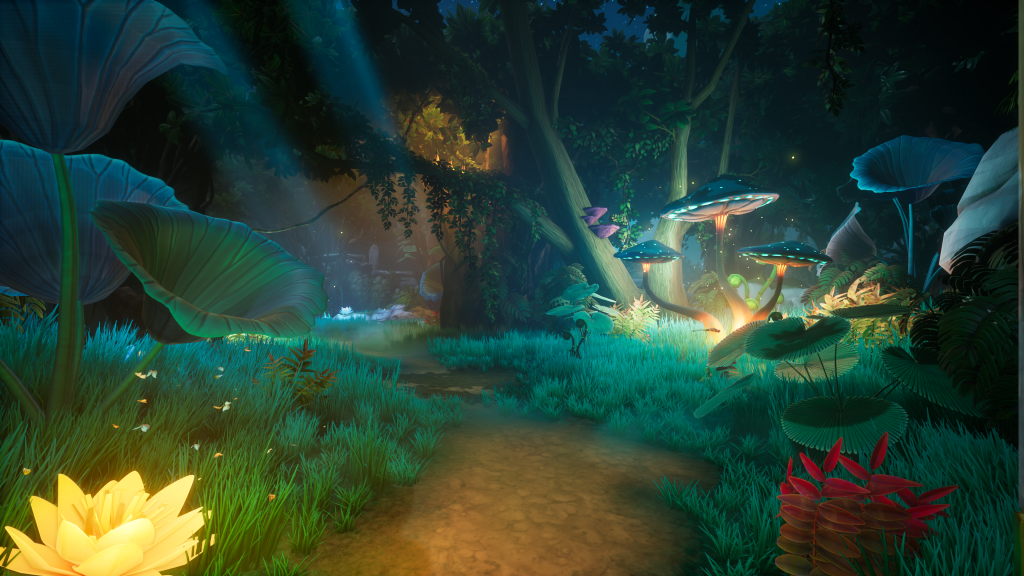
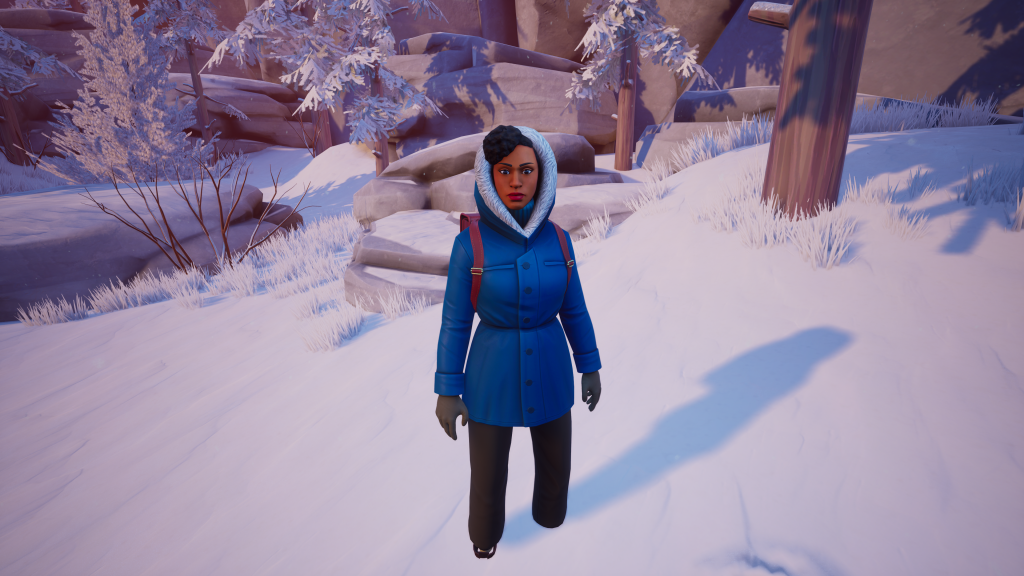
The environmental variety across each chapter was remarkable. Every new area introduces a distinct atmosphere and visual uniqueness, which prevents the experience from becoming repetitive. From peaceful natural environments to industrial locations, libraries, and more mysterious settings, the game always shifts its mood and scenery in a way that keeps curiosity alive throughout the adventure.
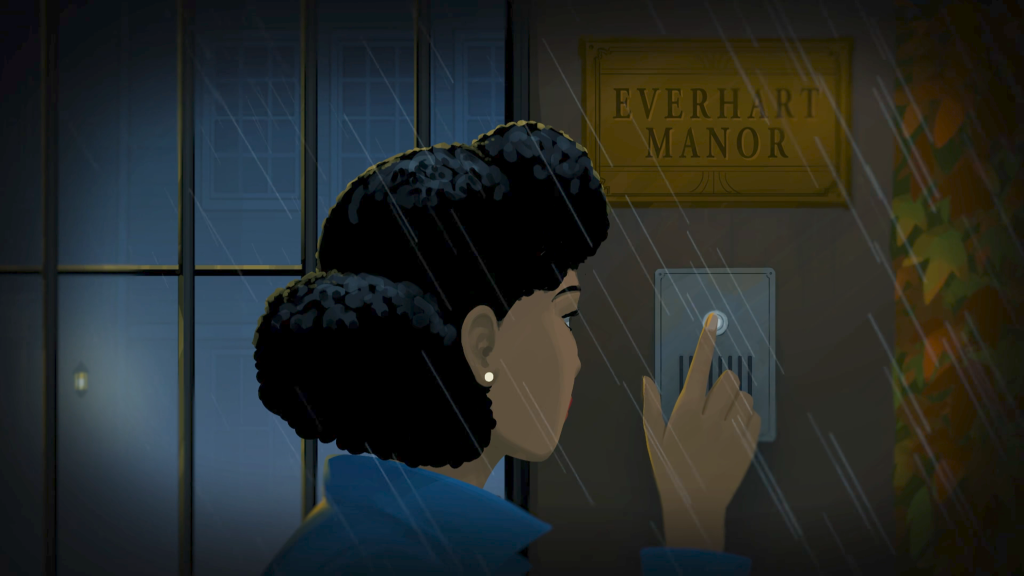
Narratively, the game also introduces more player choice compared to Call of the Sea. There are dialogues that the game forces you to make relatively challenging choices, but they are seen in small parts of the game and are not spread throughout the game. The game also occasionally allows you to switch players, although they are short and could have focused more on the character’s potential, but they still add variety and different perspectives to the game.
Like the previous game it includes a journal where your characters sketch clues, write notes, and document important discoveries. Personally, this ended up being one of my favorite parts of the entire experience. I didn’t want to miss a single clue and found myself trying to fully complete every page. Having such a journal will make you feel very close to experiencing the mysteries of the game and documenting the places you go, as if you were filling out a travelogue in reality.
Despite the game’s strong opening and the constant sense of curiosity it builds throughout most of the story, the ending feels somewhat rushed and shorter than expected; therefore, it doesn’t quite land with the emotional or narrative impact it seems to aim for. The game’s choice system presents you with a difficult decision towards the end, but unfortunately, the game’s performance in showing the consequences of these decisions is disappointing. The difference in the endings and the excessive similarity of the dialogues in the final section destroy the replay value of this chapter, and this is one of the game’s fundamental flaws.
The game’s sound design and music fit perfectly with its mysterious and restrained atmosphere, instead of constantly trying to scare the player, the soundtrack works more like a companion quietly existing in the background. Harry and Evangeline’s voice performances are powerful and Nora, this time as more of a narrator than a protagonist, was personally one of my favorite aspects of the game’s audio design because her voice fits the role perfectly and helps make some of the longer dialogue sequences more engaging.
Visually, environmental detail and lighting play a huge role in creating atmosphere, although facial animations and some narrative transitions lack feeling. It’s the kind of limitation often seen in Indie production but it is not severe enough to ruin the experience, but noticeable enough to prevent the game from reaching the level of top-tier AAA productions.
Overall, Call of the Elder Gods is not a game designed to satisfy everyone. It doesn’t have a fast pace or the desire to sacrifice its identity in favor of constant excitement. Some players will likely find it slow, vague, or even dry at times. But for those who enjoy games that require mental engagement and focus, it serves as a reminder of something which modern adventure games rarely trust anymore: sometimes the most rewarding moment in a game isn’t a chase sequence but finally understanding something and revealing the truth.
In the end, Call of the Elder Gods succeeds not because it tries to become bigger than its previous game, but because it understands exactly where its strengths lie and confidently builds upon them. If you’re looking for cinematic horror or nonstop thrills, this game may not quite satisfy you. But if you enjoy following clues, taking notes, and standing in front of a puzzle for several minutes until everything finally clicks into place, Call of the Elder Gods may end up being one of the most distinctive adventure experiences of the year.
This review is based on the Xbox Series X version.
Score: 81/100

Other Articles

Craftlings Review


Fantastic review!
Aida this is such a good review 💛🌌
Super easy to read and really well explained. I haven’t played the game, but now you made me kind of want to try it🧩🕯️✨