


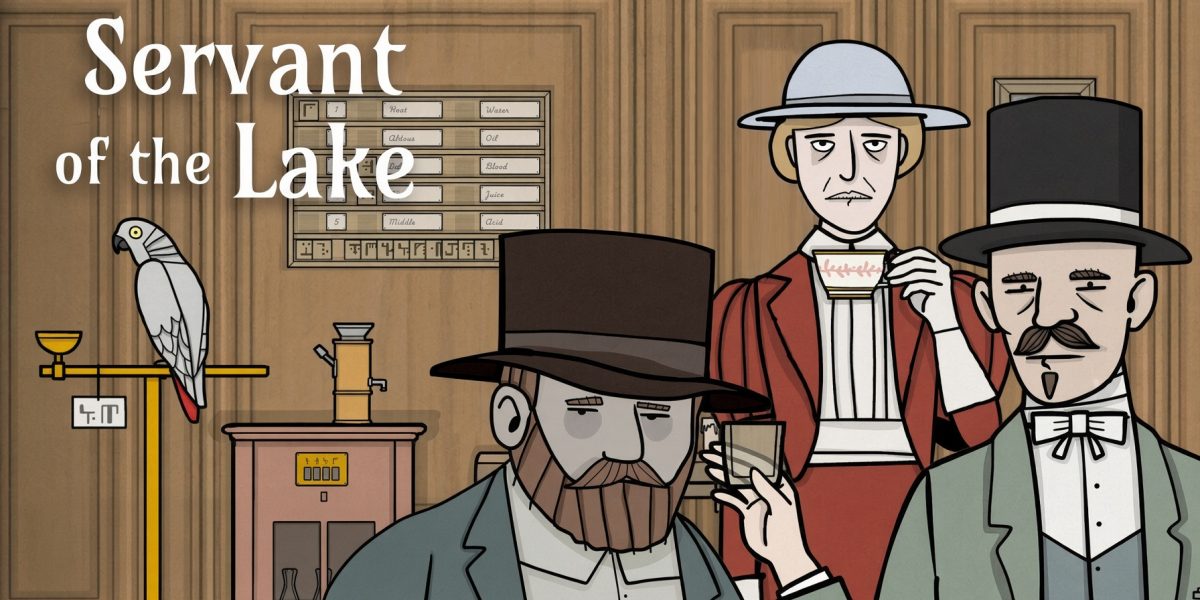

Point-and-drag games often build much of their experience around direct interaction with environments and objects. Those interactions become far more meaningful, however, when they serve not only as tools for progression but also as part of the storytelling itself. Servant of the Lake takes exactly this approach.
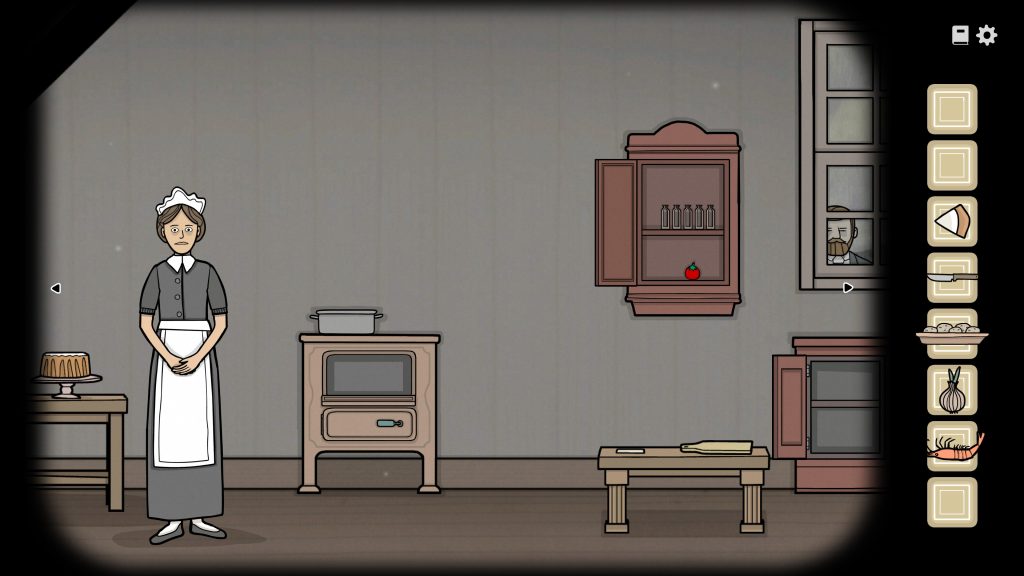
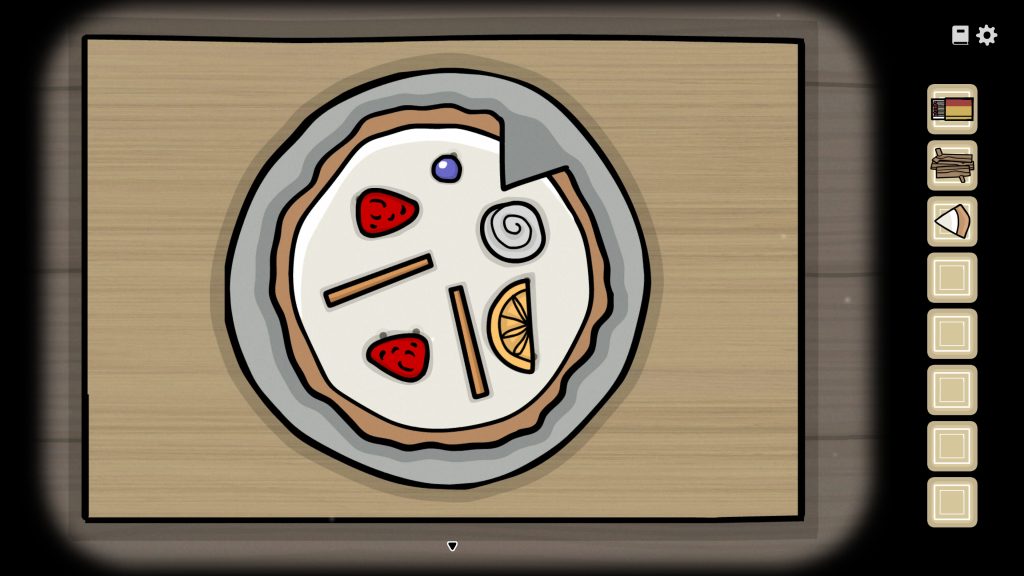
This indie title initially casts you as a servant spending the weekend carrying out everyday duties in a family home. It doesn’t take long, however, for the situation to reveal itself as far more complicated than it first appears. The puzzles, interactive activities, and documents you encounter along the main path all contribute to unfolding the story, allowing the narrative and gameplay to complement each other rather than exist as two separate elements.
The question is whether Servant of the Lake can maintain that connection throughout its entire adventure while also delivering a compelling point-and-drag experience.
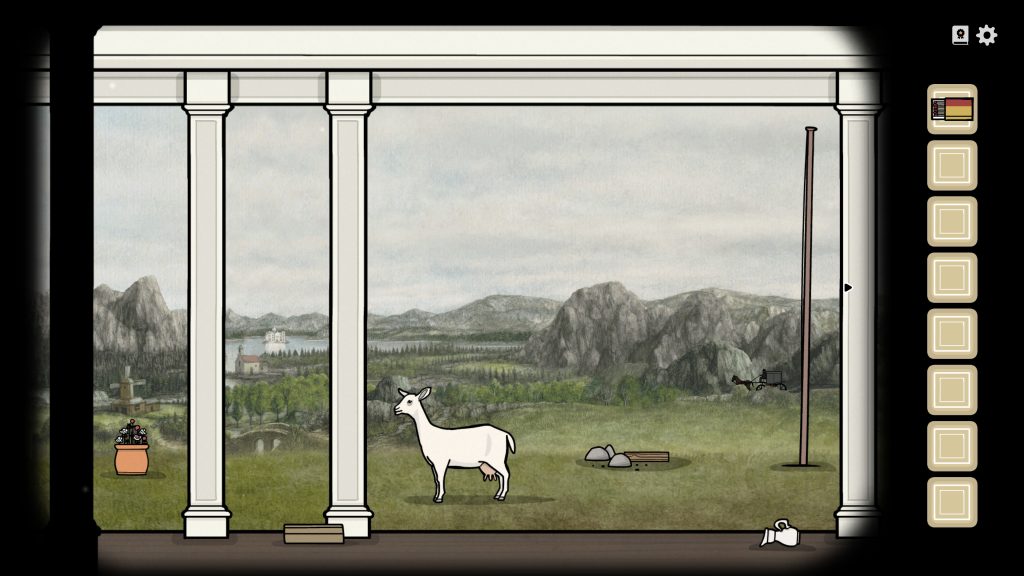
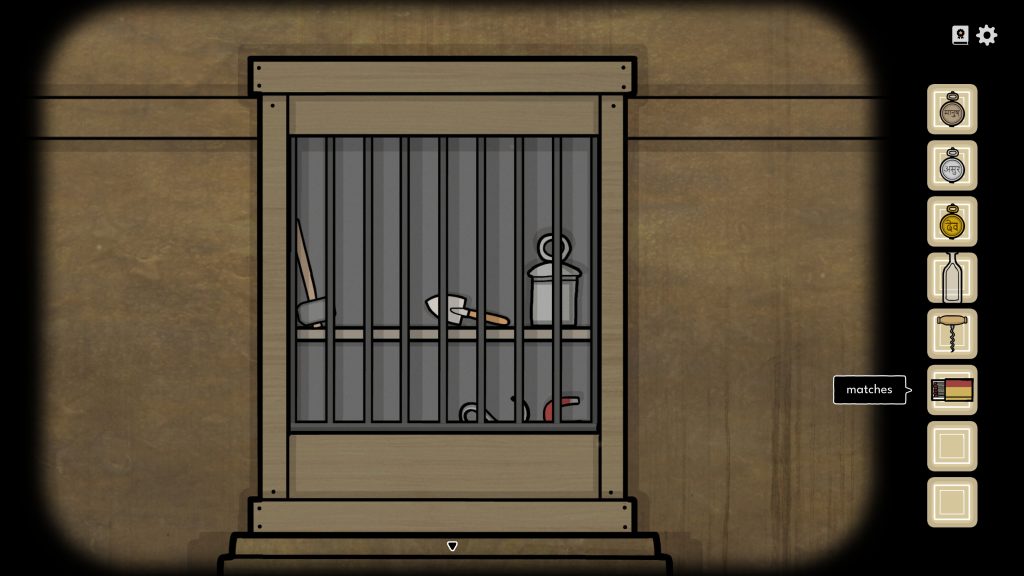
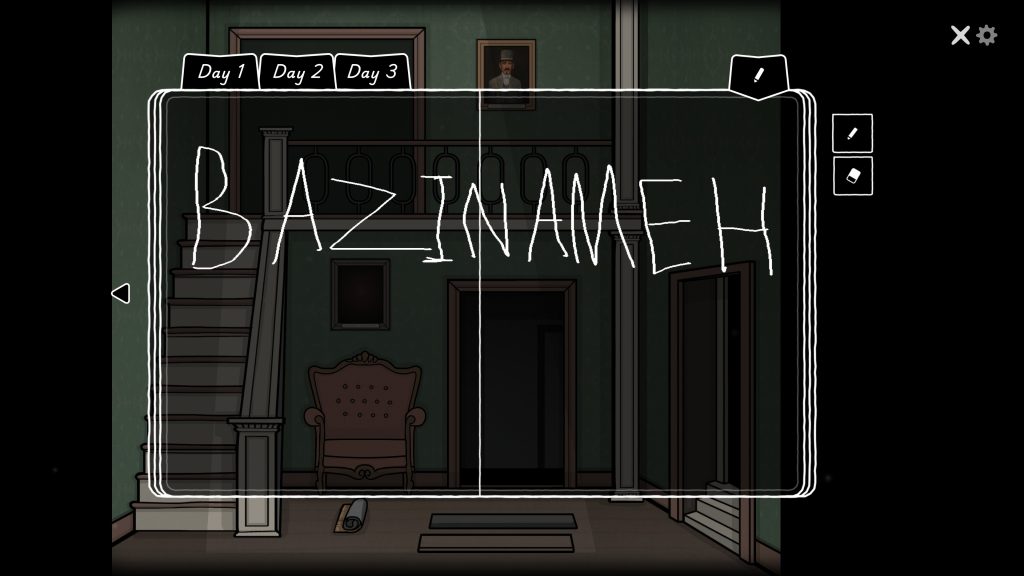
Every Action Tells a Story
Servant of the Lake begins with a basic idea. You are a recently hired servant and have come to the home of a man preparing to host his family’s annual gathering. Your three-day stay begins with mundane chores– making coffee, doing laundry, taking care of the house– and the game purposely lulls you into thinking this will be a very straightforward adventure about the life of a servant from day to day. Then the homeowner’s brothers and sisters appear. But it doesn’t give up all its secrets right away, slowly peeling back the layers of this family and its past. This change was one of the most interesting parts of the story for me, mainly because I never thought those simple first duties would form a basis for something much larger.
The actual power of the story is not in the story itself but in how it’s told. Servant of the Lake doesn’t just narrate the family’s narrative through dialogue. Most of this information is included directly into the tasks necessary to move forward. Even the signing of your employment contract is a genuine interaction at the start, you take a quill and dip it in ink and sign the document yourself. The method becomes more and more significant the further the game goes, and many of the puzzles serve two goals at once; as a challenge, and as a way to expose new knowledge about the individuals and their family history.
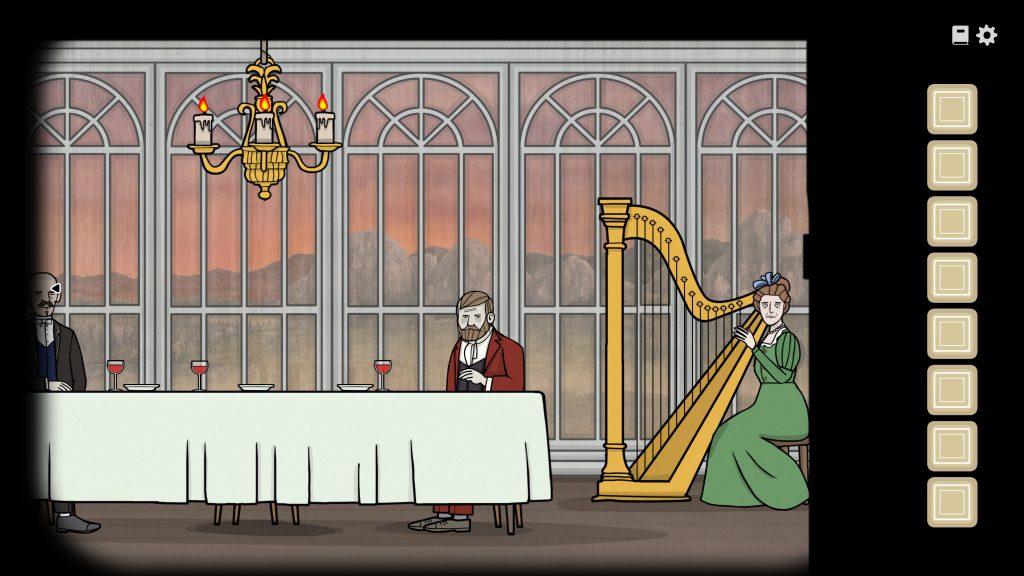
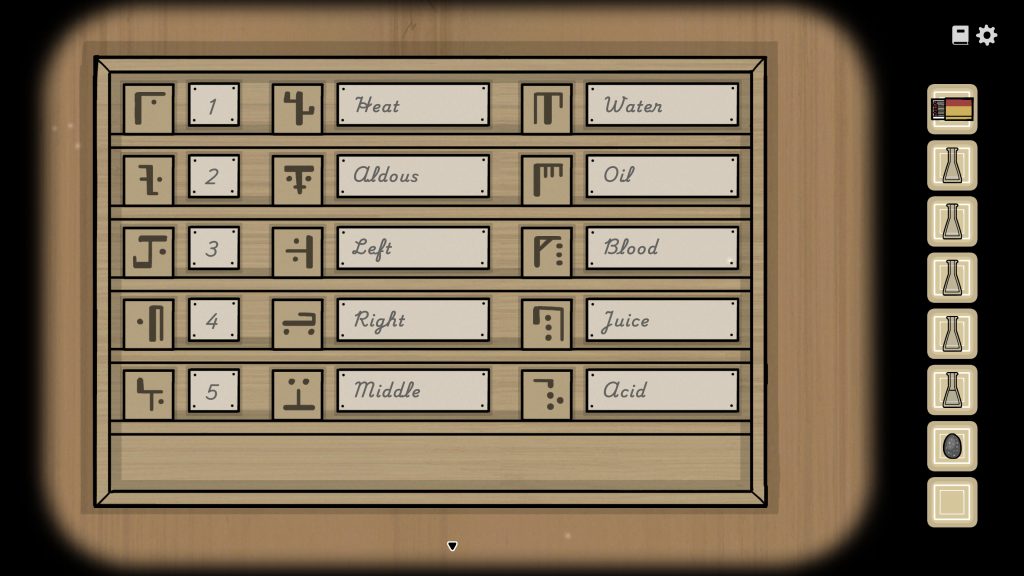
Documents and letters are the same mindset. These are not optional lore-locked trinkets, these are along the main path and can include information that is directly relevant to completing puzzles. One puzzle, for instance, slowly uncovers clues about the parents’ relationship, their marriage and what happened later in their life. The letters addressed by the mother to her children also offer hints and a clearer knowledge of the connections inside the family. Thus, a puzzle is seldom only about opening the next section. Often, it also means discovering another element of the story.
This also aids the characterization. The game doesn’t tell you who each individual is, but lets you learn by their behavior. His entrance through a window, his messy hair and his first acts set up the first impression of one brother’s personality, with further details added later to provide additional context. The homeowner has his own specific behavior, especially with his repeated efforts to make a speech during the family gathering, only for a distraction to interrupt him every time. These moments, without telling anything directly, tell both sides of his personality and the atmosphere of the gathering.
So the family members never seem like characters introduced only to serve the next task. Their behavior is an integral part of the story.



Never the Same Puzzle Twice
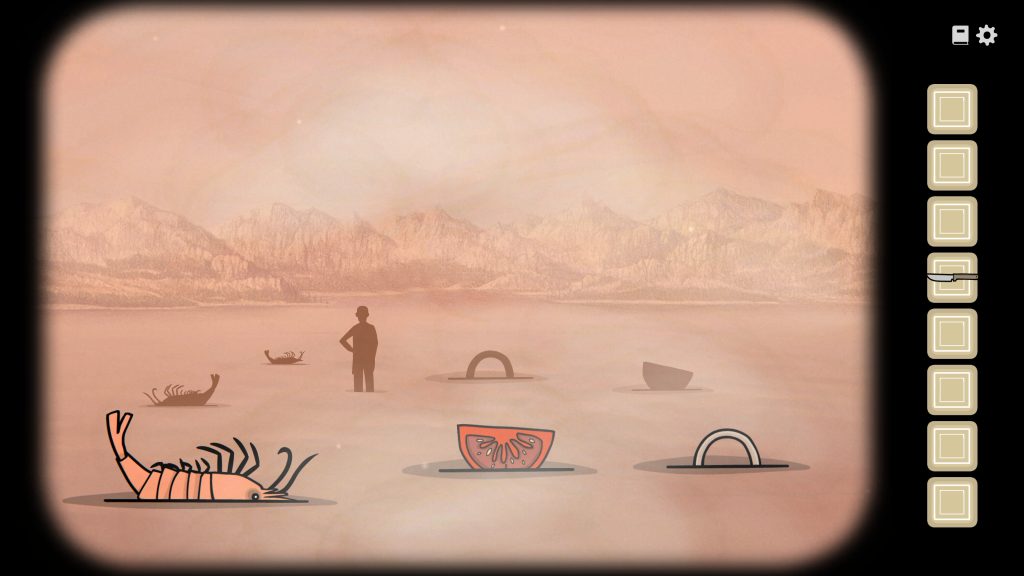
The strong bond between storytelling and interaction means that Servant of the Lake’s puzzles never feel like hurdles apart from the narrative, but that’s not the only reason why they work so well. The problems of the game are always evolving, and I never felt like I was repeating an idea I had already seen in my five and a half hours of play. It is also really well balanced difficulty. They need close attention to hints and the logic behind them to solve, but rarely are the puzzles so complex that you need to use random guess-work to make progress. The game has a nice pacing to it as such, always shifting you from one difficulty to something completely else.
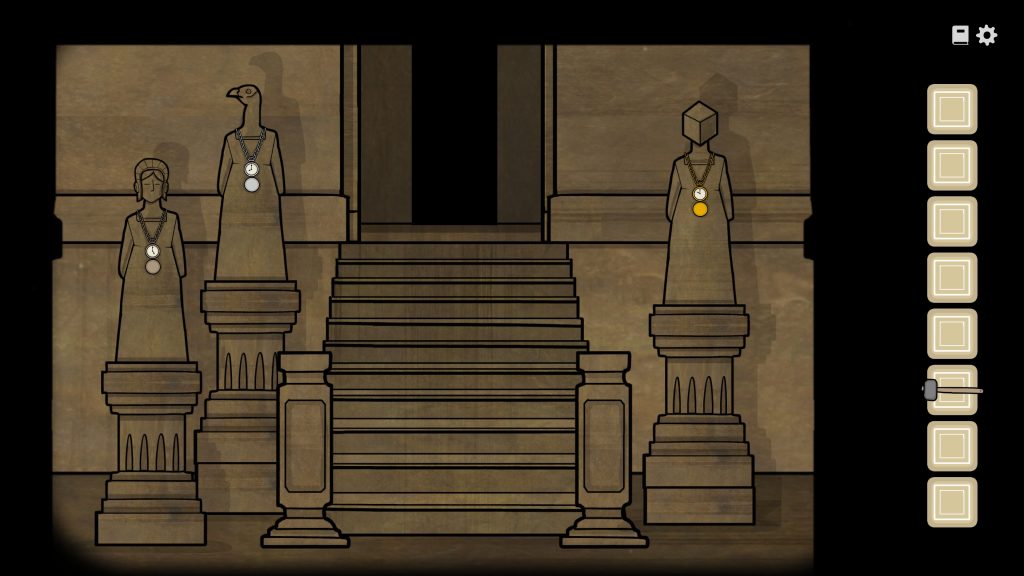
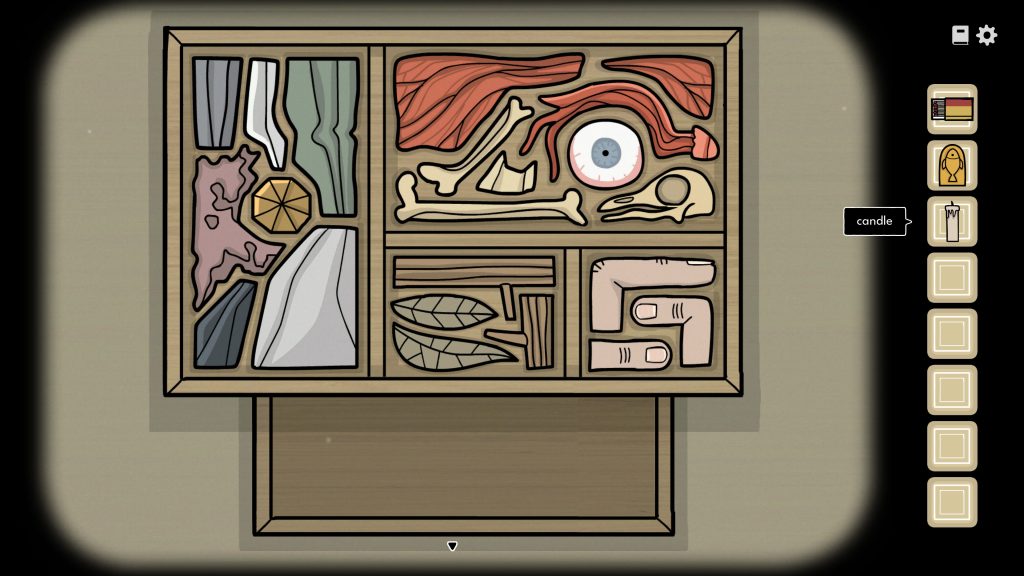
And that variety doesn’t only apply to the riddles. Sometimes the rules of engagement just alter all completely. One especially unique segment gives you multiple tools and three separate objectives, but you can only take three tools on each attempt. The important thing about this sequence is not the restriction, but the decisions it creates. The trick is that before each effort you need to decide which combination is most suited to the challenge ahead, and if you make the wrong option you come back with extra information for your next attempt. This cycle of picking, trying, and returning is somewhat like a Roguelike structure. I had done the same journey before, but never found it tedious. There was always some new challenge to tackle each time.
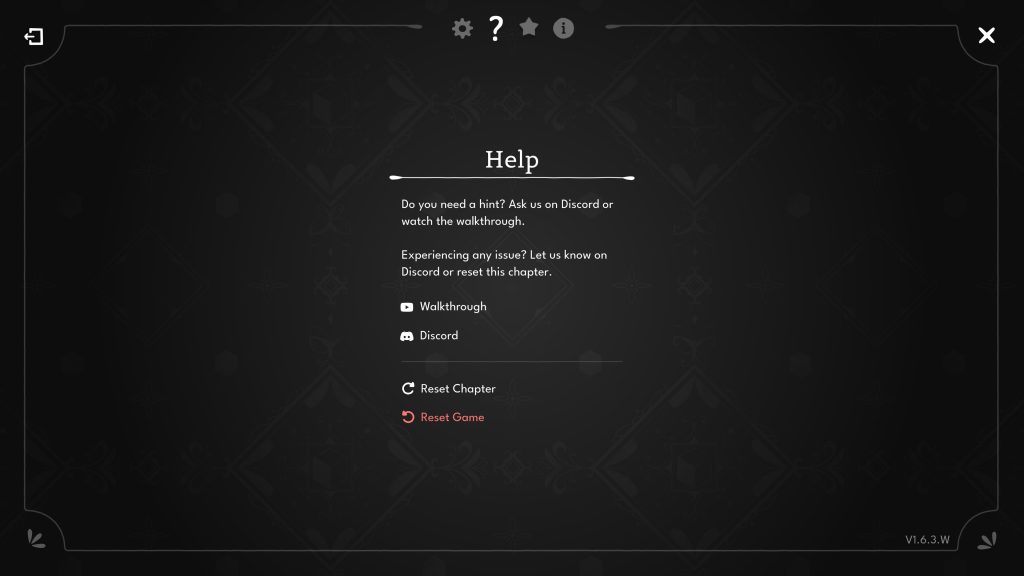
The greatest shortcoming in the puzzle design is when you simply cannot work out how to solve it. There’s no integrated hint system, and the options page even encourages accessing the game’s Discord server or official manual if you want some aid. That decision appears to go counter to the structure of the game. Servant of the Lake’s appeal lies so much in the constant flow of exploration, puzzle solving, and story discovery that requiring players to step away from the game to hunt for an outside answer might easily break that rhythm. Perhaps a gradual clue system might have solved the problem without giving away the answer quickly, while maintaining the tempo the game does so effectively elsewhere.
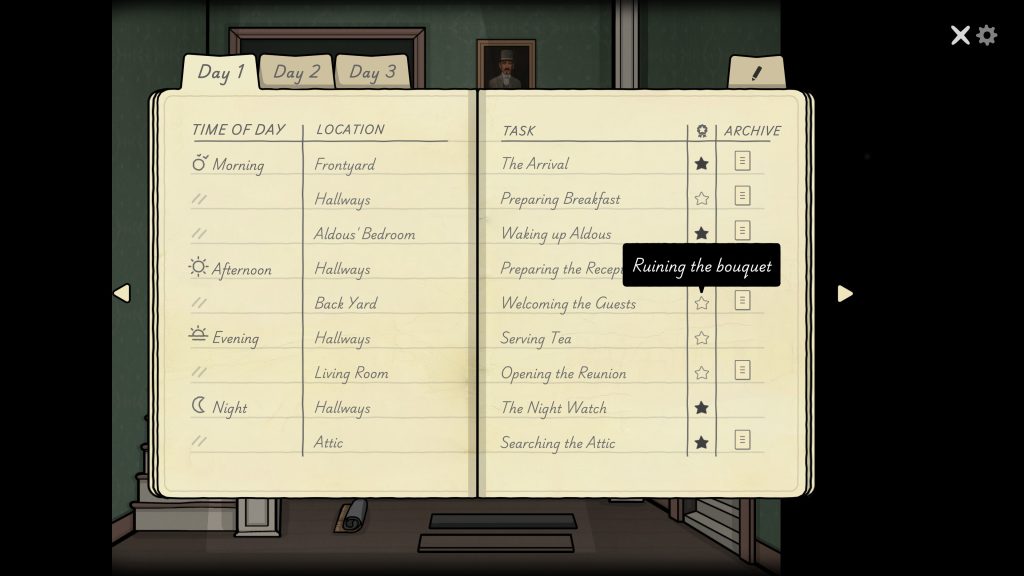
The notebook fits neatly into the puzzle-solving structure too. You’ll also have the ability to go back to old jobs and previously discovered papers whenever you need to, putting critical information at your fingertips, while the ability to take notes offers you a convenient spot to record crucial hints. Once the tale is over, a Chapter Select is added to the notebook. This allows you to select any mission you’ve accomplished and get right back into that area of the game.
Optional activities may also be found sprinkled throughout the various portions and the game generally tells you what has to be done without telling you exactly how to do it. Doing all these actions unlocks the road to the Secret Ending. And so Chapter Select doesn’t just make it easier to revisit previous sections; it provides you a clear reason to go back and finish up the remaining difficulties of the game after complete the main story.
Final Verdict
At the end of the day, one of the biggest strengths of Servant of the Lake is how it ties plot and gameplay together. Its riddles are more than mere impediments to progress, with many at the same time revealing more about the family, its history and the characters themselves. The puzzle diversity, challenge, and the pacing that is surprisingly steady for the length of the encounter add to the adventure remaining intriguing to the finish.
The biggest problem is that there is no hint system in the game, which is a shame because the game relies on constant flow of puzzle-solving. But as a self-contained point-and-drag adventure Servant of the Lake does a good job of delivering on the core concept of mixing puzzles with narration, and eventually provides a positive response to the question posed at the opening of this review.
This review is based on the PC version
Score: 88/100

Other Articles

A Warm Cup of Tea | Verde Review
No Rats, No Problem| Resonance: A Plague Tale Legacy Review