

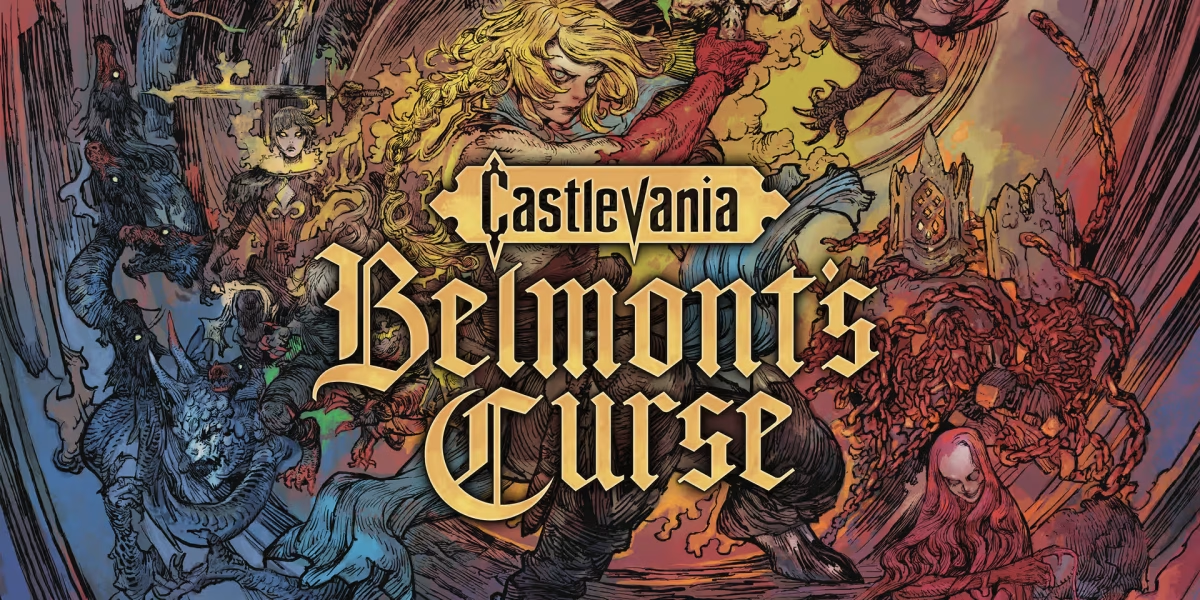

There were still some people debating whether Silent Hill f was indeed a true “Silent Hill” or not, that Townfall started a new fire. The new discussion is still far from a solid conclusion and now here we are playing another classic Konami title that raises the question: Is Castlevania Belmont’s Curse a “Castlevania”?
This is fantastic news to me. Konami is attempting to release its vintage games and try to adapt them into contemporary gaming trends. This reminds me a lot of Resident Evil 5, which ignited a debate among fans that this is no longer a “Resident Evil” (needless to say, this debate is still ongoing!). With Final Fantasy XIII, Square Enix conducted the same experiment. Now, in 2026, we have contemporary Final Fantasies and Resident Evils that are based on those early experiments, and they are excellent games. So is Belmont’s Curse a “Castlevania” after all? Yes! It’s a Castlevania alright, if you wait long enough and look deep enough. But does it matter? No! Belmont’s Curse is one hell of an amazing game that tries to bring the classic Castlevania gameplay in 2026 where we have giants like Hollow Knight, Prince of Persia Lost Crown or Metroid Dread. It borrows from modern Metroidvanias, adds its own flavor and presents a pretty solid game that hooks you throughout. As a longtime fan of the series, I can say Belmont’s Curse has earned the honor of carrying the name “Castlevania”.
Rose in Paris
The worst part of every Metroidvania game is usually the first few hours. You lack all the cool power ups, the entertaining levels, and boss fights are far away and you have to spend a lot of time to be able to enjoy the coolness of the game in its fullness. This heavily applies to Belmont’s Curse in different levels. First of all, you are stripped of all things you love about a “Castlevania”: there is no whip, no hearts to collect, no daggers and curved axes to spam, no spooky anime characters and especially no sign of Dracula or his castle. There’s not even a sign of classic soundtracks.
The developers have deliberately withheld everything that counts as Castlevania for the first few hours to make sure whoever is coming to Count Dracula’s party is thoroughly onboard with their vision.
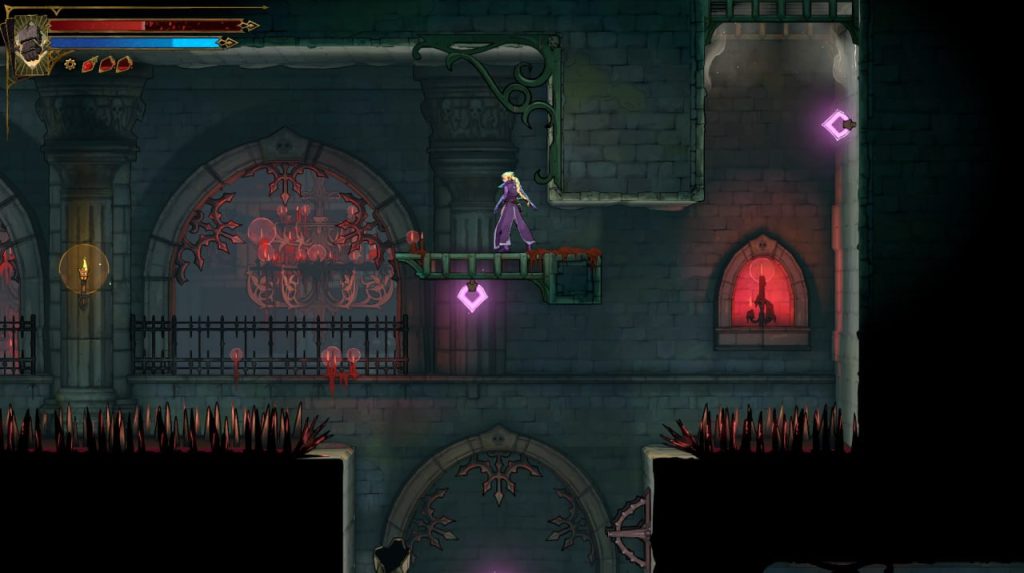
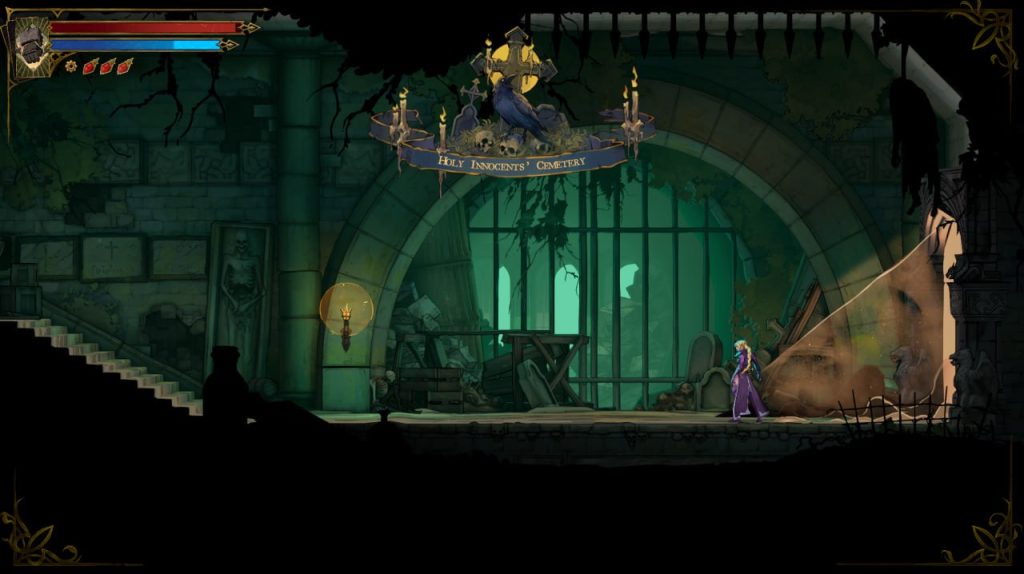
You will be playing as Rose, daughter of Trevor Belmont. If you thought no Belmont is going to be as determined and serious as Trevor, you have to meet Rose. Although we never have a chance to understand why she is so hard on herself and others, I believe she is a good fit for a Castlevania protagonist. There is no character arc or anything, Rose is just Rose from the beginning right to the end.
We begin the game in the streets of Paris, where everything is under attack by demons. The game begins very much like Lost Crown.
First things you notice is how the general feel of the game has changed. We are not a heavy moving Belmont anymore. Instead we are controlling a character that moves very fast, doesn’t care about candle sticks and can parry enemy attack with blinking speed.
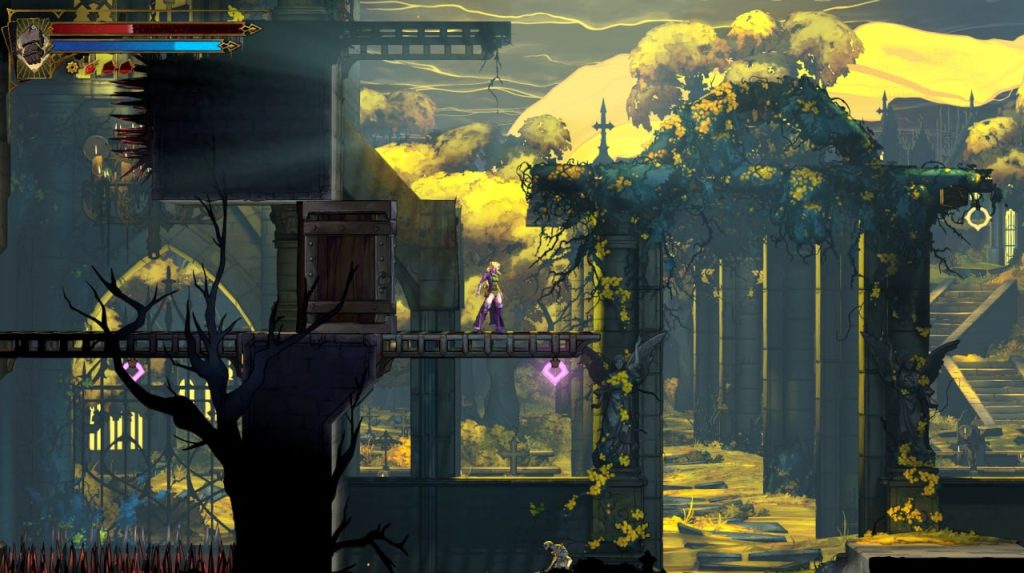
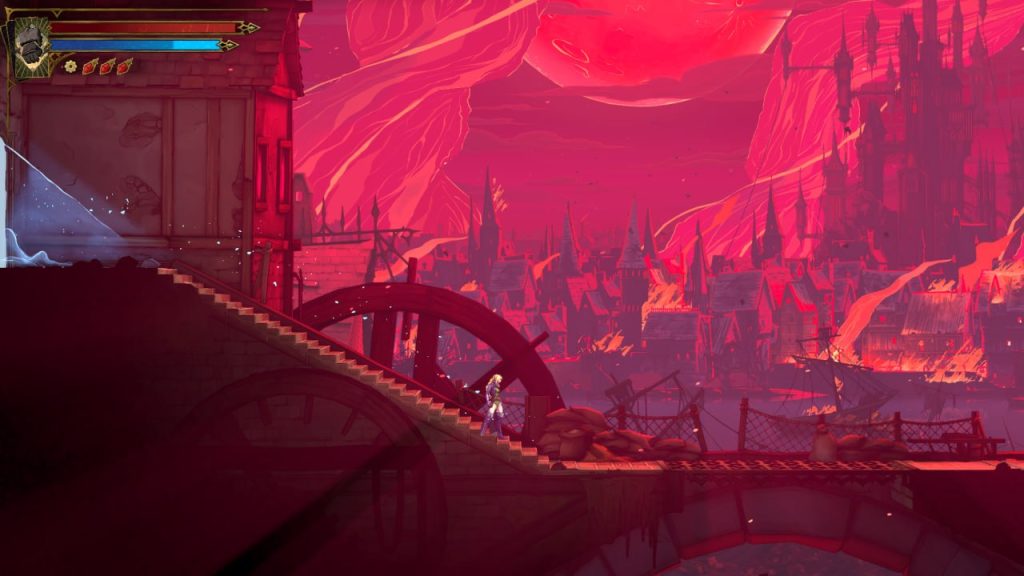
On the other hand, level design in Paris feels very generic and apart from some very eye-catching scenes from burning buildings, there is nothing interesting going on. You just move from room to room and beat mobs until you face some interesting boss fights.
Enter THE “Castle”
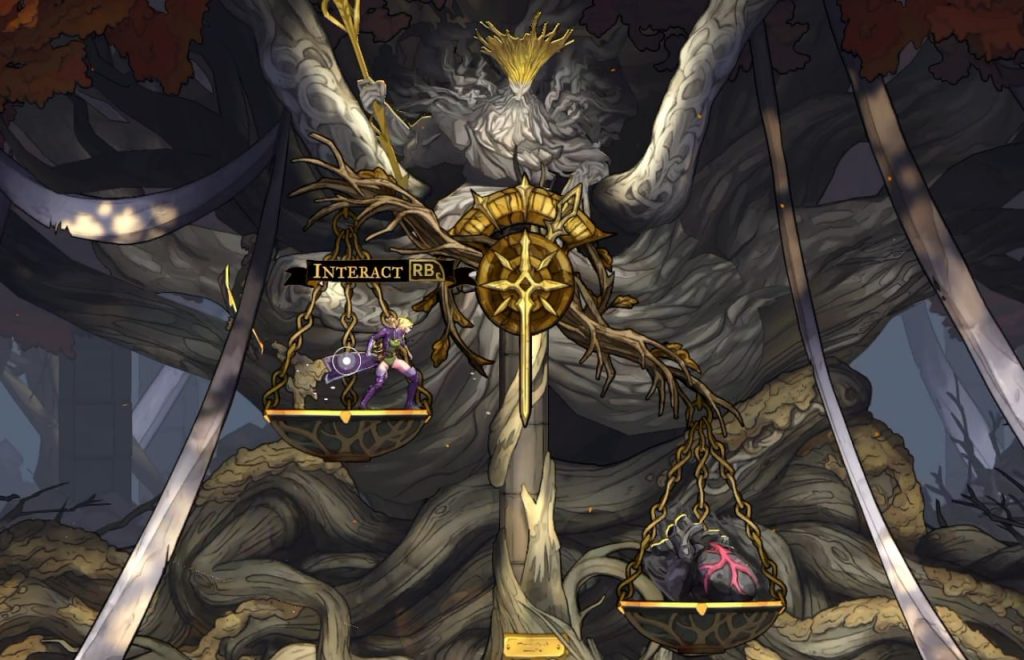
Everything changes the moment you step inside Dracula’s castle. You feel at home the moment you hear the first notes from “Bloody Tears”. And the game takes off from here. I start with level design which is a core of a Metroidvania game and where Belmont’s Curse truly shines.
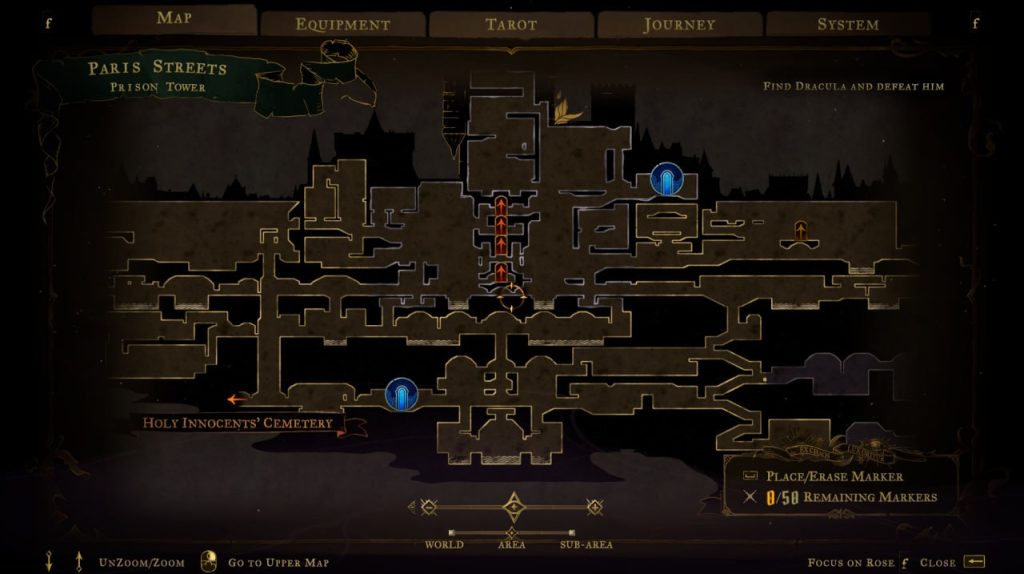
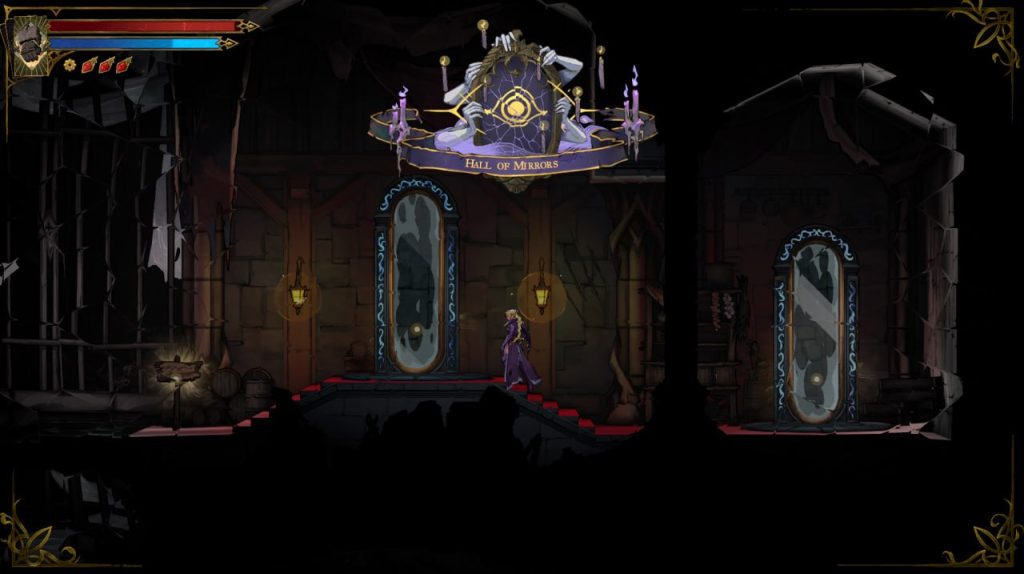
In Dracula’s castle there are different areas that each have their own gameplay scenario. In one you hunt for notes to play different melodies on an organ so that you can access new rooms. In another you look for constellation patterns to open up new paths. In another you search for certain portraits that point you toward secret areas. Every area has its own little puzzle identity, so the castle never feels like one long corridor with different wallpaper. It keeps you curious and keeps you looking at every corner of the map every once in a while with a different perspective.
The other big change from your good old Dracula castle is the fast pace platforming sections. Belmont’s Curse has some very fast “path of pain” sequences, the kind of high-speed, precision-heavy level design we know from Hollow Knight, Shinobi: Art of Vengeance or Prince of Persia: The Lost Crown. This is new to the Castlevania school of level design, and I think it’s a fine and welcome addition. These sections break the exploration and puzzle-solving with bursts of adrenaline, and they keep the game’s rhythm from possible drops.
Fast, Furious and Flashy
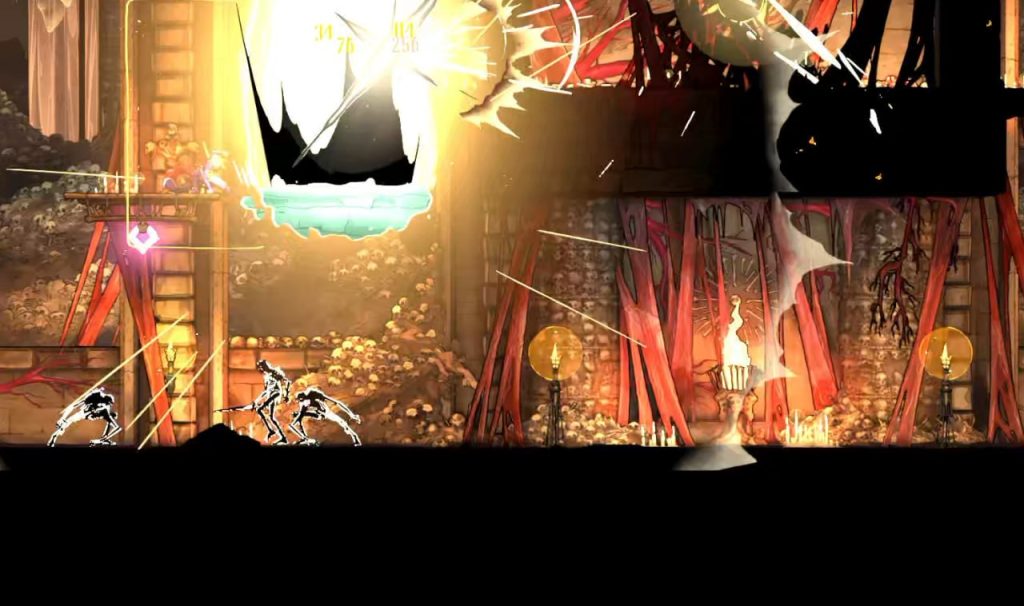
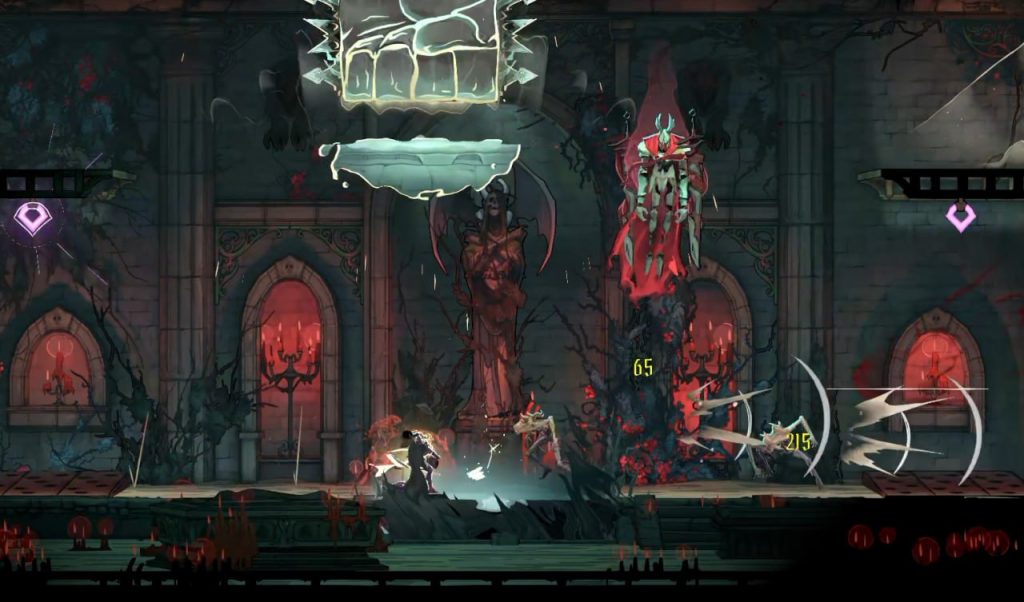
If the level design is the skeleton of the game, combat is its heartbeat, and it’s racing. Combat feels very fast, it’s very responsive, and it comes with cool, flashy visuals that make every hit look good. Enemies match that energy. They are fast and ferocious, and they won’t wait for you to heal or have time to plan, everything feels intuitive.
Then there’s the parry mechanic, which is the star of the combat system. Don’t expect forgiveness here. The window of opportunity is tight, and you need to be super reflexive to pull it off. But the mechanic is so responsive that it never feels unfair. You can parry anytime, anywhere, even in the middle of an aerial combo! Once it clicks, landing that perfect parry in the middle of a chaotic fight feels amazing. Believe me, if you want to overcome end game challenges you need to master the parry mechanic.
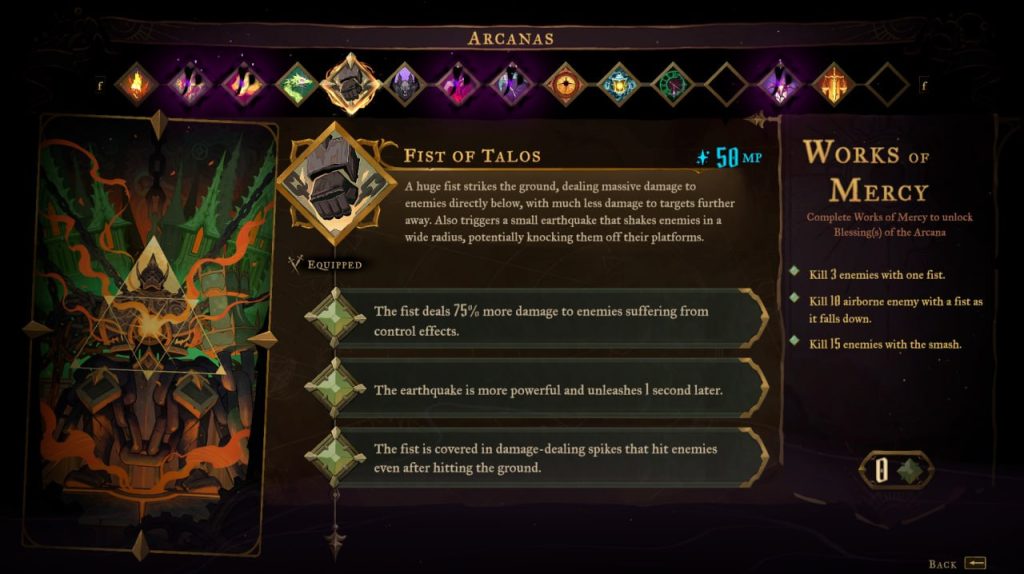
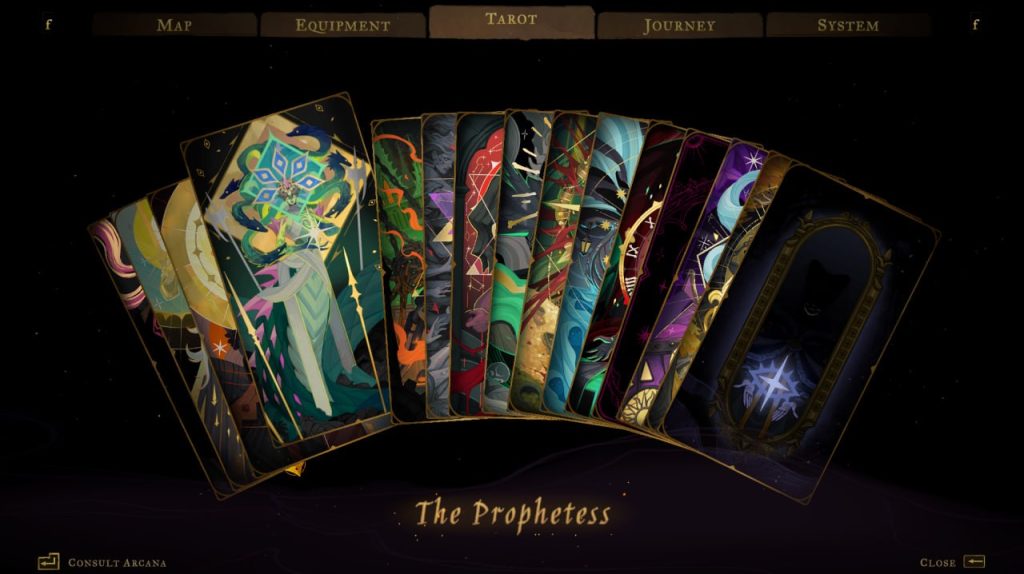
The boss design is excellent. The fights are unique and exciting, and each one feels like its own event rather than a bigger health bar. For beating these bosses, you have relics to build your character around, and you can go crazy with these builds in terms of DPS. If you pick your relics properly, you can finish the end-game bosses with just 3 or 4 whip strikes. It’s a nice reward for experimenting, and it’s a lot of fun to see a boss melt after all the effort you put in to reach it.
A Feast for the Eyes (and Ears)
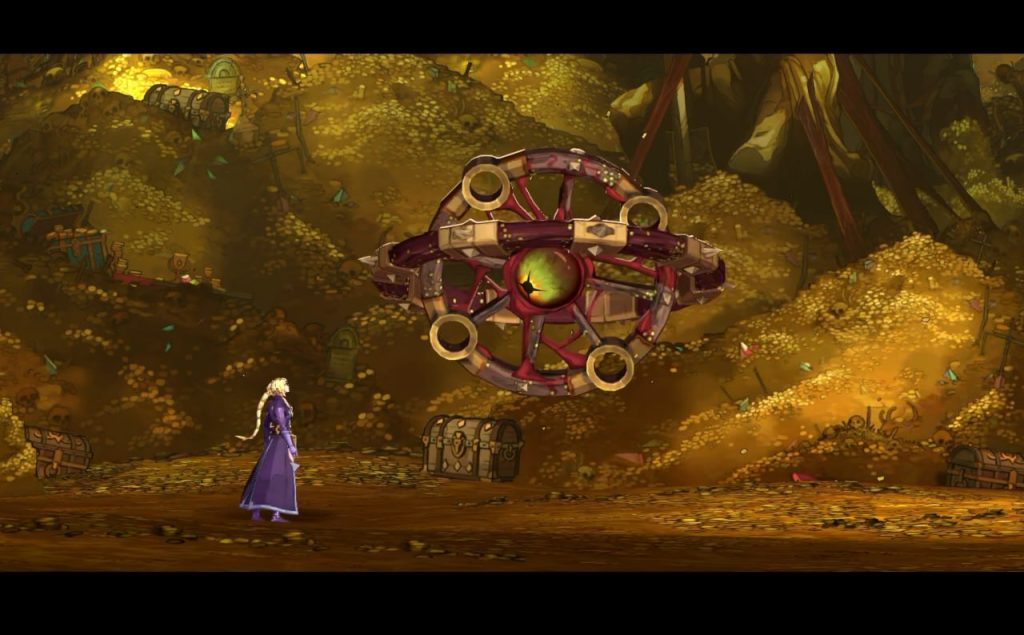
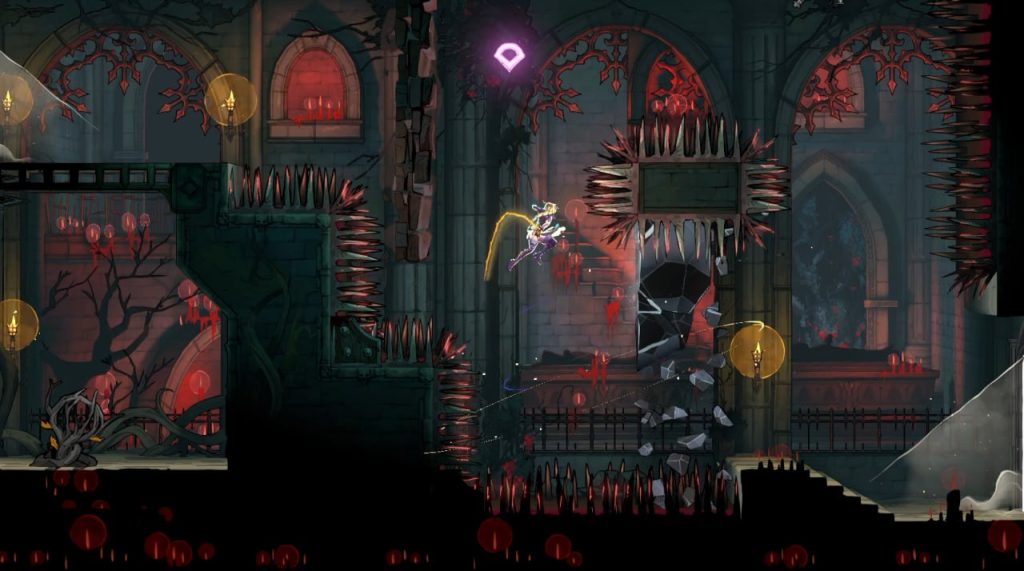
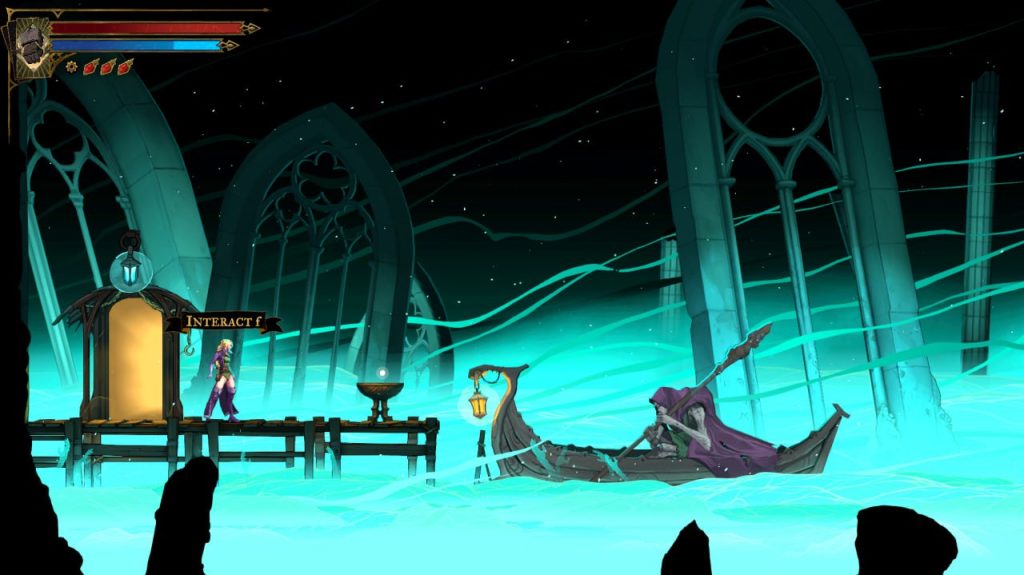
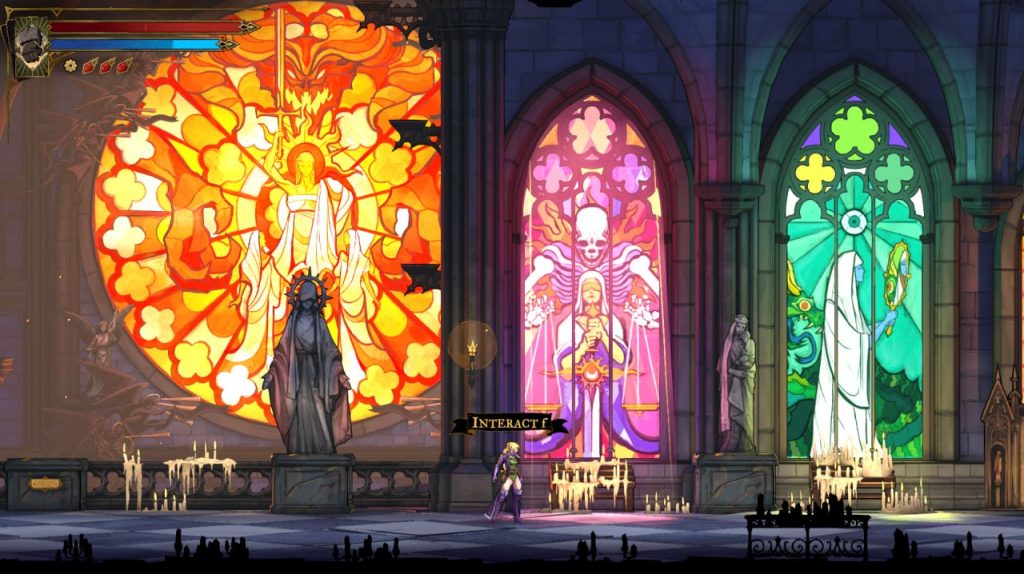
The art direction is amazing. The art style is unique, and the game doesn’t hold back from rubbing it in your face whenever it gets the chance. Some views, both outside and inside the castle, are truly breathtaking, the kind that make you stop for a moment and just look.
The music is very well composed, but it has some drawbacks. The orchestral score feels “too much” most of the time, with high volumes and layer upon layer of instruments. For a video game, the music shouldn’t be this loud, because it often fights for attention with what’s happening on screen instead of supporting it. It also takes some time until you hear your favorite Castlevania tunes like “Ruined Castle Corridors” or “Bloody Tears”. When they finally arrive, though, the wait is worth it.
Final Verdict
Belmont’s Curse is a very good modern take on the series that helped define the Metroidvania genre and has been absent from the mainstream for more than a decade. It’s fast, it’s beautiful, and it has the confidence to be different while still respecting where it came from. If you’re looking for a fun Metroidvania, don’t miss Belmont’s Curse.
This review is based on the PC version
Score: 90/100

Other Articles

A Legendary Remake Finds a New Home | Resident Evil 4 Remake
Chasing the Perfect Melody| Suri: The Seventh Note Review