




Suri: The Seventh Note is the kind of indie game that lives its own life. It is a mix between a colorful fantasy world and a story of a little girl trying to learn the secrets of music. There’s a mix of creative platforming and well-designed puzzles, making for an adventure that’s endearing and wonderfully different.
The most captivating thing about Suri: The Seventh Note is the way the musical ideas, the creative mechanics and the stunning visuals combine. There’s not really anything that defines it but a collection of things that makes a whimsical adventure of creativity and wonder.
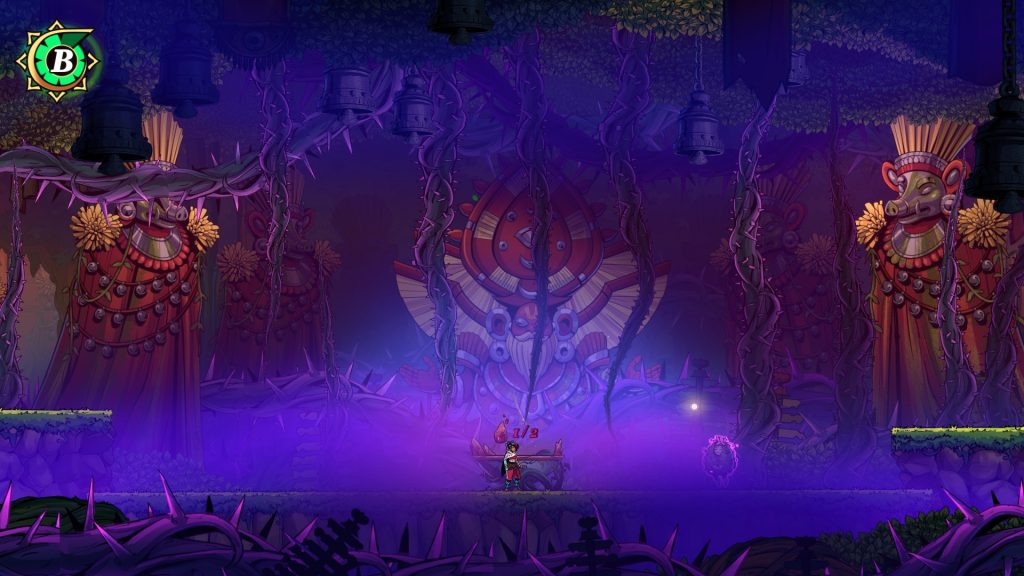
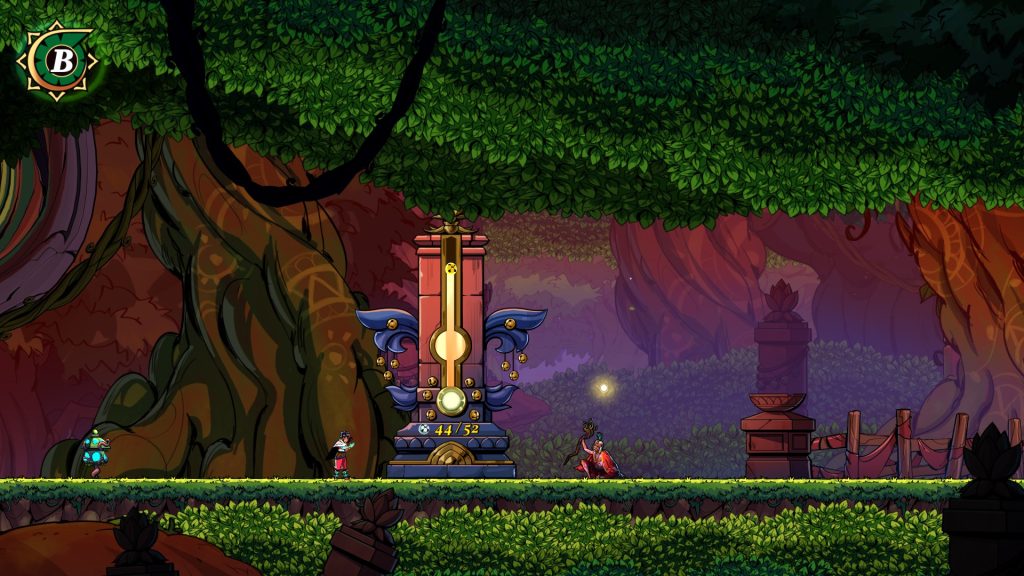
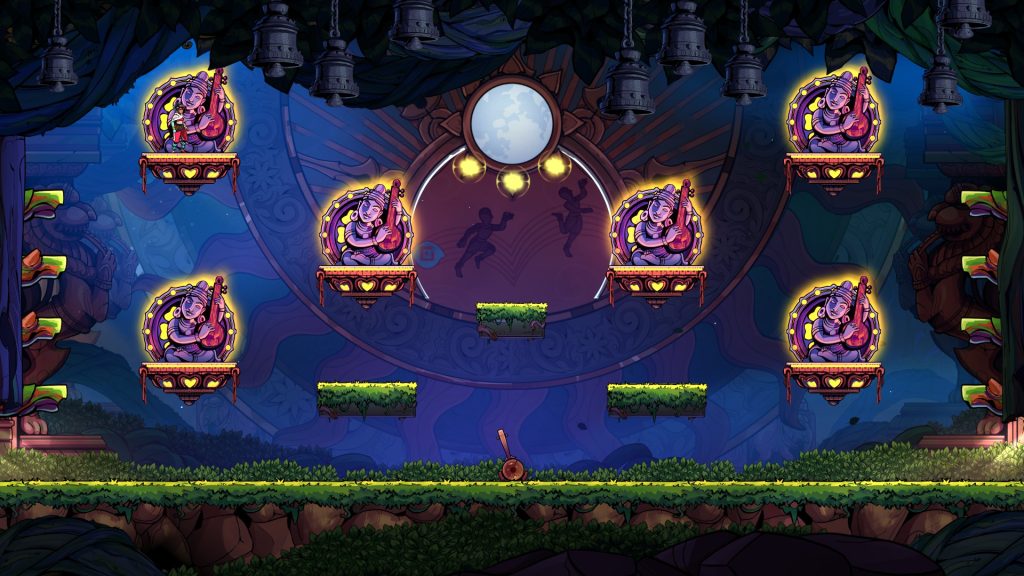
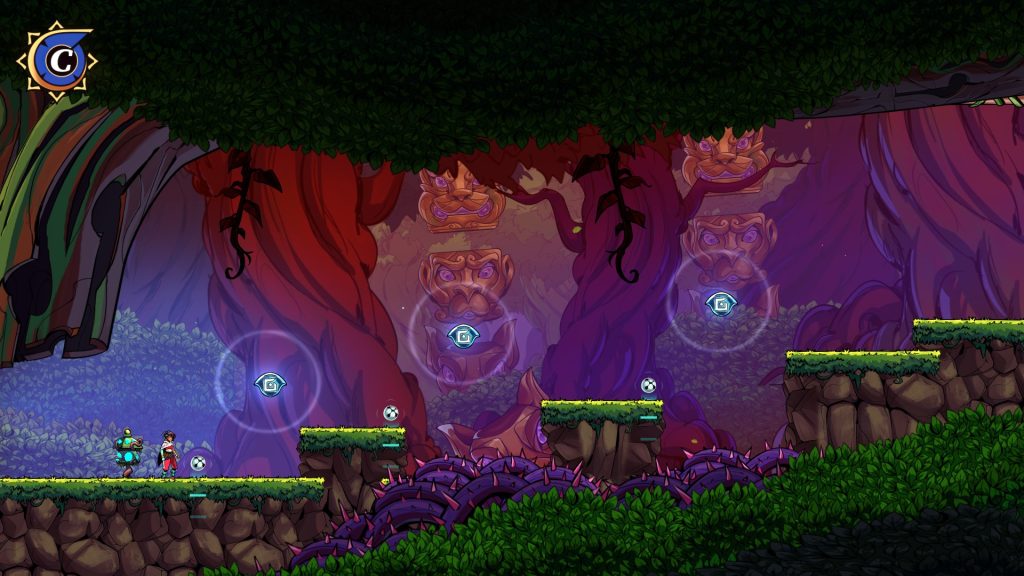
That said it is not without its faults with the occasional difficulty spikes and some rougher edges. But none of these faults really take away from its overall charm. Suri: The Seventh Note is, when it works, all the best things about indie games—a heartfelt, imaginative adventure that sticks in your soul and leaves you smiling long after the music stops.
Suri: Seventh Note is not your run-of-the-mill fantasy adventure. Ajir’s mission to save the musical world of the game is a strong driving force, but what makes her journey so compelling is that she is not an assured, experienced hero from the get-go. Instead she’s dealing with uncertainty, inexperience and it’s those qualities that make her more believable, more relatable. As the story progresses and she is faced with greater challenges, she grows as a character, becoming more mature and responsible, and there is a pleasing sense of development to the story.
Another interesting aspect of the storytelling is the relationship between disease and rhythm corruption. Music is not just a decoration of this world and the absence of it has real effects, effects on the well-being and spirits of the people who inhabit this world. This relationship raises the stakes of the central conflict, and it helps create a meaningful link between the game’s musical identity and its story.
Suri’s story unfolds through environmental details, brief conversations and key narrative moments, but it never overloads the player with long exposition. It also maintains a nice and easy pace, and encourages players to stay immersed in the world around them.
It’s a charming story well told, and it works because of its charming lead, fanciful premise and low-key storytelling.
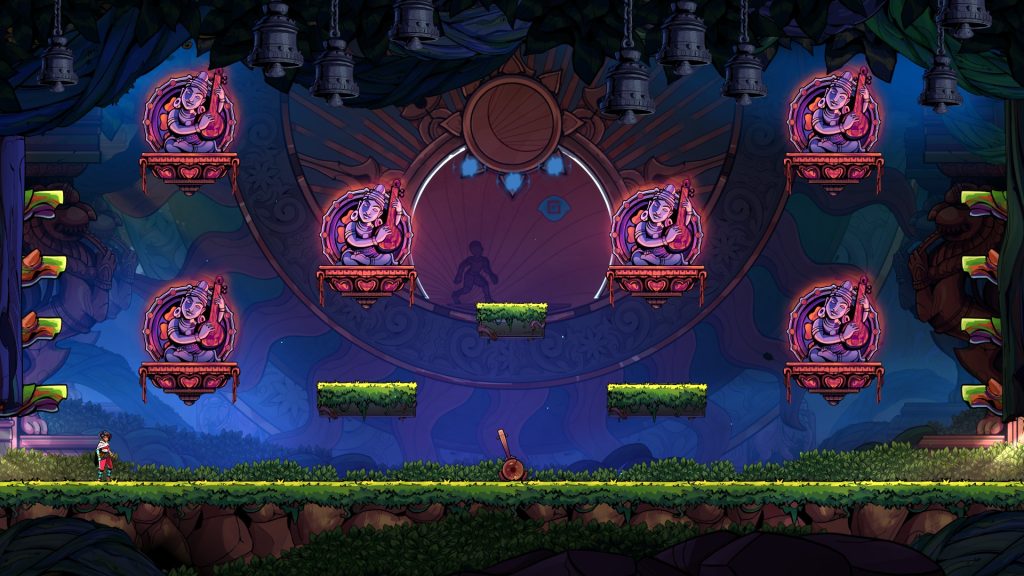
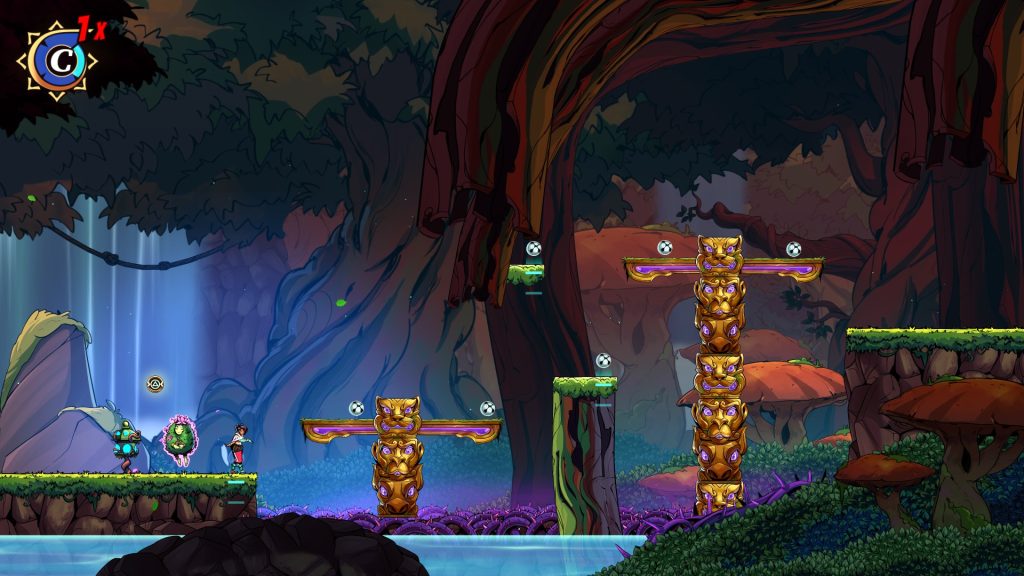
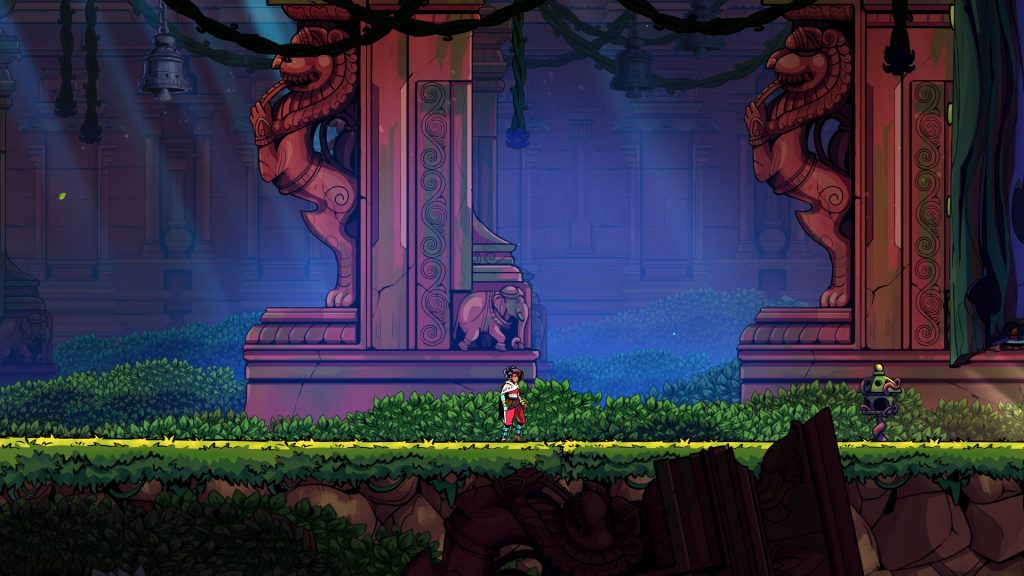
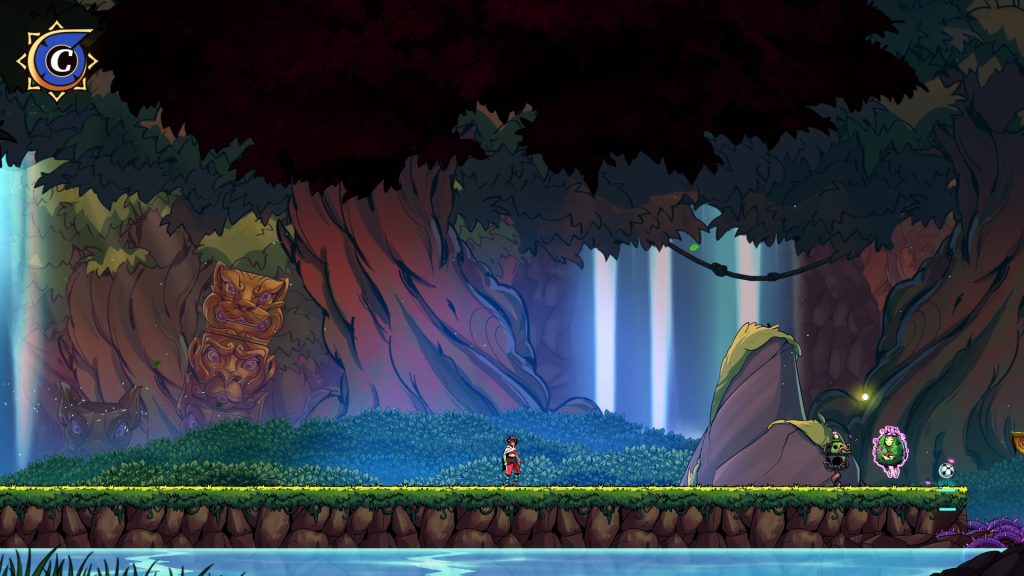
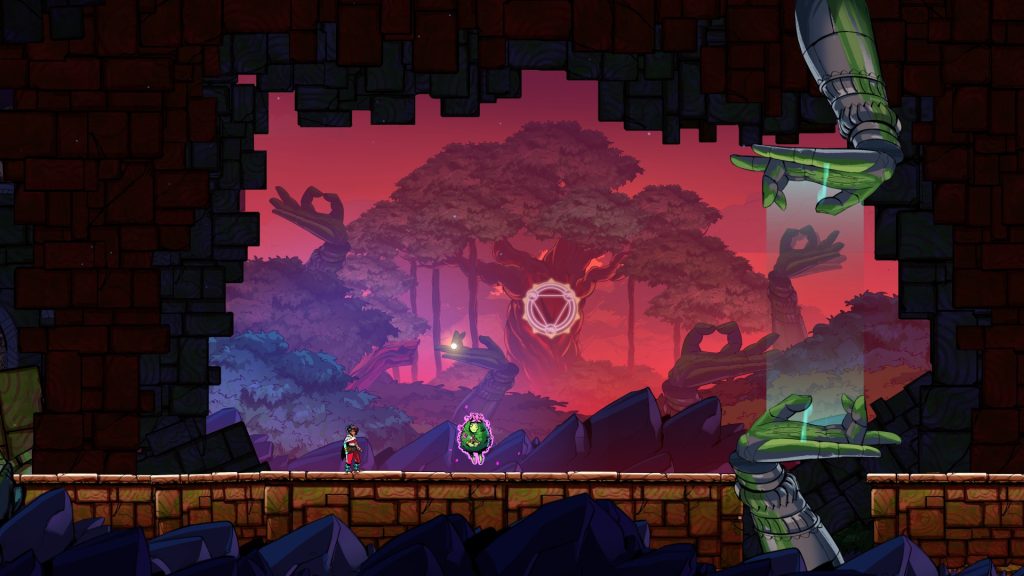
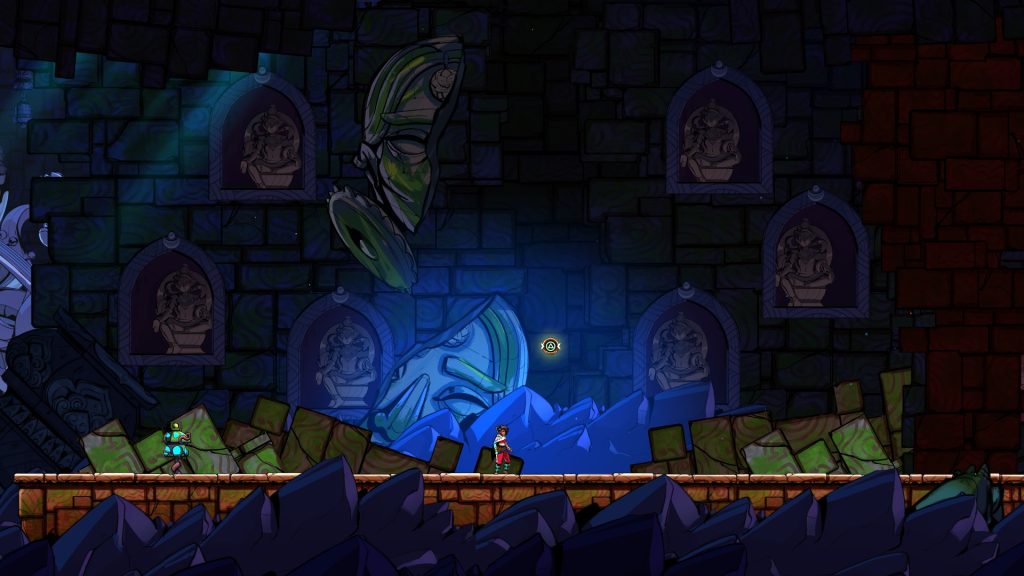
One of the best things about Suri: The Seventh Note is the gameplay, which blends responsive controls, balanced challenges, and creative mechanics into a fun platforming experience. Basically it’s a 2D platformer with rhythm-based interactions and environmental puzzles, but what makes it stand out is how you’ll see movement and music melded together. The game doesn’t just use the soundtrack as background accompaniment, it makes rhythm essential to navigating its world. Players will have to use magical notes and sound-based abilities, and must pay close attention to the beat whether it’s jumping between platforms, interacting with environmental objects, or overcoming obstacles.
Ajir herself is very smooth and responsive to control. Her moves are snappy enough that players feel a satisfying amount of control when moving mid-air, jumping on rhythm based platforms, or moving through dangerous settings. In a game where timing is everything, this responsiveness is vitally important. The good news is that the environmental puzzles are well designed for the most part, with a fair balance of accessibility and challenge. They’re interesting enough to keep you engaged, but not so complex that they’ll interrupt the natural flow of the adventure.
Much of the gameplay involves using sound-based powers in time with the music. You’ll be neutralizing hazards, dealing with troublesome creatures, or activating environmental mechanisms, and often you’ll need to time your sonic attacks just right to succeed. It’s a creative foundation that gives Suri a unique identity, although the game doesn’t explore the possibilities of it as much as it could. After a while, some meetings start to rely on familiar patterns, making some of the challenges feel repetitive. There are also the odd moments, especially in busier sequences, where there’s a slight delay in attacks going off, making accurate timing more difficult than it needs to be. In a game that is so dependent on rhythm and responsiveness, these inconsistencies can be frustrating.
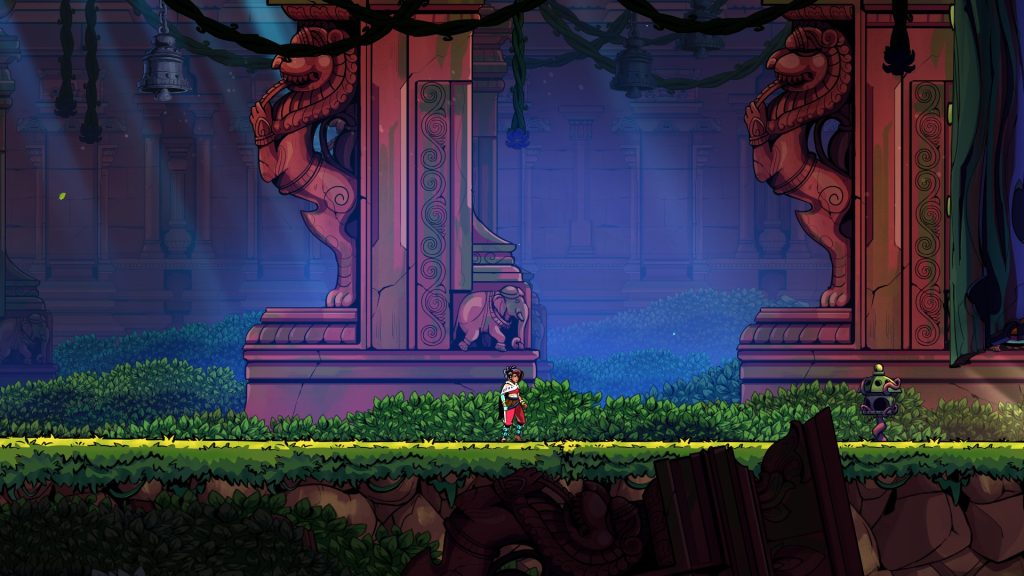
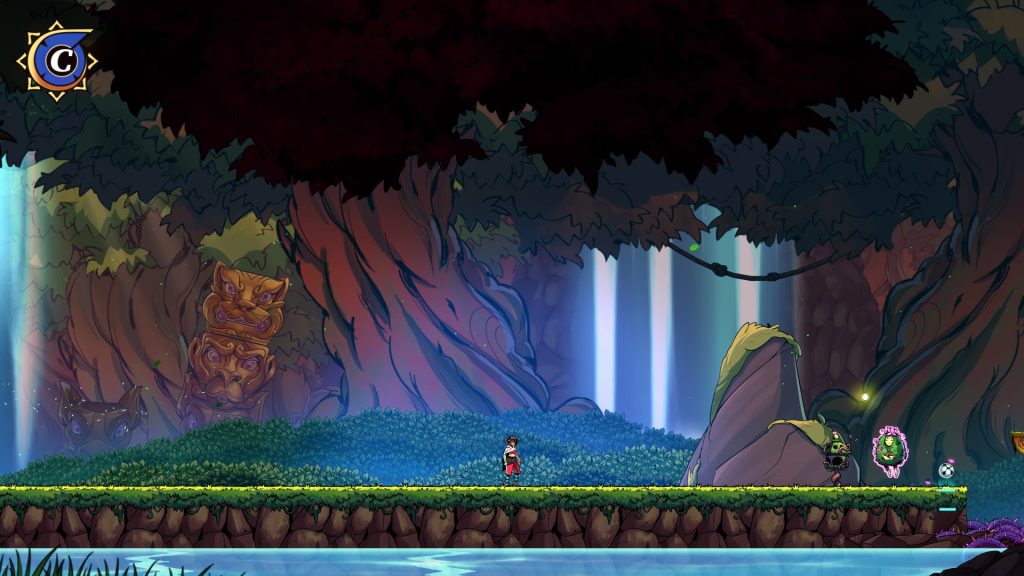
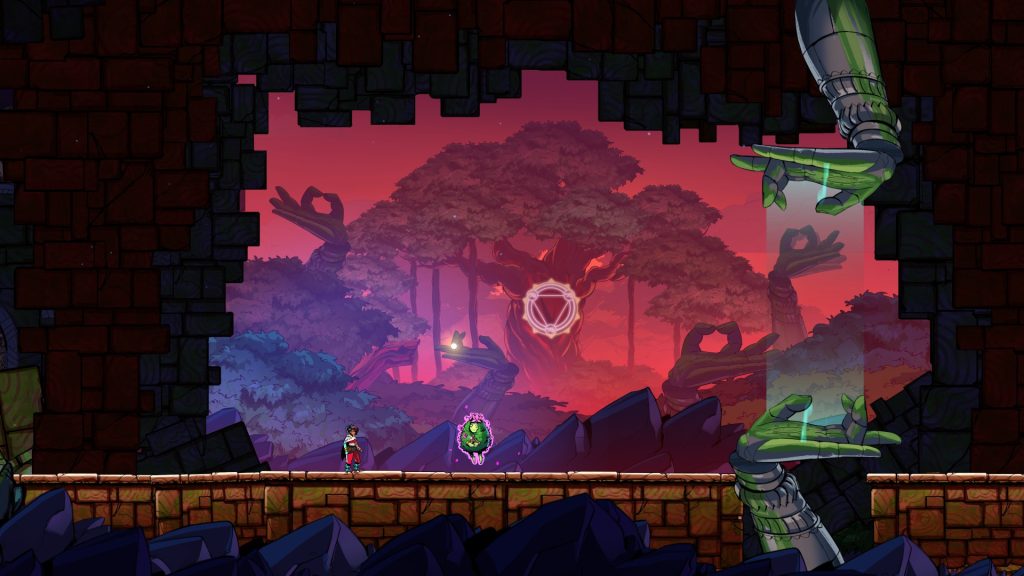
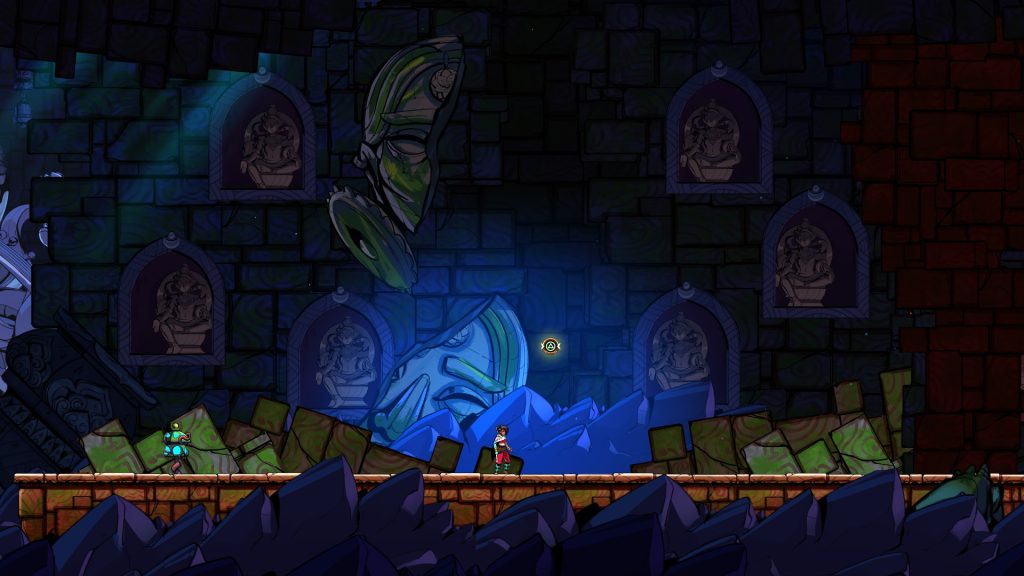
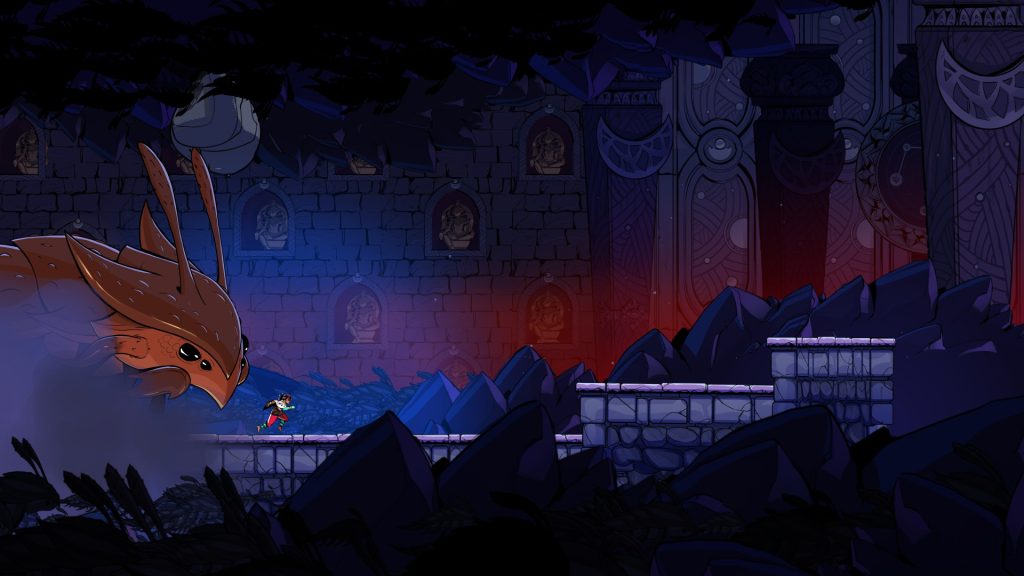
Even if the underlying ideas begin to repeat themselves, the mix of rhythmic mechanics and environmental puzzle-solving is still engaging enough for much of the adventure.
Character progression also takes a refreshing approach, focusing on expanding Ajir’s movement and musical abilities instead of conventional numerical upgrades. The early challenges will mostly test your timing of jumps, slowly introducing players to the link between movement and rhythm. Along the way, you unlock new sound-based powers, and combine familiar mechanics with moving obstacles and more challenging platforming sections.
The difficulty curve is normally well-balanced, with challenges becoming harder as players get a better understanding of the game’s systems. Crucially, success isn’t so much about solving ever more complicated puzzles as it is about mastering the timing and coordination required to move in sync with the music. It adds a nice sense of skill progression to the game, as sequences that seemed daunting before become easier with practice.
The second half of the game, though, can’t quite keep up the same sense of mechanical discovery as the first does. The first half of the adventure introduces most of Ajir’s defining abilities, and later stages mostly rely on re-arranging and combining familiar mechanics. These combinations can still be fun to figure out, but they’re rarely as exciting as discovering a brand new ability or interaction.
So, Suri: The Seventh Note is still a mechanically fun and well-designed platformer, but the creative momentum starts to dwindle as the adventure wears on. Its rhythm-based gameplay is a good starting point, but a greater variety of mechanics and consistent feedback could have elevated an already delightful experience to another level.
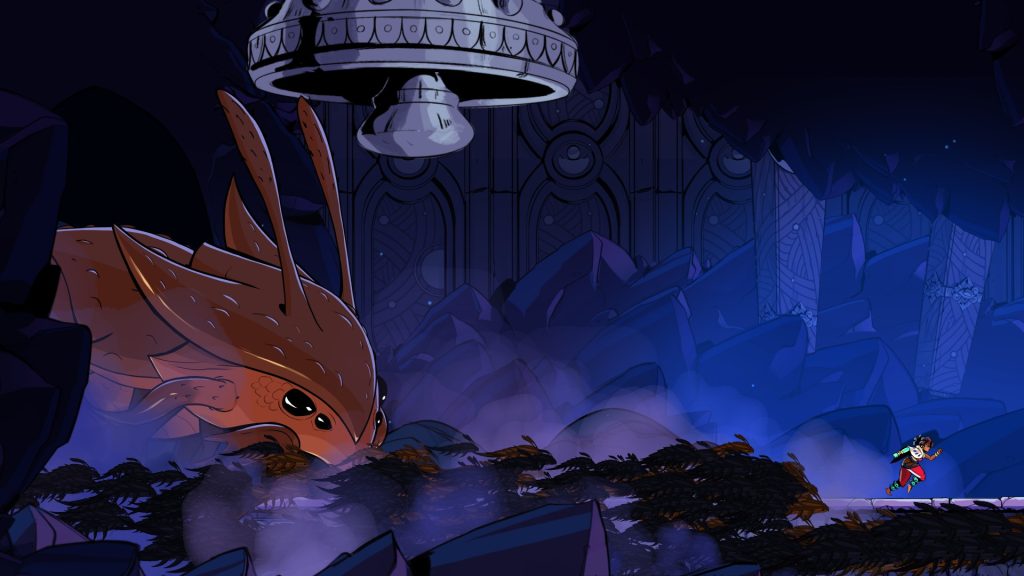
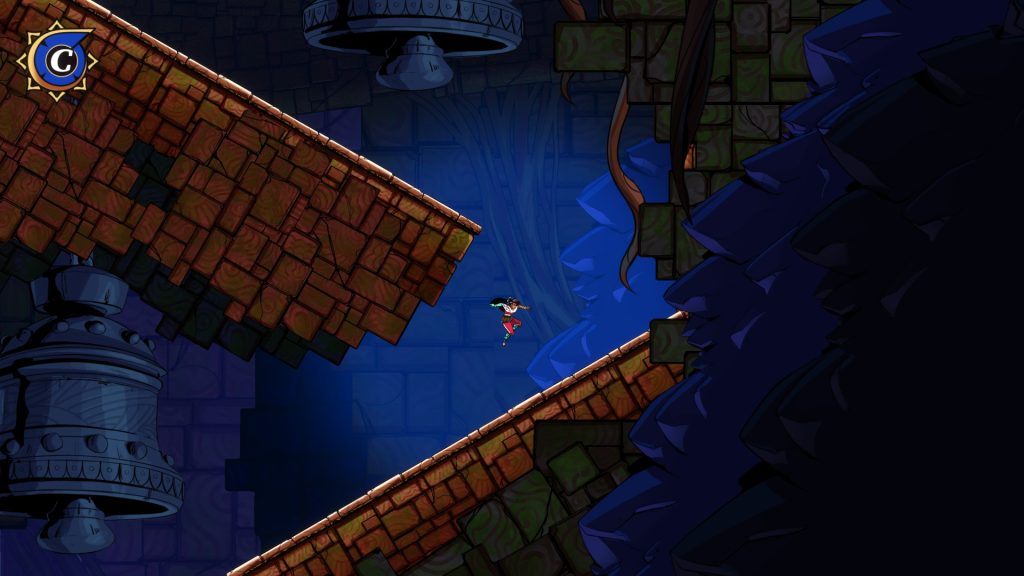
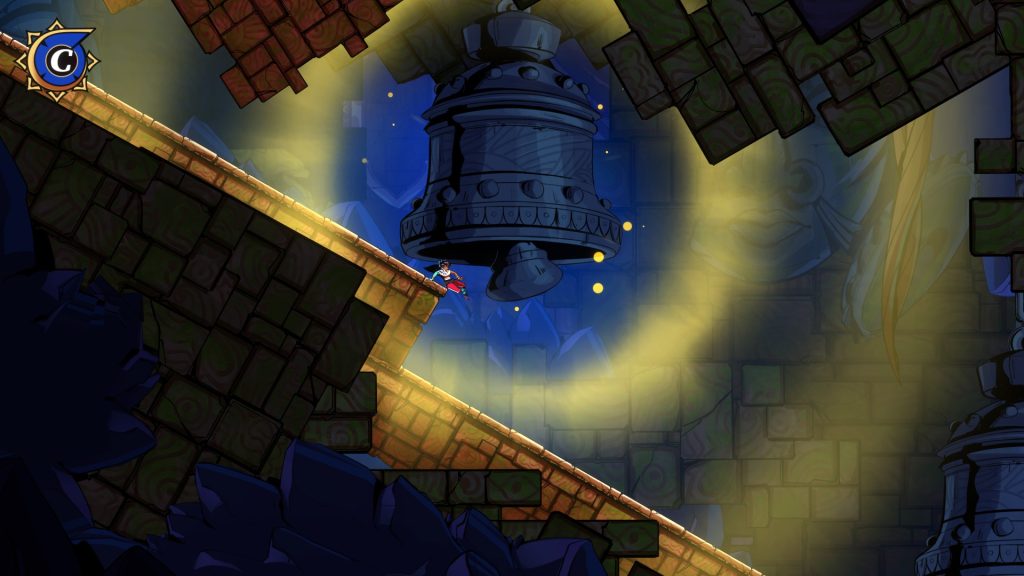
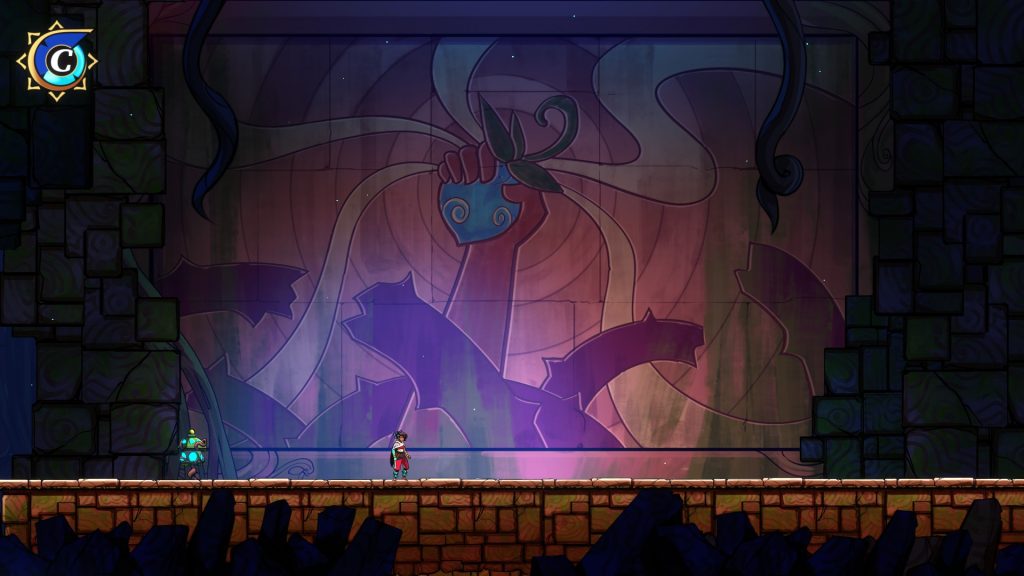
The art direction and music are some of the strongest elements of Suri: The Seventh Note. The bright environments contrast nicely with the darker areas, and give a sense of the world’s changing atmosphere. Ajir’s animations are fluid, and each location has reactive background details that make it feel alive. The soundtrack fits each region perfectly and sound effects are crisp, which makes platforming and puzzle-solving feel satisfying. However, after several failed attempts one can get frustrated by listening to the same short musical passages over and over again, especially in the difficult parts. But that’s a minor quibble. As you go through the adventure the game does a fine job of combining bright colors, lively animation and immersive sound to create a sense of unity that complements the game’s unique musical personality.
Final Verdict
Ultimately, Suri: The Seventh Note is like a beautiful melody that you hear on a rainy evening and it amazes you and makes you want to listen to the last note. Unfortunately, the later stages are a bit repetitive and the lag of some animations can be frustrating in the more demanding sequences when it doesn’t have to be. But the fantasy world and game soundtrack are so enchanting, it is good enough reason to finish the adventure.
Suri may not be the most perfectly composed piece of music you’ll ever hear, but it takes more than perfect notes to make a memorable melody. It needs that little something extra. The something that gives it its own personality. Something you will carry with you long after the music stops. Something is the seventh note of this journey, the one that ties the whole melody together and gives it meaning. And it’s a note that may still be reverberating inside your head after the credits have rolled.
This review is based on the PC version
Score: 80/100

Other Articles