

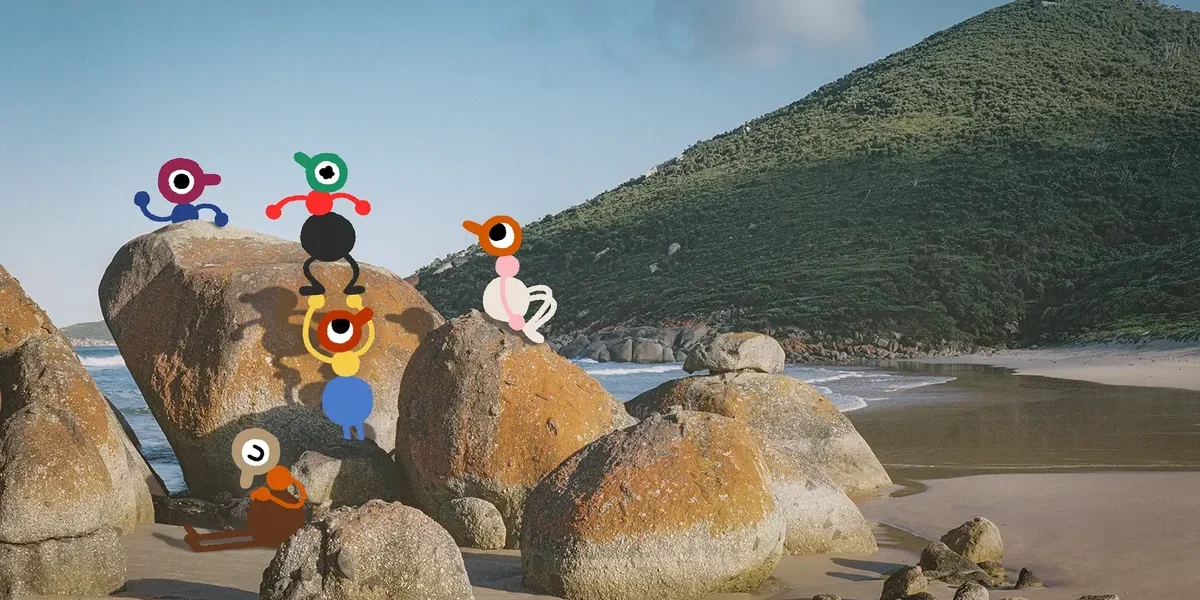

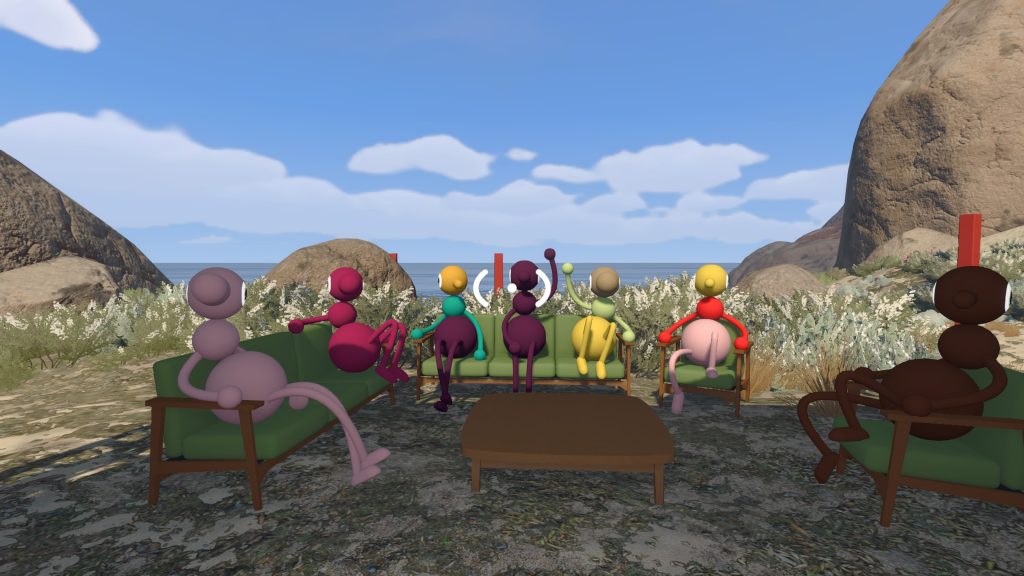
There were ten of us. Four were old friends of mine; the rest were friends of friends—people whose voices I had never even heard before that night. By the time we stopped playing, though, none of them felt like strangers anymore. There are plenty of things I could say about Big Walk, but that might be the most honest description of the experience.
House House’s latest game feels remarkably different from the Australian studio’s previous work. There is no mischievous goose this time, no chaos to cause, and no unsuspecting strangers waiting to become the target of your next joke. Instead, there is simply a road, a group of people, and one question at the heart of the entire experience: can we actually communicate with each other?
The atmosphere is considerably calmer and more laid-back, to the point where Big Walk and House House’s previous game could almost have come from two completely different studios.
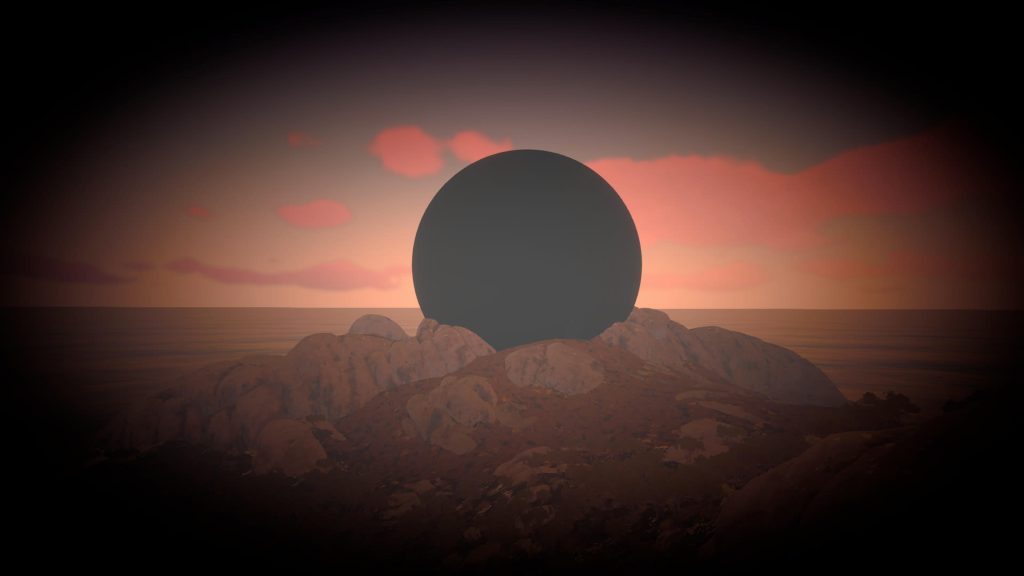
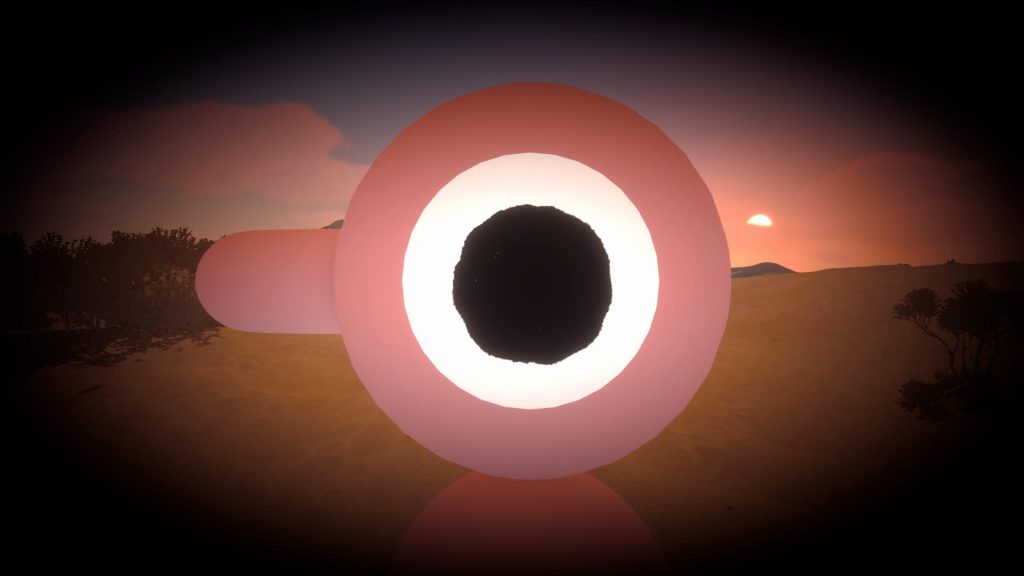
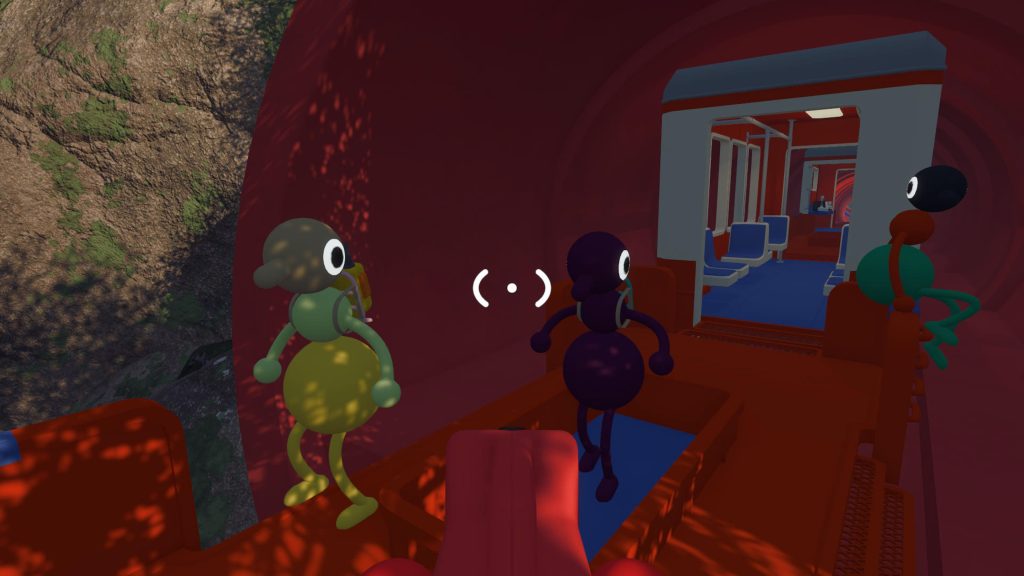
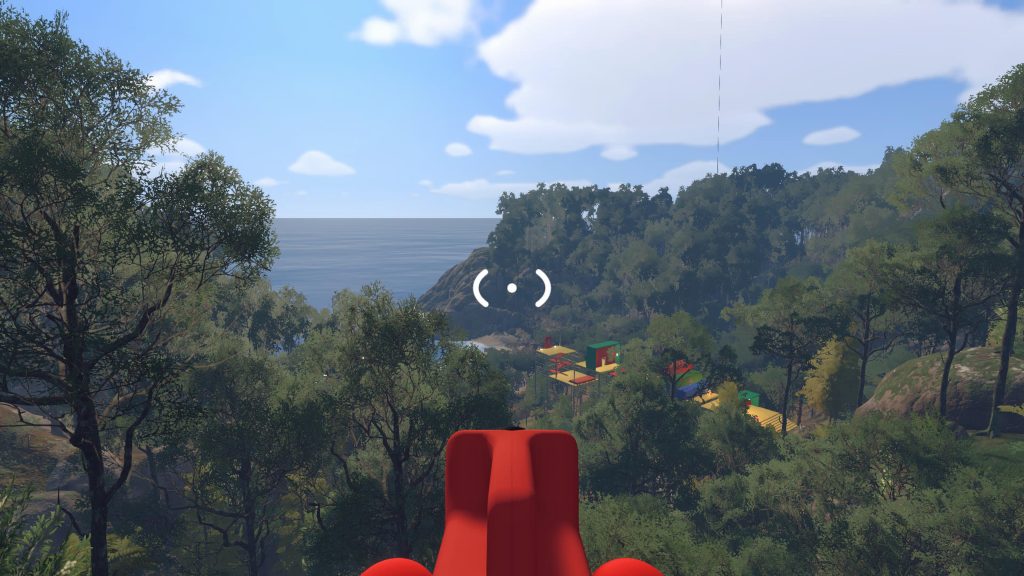
The More, the Merrier
Many co-op games begin to fall apart as the player count increases. Coordination becomes harder, voices overlap, and objectives get lost in the noise. Big Walk works in almost the exact opposite way.
The four-player session I had previously experienced felt completely different from playing with ten people—more like comparing a small gathering with a full-blown festival. Every additional player introduces another opportunity for misunderstanding, another joke, or another unexpected helping hand. Big Walk is designed so that having more people around isn’t a problem to overcome; it is part of what makes the game work.
Unfortunately, that comes with a technical cost. With ten players, we experienced several crashes on PS5. The crashes themselves weren’t necessarily the biggest problem—games crash. What mattered was the penalty that followed. Getting back to where we had been meant repeating a lengthy journey from the base, and along the way, some players would fall out of the group’s shared voice space and struggle to reconnect with everyone else.
For a game whose entire identity revolves around being present together in a shared moment, technical problems like these cost far more than a simple restart.
Voice Chat You Can Not Bypass
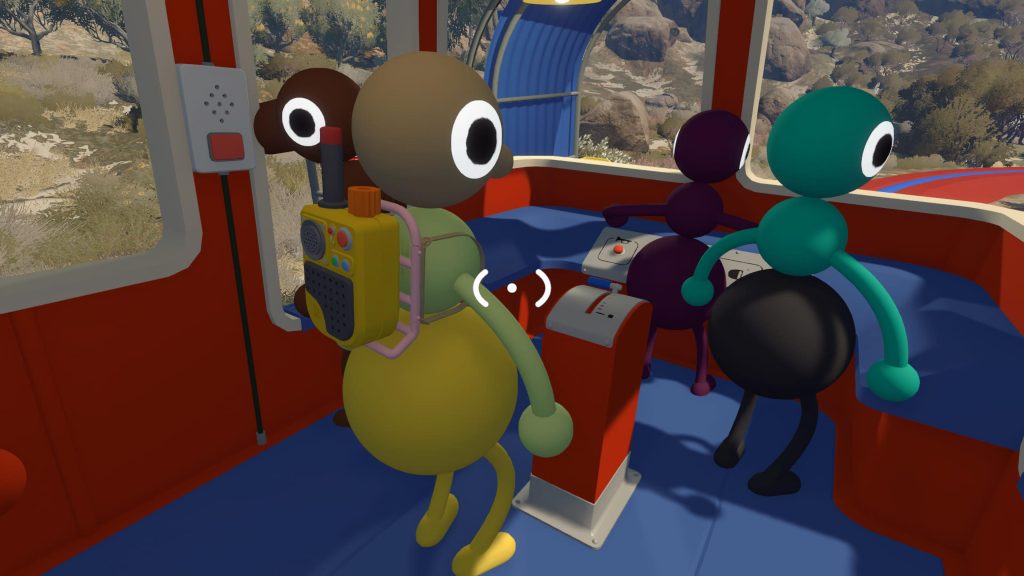
Let’s be clear: Big Walk’s audio chat is not an opt-in feature for players. That’s the spine of the whole experience. The way your voice echoes down a corridor, fades into the distance, or crackles through a walkie-talkie: these are not just sound effects, but part of the logic of the problems themselves.
Using discord or whatever just seems empty. Not because the gameplay suddenly breaks down but because that skips out on the whole point of such meticulously designed audio. And this is where House House takes one of its biggest risks. Instead of relegating communication to the role of a tool to support the game, it makes communication the game. And that may ultimately be the strongest justification for Big Walk as GOTY.
Puzzles That Refuse to Repeat Themselves
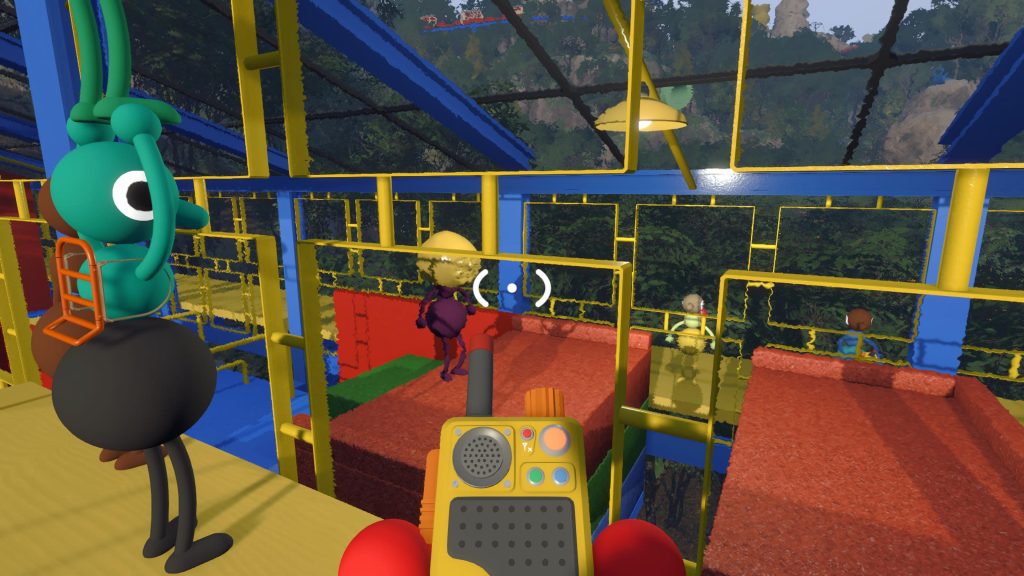
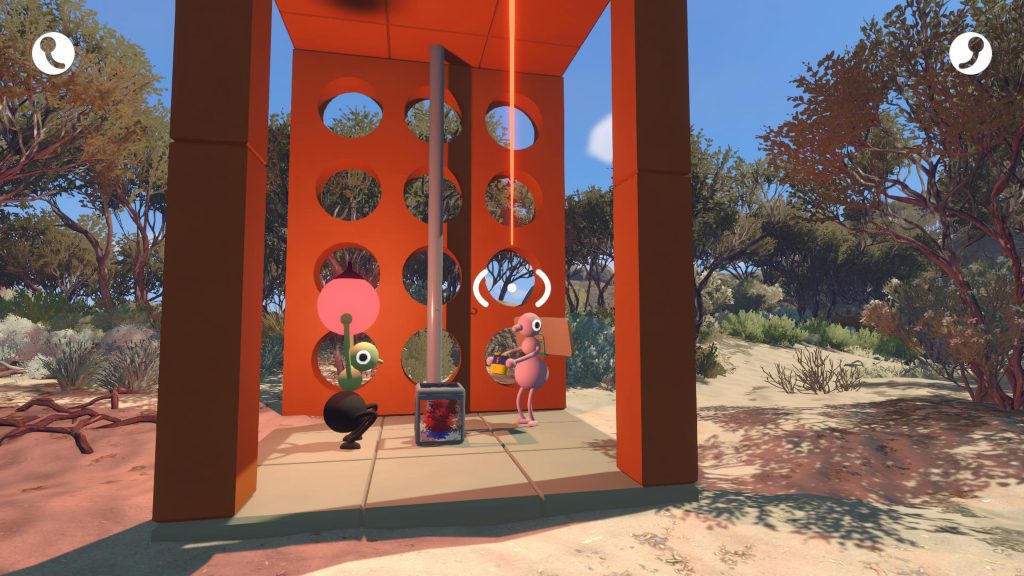
I have to be blunt, I have never found a puzzle that seemed recycled throughout my time with Big Walk. Each challenge has its own personality, rather than just a template with a varied coat of paint.
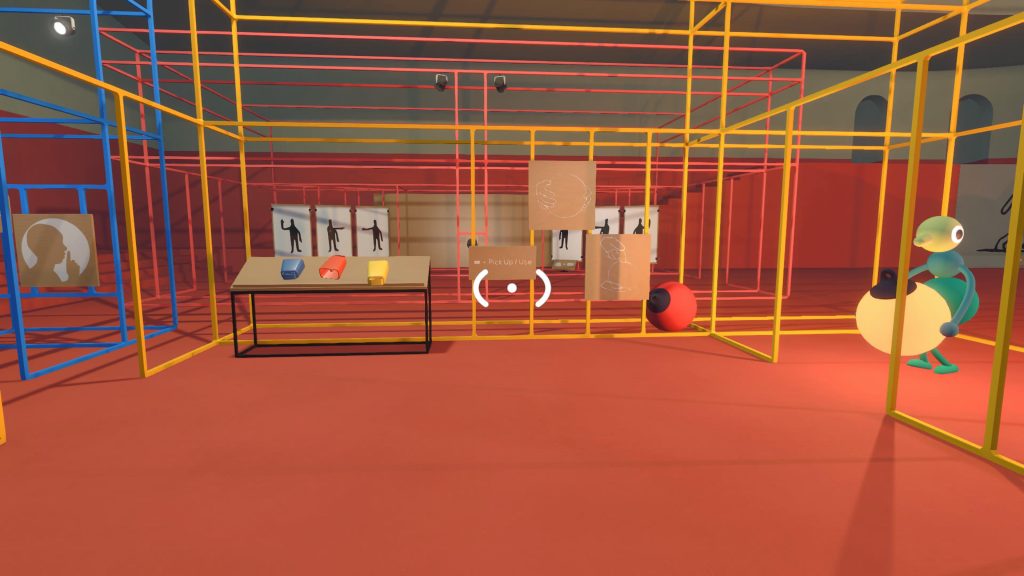
The clearest illustration of this is in the last segment where the game takes away your voice altogether. Nobody’s talking. Suddenly there’s no walkie-talkie. You only have the road in front of you, the puzzle in front of you, and the motions your characters may use to communicate.
It’s a fantastic inversion of the game’s core premise. After a whole experience of educating you to rely on your voice, Big Walk suddenly takes that tool away and compels the players themselves to find another manner of communication. It’s a design decision that many purportedly more ambitious games would never dare to undertake.
“Getting Lost” Actually Means Getting Lost
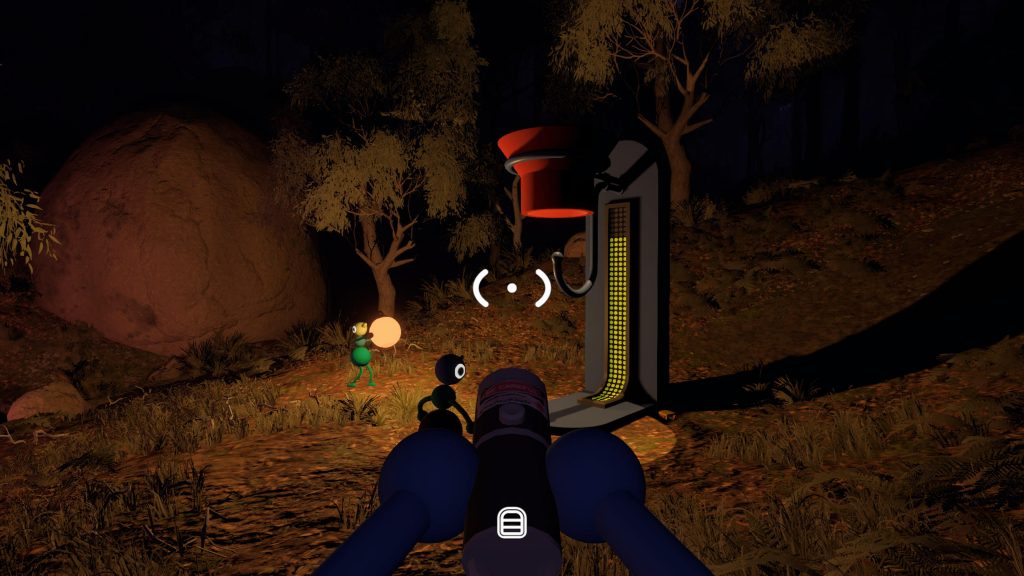
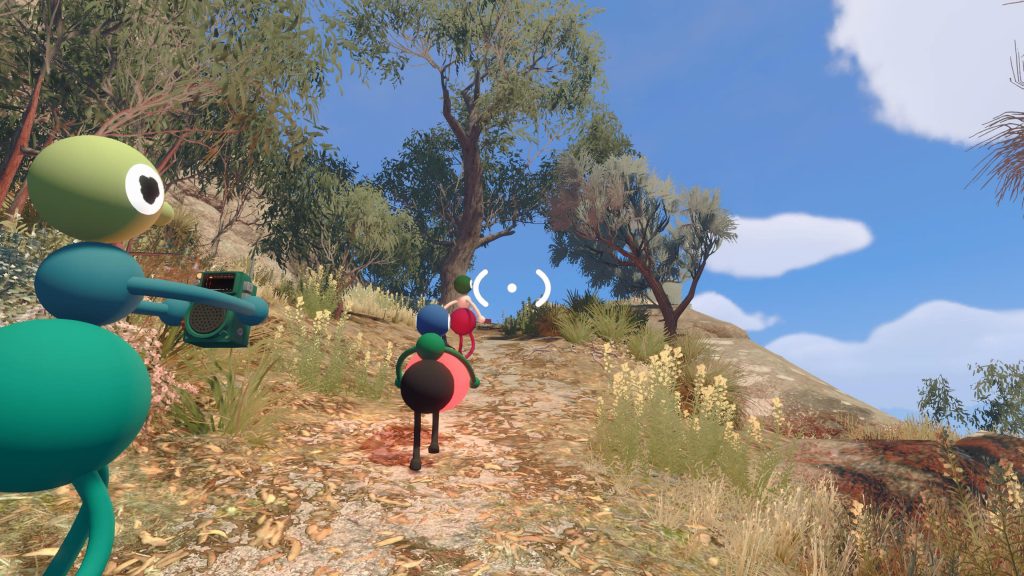
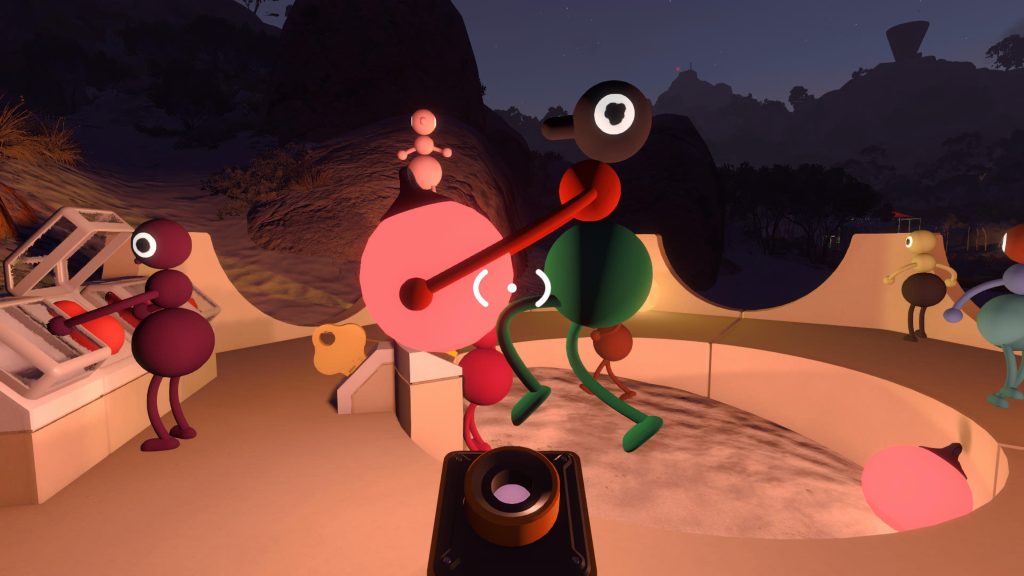
When we finished playing, a number of people in our group commented about the sense Big Walk creates when you go apart from everyone else. It’s been compared to the feeling of being lost as a child, and honestly, that’s not an exaggeration.
But when you start wandering off in different ways attempting to find your way back, and the rest of the group realizes someone’s missing and starts utilizing lights to assist guide you toward them, getting lost ceases seeming like a simple mechanism. That’s when it becomes something emotional. And something that only works when they’re there to share it with you.
A Reason to Go Back
As we were such a huge group we naturally split up and took separate routes, smaller groups completing different problems as we went. So there were lots of riddles I never got to see, which gives a real motivation to go back.
But there’s a key difference here, having enough unknown content to warrant another playthrough is one thing, finding the energy to wrangle another group is another. Big Walk is a game where the quality is closely related to the practicalities of your actual life, and that reliance is very much a double-edged sword.
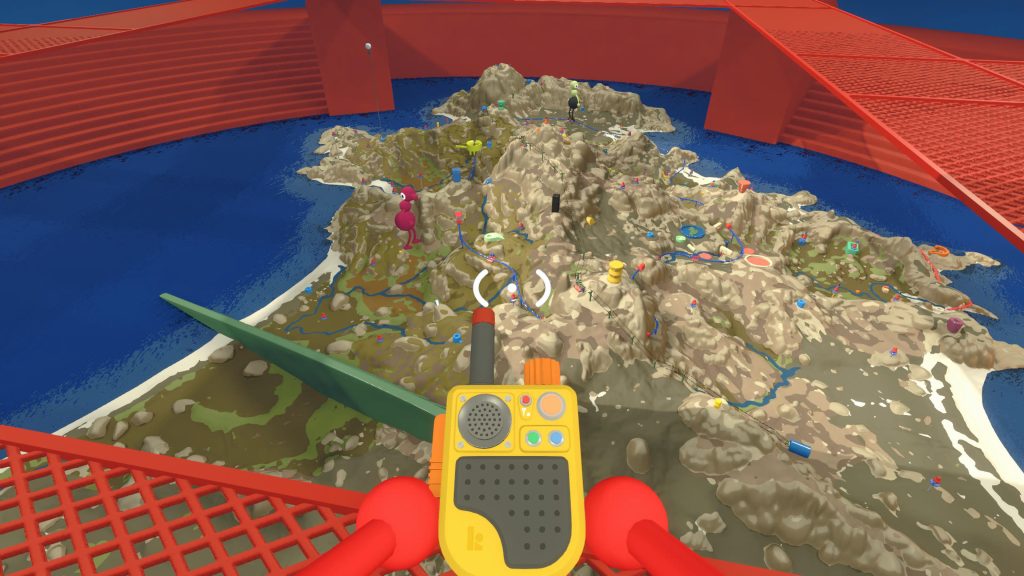
Beneath all the things I’ve complimented, there’s a structural problem that isn’t immediately obvious: quick travel. Cable cars and trains do assist minimize the distance of some journeys, but you always start from the central hub and there are no stops in between or clever bypasses, meaning you can waste a lot of time retracing paths you’ve already taken.
That’s the kind of repetition that should’ve been minimized for a game that’s so much about the thrill of discovery.
Final Verdict
Big Walk is not a game that wows you with amazing gameplay or a complex story. Its shocks reside elsewhere. They lie in the way it makes voice and distance and the presence of others the very tools of growth. They lie in the way it can make one night with ten individuals, half of whom are complete strangers, truly memorable.
The infrequent crashes and the inefficient fast-travel mechanism are significant flaws, not little problems you can ignore. But maybe the ultimate measure of success for a social game is what’s left when you stop playing. If strangers you never met before the session don’t feel like strangers by the time it’s over, then Big Walk has succeeded at possibly the hardest challenge a game like this can set for itself.
This review is based on the PS5 version
Score: 95/100