

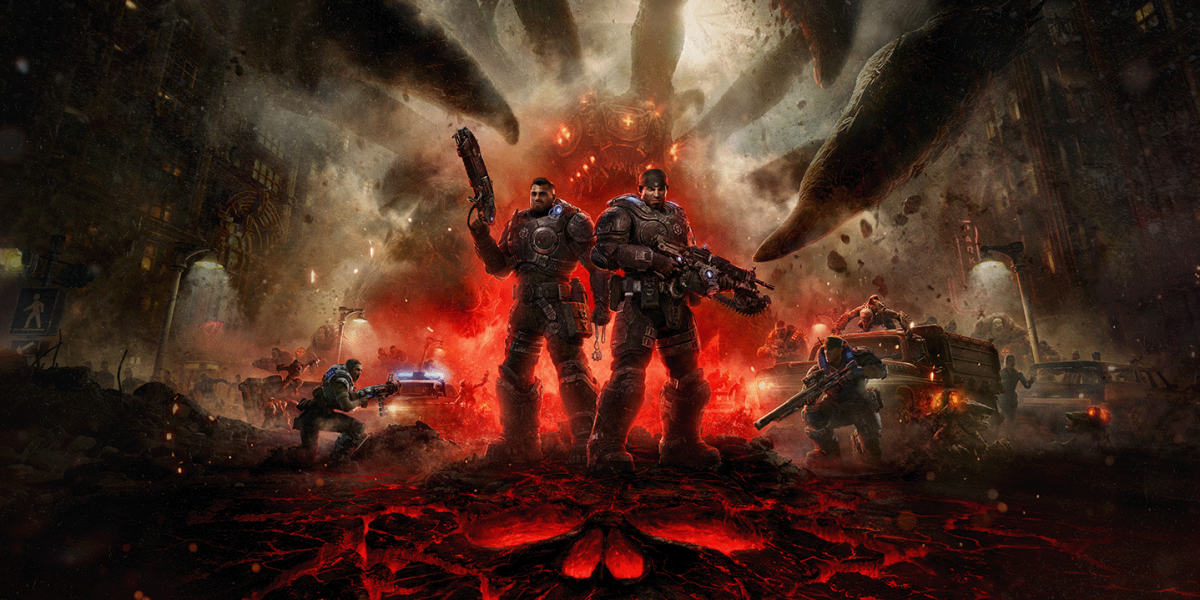

Rather than continuing the story of Gears 5, The Coalition is taking the franchise back to where the nightmare began. Set fourteen years before the events of the original game, Gears of War: E-Day explores the devastating first day of the Locust invasion, marking a bold return to the series’ roots. It’s a direction that offers newcomers an accessible entry point while promising longtime fans a revival of the dark atmosphere, brutality, and relentless intensity that defined the original trilogy.
But can E-Day successfully introduce a new generation of players to the horrors of Sera while recapturing the spirit that made Gears of War such an iconic franchise in the first place?
A Disaster Bigger Than Its Characters
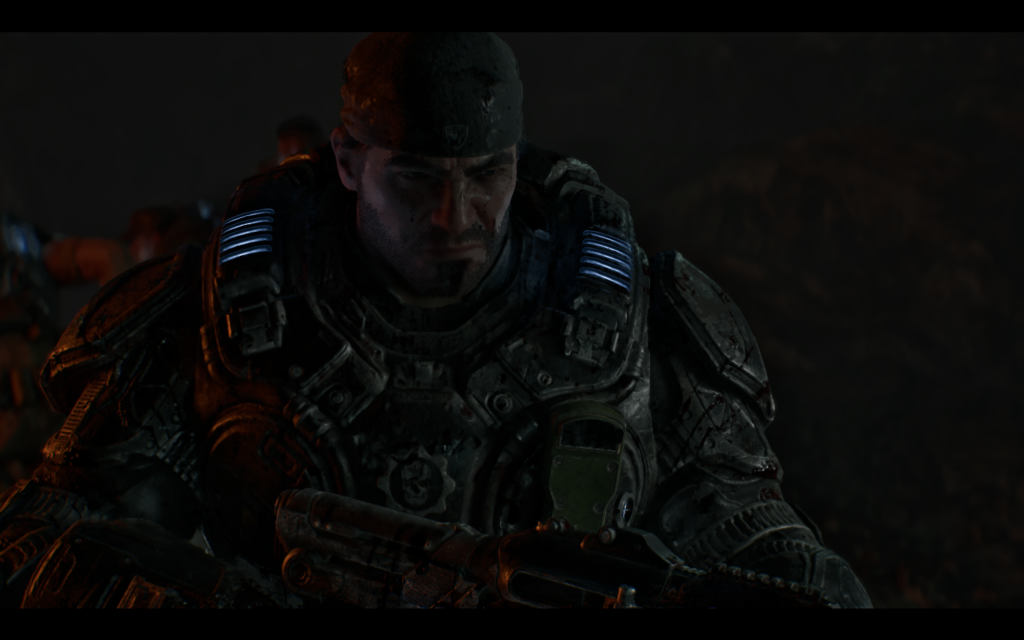
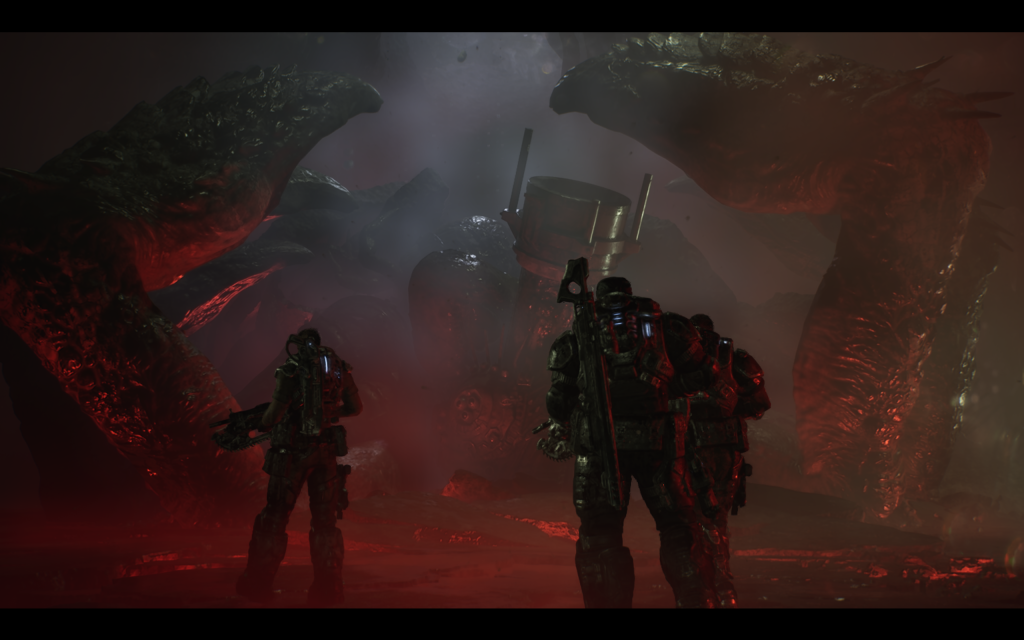
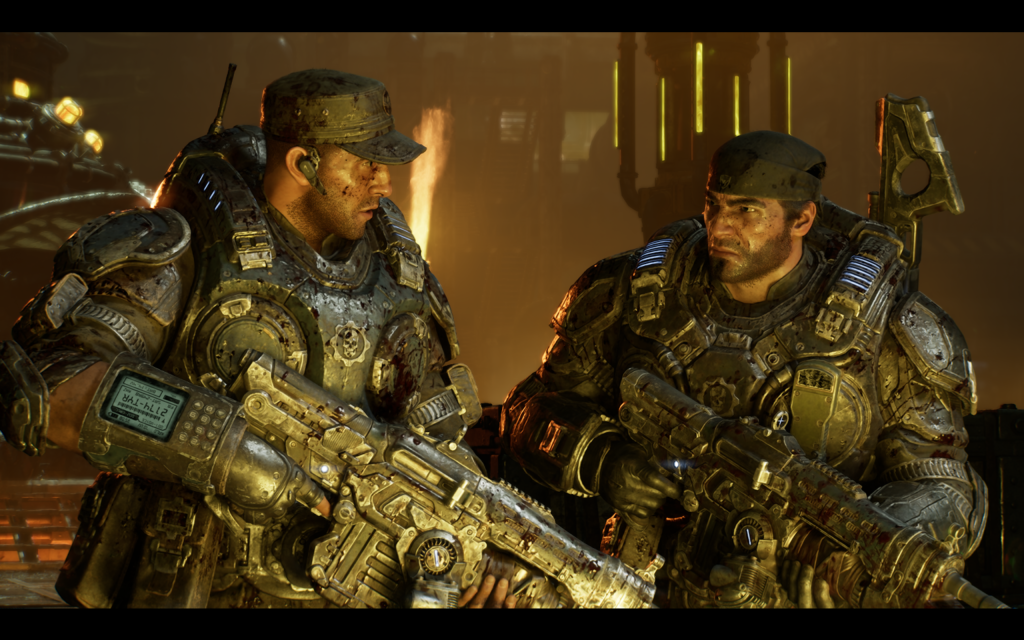
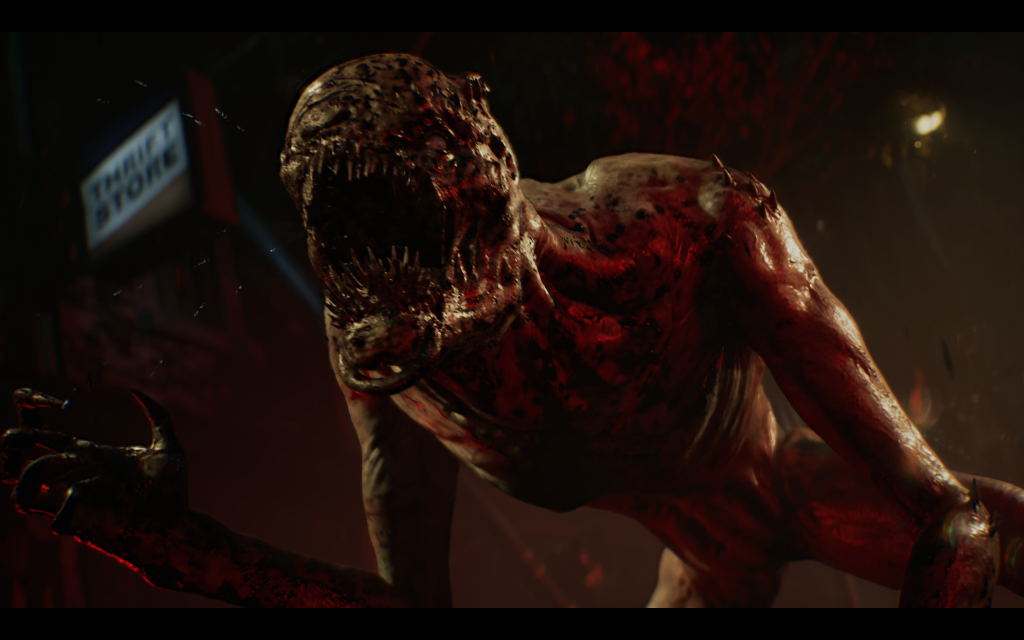
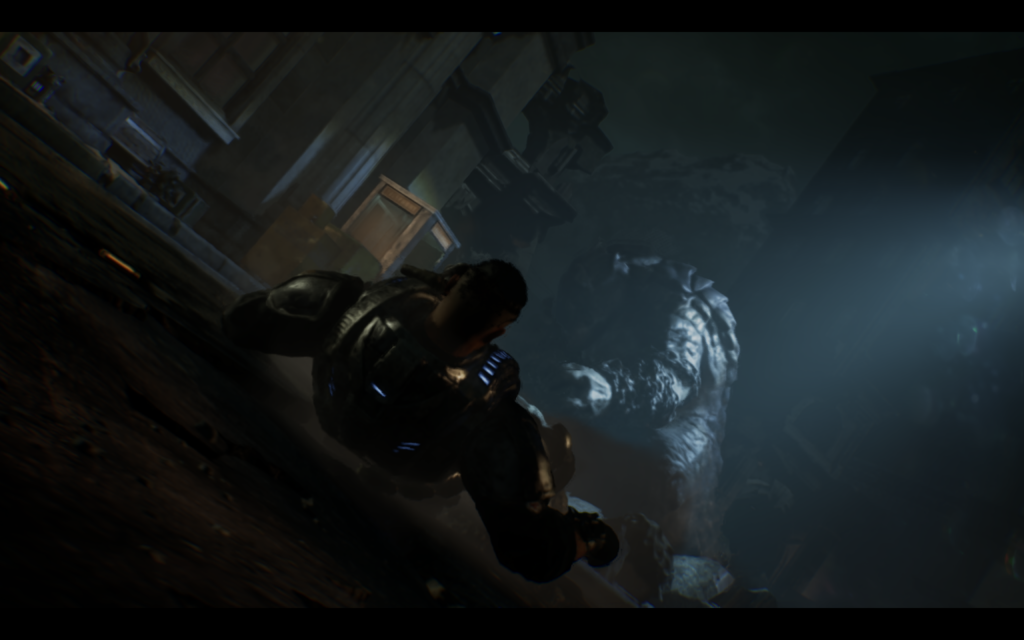
Gears of War: E-Day takes place during the first three days of the Locust invasion of Kalona, and follows Marcus Fenix and Dominic Santiago as they battle an enemy unlike anything they fought during the Pendulum Wars. The opening hours are all about survival horror, it’s about vulnerability, minimal equipment, desperate encounters and environments that quickly turn into chaos. This approach makes the Locust genuinely terrifying and at the same time offers newcomers a good introduction to the franchise.
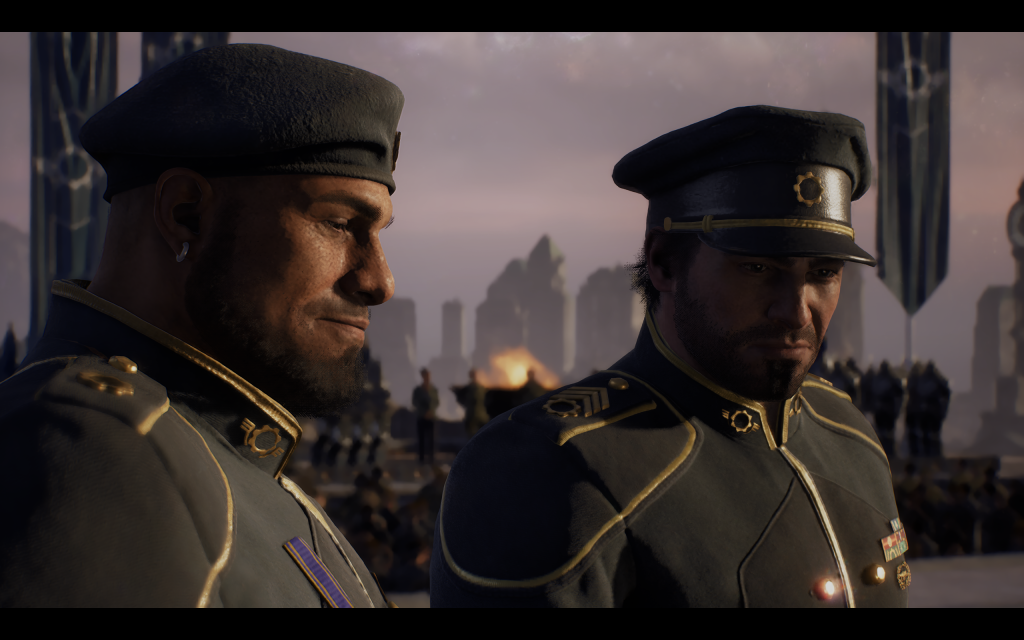
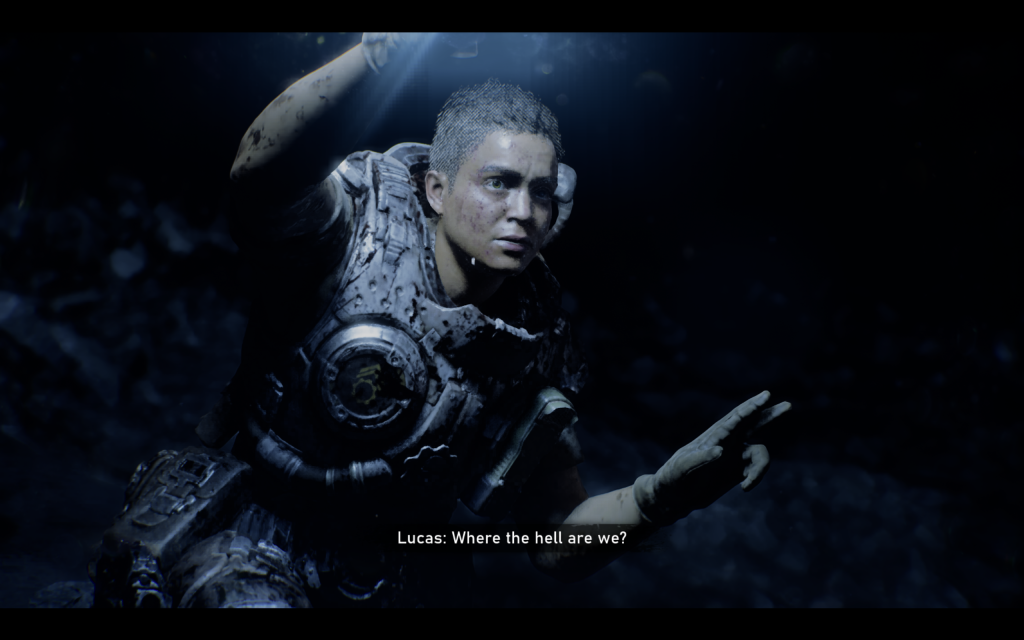
As the story continues it becomes less about the mission and more about Bravo squad and the emotional impact of war. Carlos’s death provides a foundation for exploring Marcus and Dom’s friendship, and Dom’s personal struggles and Lucas’s traumatic experiences add emotional weight. Unfortunately, these promising threads rarely get the development they deserve. Marcus remains compelling thanks to his commanding personality and excellent voice acting, but charisma can’t make up for limited character development.
Important moments in the franchise’s history, like the creation of the iconic chainsaw Lancer, feel surprisingly underexplored, too. While the story does get more emotional later in the story, it never quite delivers the human cost of such a devastating catastrophe. In the end, E-Day provides a satisfying conclusion, but the destruction of Kalona leaves a greater impact than the characters witnessing it.
Combat – Improving the Cover System Without Losing Its Identity
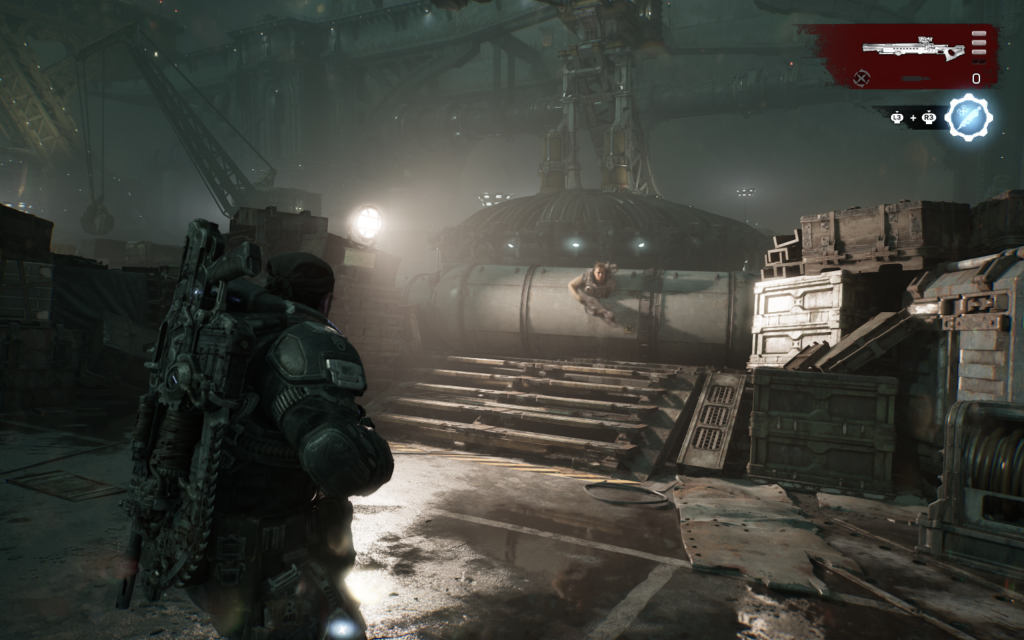
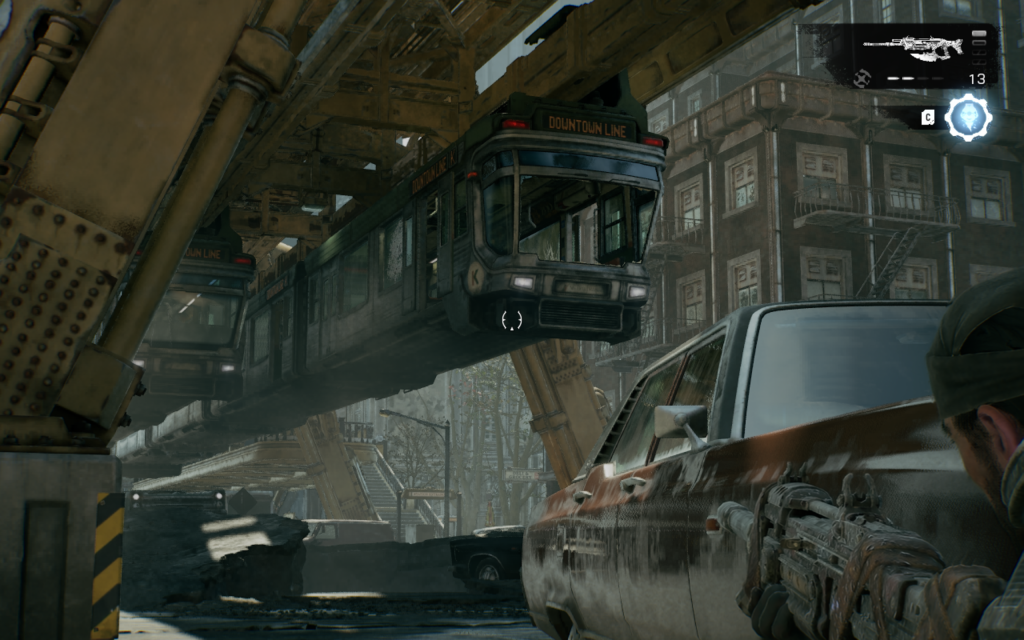
The basic gameplay of E-Day is still third-person cover-based shooting. Instead of overhauling the formula, The Coalition has opted to refine its mechanics and add more options. This results in a combat system that retains the heavy feeling of movement and shooting, while giving players more freedom in how they approach battles.
Jumping and sliding mean Marcus can switch positions faster. The cover system, however, is the biggest improvement. E-Day: Marcus’ use of an obstacle is determined by its height. He can take cover behind the lower cover to protect himself. Taller barriers offer different shooting positions. Cover can also be destroyed in combat. If the top portion of a barrier is destroyed by enemy fire, players might need to move or find somewhere else to hide.
As a consequence, choosing cover is not simply a matter of finding the nearest wall. Players have to think how high it is, at what angle they are going to shoot and whether it can withstand attacks from enemies.
These changes make the battlefield feel more alive and force players to constantly check their surroundings, instead of staying in one place for too long.
Another area where E-Day does very well is shooting. Each shot is powerful, enemies react realistically to being shot, and the gruesome effects of ripping apart Locust bodies make combat particularly satisfying. Weapons also *feel* different in practice, not just in appearance. The Gnasher is perfect for close range fights, the Longshot is good for getting rid of enemies from a distance, and the Torque Bow allows players to deal out explosive damage. Each of these weapons provides a different approach to combat.
The Lancer’s chainsaw is another good example of the game’s relationship between violence and gameplay. Using it in close combat is popping out from cover and running straight at an enemy. It’s a risky decision but the quick and brutal execution makes it rewarding.
The Active Reload system adds another layer onto the shooting. It rewards good timing with faster and more efficient reloads, meaning all the short moments between gunfights matter. These mechanics all go to show that E-Day can improve on its gameplay and still be true to what made the original games successful.
Level Design – When Repetition Hurts the Pacing
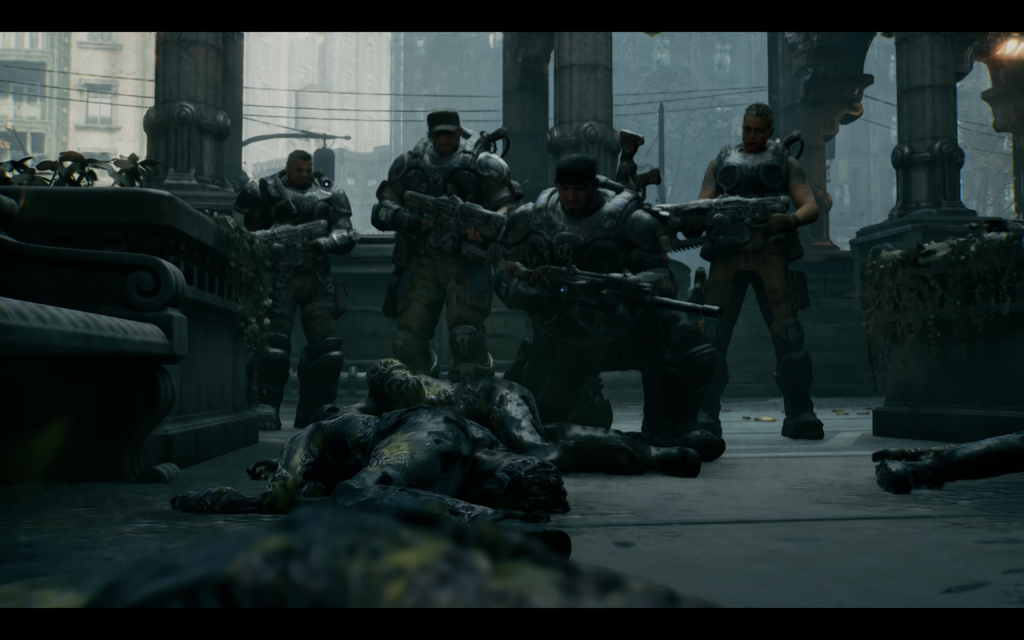
Gears of War: E-Day has tightly scripted missions in semi-open environments, but the most linear sections have the best pacing and cinematic moments. The larger spaces are fun for exploration, but the side activities, which typically involve rescuing civilians and fending off Locust, seldom provide any meaningful variety or consequences. The constant emphasis on Kalona’s impending doom also conflicts with optional objectives and collectible hunting, reducing the narrative’s sense of urgency.
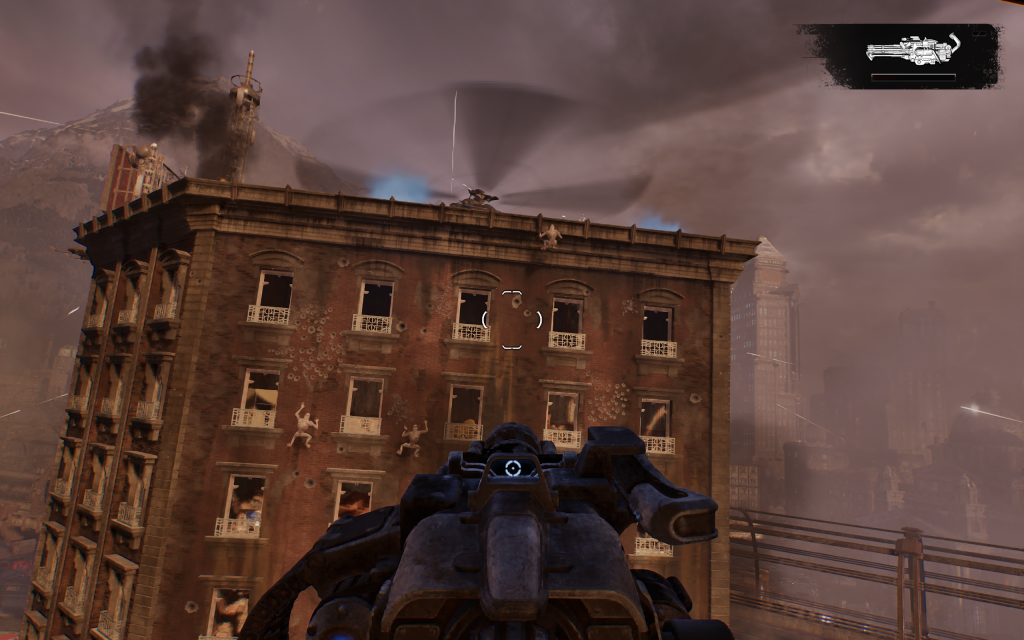
It’s better to return to the places where you were. There were streets that were whole, now they are gradually becoming destroyed battlefields. You can see the destructive impact of the invasion. But the mission objectives and enemy encounters don’t change much with these environmental changes, unfortunately. The environmental storytelling of the game is impressive, but about halfway through the campaign the pacing starts to suffer from repeated waves of enemies, long gunfights and objectives that start to feel all too familiar, making some of the missions feel unnecessarily drawn-out.
Enemy Design and Boss Fights – More Health Does Not Mean More Challenge
Gears of War: E-Day starts off with some fun combat as you fight a variety of Locust enemies that require different weapons, tactics and timing to defeat. Unfortunately, later encounters depend more and more on bigger groups of bullet-sponge enemies rather than meaningful challenges. The AI also has a bit of inconsistency and breaks the experience, where enemies sometimes don’t react and companions get stuck in the environment, forcing players to deal with threats alone.
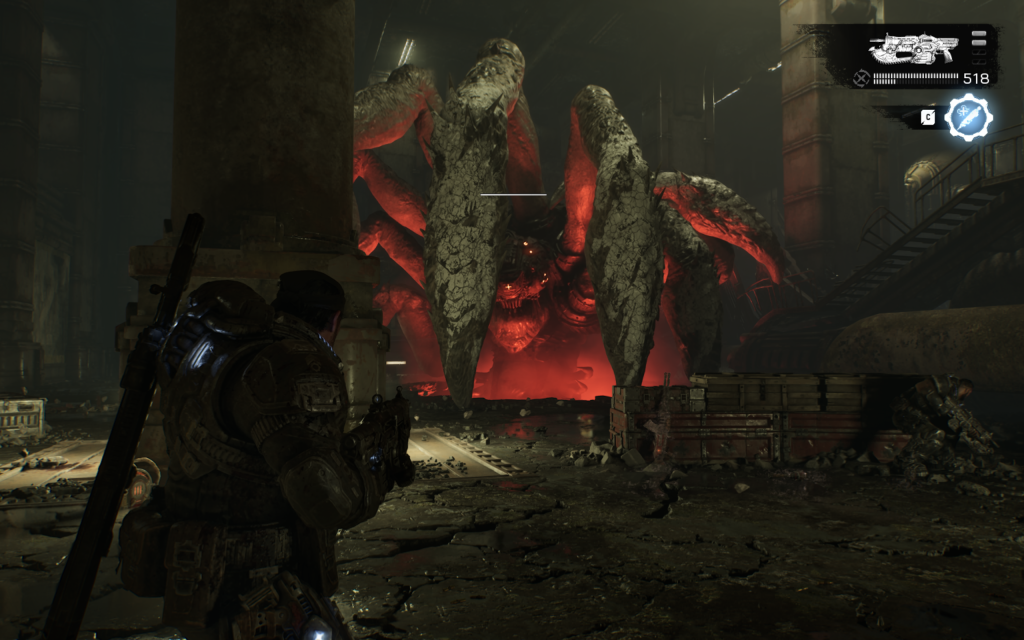
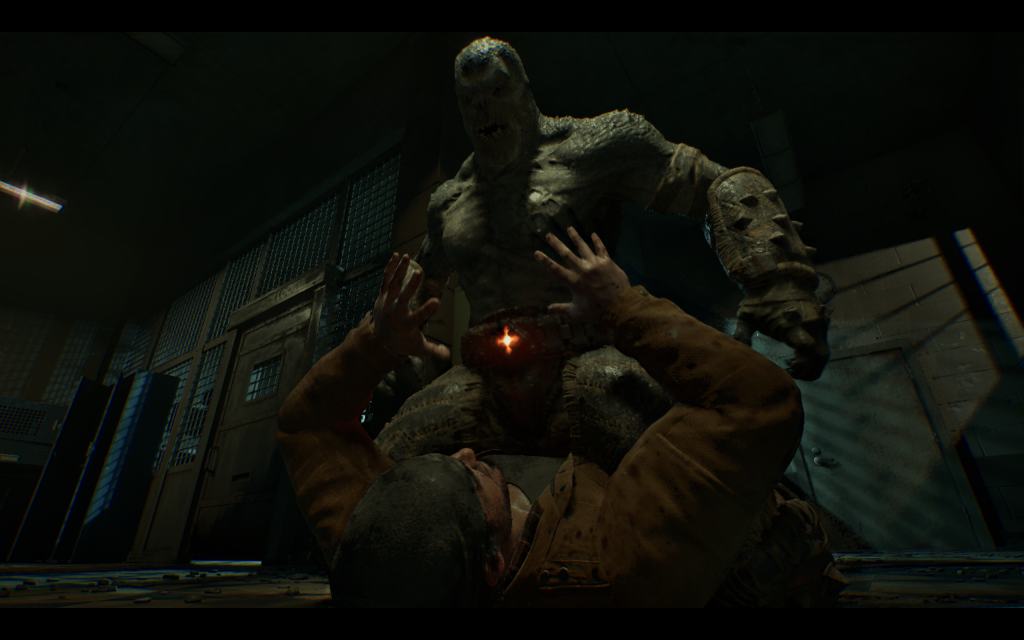
These pitfalls are mirrored in the final boss. It doesn’t have a unique mechanic or a memorable fight, it just has a harder version of the same old enemies. This leads to a prolonged and underwhelming battle that doesn’t convey the scope of the game’s destructive conflict.
Graphics, Performance, and Sound – A Beautiful City with Technical Problems
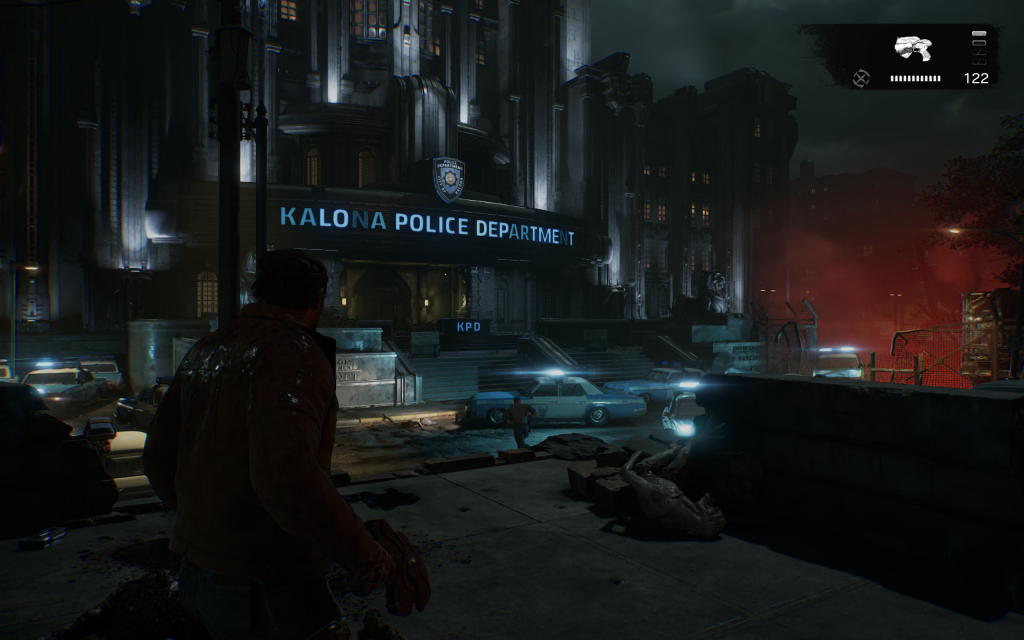
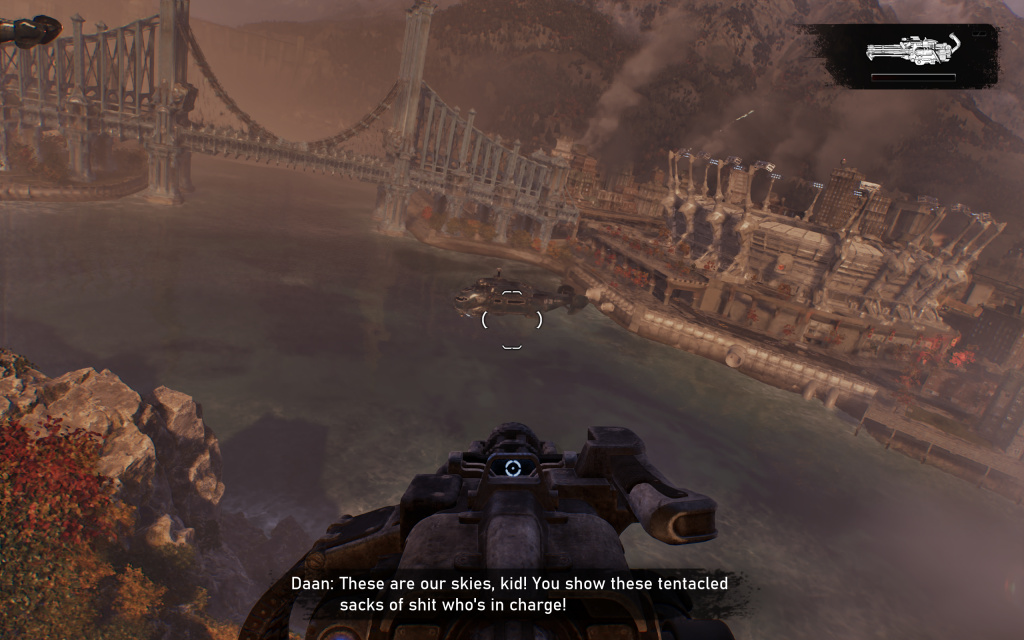
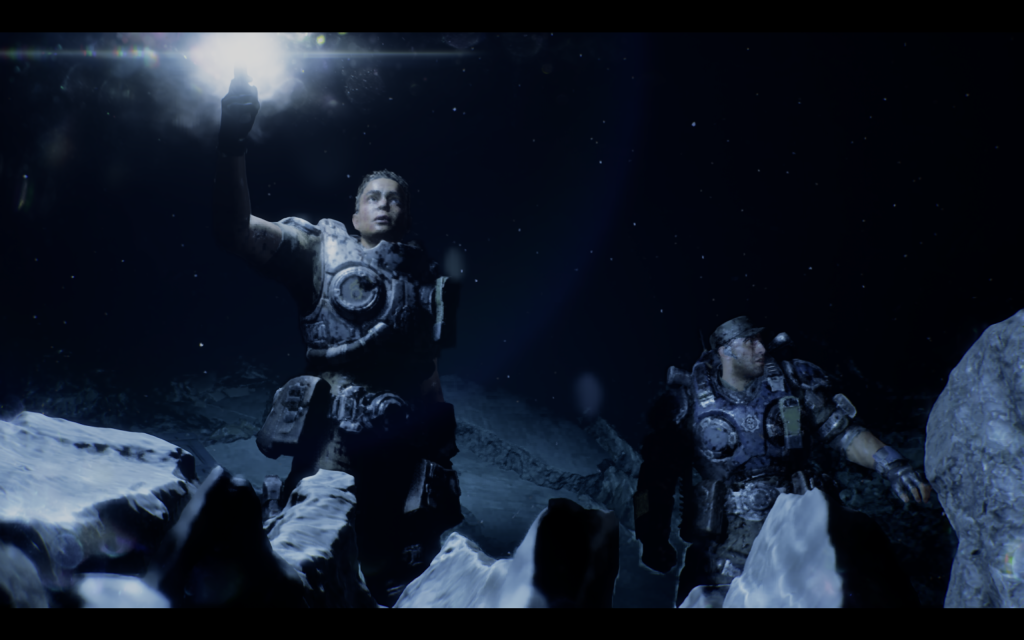
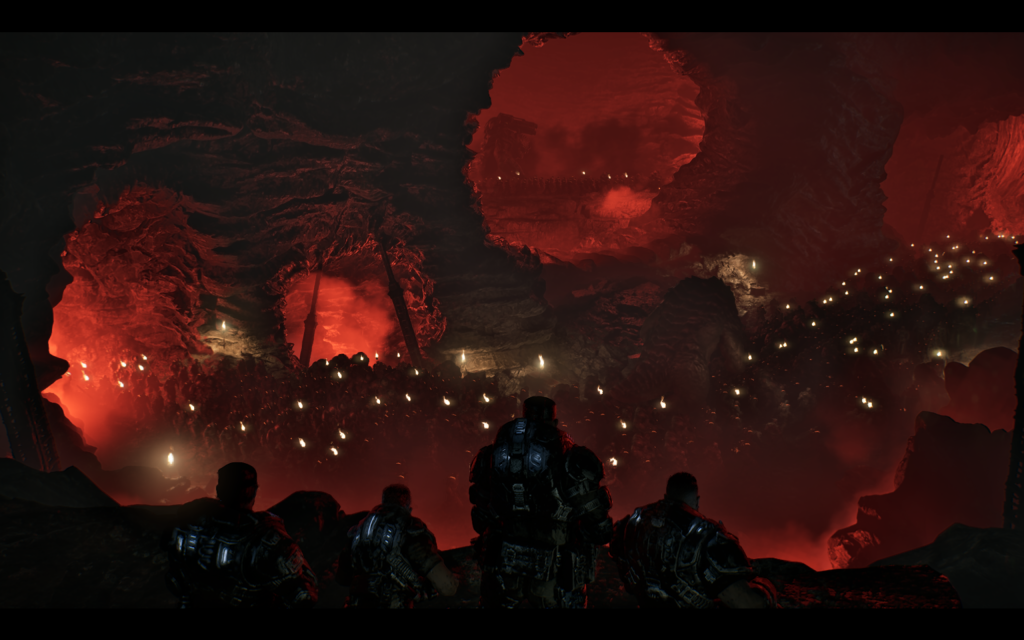
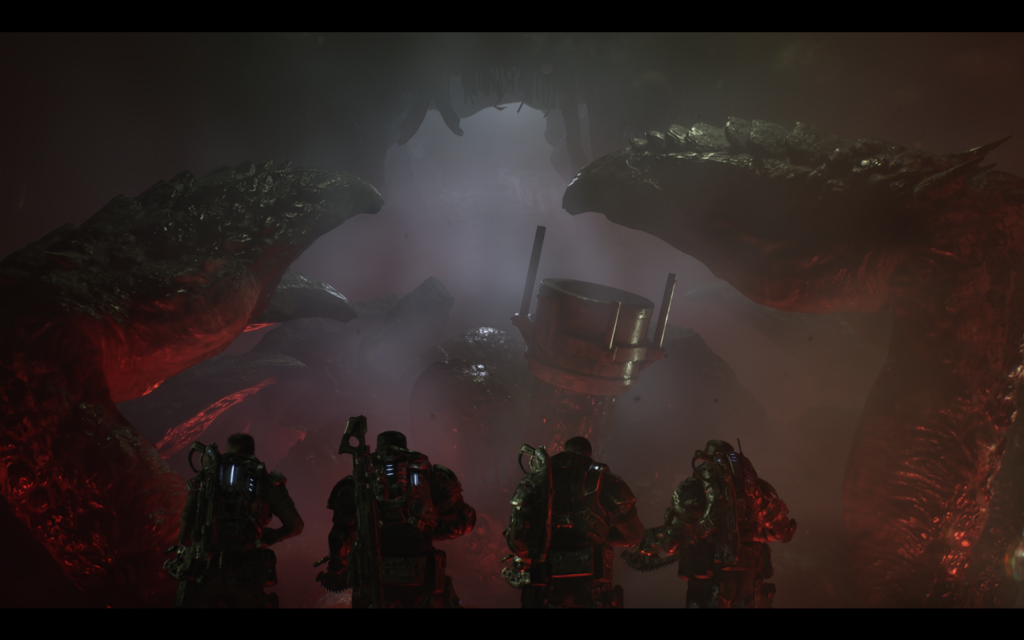
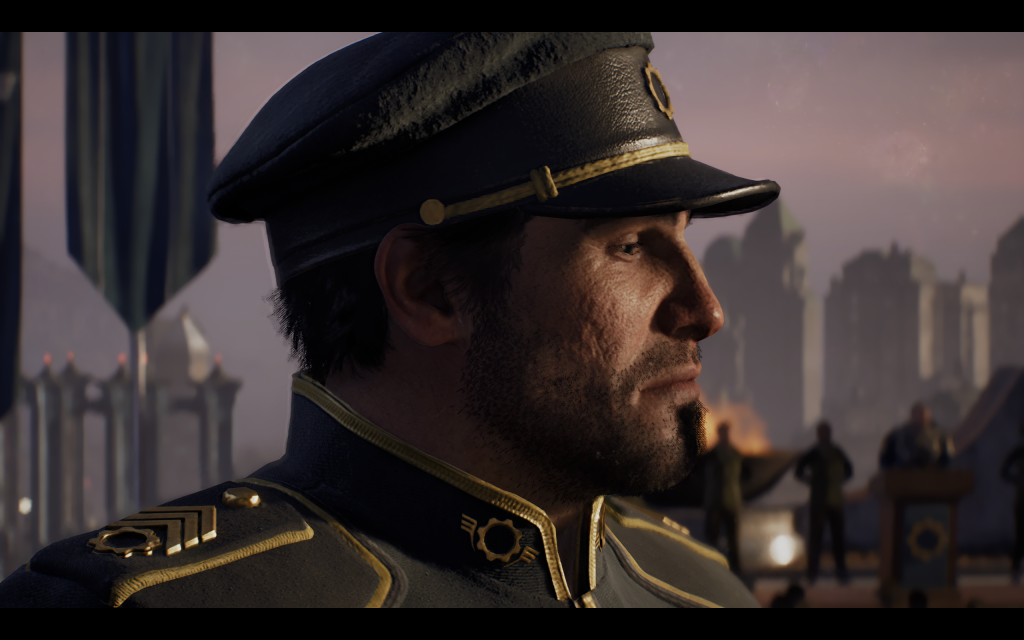
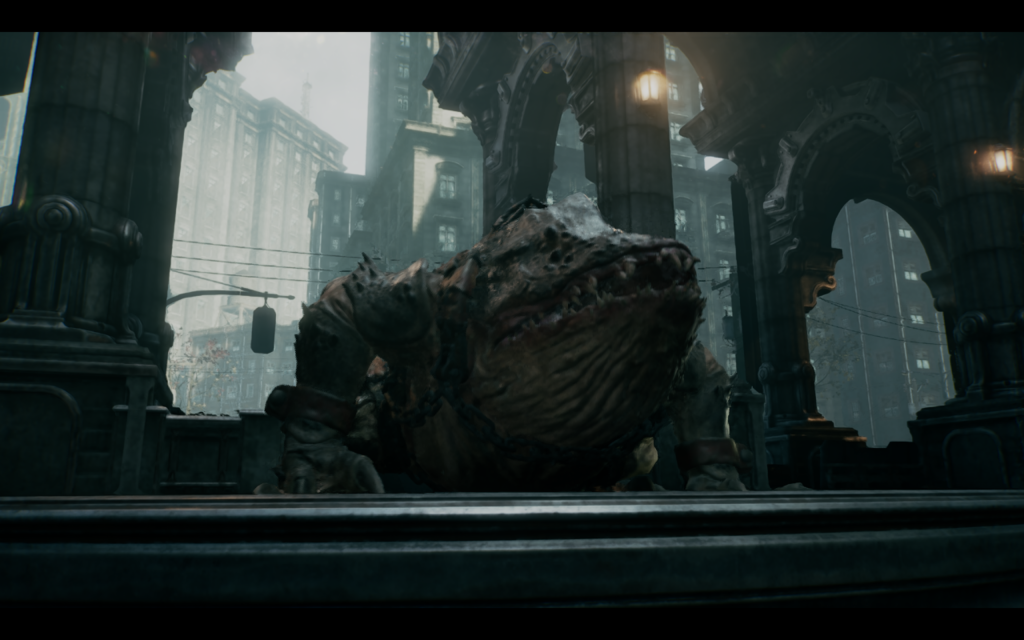
Visually, Gears of War: E-Day is a knockout. Kalona is brought to life with stunning Gothic-industrial architecture, detailed interiors and believable environmental storytelling. The character models are impressive and the lighting and atmospheric effects capture the slow destruction of the city. Smoke, explosions and glowing Locust emergence holes lend themselves to the terrifying scale of the invasion.
Unluckily, immersion is sometimes broken by technical drawbacks. Texture-loading problems, clipping, floating weapons, unrealistic physics and frame-rate dips during cinematic transitions mar an otherwise impressive presentation.
However, the sound design is exceptional. Every encounter is made powerful and visceral with thunderous gunshots, heavy footfalls, brutal chainsaw effects and explosive hits. The soundtrack matches the devastation, and well-placed moments of silence build tension during early Locust encounters. Strong English voice acting also supports the serious narrative, completing an atmospheric audiovisual experience despite its imperfections.
Final Verdict
Gears of War: E-Day delivers the franchise’s classic identity with hard-hitting gunplay, refined cover mechanics, diverse weapons and a dark atmosphere. Its prequel setting also makes for a friendly introduction for newcomers, while delivering the brutality that long-time fans expect.
But the game never quite lives up to its potential, thanks to repetitive missions, inconsistent pacing, lack of character development and a boss that leaves much to be desired in the final encounter.
E-Day proves that going back to a franchise’s roots doesn’t mean going back to the past. The Coalition has been able to evolve the combat formula even if storytelling and level design haven’t improved at the same rate.
Overall, Gears of War: E-Day is a homecoming worth taking for veteran fans and a worthy introduction for new players. But it’s the thrill of its varied arsenal and the devastating spectacle of Kalona’s collapse, rather than the fate of its characters, that will leave the most lasting impression.
This review is based on the PC version
Score: 80/100

Other Articles
A Legendary Remake Finds a New Home | Resident Evil 4 Remake