



City-building and ecosystem management genres have not been getting a lot of popular attention in recent years and rarely become a major topic of conversation in the game industry. Still, these games continue to appeal to a devoted and passionate audience – gamers who aren’t really interested in dramatic cutscenes or following a plot provided for them by the developers. Instead, they want to narrate the tale of their own city, and shape their own universe thru choices that matter and the consequences of those choices.
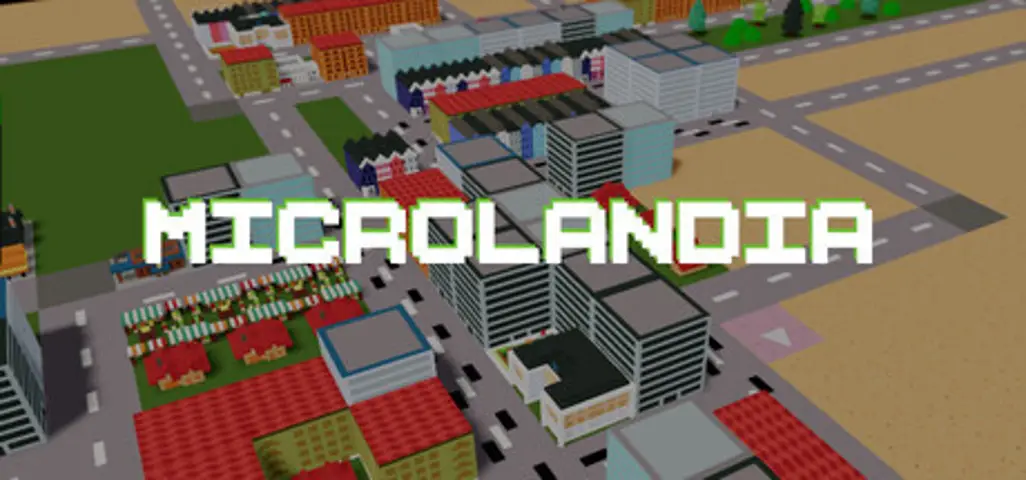
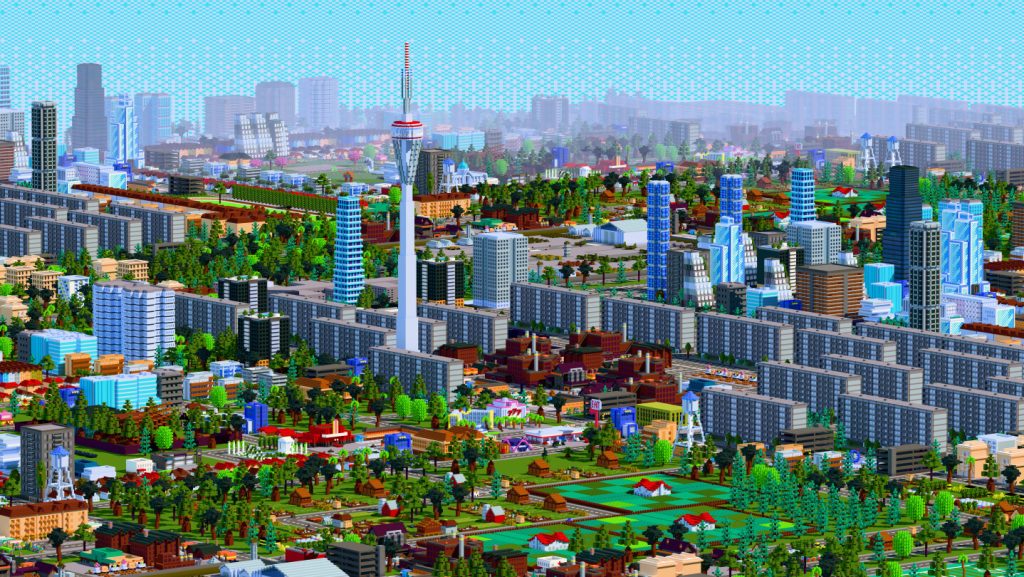
Many games in the category, such Cities: Skylines II and Frostpunk, have detailed visuals and sometimes darker, more serious themes. But a new city-building and administration simulator called Microlandia has just taken a notably different approach. It has a very simple visual design and a bright, cheerful setting but conceals a surprisingly deep and complicated management experience beneath its colorful facade.
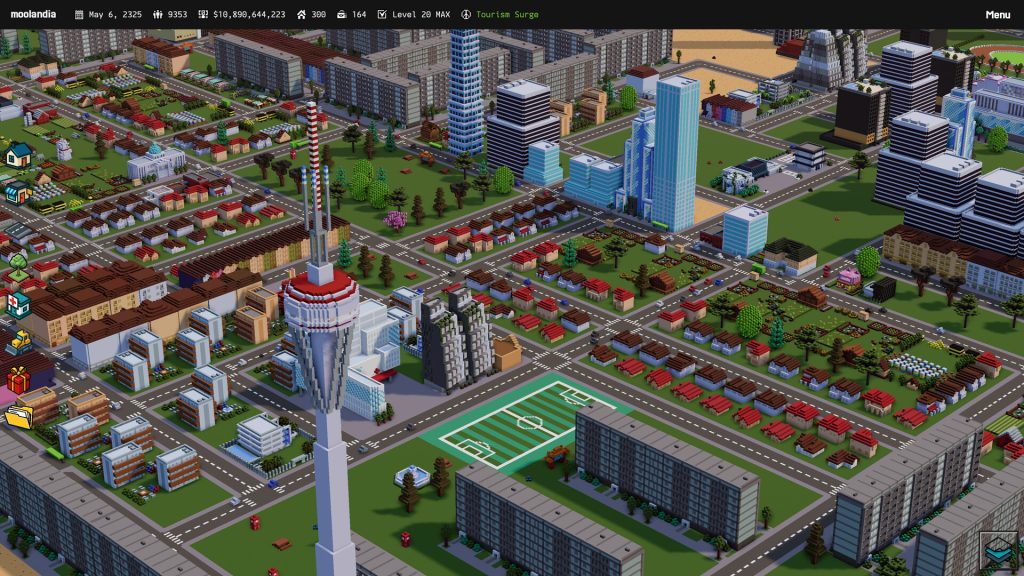
At first glance, Microlandia looks like a city construction game made with kids and younger audiences in mind. It certainly has that effect, with bright colors, easy presentation and an almost toy-like appearance. But go a bit deeper behind the surface, and you’ll find a surprisingly bright, detail-oriented management sim propped up by difficult simulation algorithms that may challenge even old hands at the genre.
Your main goal in Microlandia is to rule a modern city – and what better way to do so than becoming its mayor? But that’s not a title that’s easy to win. You have to prove that you can keep every area of the city up and running, developing and most importantly alive before you can call it your own.
It is good to build residential districts and link them with roadways, but that is only the foundation. The true problem starts when people move in. Your residents need jobs, public services and a decent level of living. You need to keep the little economy of the city functioning on a restricted budget. It’s in keeping all these interlinked systems in check that Microlandia starts to show its true colors and its deceptively pleasant city-building experience becomes far more challenging than its bright facade may have you believe.
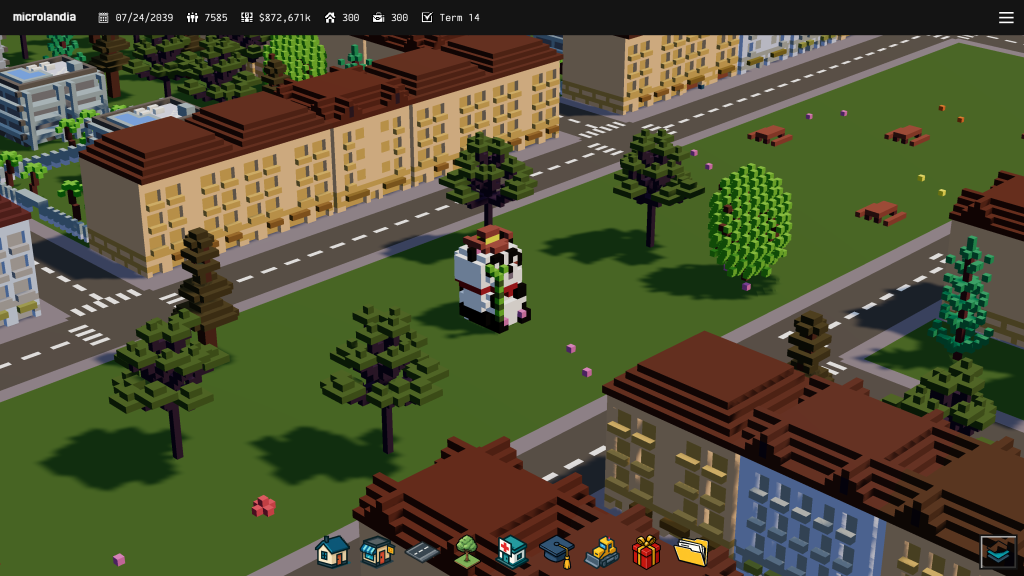
Getting to that position, that’s no easy task. You have to keep a watch on almost every part of your city and what is happening in it, because Microlandia is always in need of your attention. Managing supply and demand is very crucial because creating an office block, a shopping complex or an amusement park is never enough on its own. You also have to ensure that each company or leisure site draws the right amount of visitors, not too few, but not too many either.
If a business doesn’t attract enough clients, it won’t earn enough revenue, and may ultimately go under. But attract too many visitors and you’ll have a whole new set of difficulties, including over-crowding, traffic congestion and unhappy citizens. Microlandia looks so simple at first glance, but it’s very astonishing how complicated—and demanding—running these interconnected systems can get.
And it is just part of the story. You’re also responsible for handling the bigger policy decisions, creating new laws, changing tax rates, and other administrative duties, on top of running businesses, services, and the movement of citizens all across town. Put all of these systems together, and Microlandia’s deceptively happy face hides a surprisingly complex and robust management simulation.
Information Superhighway, the indie studio behind Microlandia, seems to have realized one of the most crucial duties that comes with launching a modern indie game, especially one in the city-building and administration genre: constant post-launch maintenance. A brief trip thru the game’s update history on Steam indicates the devs have been busy, routinely patching bugs and technical issues, and expanding the experience with new material and features.
But there is another way to see this steady stream of changes. At least as it now stands, and at the time of writing this review, Microlandia simply doesn’t have enough content to feel all that rich or substantial to die-hard aficionados of the genre. It’s a palpable feeling that the developers released their fundamental idea before surrounding it with enough substance to let it truly shine. At times it feels like a beta build that just happens to be presented as a polished product.
The continued support from the studio adds to the feeling that Microlandia is supposed to be a fuller, content-rich experience as time goes on. It’s a strategy we’ve seen previously with games like No Man’s Sky, which was highly criticized by both gamers and the gaming press at launch for launching way before it had evolved into the experience it would eventually become.
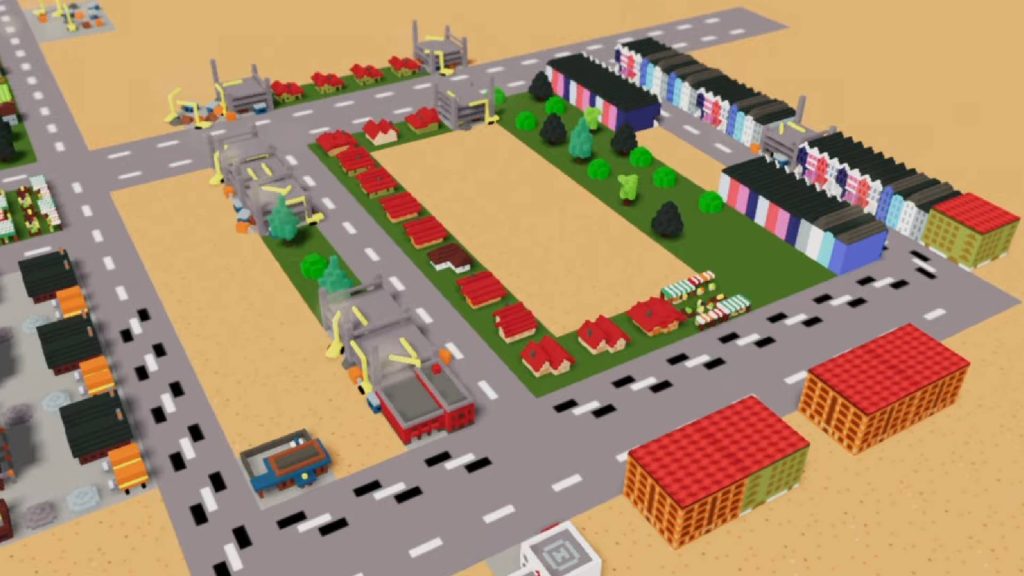
Beside its limited material, I think Microlandia has another quite serious problem: its very simplistic, bare-bones visual presentation feels totally incompatible with the intricacy, challenge and sometimes cruelty of its gameplay. Visual appeal can be a significant factor in enticing players to master the rules and processes of a challenging management game, particularly in terms of enticing a broader audience as opposed to only die-hard fans of city-building simulations. In that aspect, Microlandia’s basic design does little to entice novices into the unexpectedly profound experience hidden beneath the surface.
However, if Information Superhighway continues to provide its great level of post-launch support, and the game finds an audience, it isn’t hard to see the game’s two key flaws improving over time. With more content and maybe a more ambitious visual overhaul (new engine or dev tools, perhaps), Microlandia could one day grow into a much more complete package: a city-builder with well thought-out systems, more varied content, and visuals to match the depth of its gameplay.
This review is based on the PC version
Score: 65/100

Other Articles