

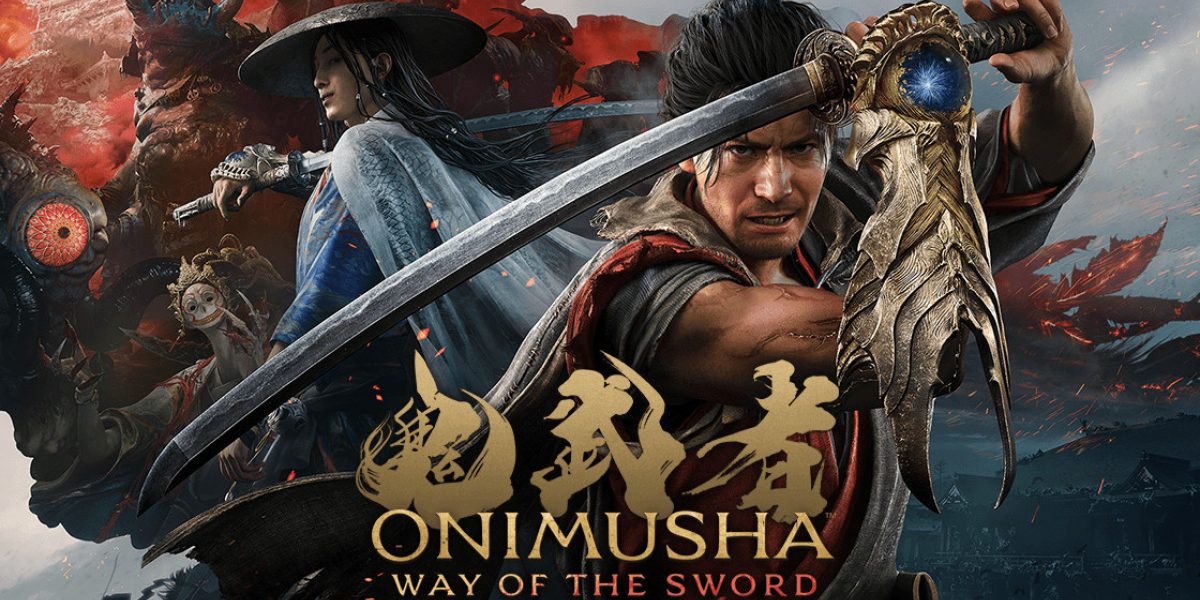

After nearly two decades, one of Capcom’s oldest action franchises is finally making its return, this time with Miyamoto Musashi at its center—and at a moment when samurai have rarely been more popular in gaming. These days, making a Japanese sword-fighting game that genuinely stands out is no small task.
That puts Onimusha: Way of the Sword in a particularly difficult position. It needs to recapture the spirit of the classic Onimusha games while proving that, in 2026, the series can offer something more meaningful than a nostalgia-driven revival. Thankfully, Capcom seems to understand exactly which part of Onimusha matters most: the swordplay.
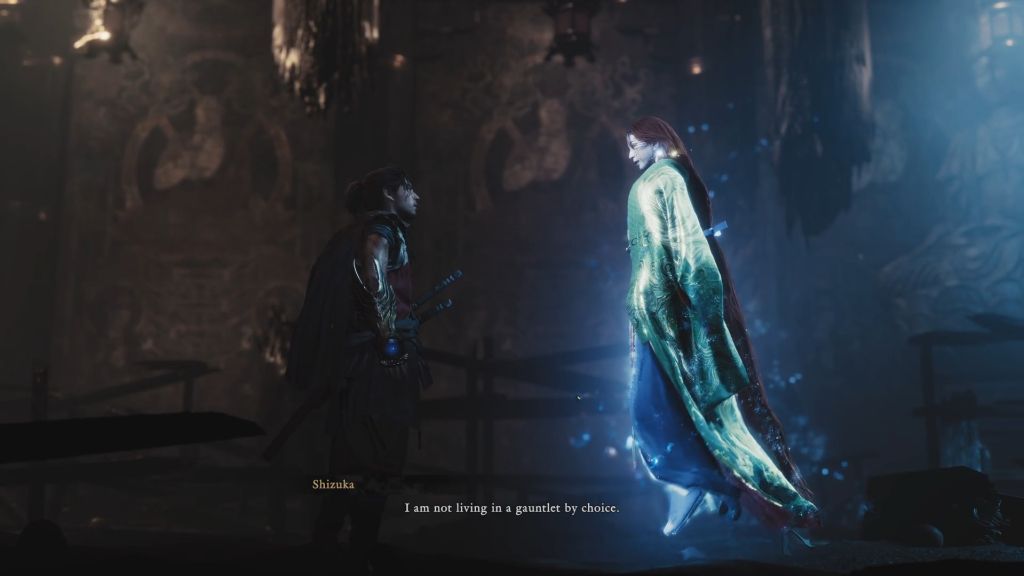
Way of the Sword may fall short of being truly ambitious in some areas, but none of that matters quite as much once Musashi draws his blade. Put a Genma in front of him, and Onimusha immediately finds its rhythm: fast, vicious samurai action where reading your opponent and reacting at exactly the right moment matters just as much as landing the next strike.
Combat is easily where the game makes its strongest impression. Rather than burying the player beneath endless combo strings and an overwhelming number of mechanics, Way of the Sword keeps its fundamentals refreshingly focused. You attack, block, dodge, and build your entire approach around two mechanics that ultimately define the flow of every encounter: Parry and Issen.
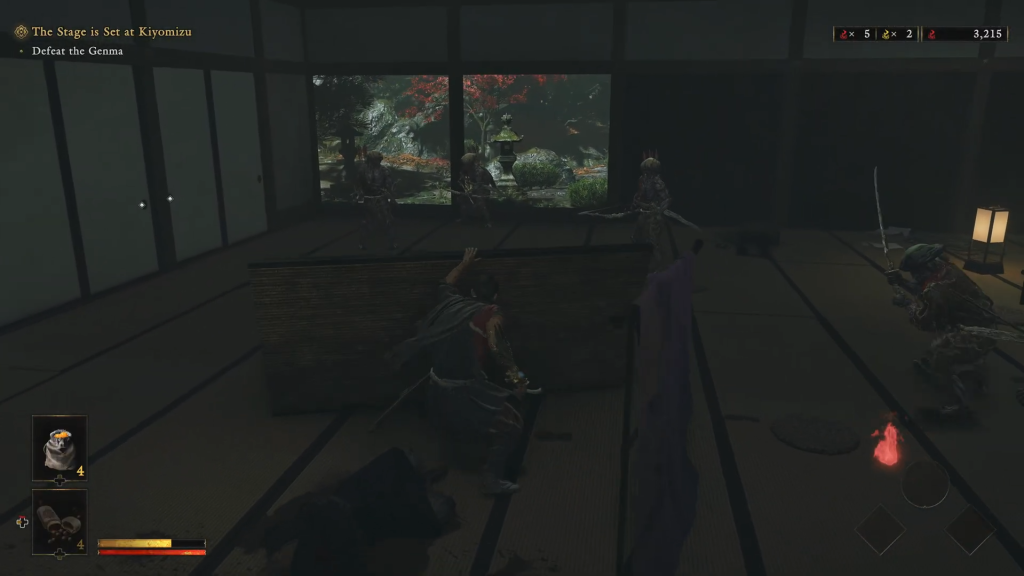
In most action games it’s easy to feel growth. Unlock more skills, get more power, and foes that used to give you trouble become easier to deal with. The Way of the Sword addresses that notion a bit differently. Much of its most profound advancement is not with Musashi, but with you. An assault that you would fail to parry ten times in the early going can become something you automatically counter a few hours later. That transition from doubt to muscle memory provides the kind of satisfaction that a timing-based fighting system should offer.
Combat, thankfully, doesn’t only involve waiting for an enemy to swing and replying with a perfectly timed parry. Oni Armaments offer an extra layer to the formula, allowing Musashi more weapons and skills to push for a more proactive approach. Some are built to do direct damage, others to impact stagger or souls, thus managing your resources is a key element of how you approach each encounter.
The soul mechanism is particularly unique in that it isn’t just another upgrading currency. Defeating enemies earns you souls, which you can use to power up Musashi, but in tougher fights you’ll find that those same resources may be an essential element of your combat strategy. The game always gives you the easy choice: Do you use them now, or preserve them for later? It may sound like a tiny decision, but choices like this elevate the conflict beyond sheer reaction and offer a meaningful layer of resource management and decision making.
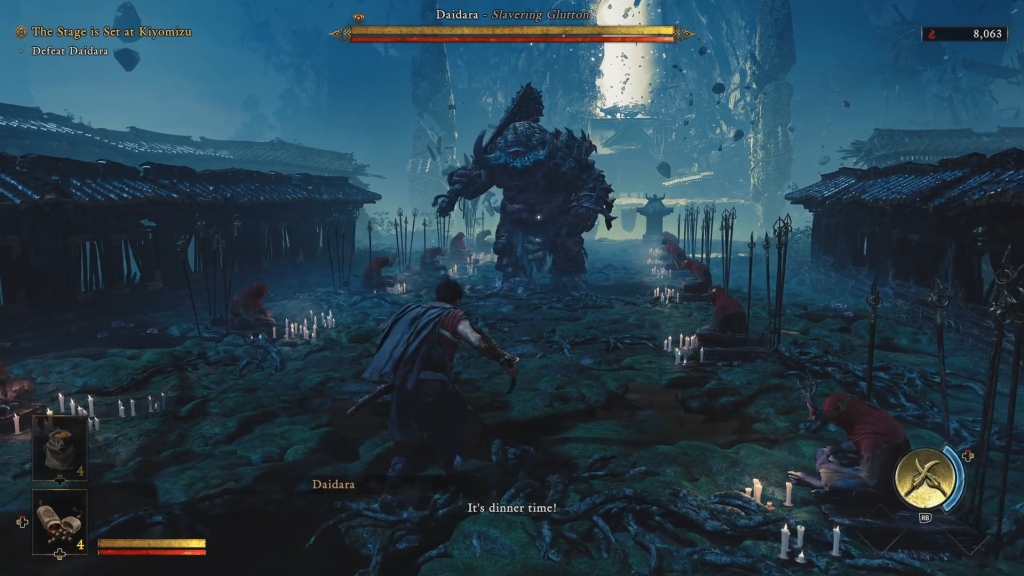
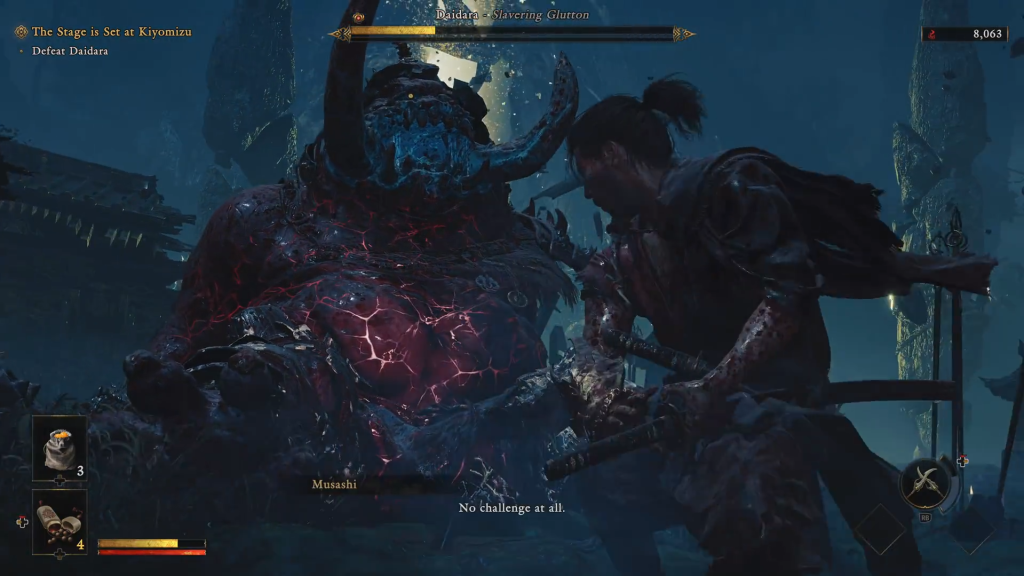
And nowhere is the fighting more glorious than in the boss fights. The best reason to play Onimusha: Way of the Sword, if I had to give one, would probably be the bosses. These aren’t your run-of-the-mill adversaries that you can beat down with a few hits. Each enemy has his own attack patterns, and their animations are easy to read, which means you’ll have to study their movements, find openings, and slowly figure out how to reply. The result is a series of intense, cinematic clashes, where mastering your opponent is just as crucial as mastering Musashi himself.
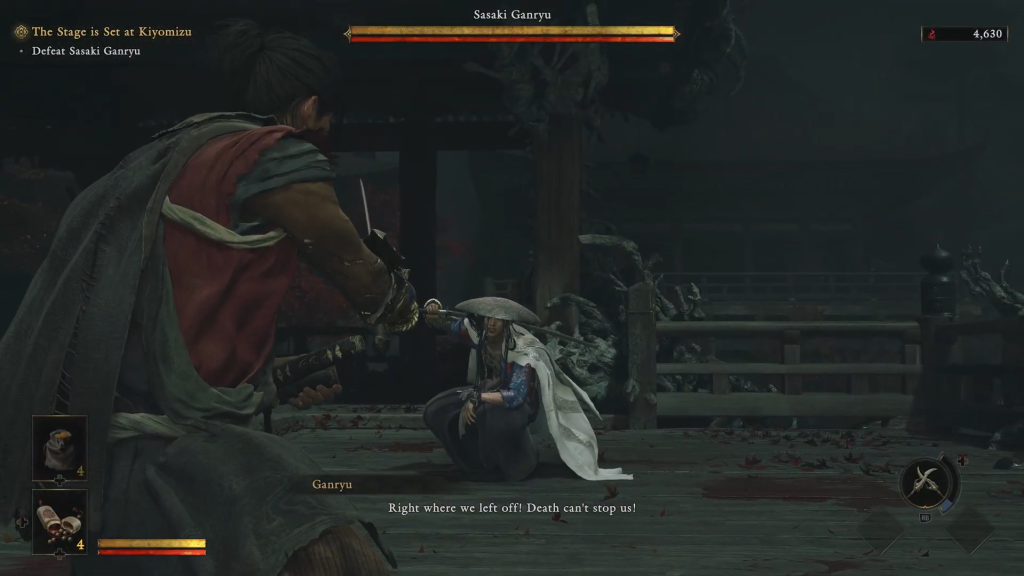
The downside to this strategy is that Way of the Sword occasionally leans a little too heavily on the same formula. Some bosses and interactions are repeated many times and the repetition becomes more and more apparent in the second half of the game.
The main problem, however, is the difficulty curve which is uneven. Regular adversaries don’t really force you to the point where you actually use the skills the fighting system takes so long to teach you. More significantly, they don’t really get you ready for the much more demanding accuracy needed during boss fights. This means the game can go from somewhat forgiving encounters to brutally rigid combat where every mistimed reaction matters in an instant. That discrepancy between different portions might make the challenge feel like less of a natural ascent and sometimes actually irritating.
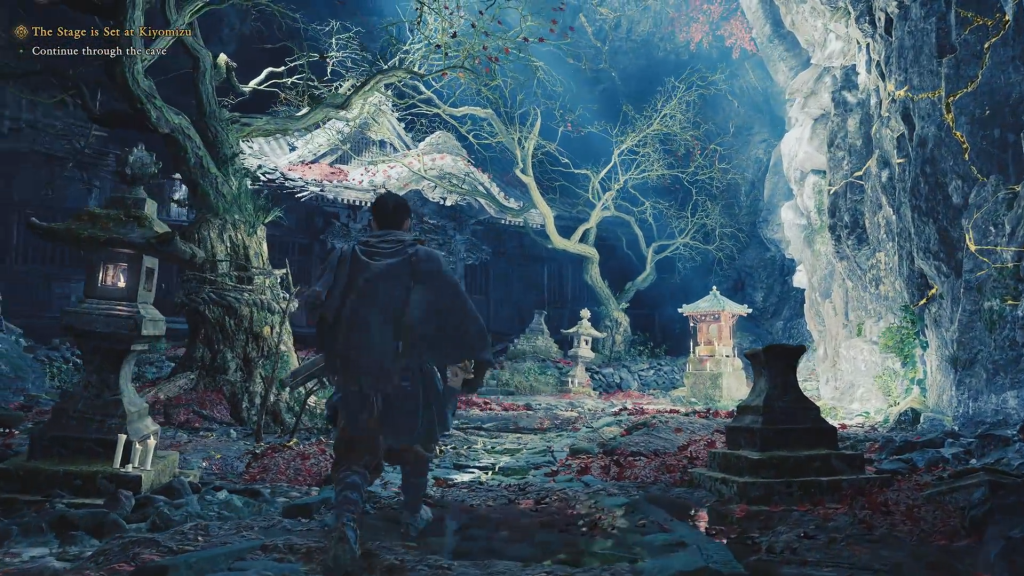
Onimusha: Way of the Sword is a game with two extremely different personalities in terms of level design. It’s easy to say that the more linear sections are the stronger half, especially as Musashi makes his way to places like bamboo forests, castles and other places with more story. The routes are purposeful, the confrontations are well choreographed and the game has a great sense of rhythm, when to thrust you into combat and when to calm things down, let the surroundings breathe and carry the tale ahead.
When you get to the more open sections of Kyoto, that confidence begins to wane. Way of the Sword here tries to provide more of a sense of exploration with open regions with scattered goods, alternate paths, unlockable doors, and upgrading supplies concealed throughout the environment. The trouble is, most of these activities rarely produce the kind of rewarding discovery that makes exploration truly interesting.
Good exploration should make players want to be curious. Finding anything behind a hidden wall or at the end of an extra road should make you feel like it was worth your time to walk off of the usual path. But in some sections of Kyoto, exploration feels more like a chore – something you do because the game has placed goods around the globe, rather than because the world itself has been created to reward your curiosity.
The similar problem is present in some of the side tasks. There are also genuinely fascinating missions that investigate Kyoto’s citizens and local stories, and these moments illustrate that Capcom is absolutely capable of making the city into a far more compelling environment. Unfortunately, a lot of the alternative activities feel like material filler, rather than real enhancements to the overall experience.
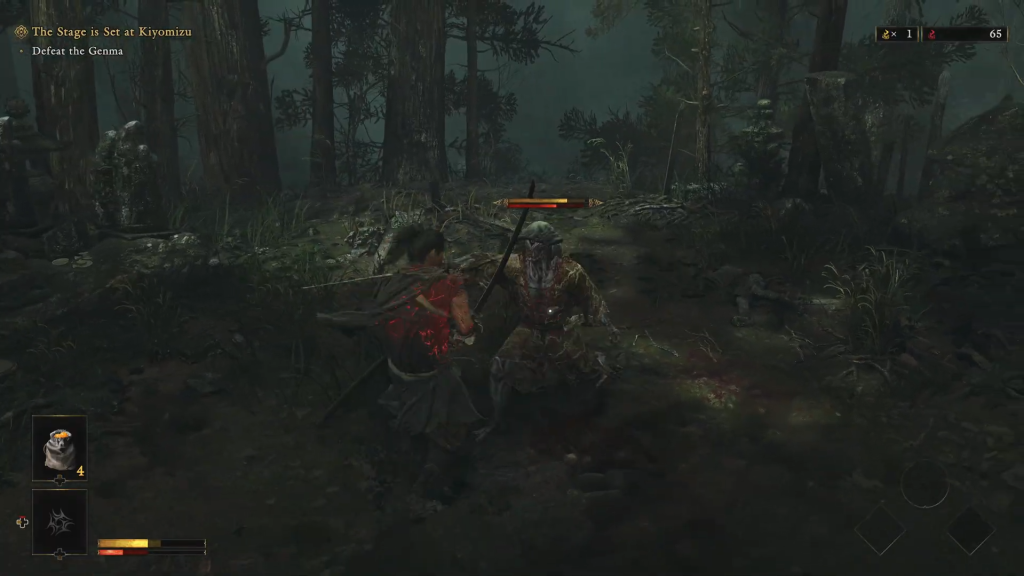
And that feels all the weirder because the game’s linear portions reveal that Capcom still understands exactly how to make a great level. The crew knows how to craft a path, stage confrontations and move the player from one place to another with total grace. The problem, then, isn’t that the level design team lacks expertise, but rather that the design philosophy underlying the more open parts just hasn’t been thought through as extensively as the combat has.
The difference is even sharper as you leave Kyoto behind and enter a new story-driven segment. Suddenly the experience is more intense, more focused and much more engaging. Way of the Sword is at its best when it’s a focused, linear action-adventure. It starts to lose the beat that makes the rest of the experience so good as it tries to reach for more current semi-open world type things.
This also has a big impact on the tempo of the game. The first few hours of Way of the Sword are spent establishing the atmosphere, introducing Musashi, and teaching its many systems. The upside of this strategy is that it allows Musashi’s plot to have time to grow, and the fighting mechanics room to mature organically. At the same time, it’s difficult not to wish that the game would fast-forward to the tougher encounters once you witness how insane the fighting can get.
Luckily, Way of the Sword becomes more confident with each passing scene. Battles with bosses become more fascinating and demanding as the game goes on, and the battle style varies accordingly. The system is easy to pick up and utilize in the early going, but as the game goes you’ll need to be an expert user to properly understand its timing, dynamics, and the numerous tools Musashi uses.
Let’s not forget about Musashi himself; Capcom did the right thing by not making him a serious and quiet hero. Musashi is determined, cocky, and not quite careful at the start of the game. Things that happen to him on his trip change the way he thinks about duty, power, and what it means to be a samurai. Because of that character arc, the story is more than just getting you from one boss fight to the next.
The way he acts is also very good. Toshiro Mifune’s image is used for a lot more than just fan service, and the character design for Musashi is great. The cutscenes are also great overall. It sets Musashi apart and gives him an obvious charm. When the story is at its best, the animation of his face and body language makes him seem very real.
Final Verdict
In the end, Onimusha: Way of the Sword is a surprisingly successful comeback. Not because it attempts to be the most current game conceivable, but almost because it doesn’t. Its biggest strength is that Capcom still knows what Onimusha is intended to be: a samurai action game where, as soon as you draw your sword, the most essential question is not how many skill trees you have or how many hundreds of hours of content are dispersed over the world. Much easier than that: can I read the attack from the enemy and answer at exactly the appropriate time?
Way of the Sword is a game with great fighting, exciting boss fights, an interesting lead character, and great presentation, the kind of game that can keep you riveted to the screen despite its limitations. If you ask me what’s the most important thing about this new Onimusha, my answer is simple: this game knows sword fighting.
So many Samurai games these days are trying to win over gamers with open areas and RPG systems and skill trees and hundreds of hours of gameplay, but Onimusha is taking a more concentrated approach. It wants the sword itself to be sufficient to amuse you.
This review is based on the PC version
Score: 87/100

Death Has a New Shell | Mortal Shell 2 Review
Mistfall Hunter Review