


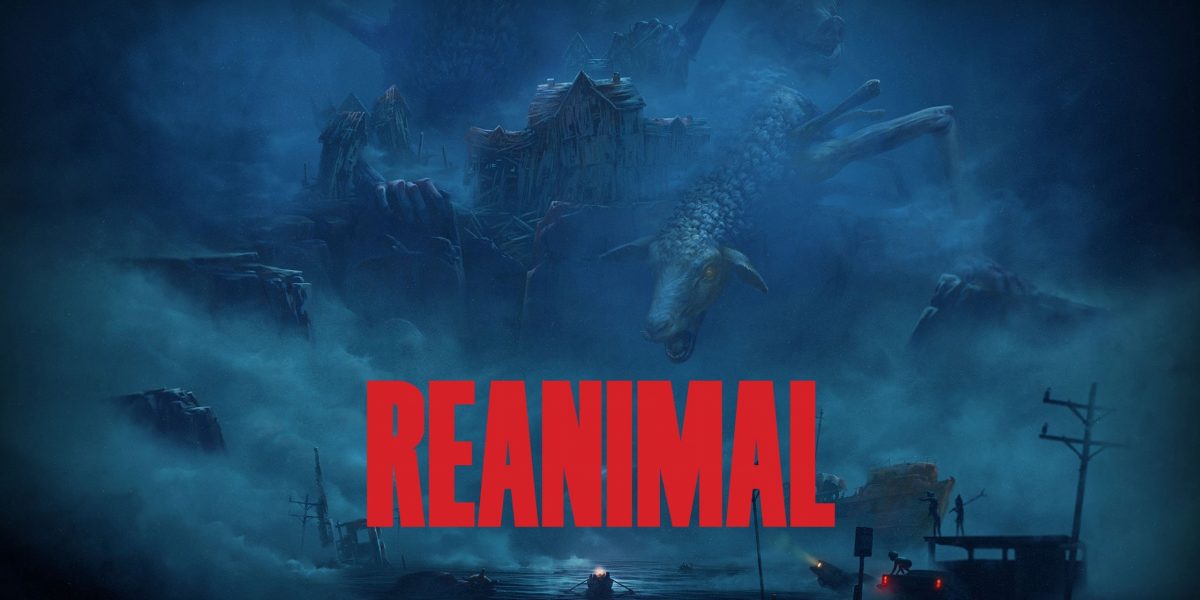

The day Limbo dropped, not many people expected a wave of games to follow in its shadowy footsteps. Its minimalist storytelling and total lack of dialogue pulled players in like nothing else at the time. In a way, Limbo unknowingly kicked off a very specific approach to narrative design. One of the standout titles built on that formula — and one that absolutely nailed it — was Little Nightmares.
Developed by Tarsier Studios, Little Nightmares found its audience faster than anyone anticipated. That success quickly paved the way for a sequel. While Little Nightmares II didn’t quite hit the same highs as the original, it was still a strong follow-up that fans genuinely enjoyed. But that’s where Tarsier’s journey with the series came to an end. The studio knew it was time to create a brand-new IP. Since the Little Nightmares franchise belongs to BANDAI NAMCO Entertainment, development of the third installment was handed off to another team, and Tarsier set off to chase its own vision.
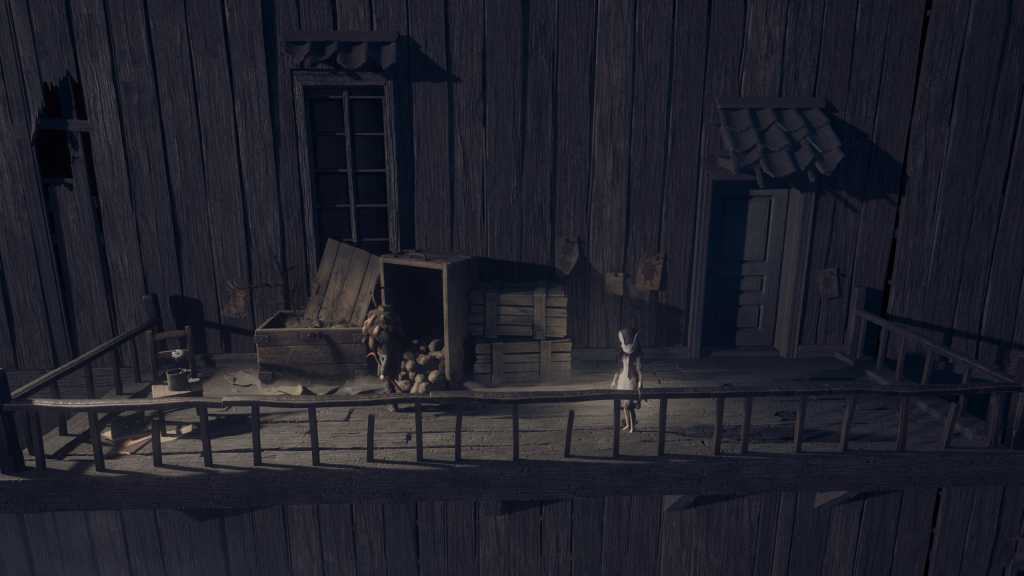
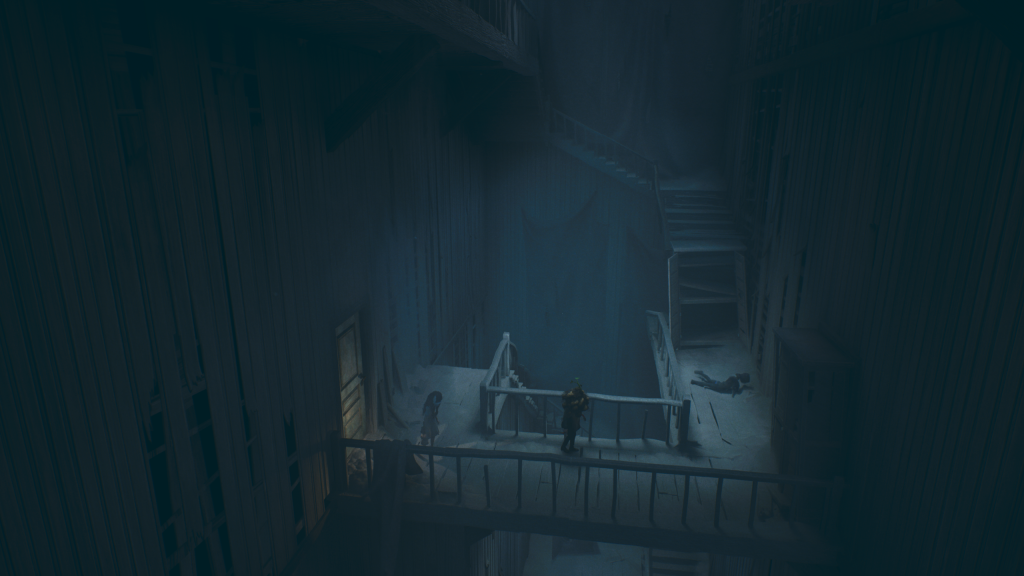
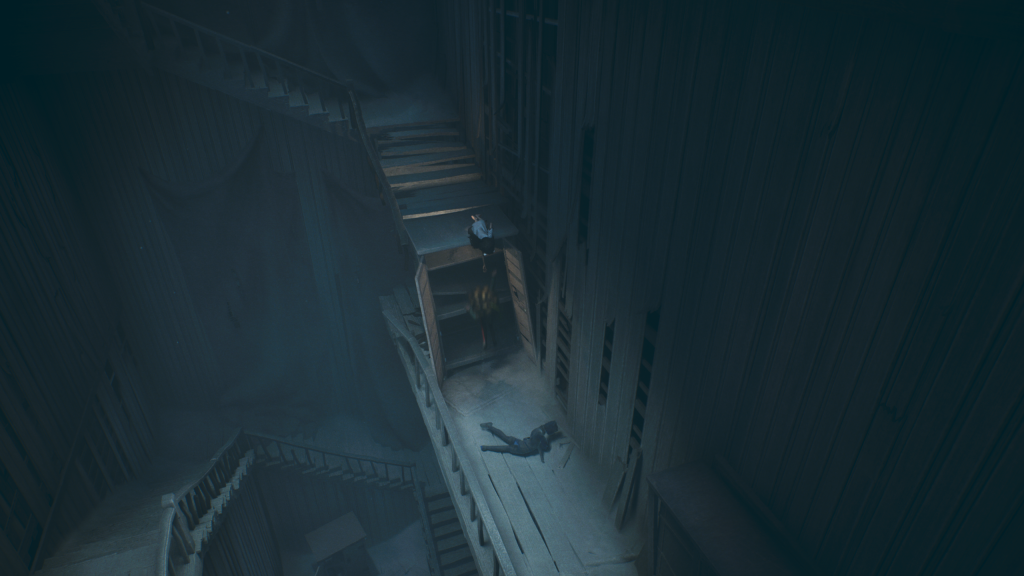
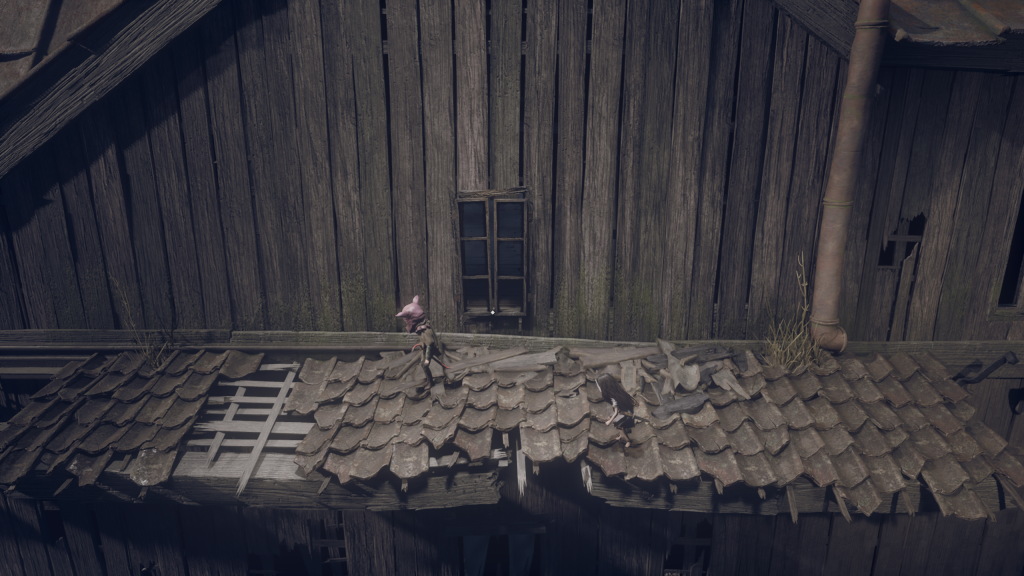
About a year ago, we got our first look at REANIMAL — Tarsier’s latest fever dream — through a haunting debut trailer. That glimpse alone made it clear the team had some seriously bold ideas. REANIMAL feels like the studio’s coming-of-age moment. A confident, mature evolution of everything they’ve learned over the past decade.
Once again, we’re thrown into a dark fantasy world with young protagonists at the center. The DNA of Little Nightmares is still there, especially in the way the story unfolds. But this time, the formula has evolved. Unlike Tarsier’s earlier work, the narrative isn’t told purely through environmental storytelling. You’ll occasionally hear short snippets of dialogue — subtle, sparse, but effective in strengthening the atmosphere. The story isn’t linear or spoon-fed. Just like before, you’re left to piece things together and interpret the ending based on what you’ve experienced.
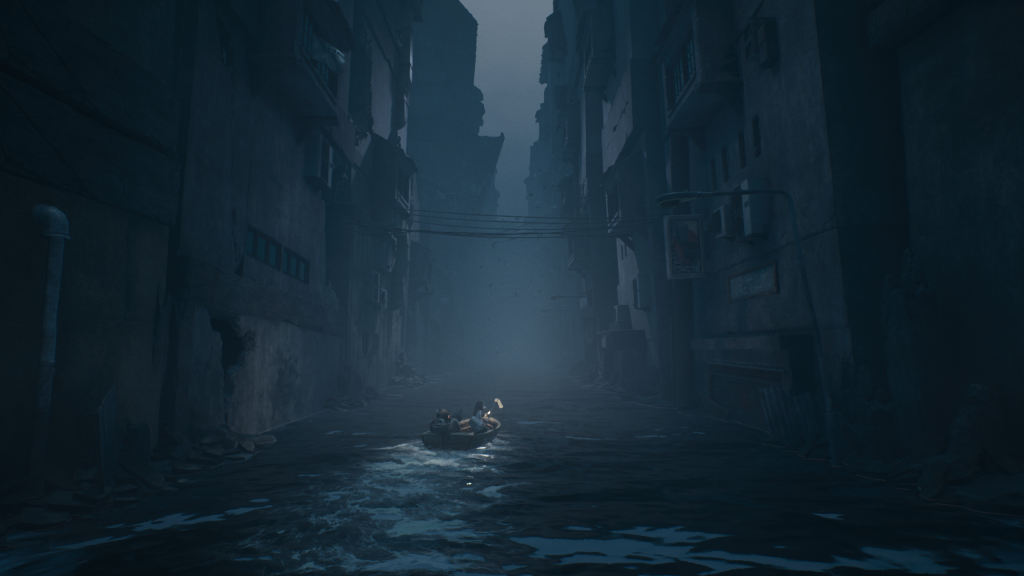
The game grabs you from the very first scene: a brother adrift on a vast, open sea, searching for his sister. She soon becomes your companion, and together you journey through increasingly unsettling environments. As you push forward, fragments of the story slowly reveal themselves — familiar in structure, yet sharper in execution.
So what makes REANIMAL better than the entire Little Nightmares series, at least in my eyes?
It’s the narrative design. Everything here feels intentional. Every step forward uncovers something new. The environments, the monsters, the children — every element exists in service of the story. The direction is meticulous. You’re not just wandering through bizarre set pieces without context; everything means something. Every second feels carefully staged.
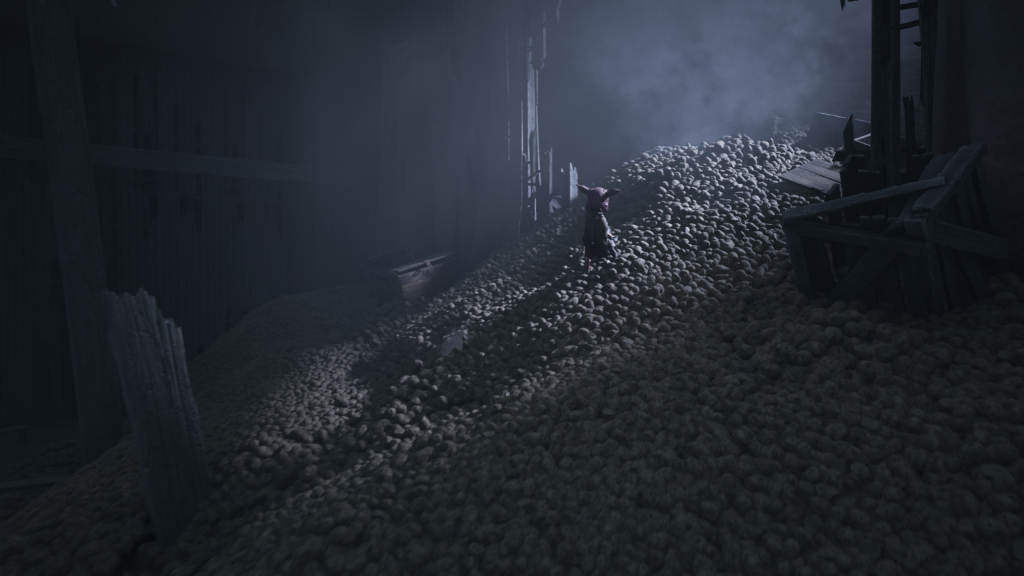
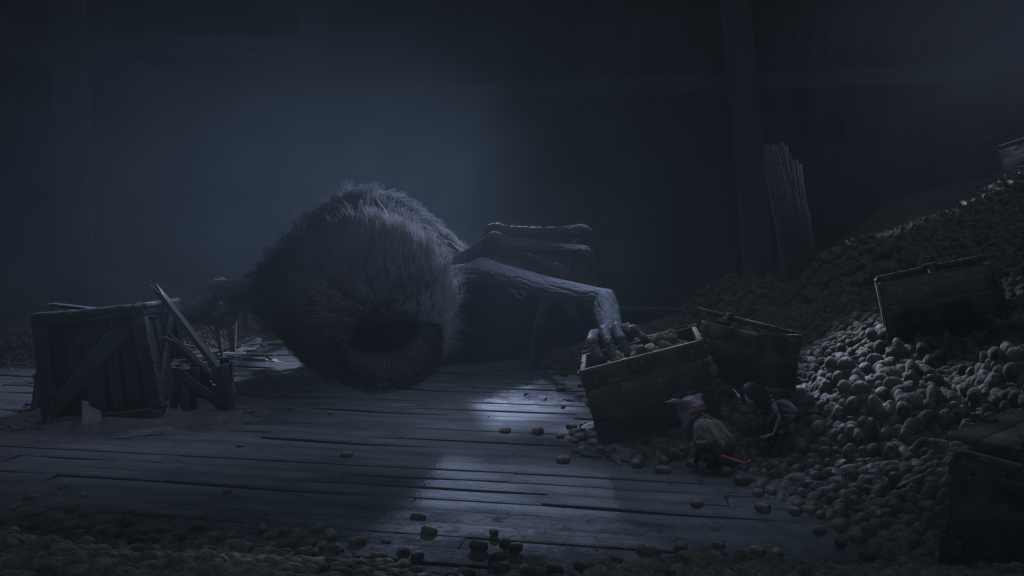
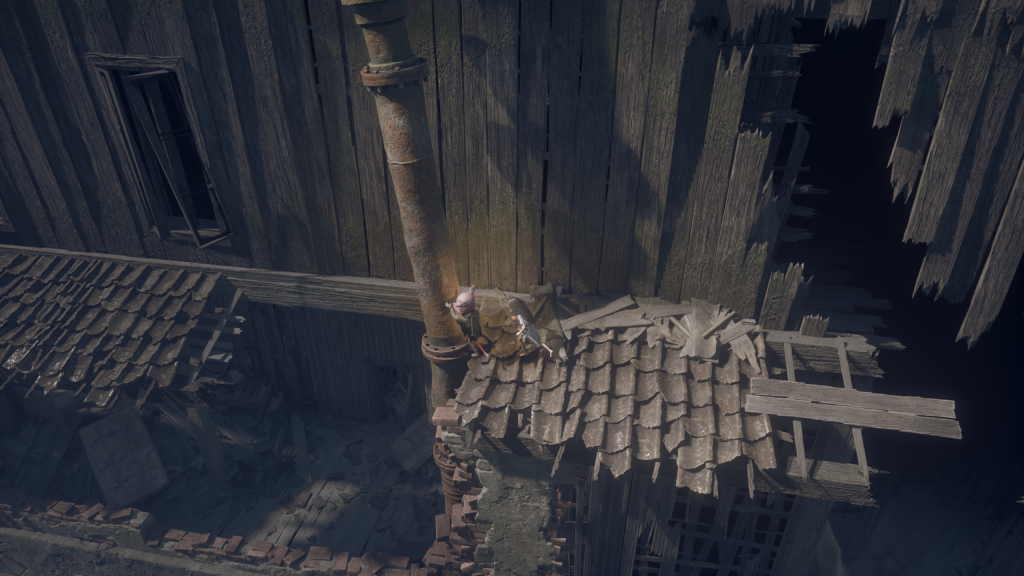
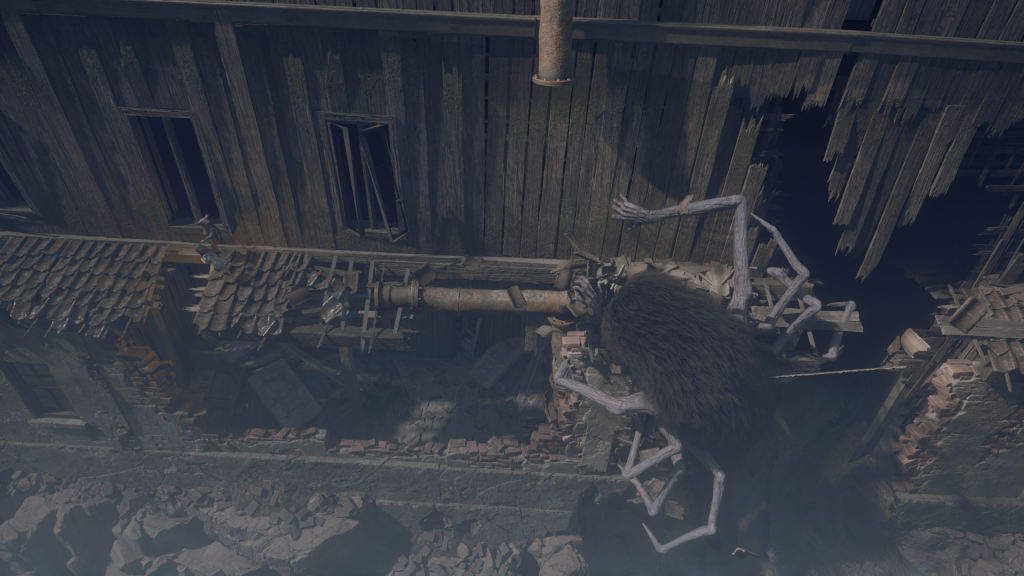
After finishing REANIMAL, you can’t help but sit back and say, “Man… that was a ride.” That’s where Tarsier wins.
But the story isn’t the only triumph. The gameplay has matured just as much.
If you’ve played Little Nightmares, you probably remember moments where the mechanics started to feel repetitive. There was only so much the formula could stretch. That’s not the case here. REANIMAL constantly throws new mechanics your way, keeping the pacing sharp and unpredictable. Every few minutes, the game demands a new reaction from you. It starts with simple object interactions and light puzzle-solving — and somehow ends with you driving a tank. The sheer variety packed into roughly five hours of gameplay is impressive, especially considering this comes five years after Little Nightmares II.
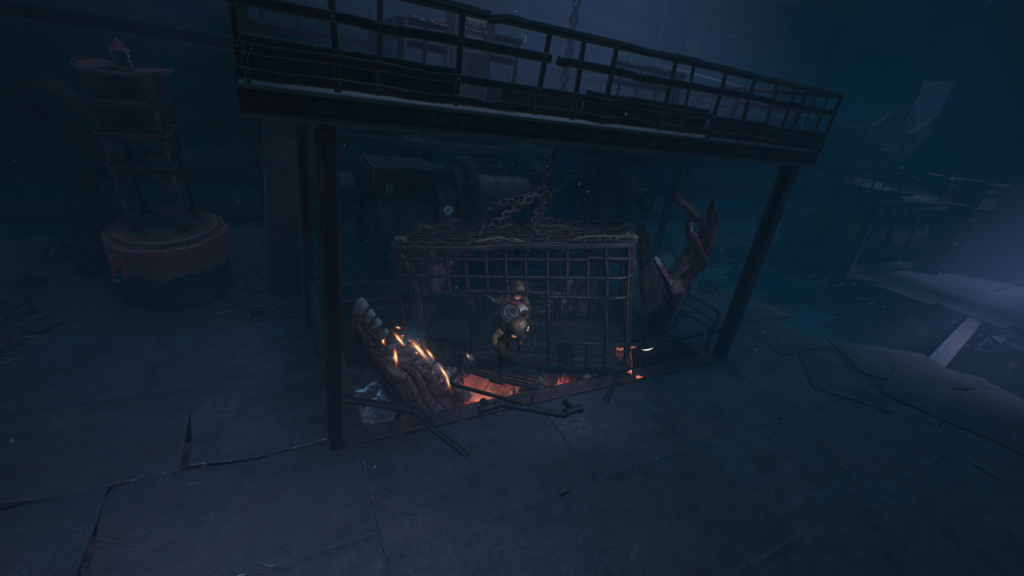
The game never lets you settle into repetition. You’re always encountering fresh environments, new mechanics, new threats. One moment you’re fleeing from a monstrous creature. The next, you’re commandeering an ice cream truck to run that same monster down. At one point, you’re pulling an eyeball from a sheep’s socket. Later, you’re running for your life from a massive sheep-like horror. The environmental diversity fuels mechanical creativity. REANIMAL raises the bar for what games in this genre should aim for. Any future title stepping into this space is going to have to put in serious work.
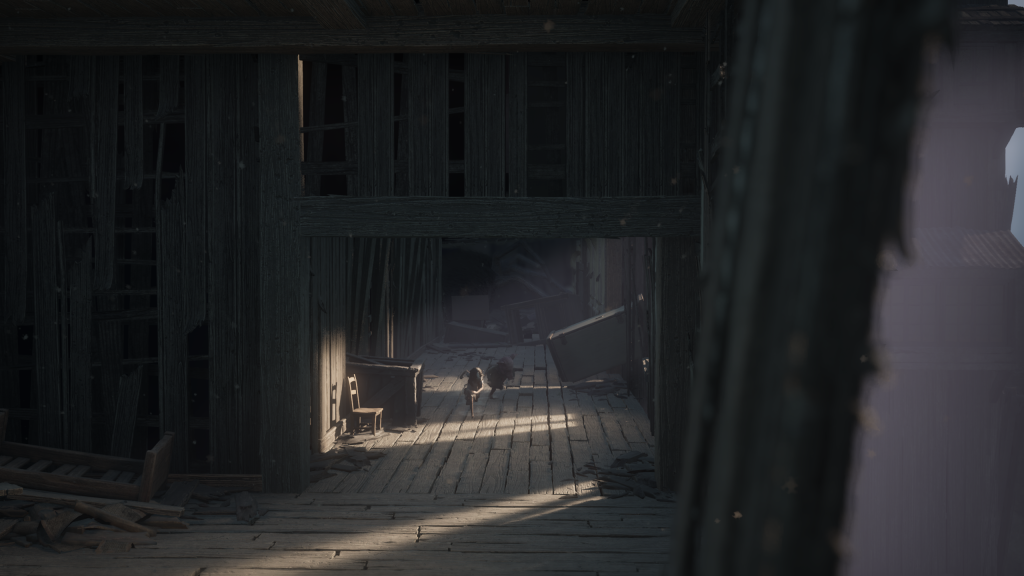
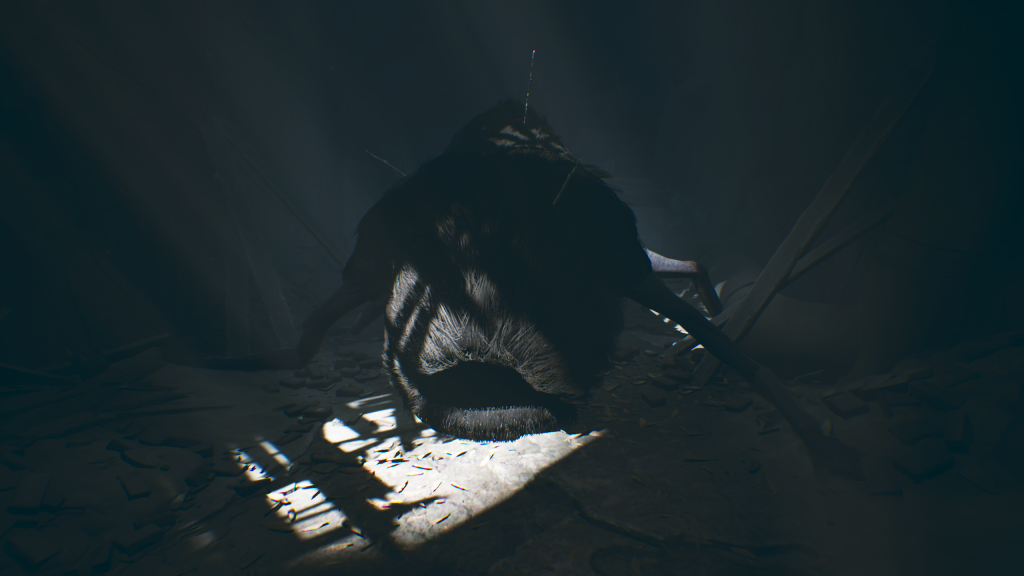
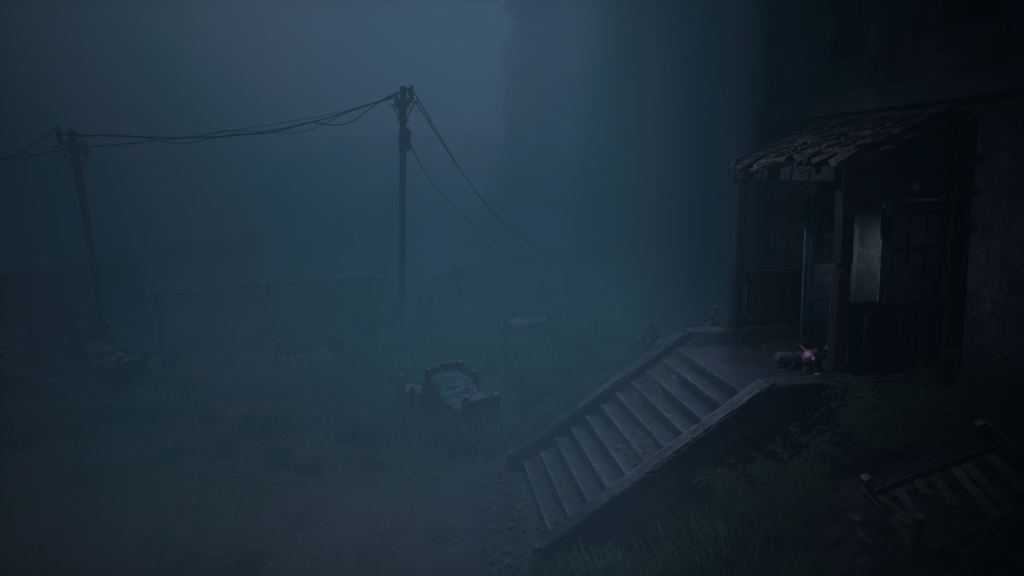
So what makes all of this click so well?
The audiovisual design.
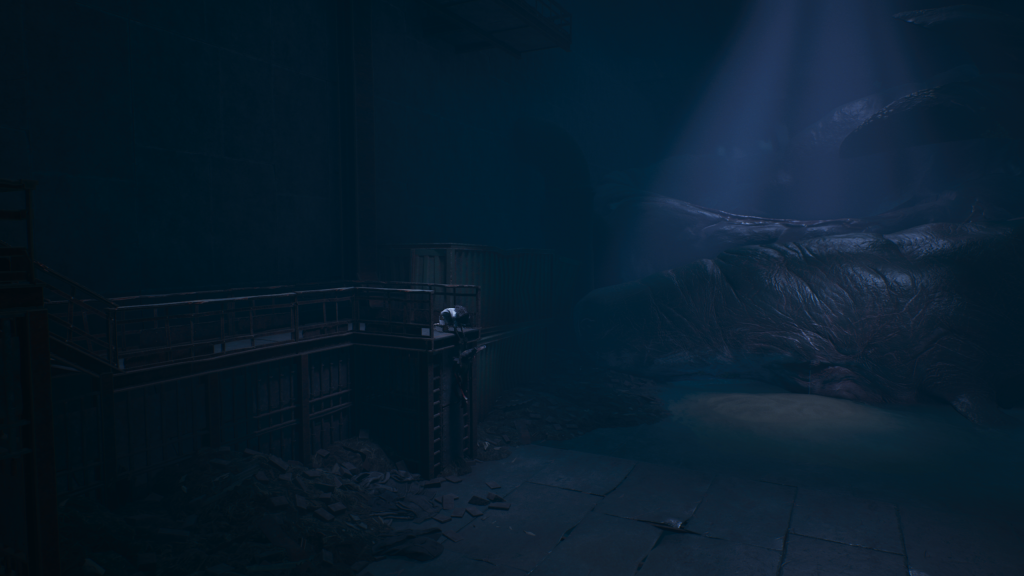
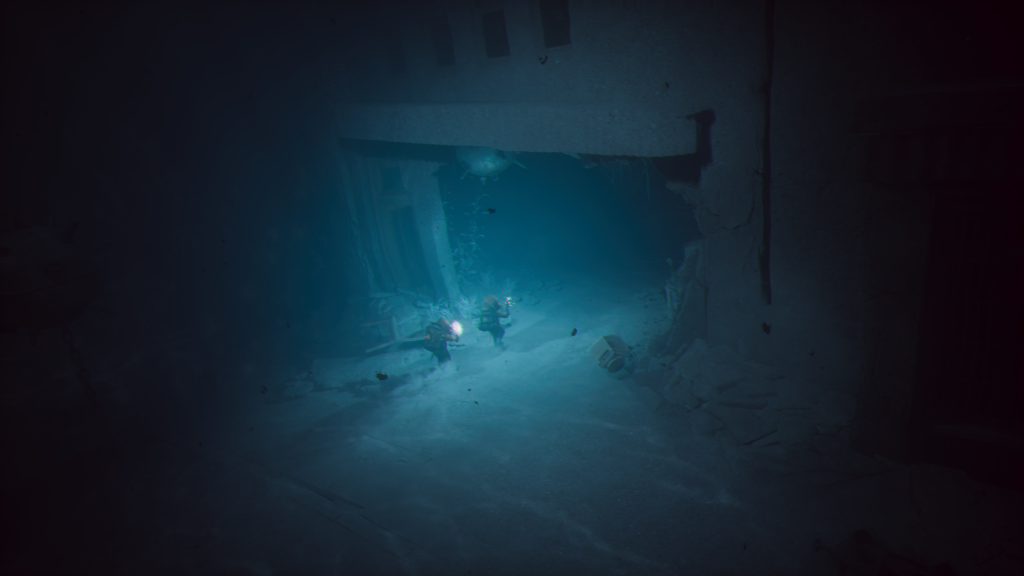
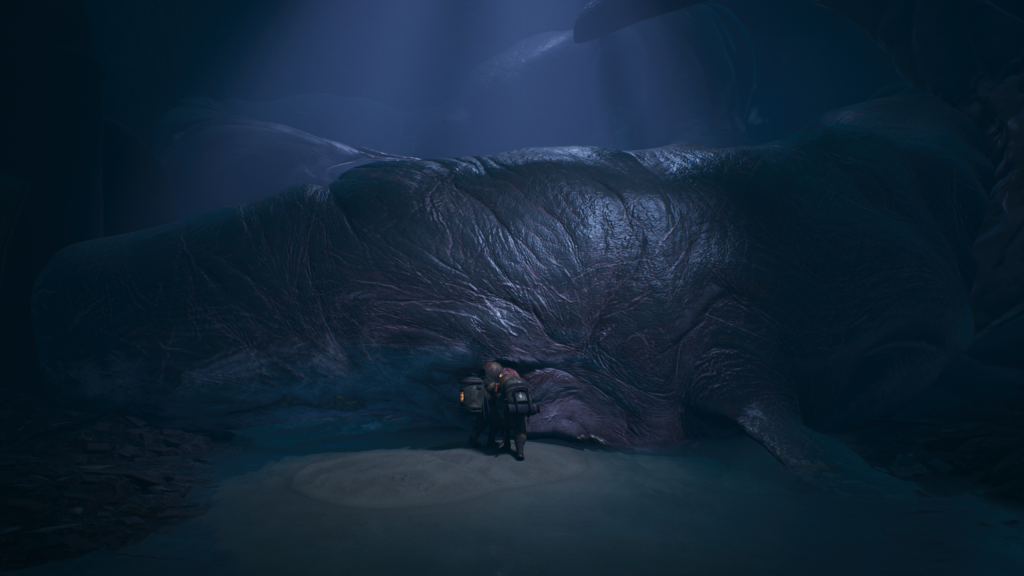
The visuals and soundtrack act as a catalyst, elevating everything else. The grotesque environments. The towering monsters. The twisted fantasy creatures. It all blends into an experience that never grows stale. The art direction is distinctly different from Little Nightmares. The dark fantasy aesthetic feels new, even if you occasionally catch a familiar scent from Tarsier’s past work. Still, REANIMAL has its own identity stamped all over it.
And then there’s the direction.
Honestly, everything in REANIMAL hinges on its flawless direction. The camera work is constantly shifting, framing scenes in dynamic and unexpected ways. Depth of field is used smartly, enhancing tension and immersion. Gone are the static, predictable shots. The camera feels alive. The pacing across the entire experience is so tight that when the credits roll, you genuinely wonder, “Wait… was that really five hours?”
That said, it’s not perfect.
If anything, the biggest issue is that it ends too soon. When it’s over, you’re left wishing for just a little more. While the Little Nightmares games were also short, they felt complete. REANIMAL leaves you hungry. An extra hour would have gone a long way.
The puzzles, too, lack real challenge. To be honest, they’re more like light obstacles than true brain-teasers. You won’t struggle much solving them. It almost feels like the developers wanted to ensure everyone could roll credits in under five hours. There are also a few minor gameplay bugs here and there. Nothing game-breaking, but noticeable.
In the end, though, REANIMAL stands tall as a bold, well-crafted, and genuinely lovable experience. In a landscape dominated by massive AAA releases, it carves out its own space and demands your attention. And if this is any indication, 2026 is shaping up to be a seriously exciting year for games.
This review is based on the PC version
Score: 85/100


Nioh 3 Review
Layers of Fear: The Final Masterpiece Edition Review