

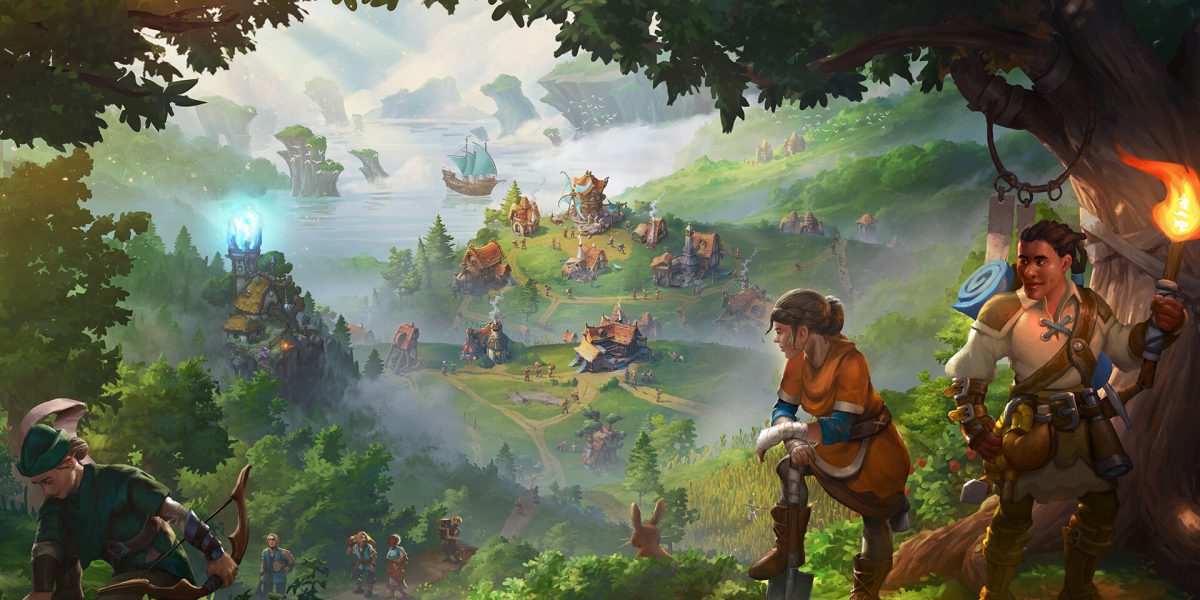

Pioneers of Pagonia is a new game in the city-building and strategy genre that focuses on building tribes, managing resources, and moving forward slowly. At first, I was a little confused by the game, but not in a way that made me angry. The game was designed to let players slowly figure out its systems at their own pace.
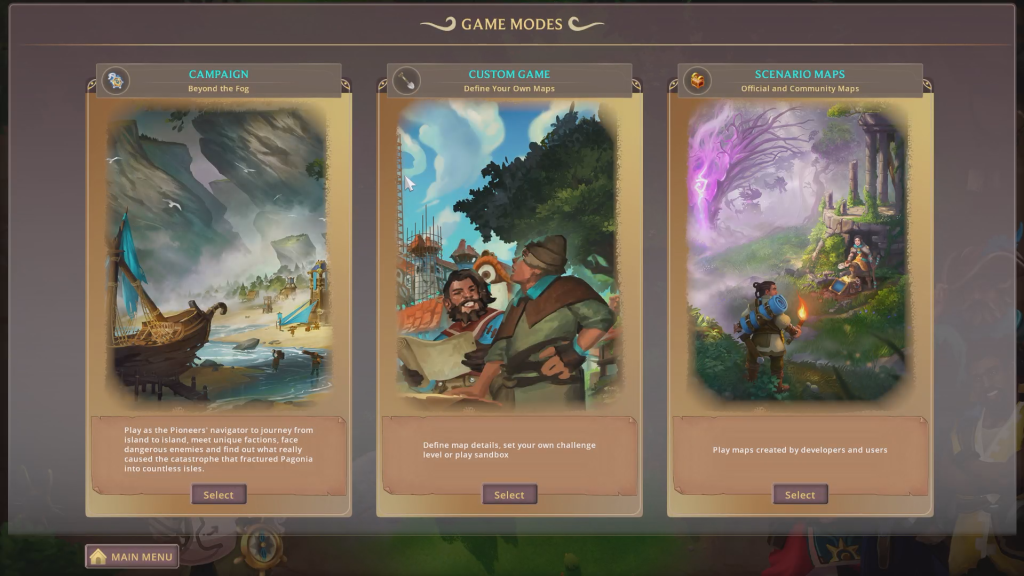
The game world is made up of many islands covered in fog. You move from one island to another in a story-driven campaign, making friends, finding resources, and bringing civilization back to life. The in-game help is good, but not too much or too little. It doesn’t explain everything right away. That said, as you get better at the game, the systems’ internal logic becomes clearer. This slow learning curve is an important part of what makes the game what it is.
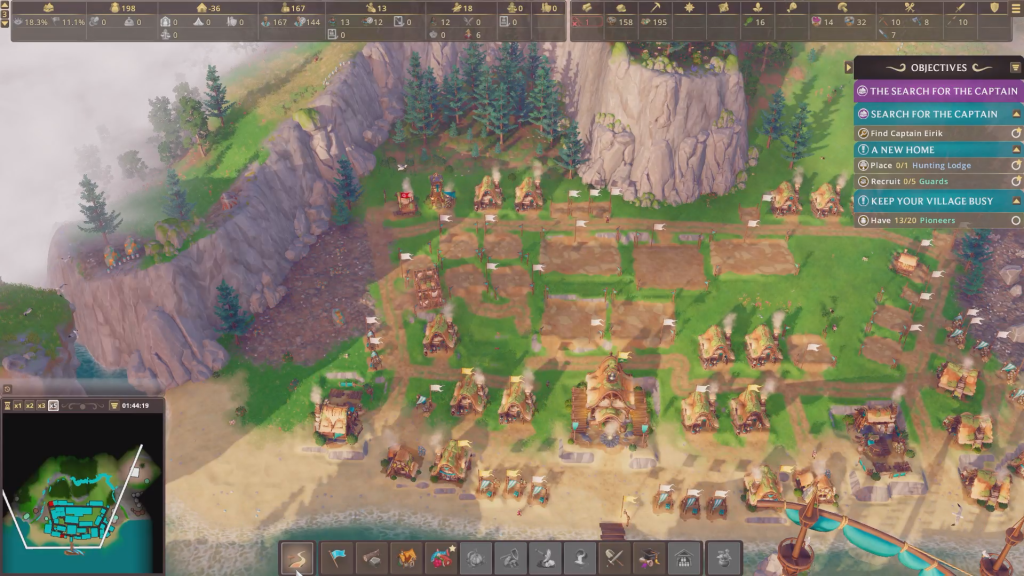
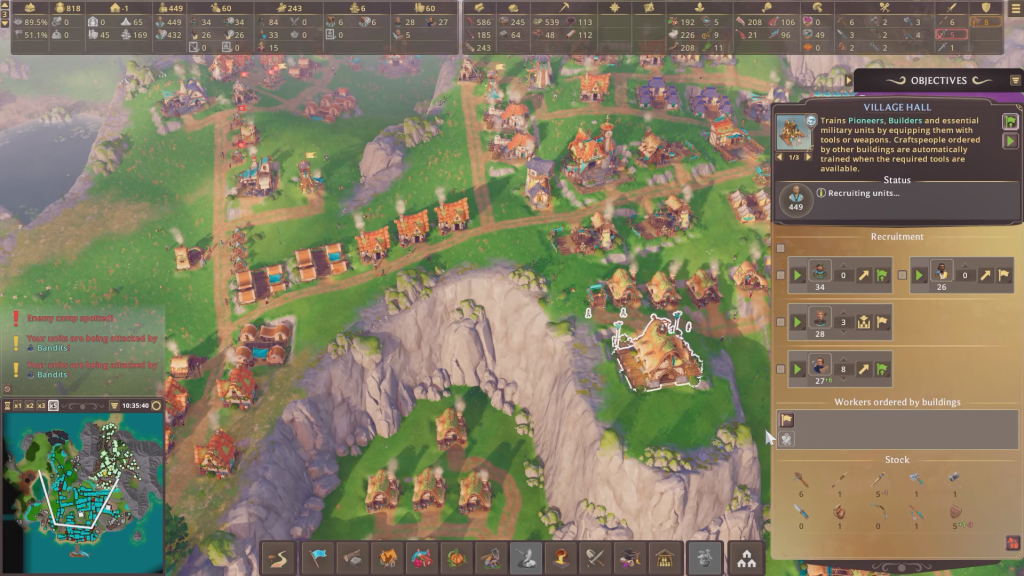
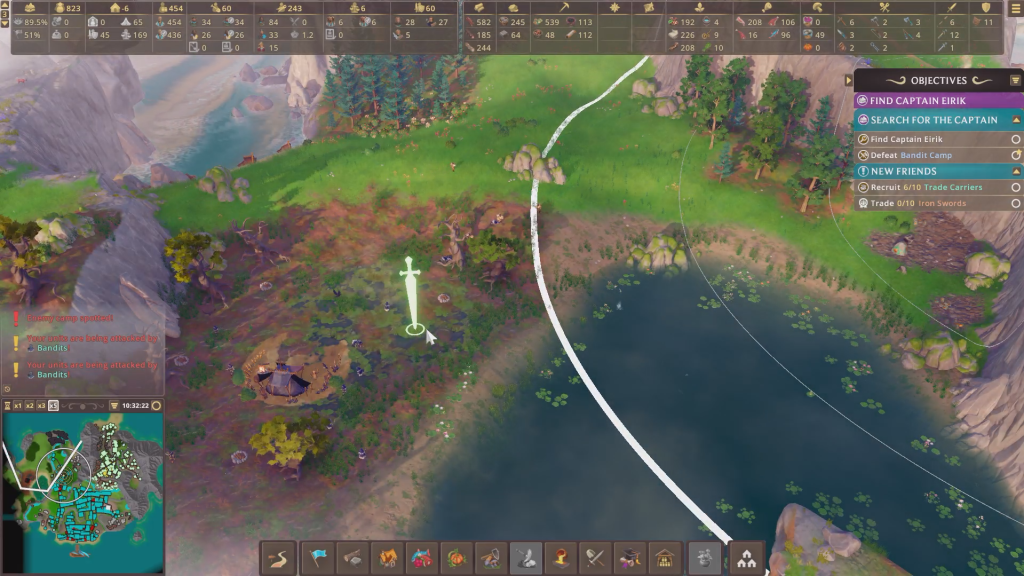
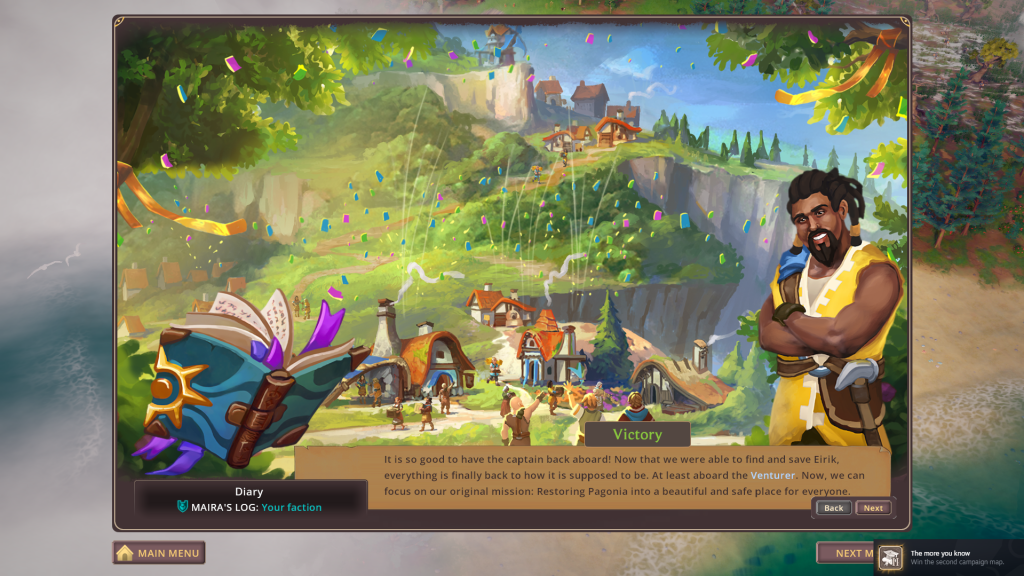
The story structure of the scenarios is one very good thing about them. Each chapter has a short story, like looking for Captain Erik while forming your own tribe, and then it moves on to the next part of the story. This change between scenarios makes players feel like they are starting over, giving them a chance to avoid making the same mistakes again and start each new beginning with more structure, confidence, and efficiency.
The speed at which things move forward is very well balanced. I played the game at 5x speed, and it didn’t get boring; the rhythm stayed satisfying the whole time. The experience never feels slow or pointless, and it never speeds up to the point where the player can’t plan or make decisions. The game keeps a steady pace, though, so systems can breathe. This gives you enough time to react, change, and improve without feeling overwhelmed. This careful balance makes the game focus on long-term planning and careful growth, making sure that progress feels earned instead of rushed or artificially extended.
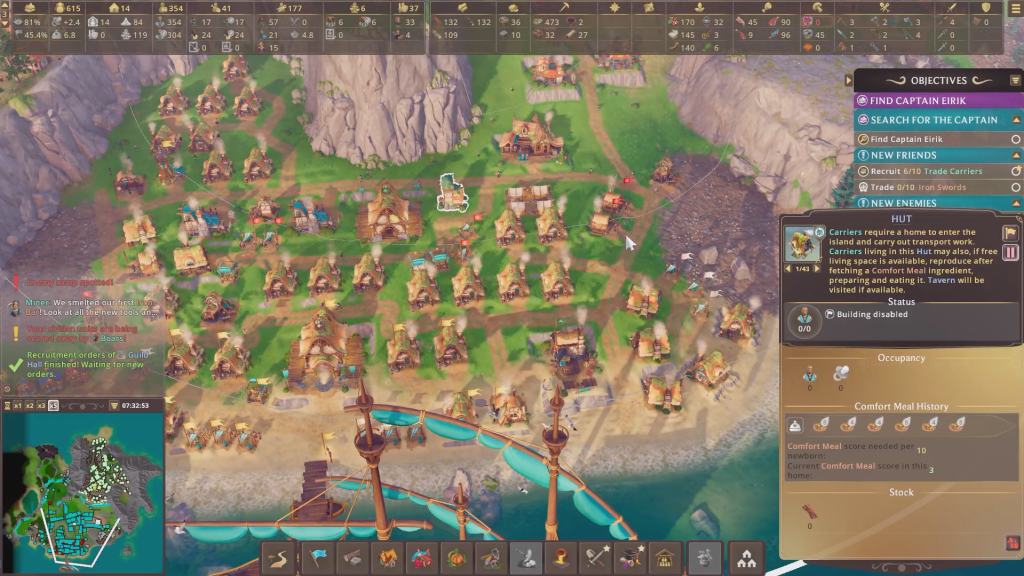
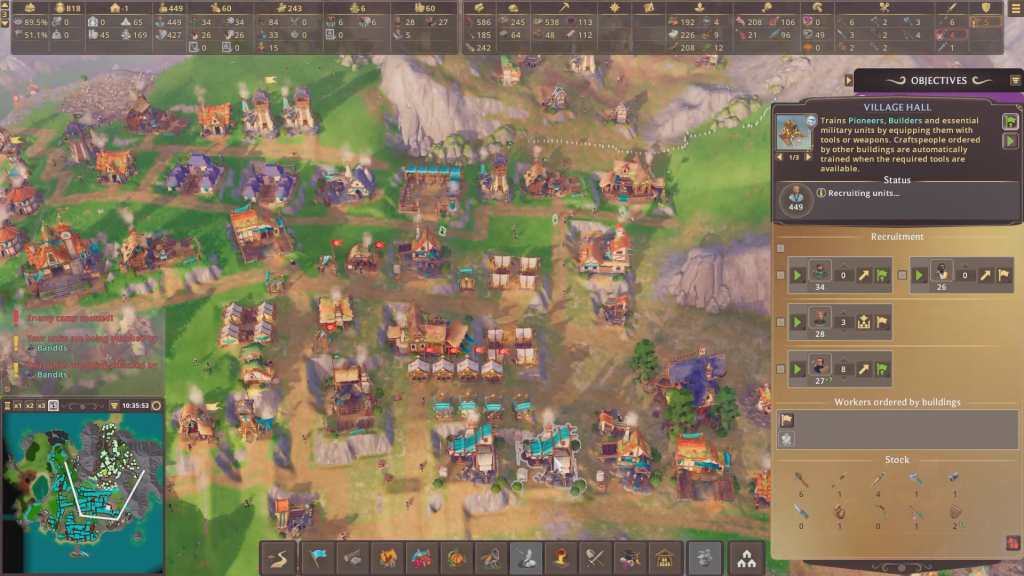
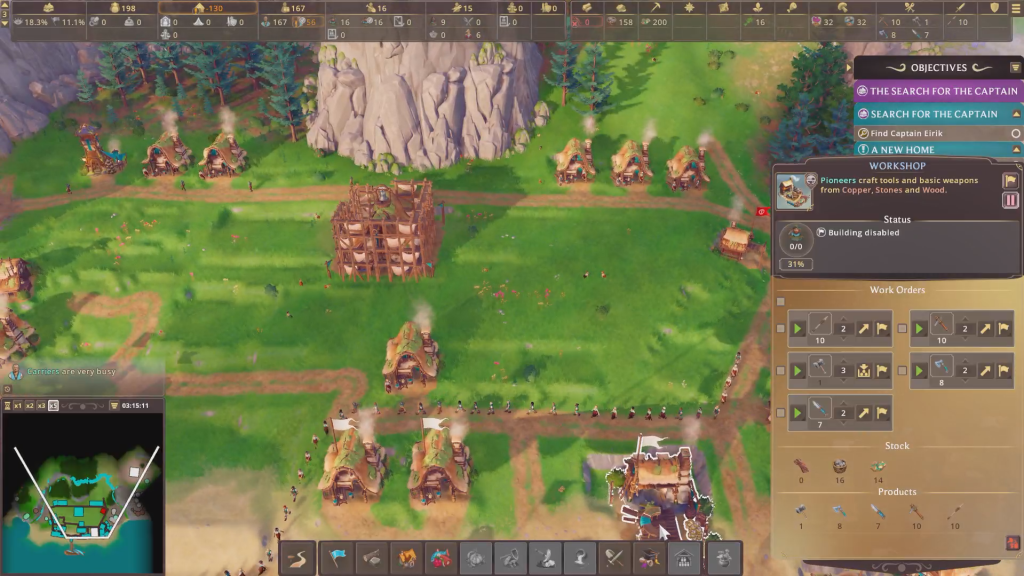
The aspect I found myself most deeply engaged with was workforce management and the training of tribe members, largely because every decision carries tangible consequences. Choosing who becomes a hunter, who focuses on cutting trees or replanting them, and when it is the right moment to train soldiers directly shapes the long-term survival and stability of the tribe. These systems never feel isolated; a shortage of hunters quickly affects food supply, poor forest management leads to resource collapse, and mistimed military training can leave settlements vulnerable.
Among all these elements, hunting, forest management, and organizing soldier attacks stood out as the most satisfying parts of the experience, largely because they create a clear feedback loop between planning and outcome, making each successful decision feel genuinely earned.
That said, some systems, especially in the early hours, are very complicated and could have used clearer instructions. The game often expects players to figure things out on their own by trying things out instead of being told what to do. Some people may find this hands-off approach rewarding and empowering, while others may find it confusing or even discouraging, especially if they are not familiar with the genre.
One of the most memorable things that happened to me in the game was when a single mistake by a manager brought the whole tribe to a halt. The village hall, which was used to hire or manage workers, was not connected to the rest of the infrastructure and did not have enough space to make a proper connection. I had to tear it down and build it somewhere else, but that caused a lot of problems. For example, I suddenly had no workers available for hunting, wood production stopped, and without wood, I couldn’t rebuild buildings. The whole tribe came to a complete stop.
The only thing I could think of was to tear down a few other houses and buildings to get wood back. This was more of a emergency rescue than a well-planned path. The bad thing about this is that the game doesn’t give you any help in these situations, so you have to figure things out on your own. This event turned into an interesting challenge for me, but I can’t help but think that even a small hint about the situation could have made it seem more logical and less punishing.
The graphics in the game are basic but work. The main things that matter are how easy it is to read the environment and how clear the system interactions are. I liked the graphics in The Settlers better because they were more appealing to me. However, the simplicity of Pagonia makes it easier to manage your tribe and keep an eye on them.
The game’s sound design is okay. The music and sounds are good. They aren’t very memorable, but they also aren’t annoying or distracting. One good thing about the game is that it uses sound effects well to let you know when important things are happening. For example, you can hear when something is built or a key action happens, which makes the management experience a little clearer.
Pioneers of Pagonia is a game that gives players a lot of freedom. It doesn’t hold your hand; instead, it pushes you to think, make mistakes, and find solutions on your own. Some people may find it frustrating that there is no help during times of resource shortages or management crises, but for me, that was an important part of the game’s identity: a place where you have to figure out what the problem is on your own.
If you like classic city-building games, are willing to try things out and see what happens, and don’t mind making mistakes, I would recommend this game. I found that Pagonia was worth my time not because it was exciting right away, but because it kept my mind busy and made me make a series of important, consecutive choices.
This review is based on the PC version.
Score: 70/100

Other Articles

Best Games of 2025
The Last Case of John Morley Review