

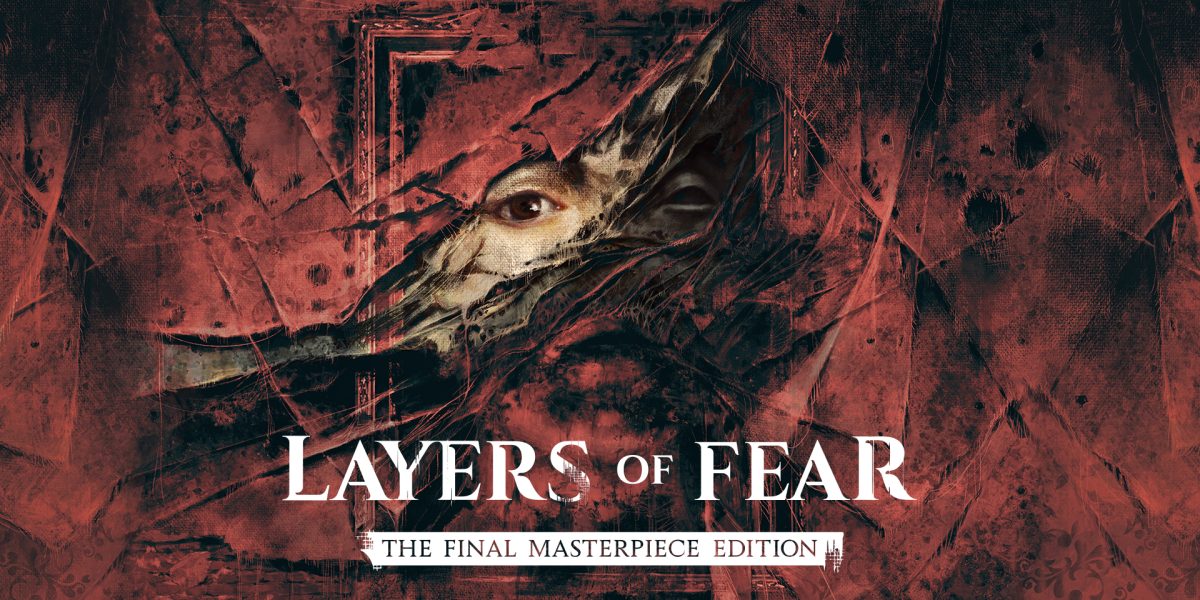

The horror genre has been moving toward jump scares and fast-paced chase scenes, but real horror was never meant to be mixed with speed and action. The Final Masterpiece Edition of Layers of Fear knows this. It looks like an unfinished painting, with deep psychological shadows that creep under your skin and make you feel like you’re in a haunted house. But sometimes it gets so lost in its own layers that you forget why you’re even walking through its silence.
This is a complete remake of the original game from 2016, which is now available on the Nintendo Switch 2. It once again proves that Bloober Team is the best at making horror games that make you think. The real question is: Is this “final” edition really a work of art, or is it just a new coat of paint on an old canvas?
Let’s go inside this crazy mansion, one room at a time.
It’s important to remember that Layers of Fear first came out in 2016, filling the gap left by the cancellation of the famous P.T. This return means a lot for the franchise. Layers of Fear stepped up and took on the role of the new leader in psychological horror at a time when it was looking for one.
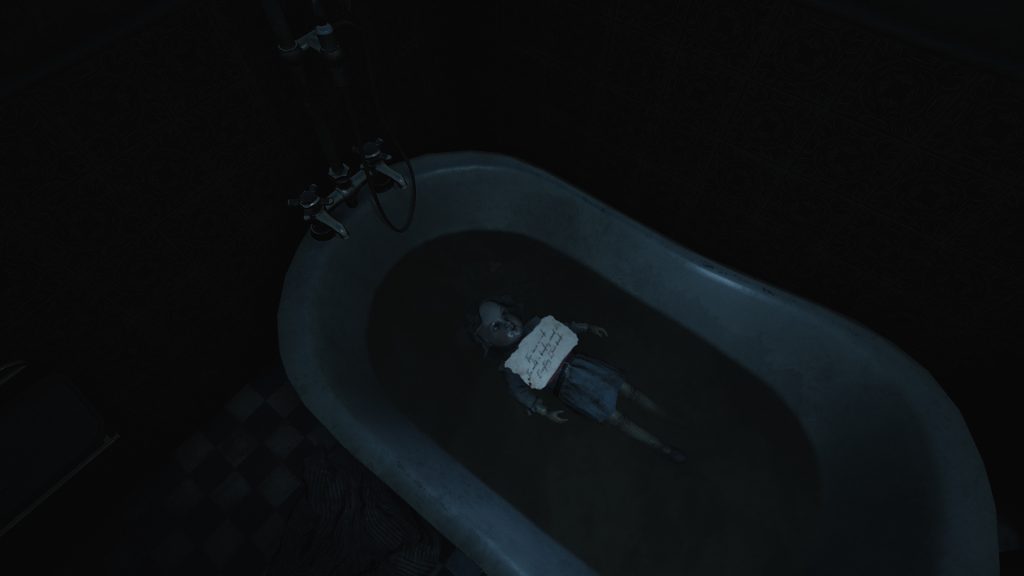
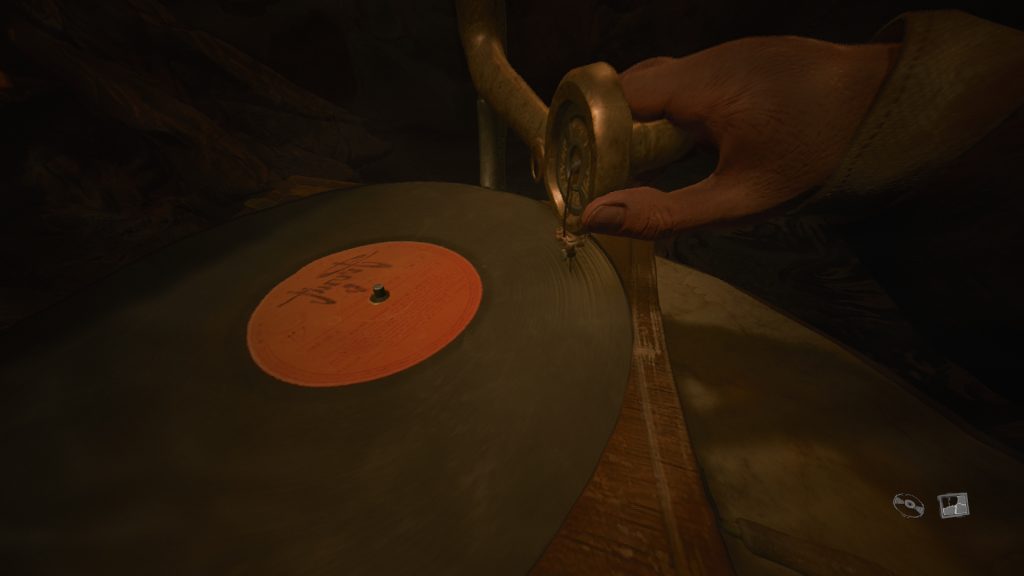
The franchise bravely took away players’ usual defensive mechanics and instead focused only on atmospheric horror. It helped define a subgenre that has had a huge impact on the modern wave of weaponless horror games. A sequel that was more like a movie came out in 2019, not long after the first one came out in 2016. Even though the second entry didn’t quite capture the magic of the first, it firmly established the Polish studio Bloober Team as masters of elegant, psychological nightmares.
The franchise’s effects are clearer than ever now, almost ten years later. Layers of Fear not only opened the door for games like Visage and Madison, but it also made a very important point: horror doesn’t need a lot of violence or cheap scares to work. By changing space, architecture, and the player’s own mind, it showed that true fear can be much more disturbing and last much longer.
The story is still the most important part of Layers of Fear. You play as a crazy painter who walks through a house where every room shows pieces of memory, hallucination, and nightmare. This new version, which was built with Unreal Engine 5, not only improves the story’s visuals, but also adds to them in a meaningful way. All of the new content, including the extra parts from the Inheritance DLC, has been fully integrated, adding new layers to the artist’s descent into madness. It doesn’t feel like a normal haunted house tour anymore; it feels more like a psychological case study of a damaged creative mind.
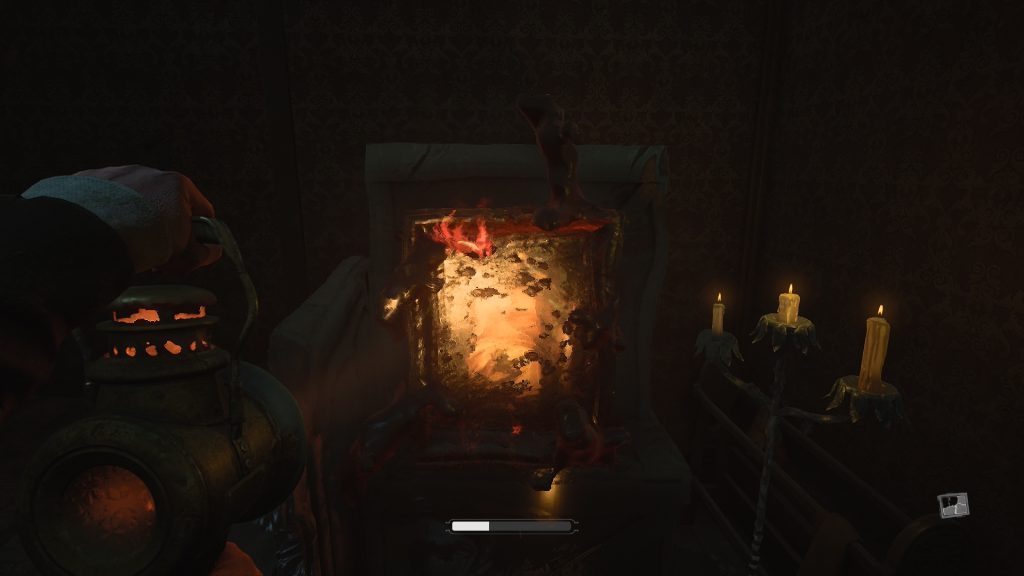
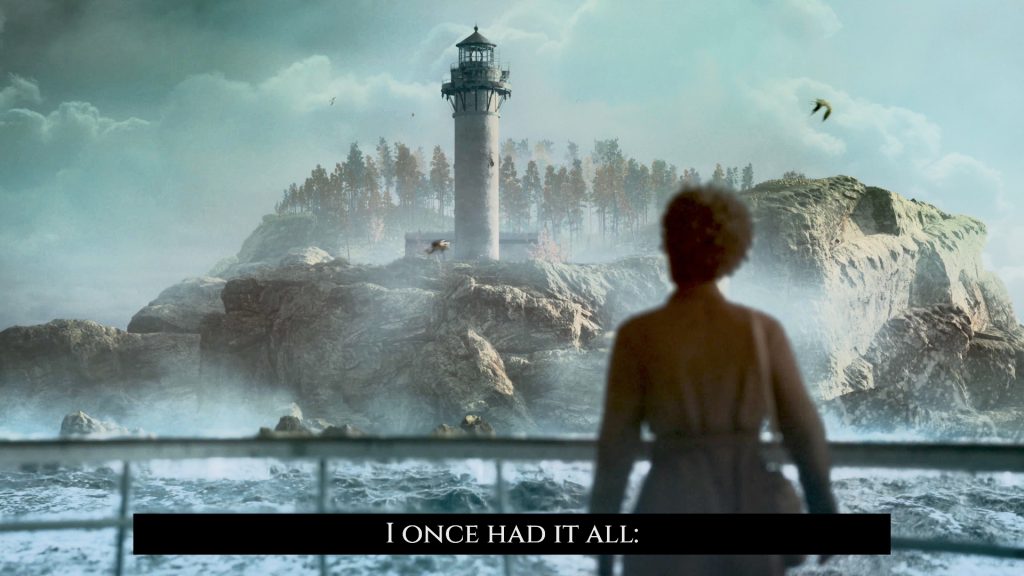
But Bloober Team goes even further. The studio has put Layers of Fear 2 in the same package with a lot of confidence. The best part, though, is the addition of a whole new story thread about a writer who lives in a lighthouse. This story line connects the painter’s madness from the first game with the actor’s fear from the second, turning two separate experiences into one long, interrelated story.
This new structure isn’t perfect, though. The lighthouse parts can sometimes feel like narrative speed bumps, slowing down the mansion’s constant movement with quieter, longer scenes that may not appeal to everyone. But Bloober Team makes up this episode with The Final Note, a chapter where you control the painter’s wife for the first time. This change in point of view turns what was once a one-sided story into a deeply sad story with two points of view, which makes the game’s emotional weight even stronger.
At the center of this complex nightmare is the sad story of a family falling apart. A painter, obsessed with making his greatest work of art, kills his wife and daughter in the name of artistic perfection. Now, because of his broken mind, he has to walk through the endless halls of a mansion that he built, reliving his mistakes over and over again.
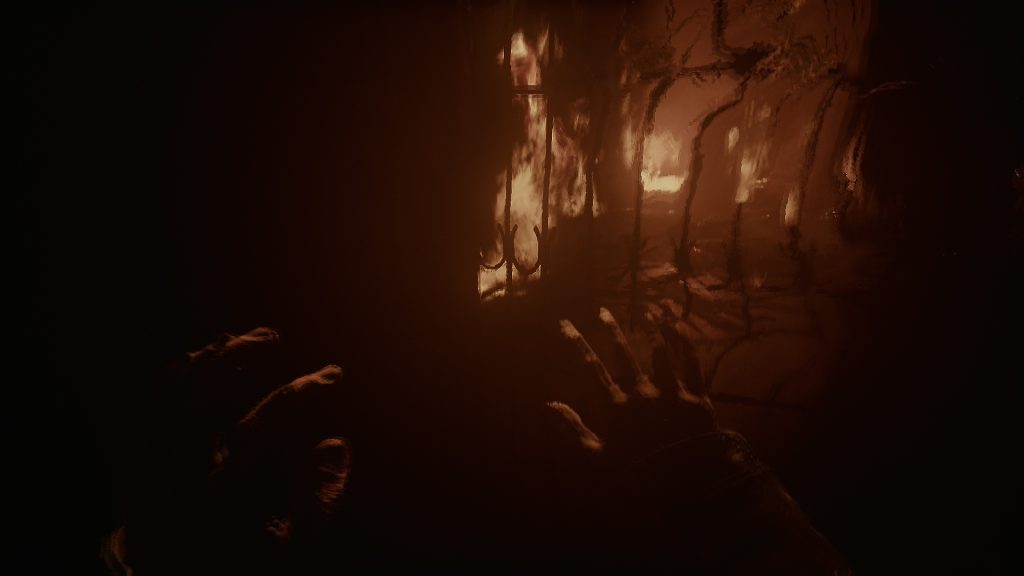
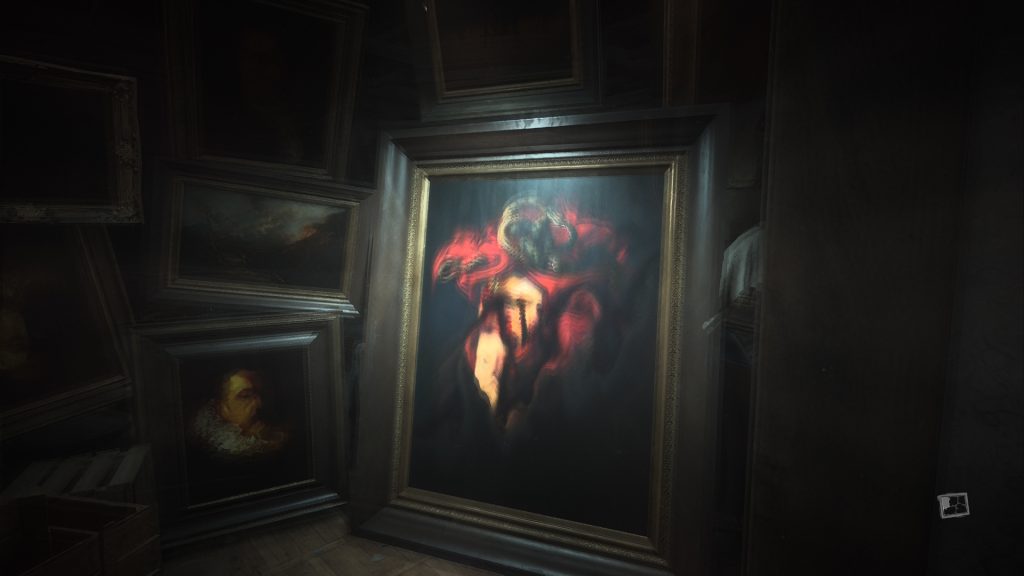
But that’s not the end of the story. The game takes us decades into the future and onto the set of an ocean liner film shoot—the story of Layers of Fear 2—where an actor from Hollywood must play a role so consuming that it slowly eats away at his true identity in order to become immortal.
The Writer is the one person who ties together all of these seemingly unrelated threads. A woman who took refuge in an abandoned lighthouse tells the stories of these two men. By doing so, she unknowingly lets their demons into her own world. This complex, interwoven structure takes the story far beyond a simple tale of a “mad artist.” It turns it into a dark meditation on the harsh price of perfectionist behavior and its cursed legacy it leaves behind, which is passed down from generation to generation.
It’s interesting to note that this edition still feels new to those who are already familiar with the series. It’s almost as if Bloober Team has painted over the original canvas from the ground up, adding more detail and richer colors to better explore themes of depression, obsession, and failure. The result is a version that feels both familiar and new, with a more complex descent into psychological horror.
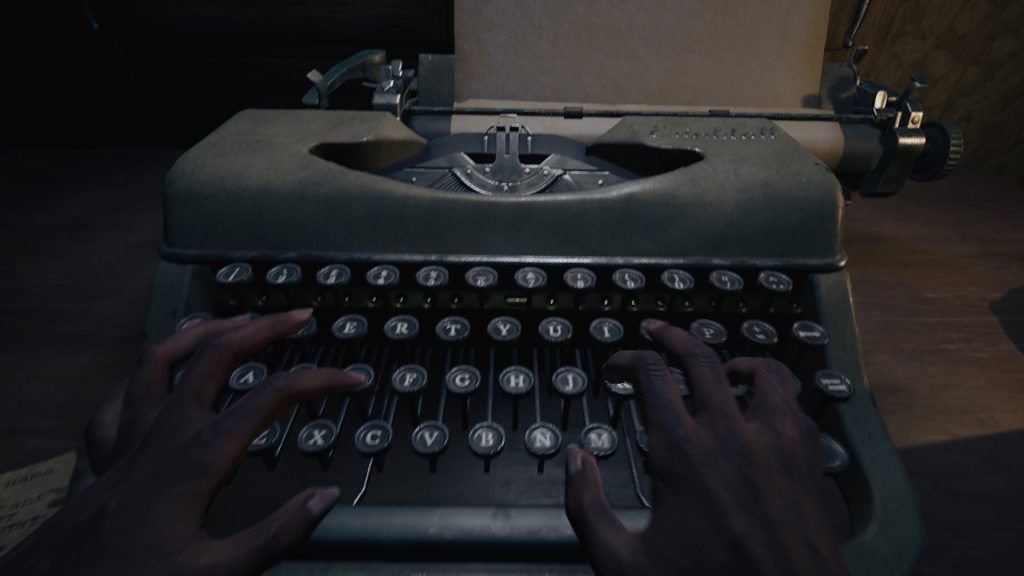
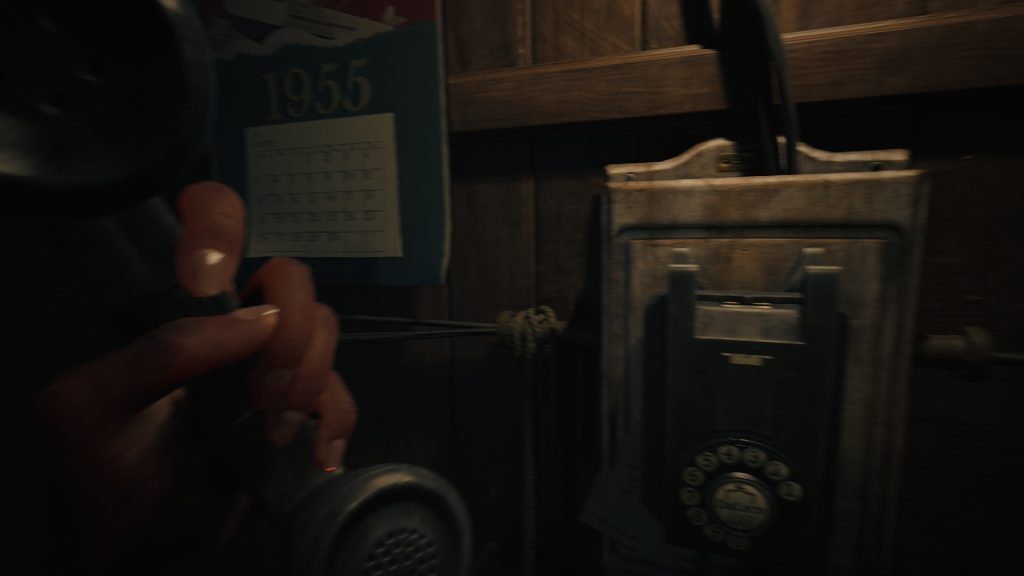
For people who are new to the franchise, though, this release is a great place to start. The series has set the norm for psychological horror since 2016. You can see its impact in later games like The Medium and even Alan Wake 2. This shows how long-lasting and far-reaching Layers of Fear’s legacy has become.
The gameplay stays true to its roots as a walking simulator: it’s simple, restrained, and very effective. The whole experience is about exploring, solving environmental puzzles, and putting together story clues. There is no traditional combat, no complicated inventory management, and no reliance on action-driven mechanics. That intentional lack of detail is what lets the tension breathe.
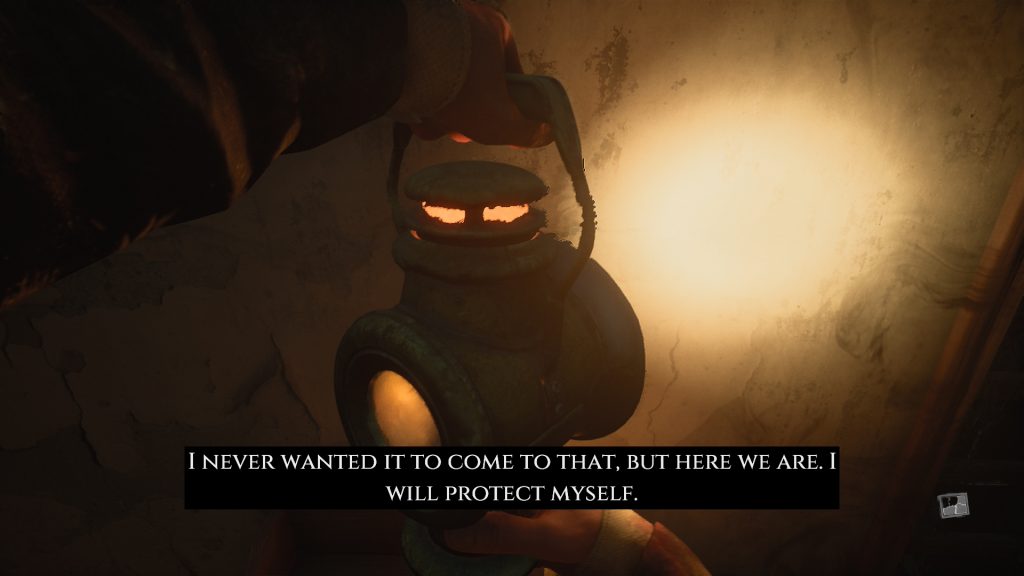
To keep the formula from getting boring, the developers add a new mechanic called the lantern, which is based on games like Alan Wake. Players can now defend themselves against some nightmares for the first time. You can use light to keep shadowy creatures away or get rid of certain obstacles. This adds a small but important level of interaction without taking away from the game’s psychological focus.
Another small but important change is that interactions feel more real here than in earlier versions. You can’t just press a button to open a door anymore; you have to grab the handle and push or pull it with the analog stick. This may seem like a small thing on paper, but when you know a nightmare could be waiting on the other side, that brief pause and physical effort add a sharp, real spike of stress.

This simple design looks great on the Nintendo Switch 2. In handheld mode, the game feels like a portable horror novel—intimate, focused, and deeply immersive. The smooth controls make full use of the Joy-Con’s features, like subtle vibrations that make tense moments even more tense. This adds to the game’s atmosphere without ever breaking immersion.
Layers of Fear: The Final Masterpiece Edition is a great remake that brings the series back to life for a new generation and looks great on Switch 2, like a portable gem. As promised in the title, this release is the best version of the creators’ vision for the series so far. It’s the result of everything they’ve learned and improved over the years. It seems like Bloober Team put all of their last ideas, themes, and tests into this final version.
This game will keep you up for hours if you like horror that builds slowly and has a lot of story. You might feel that this so-called “final masterpiece” is more of a beautifully executed reinterpretation than a bold new creation if you’re looking for a true reinvention of the genre. In general, it’s a great experience for long-time fans, but it’s not a major new milestone for horror as a whole.
That being said, one thing is for sure: if you’ve never been in this series before, now is the best time to go inside the mansion.
This review is based on the Nintendo Switch 2 version
Score: 80/100

Other Articles

Reanimal Review
Best Games of 2025