

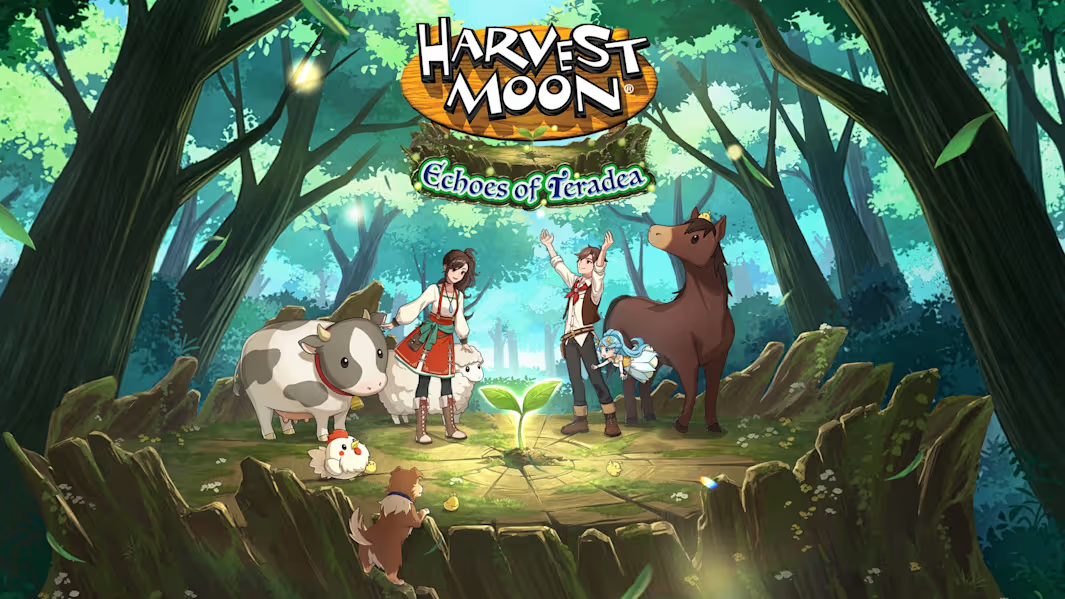

For long-time gamers and fans of farming simulators, the Harvest Moon series is one of those special places in gaming history. For many Iranian gamers who refer to them simply as “Farmer”, these games are a way of remembering the good old days of their childhood, when they could spend hours and hours entertaining themselves with farming, raising livestock, and building a life in a peaceful rural setting.
But the name Harvest Moon doesn’t mean quite the same franchise anymore. Following a confusing re-branding rights shuffle, the original series stayed with the Story of Seasons brand, and Natsume kept the familiar Harvest Moon brand and began developing its own games under that brand. Therefore, a single beloved franchise effectively split into two distinct identities.
Natsume makes another attempt to revive the brand with the release of Harvest Moon: Echoes of Teradea (on Nintendo Switch 2, Switch, Steam, PlayStation, and Xbox). But has this entry really managed to convince critics and players alike? So below, we take a close, well-rounded look at its pros and cons.
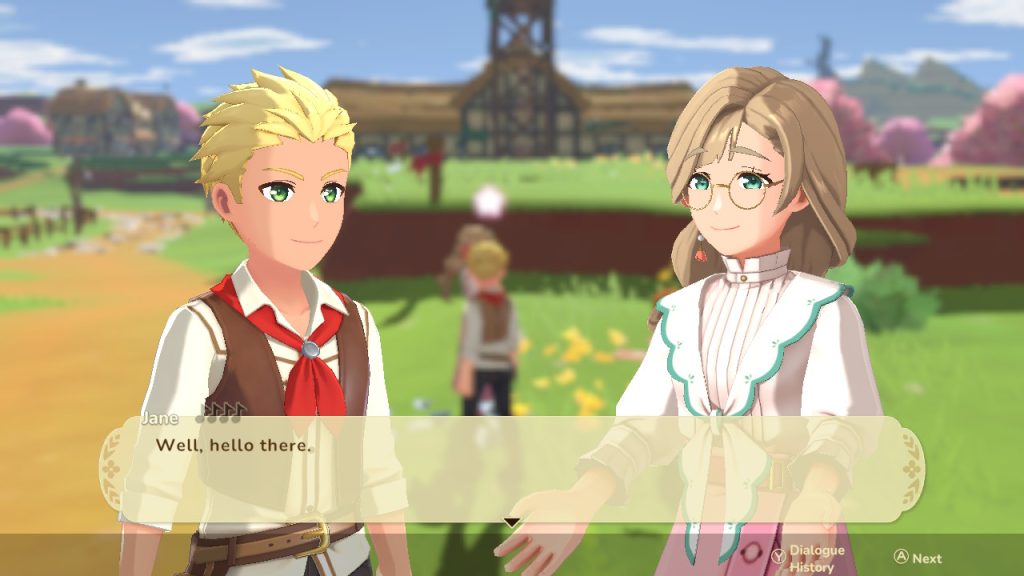
Story and World-Building – Bringing Teradea to Life
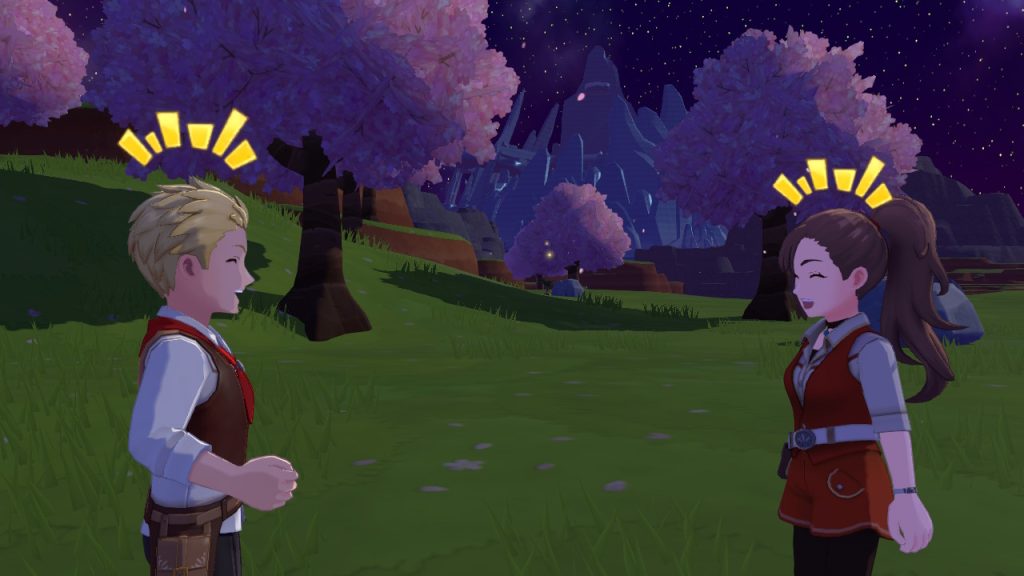
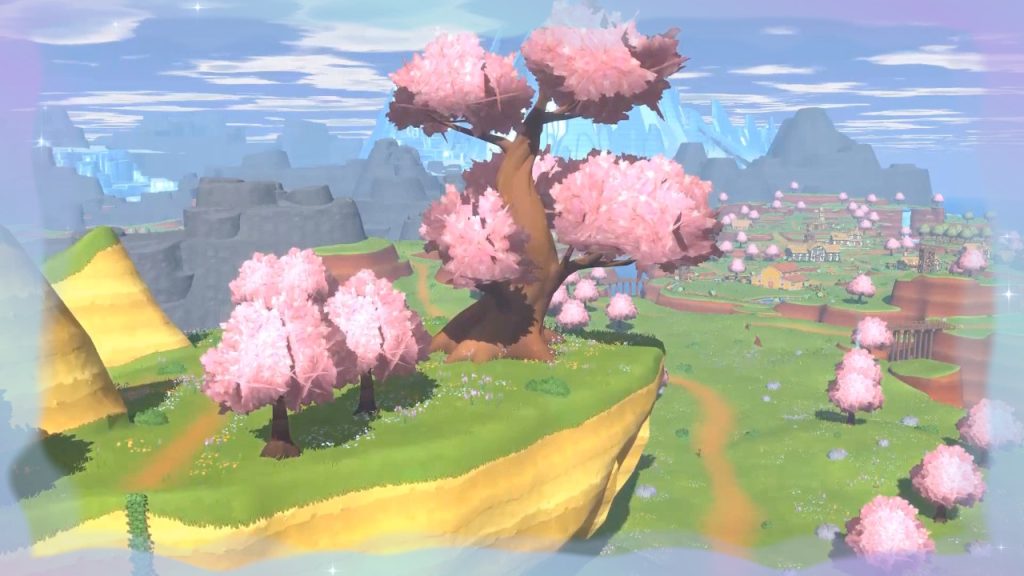
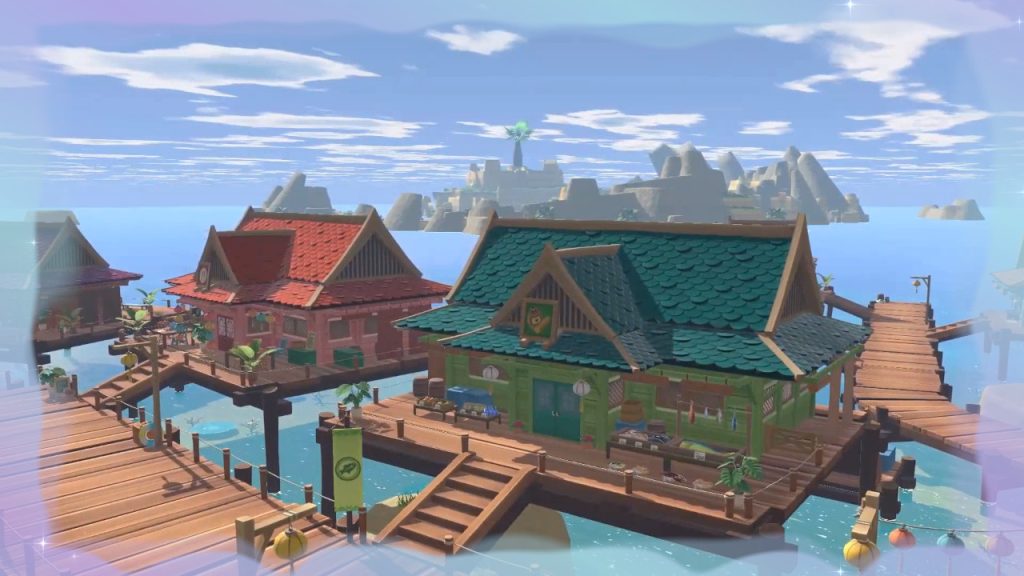
Taking place several years after the events of Harvest Moon: The Winds of Anthos, the story opens with the Tiny Harvest Goddess mysteriously shrinking yet again and falling into a deep slumber. The land of Teradea is in turmoil after her long absence and the spreading of a thick fog from the mysterious Echo Forest. The world is divided into four distinct regions, each corresponding to a different season, while the withering Spirit Trees have abandoned their respective communities to fend for themselves.
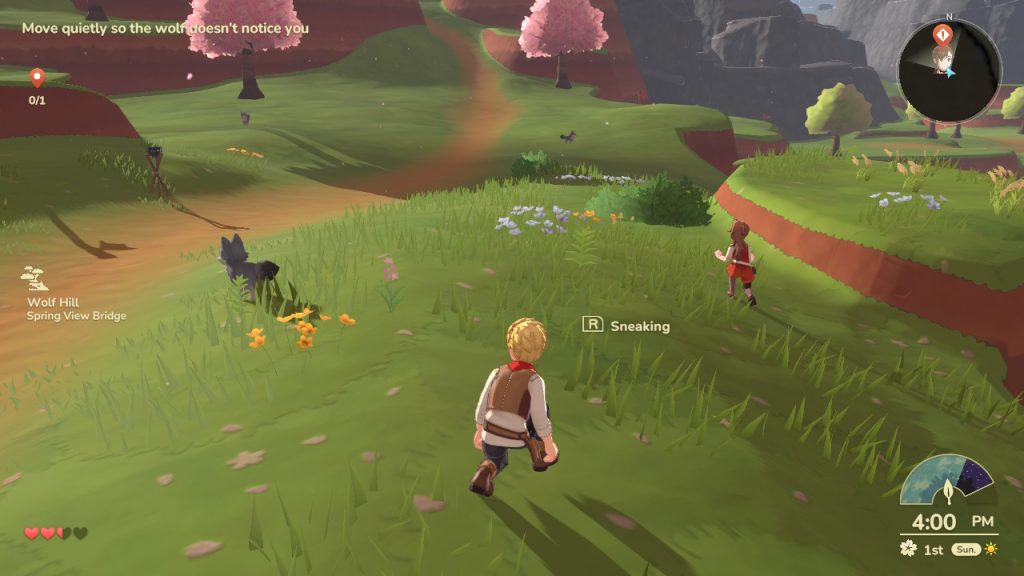
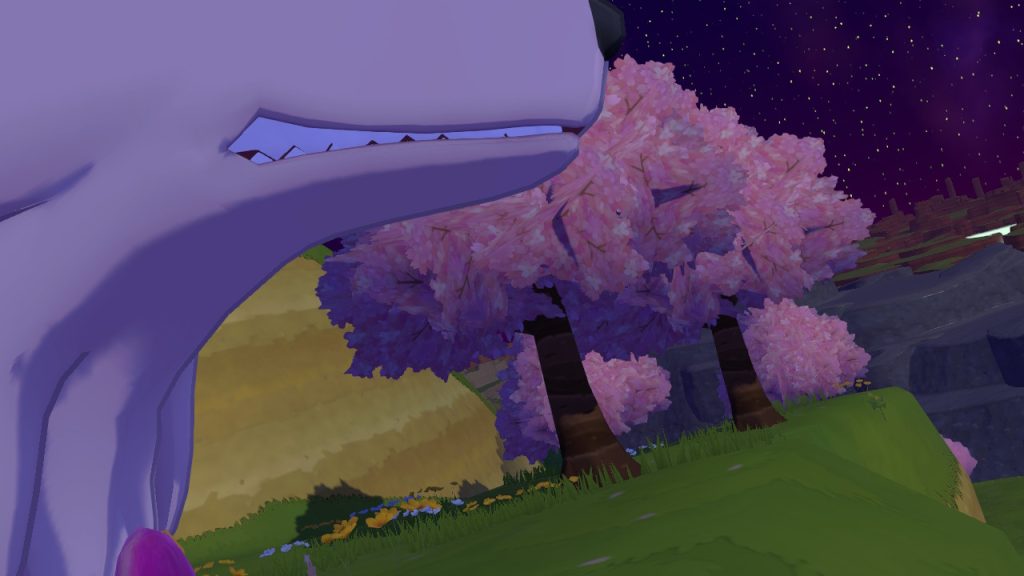
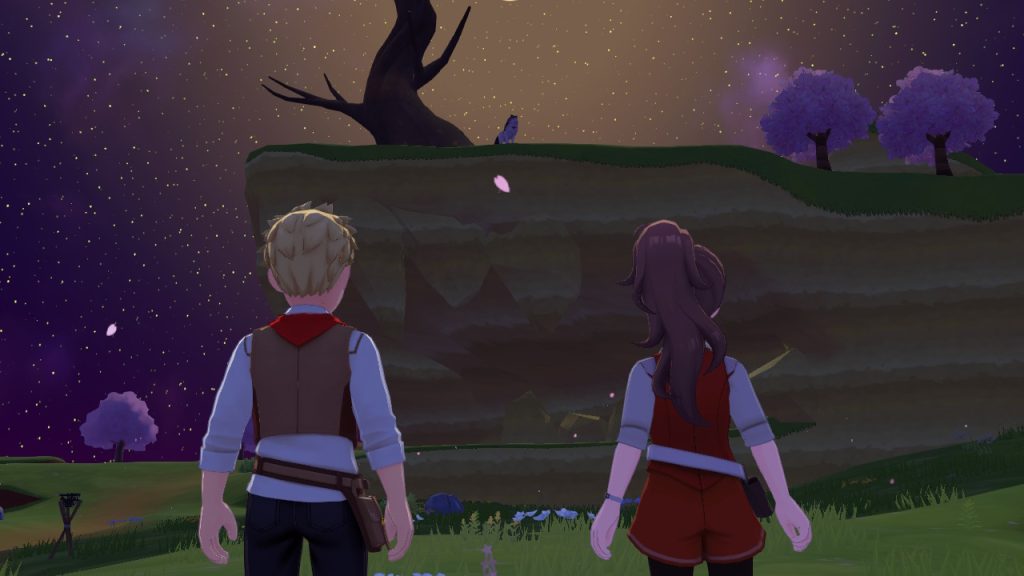
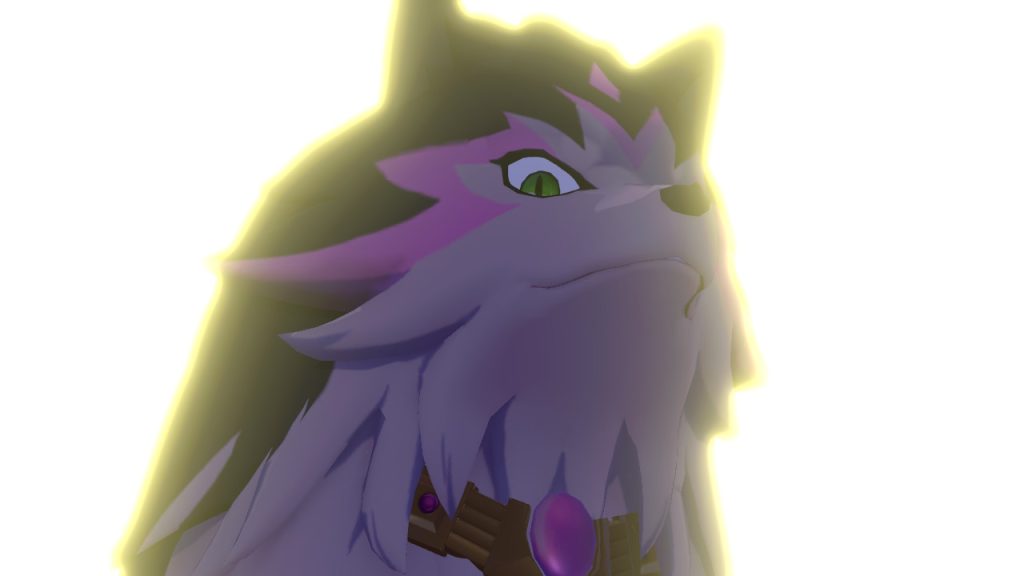
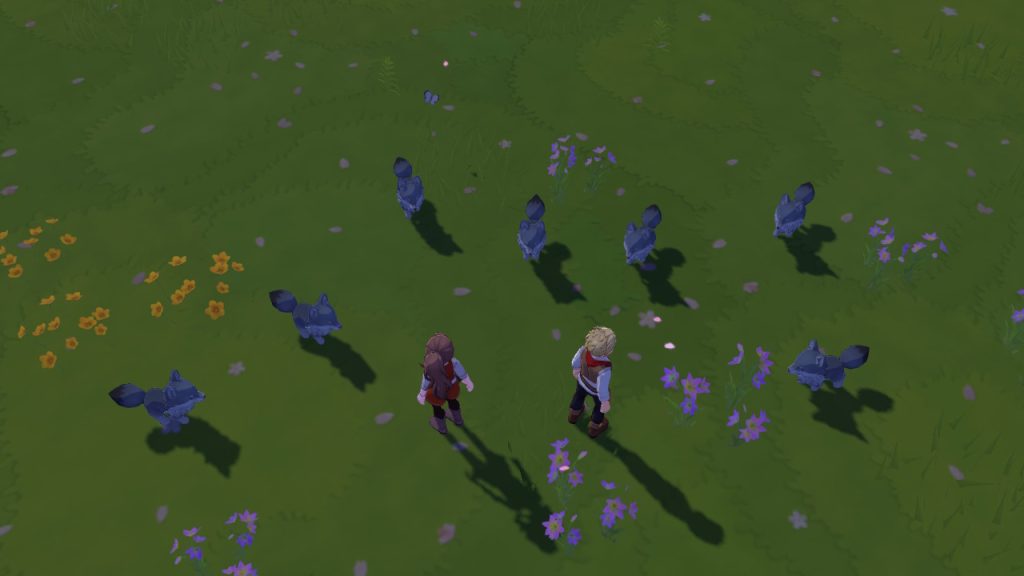
Your adventure starts in the peaceful village of Bloomtown, but soon the restoration of balance to Teradea becomes the driving force of your journey. The progression is all about getting the Spirit Trees back, and each area has its own goals and challenges. For example, to successfully unlock the spring region, you must wake the guardian wolf of the region by giving it warm, flavored milk. As you go, you will complete quests that will grant you Happilia, a special type of happiness energy that will help to restore the region’s Spirit Tree and slowly drive back the fog that envelops the area.
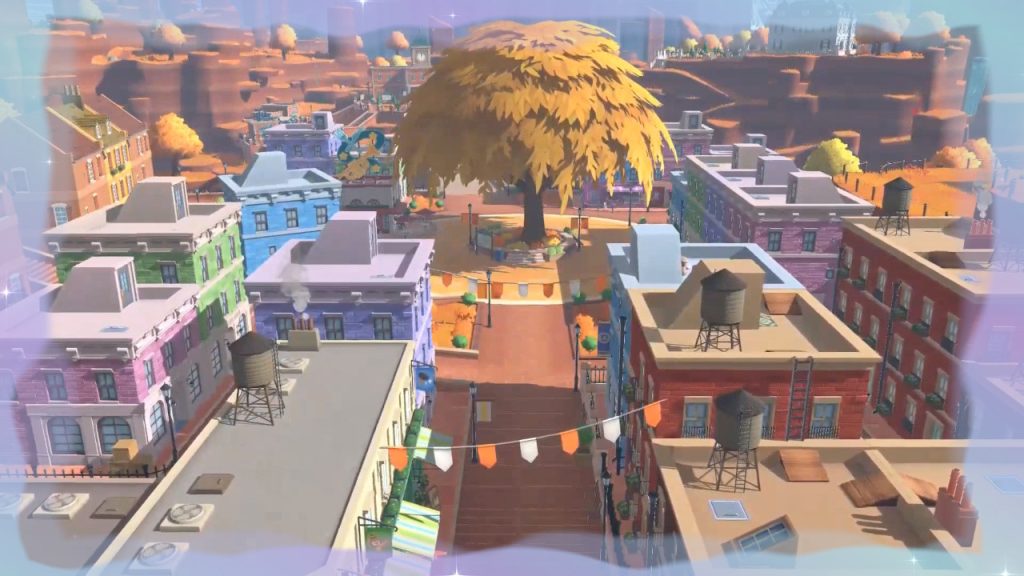
One of the more attractive aspects of the game’s world design is the diversity found in its different locations. Autumn, the town of Maplehill, is particularly refreshing. Its charming urban architecture and unique atmosphere provide something rarely seen in the series, moving away from the traditional rural settings that have defined Harvest Moon. “It’s a welcome change of scenery that gives Teradea a stronger sense of identity and makes visiting its seasonal regions feel more rewarding.”
Farming Made Simple and Enjoyable
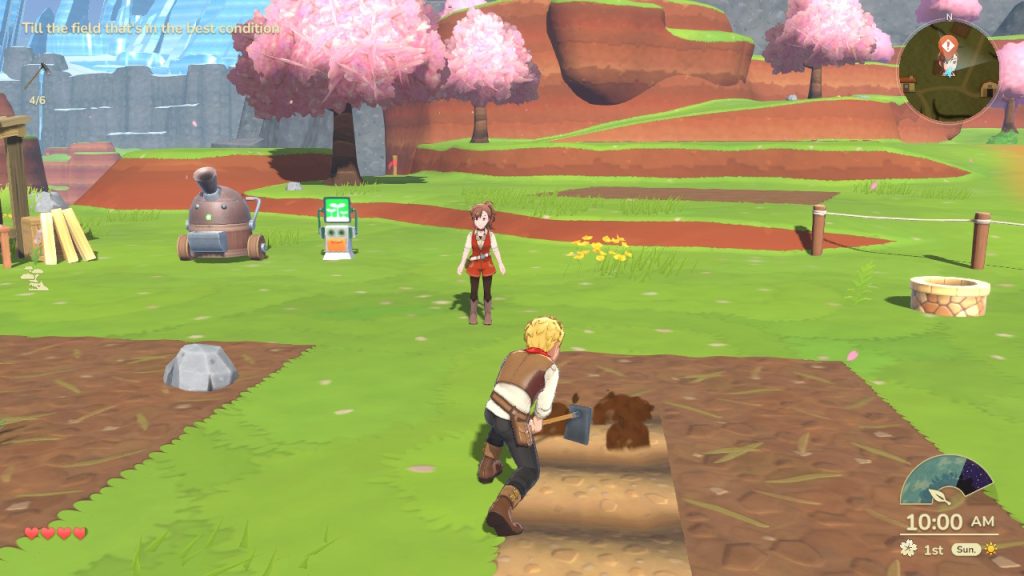
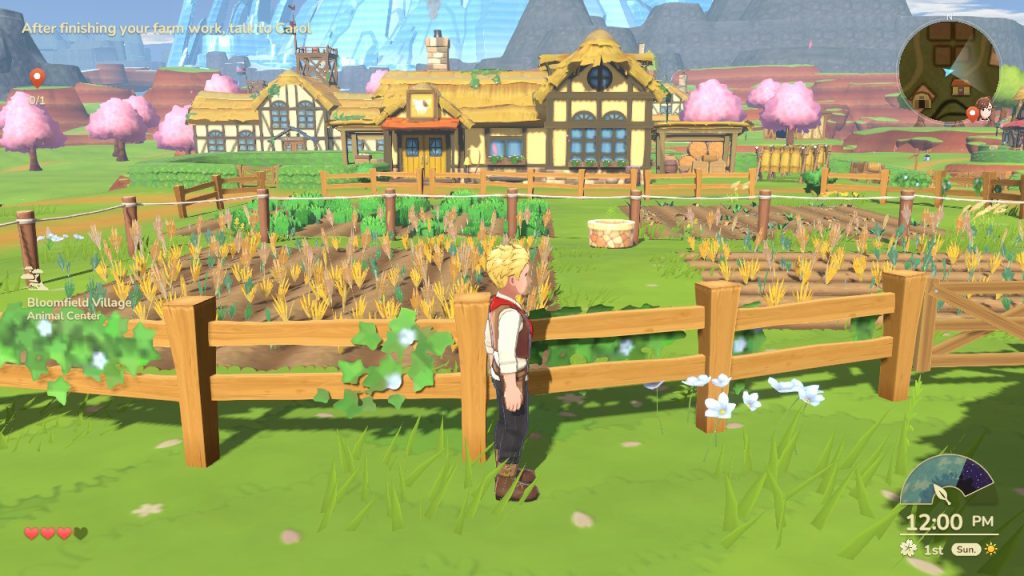
If you’ve ever been annoyed at the unnecessarily complicated mechanics of some farming simulators, Harvest Moon: Echoes of Teradea has a refreshingly different approach. Farming should feel intuitive and rewarding, removing a lot of the fiddly micromanagement that can turn an otherwise relaxing experience into a repetitive chore. One of the most welcomed features is its automatic tool system and you don’t have to constantly switch between equipment. ploughing the land, sowing the seeds, watering the crops, putting on fertilizers etc. The game knows what you want to do and you can do the common day to day tasks of farming with a few simple inputs.
Convenience isn’t just a field issue. Soilbot is a handy robot that is looking at how healthy the soil is. It encourages players to rotate crops, to keep the farmland fruitful. Maybe one of the best quality of life features in the game is the storage system built in. Cooking and crafting automatically pull materials from your storage so you don’t have to move things back and forth between your inventory and different containers. It’s a small-sounding change that makes your farm run a whole lot smoother.
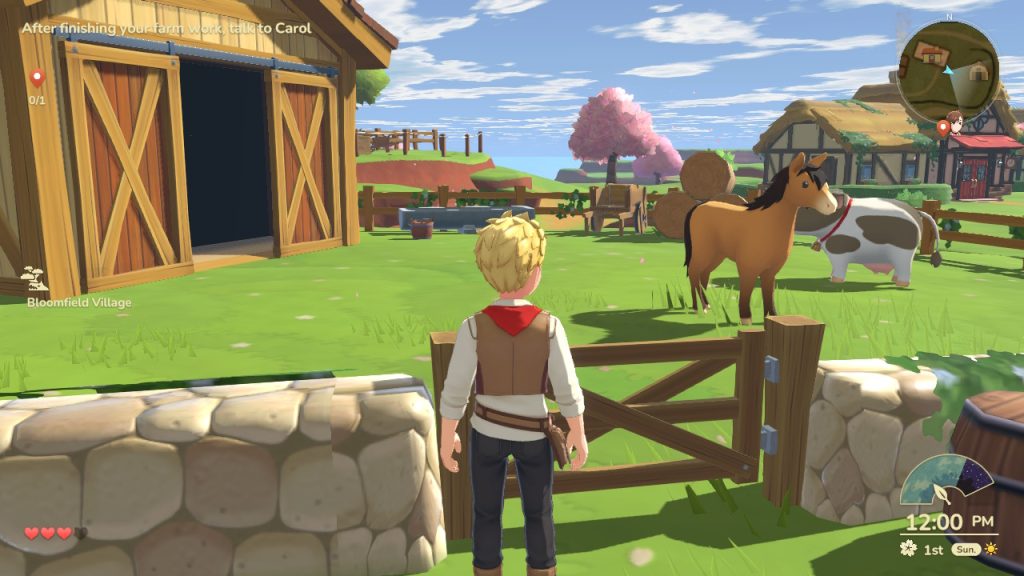
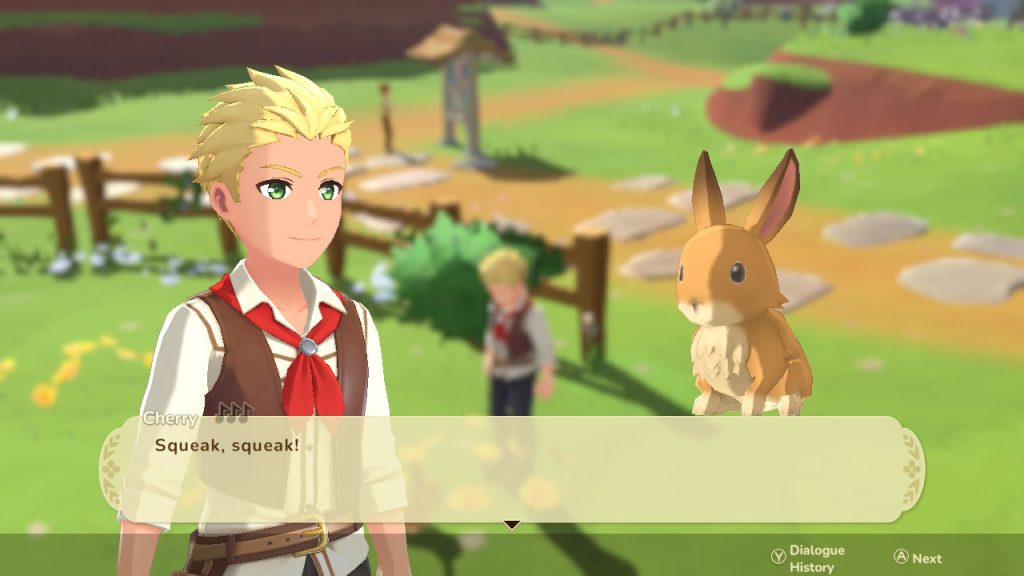
Animals play a much more important role than just being a resource. A rescued cockatiel can be a handy little courier, bringing things home for free. Horses can be whistled for and learn new abilities, such as a Bunny Hop, to make traversal more interesting. Exploration adds another interesting layer as you can tame wild creatures such as wolves, bears and camels. All the animals have a variety of skills that can help players to get around the dangers of the environment, so the animal companionship isn’t just for the usual farming grind.
A Contradictory Adventure – An Ambitious Open World Tarnished by Frustrating Design
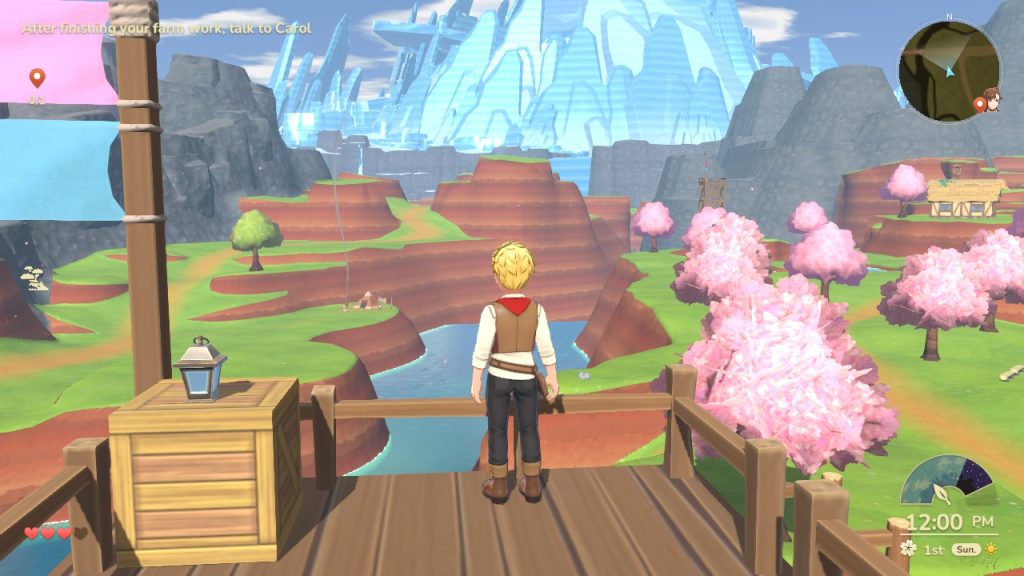
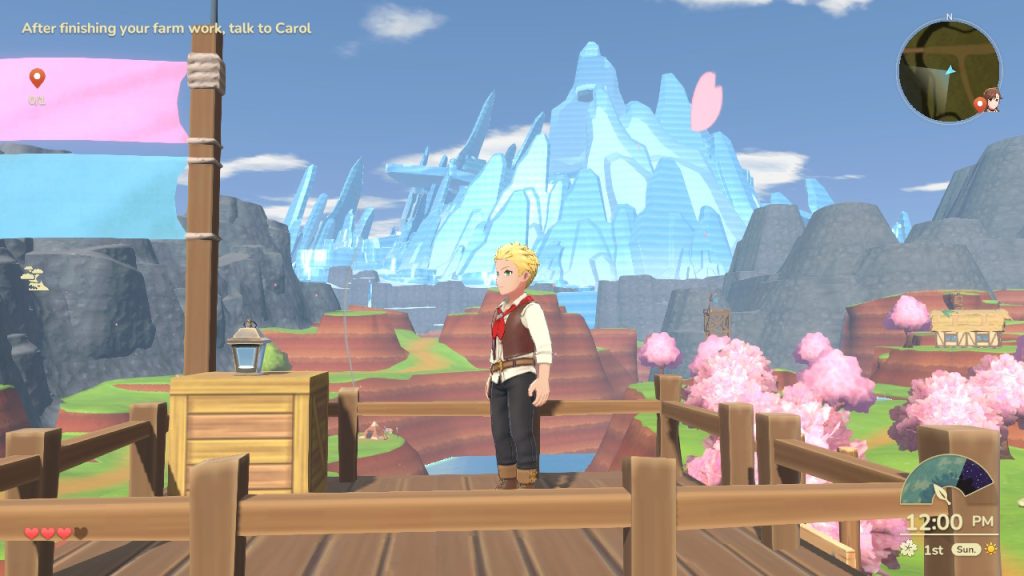
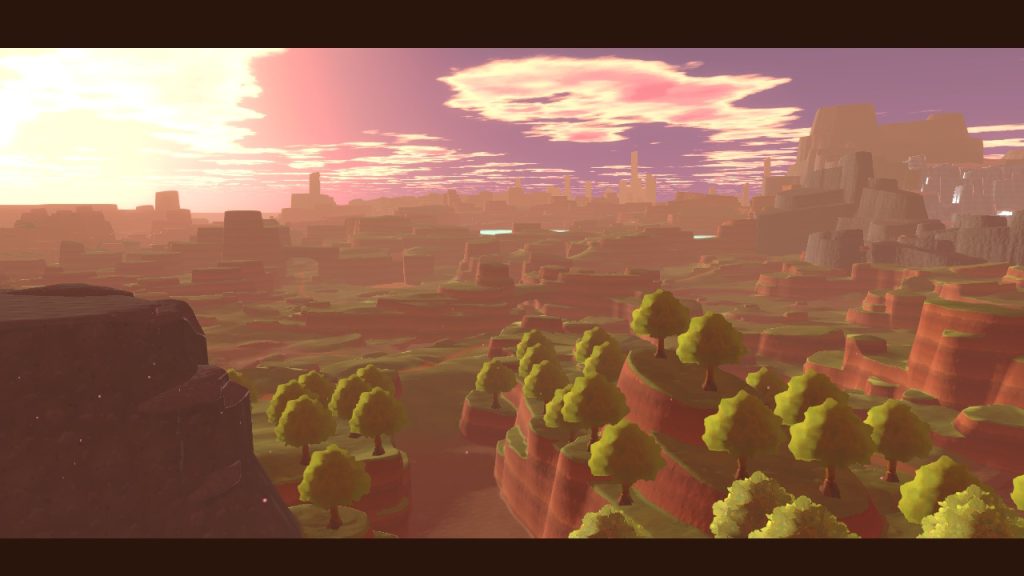
The classic Harvest Moon games focused mainly on managing a farm and creating a happy life in the country, but Echoes of Teradea is much more focused on open world exploration and adventure. On paper, it’s an exciting evolution for the series; a sprawling world with varied landscapes, towering cliffs and opportunities for discovery. Unfortunately, this ambition also brings up some of the most frustrating design decisions in the game, turning what should be one of the game’s greatest strengths into a constant source of annoyance.
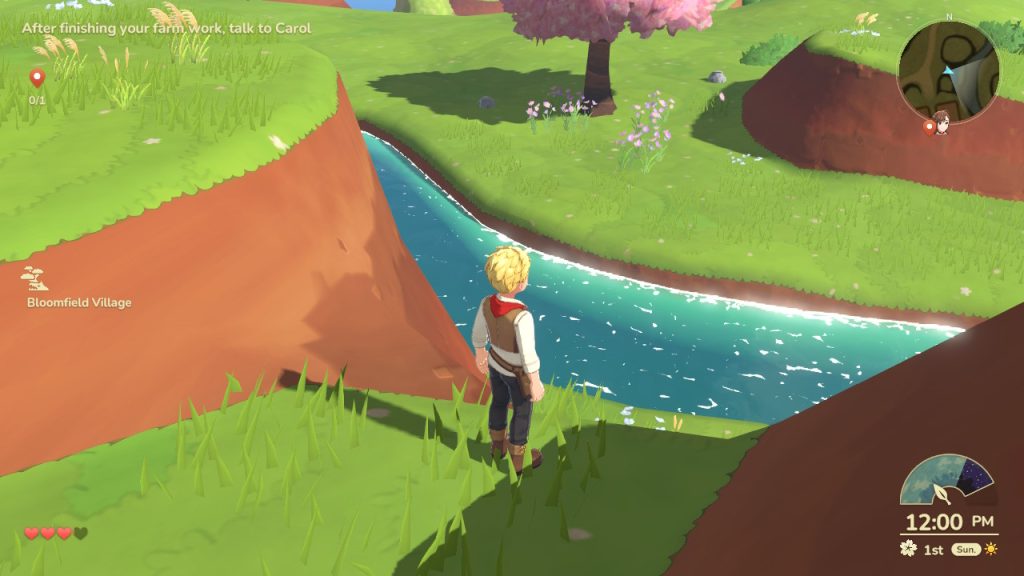
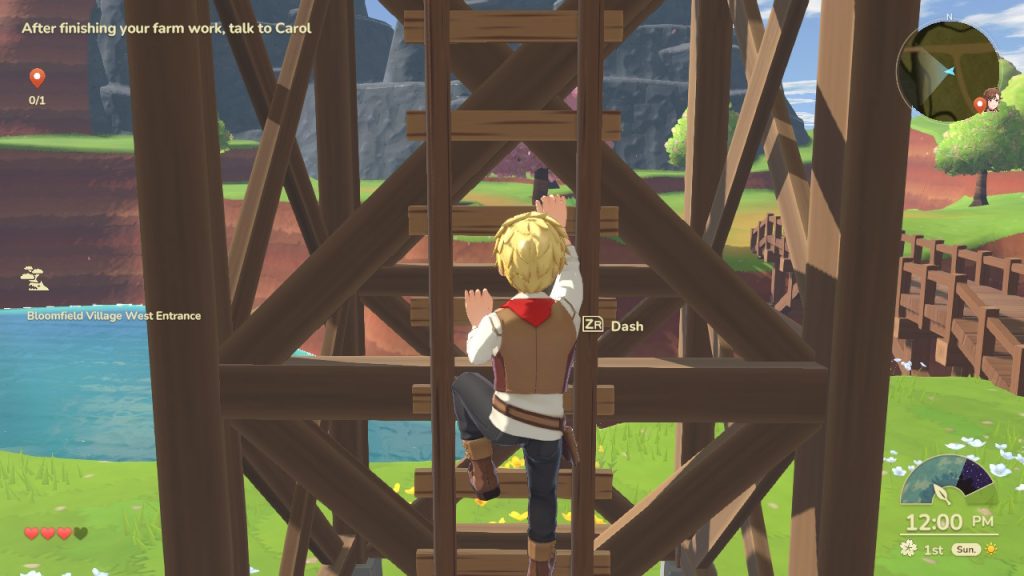
The biggest problem is the unnecessarily restrictive movement system. The world is big and full of appealing vertical locales, but players can’t just hop around. Instead, jumps are restricted to certain ledges marked with red flags, an awkward restriction that often clashes with the game’s emphasis on exploration. Even a tiny change in elevation can make you take a ridiculously long diversion to get to something that looks like it’s just a few steps away. It’s the sort of old-school design decision that makes exploring an otherwise appealing world much boring than it needs to be.
The frustration is exacerbated by stamina management. Sprinting burns up your stamina very quickly. You really don’t want to be sprinting to get around the large areas in the game. Wildlife encounters, such as wolves and bears, are another layer of inconvenience, as these animals can sap your stamina even more. You may have to throw some food to distract them or engage the animals yourself to get away from these situations. But if something goes wrong, you can lose your items and pay a 500-coin rescue fee.
Technical and Design Issues – When Frustration Overshadows the Fun
Unfortunately, Harvest Moon: Echoes of Teradea is plagued by a number of technical and design issues, some of which really detract from the overall experience. The most frustrating of all is perhaps its disastrous auto save system. Instead of allowing players to save their progress at any time, the game only creates a save when the character goes to bed at night or wakes up the next morning. Each in-game day lasts about 20 to 30 minutes, and there is no safety net during long play sessions. Random crashes, especially while exploring mines, are even worse, erasing tons of progress in a flash. It is hard to explain away losing all your hard work just because the game doesn’t have a reliable way to save, especially in a game where slow progression and long term investment is a staple of the genre.
Another constant annoyance is the frequent loading screens, which is especially bad on the original Nintendo Switch. Going in or out of buildings takes several seconds of loading with repetitive text screens. These interruptions might not seem too bad by themselves, but they become increasingly jarring when you get into sequences with multiple story events going on. What should be a seamless flow of story instead becomes a stop-start experience, constantly breaking immersion.
Final Verdict
Harvest Moon: Echoes of Teradea is a charming but flawed farming simulator that offers an enjoyable experience but doesn’t quite live up to its full potential. Its approachable farming mechanics, adorable animal companions, vast world, and rewarding exploration are more than enough reasons to continue playing. But the fun is constantly hampered by frustrating movement limitations, an unreliable auto-save, constant loading screens, and cooking mechanics that aren’t well explained.
Still, dedicated fans of the genre might find 40 to 60 hours of enjoyment here, but the $50–$60 price tag makes it hard to ignore its flaws. Echoes of Teradea is best enjoyed at a discount, rather than full price, with stronger and more affordable options like Stardew Valley, Roots of Pacha, and Story of Seasons: Grand Bazaar available.
This review is based on the Nintendo Switch 2 version
Score: 60/100

Other Articles