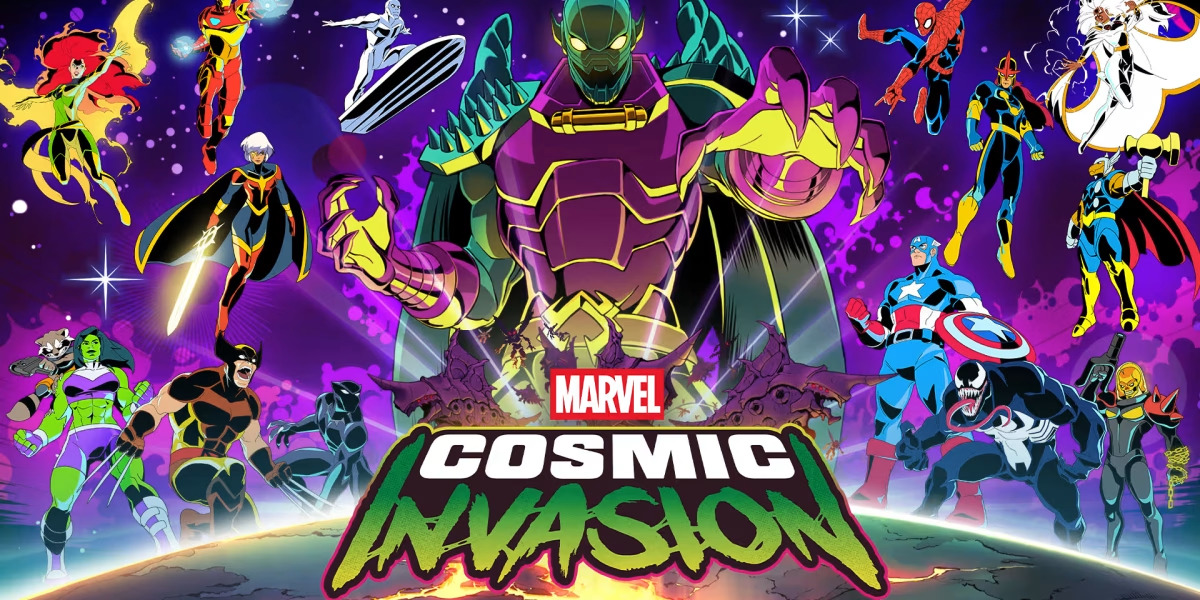

MARVEL Cosmic Invasion arrives with a very specific promise: to bottle the easy-to-read, instantly gratifying magic of a ’90s arcade brawler, then pour it over an all-star Marvel lineup and a galaxy-wide comic-book crisis. It’s developed by Tribute Games and published by Dotemu.
Cosmic Invasion is not a modern service game with endless progression ladders, weekly events, and a grind you can live in for months. Cosmic Invasion is much closer to the mark if you want a sharp, colorful beat ’em up with combos that you can finish in a few sessions and then play again with different characters, especially with friends. At its best, it feels like Tribute Games is showing off the skills that have made them famous.
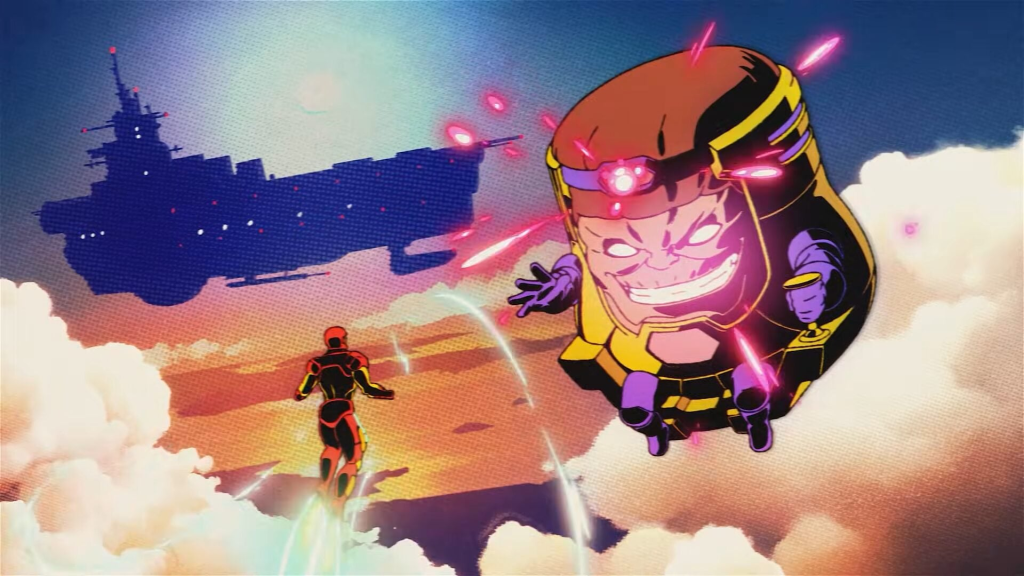
The story is a classic Marvel cosmic melodrama, and it’s important for the genre that it’s set up as an excuse to visit different places and throw amazing villains at you without slowing down the action with too much dialogue. Annihilus and his Annihilation Wave are the main threat. This interstellar disaster brings together heroes from Earth and cosmic powerhouses in a fight that spreads across the Marvel universe, from New York City to the Negative Zone. That setup is perfect for a beat ’em up: there’s a clear bad guy, a huge invasion, and a series of escalating set pieces that let the game switch from street-level fights to “how is the screen not melting right now?” superhero mess. Cosmic Invasion also shows its love for “classic Marvel eras” by being a throwback in both mechanics and tone. It’s big, bold, and serious, and it’s made to get you from fight to fight with as little trouble as possible.
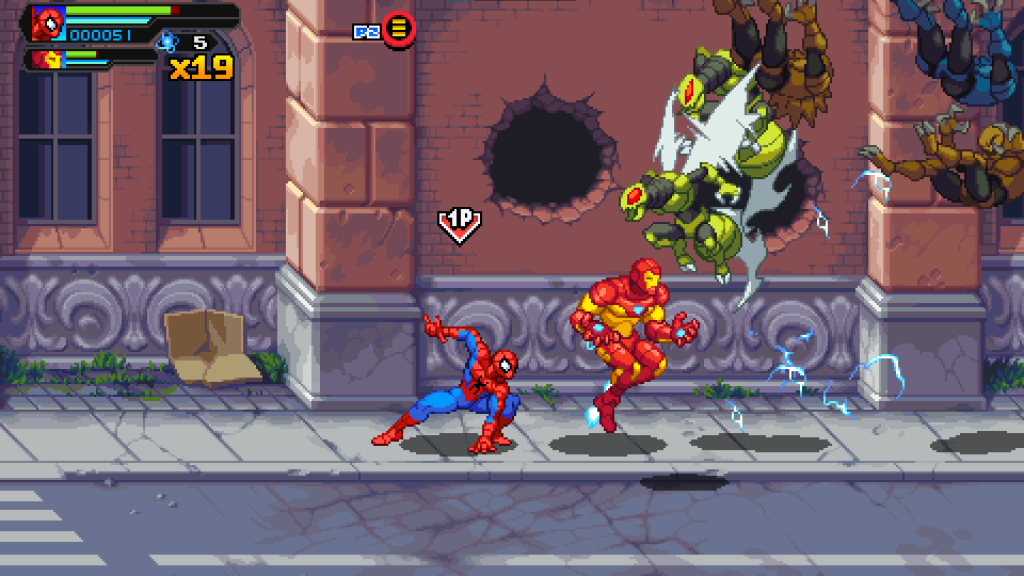
The story doesn’t try to take center stage; it’s the comic panel border around the action, which is mostly the right choice for this type of game. Some reviewers have said that the pacing was off and the climax wasn’t very exciting, which makes it seem like the story never really earned a “finale” but just reached the end of its page count.
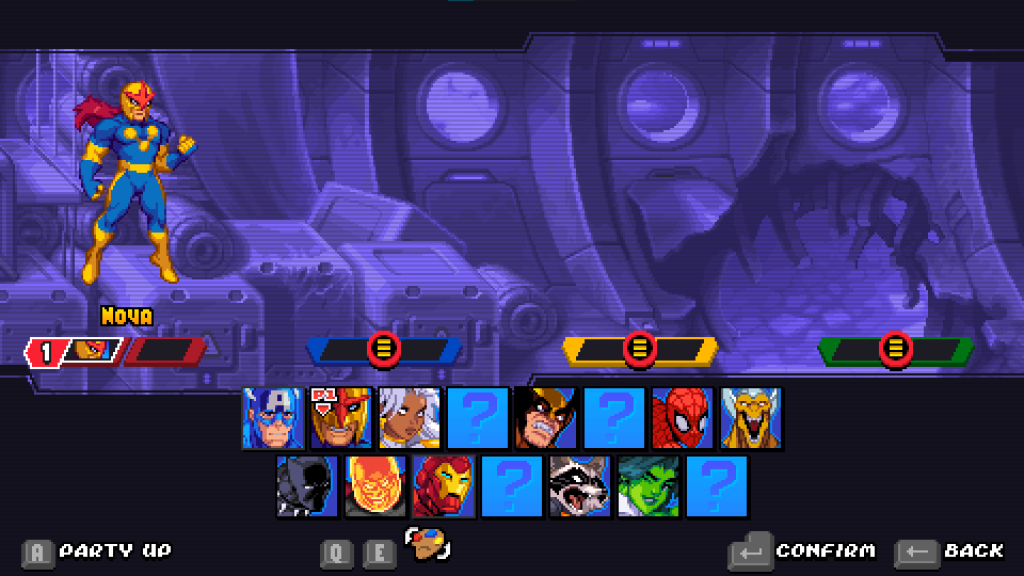
The playable characters and the systems that support them are where Cosmic Invasion really shines. There are 15 heroes you can play as, and they range from well-known characters to some that are really fun surprises. The full lineup for Marvel’s launch includes Captain America, Wolverine, Spider-Man, Storm, Phyla-Vell, Venom, Nova, She-Hulk, Rocket Raccoon, Beta Ray Bill, Silver Surfer, Black Panther, Cosmic Ghost Rider, Phoenix, and Invincible Iron Man. That list makes it clear what they want to do: this isn’t just “Avengers: The Game” with some extras; it’s a wide look at Marvel’s cosmic corner and other fan favorites. The best part is that the game’s design actually supports that variety instead of making everyone the same with three punches and a color change.
The Cosmic Swap tag-team system is what makes that roster work together. You can choose two heroes in both solo and co-op mode and switch between them at any time. This lets you make quick tactical changes and add tag-team flavor without the need for a full-blown fighting game assist system. Cosmic Swap does two smart things in real life. First, it makes it easier to try new things. You can bring a comfort pick as your “anchor” and pair them with someone new. If the new hero isn’t working out, you can switch them out whenever you want to test a move set. Second, it adds strategy to a genre that often turns into pure momentum: switching out to escape pressure, stay alive, or deal with a certain type of enemy keeps you making small decisions beyond “clear the screen.” The result is a brawler that is still easy to read right away, but it has enough depth that you can feel yourself getting better—not by using more complicated inputs, but by spacing things out better, swapping things out better, and using hero kits more thoughtfully.
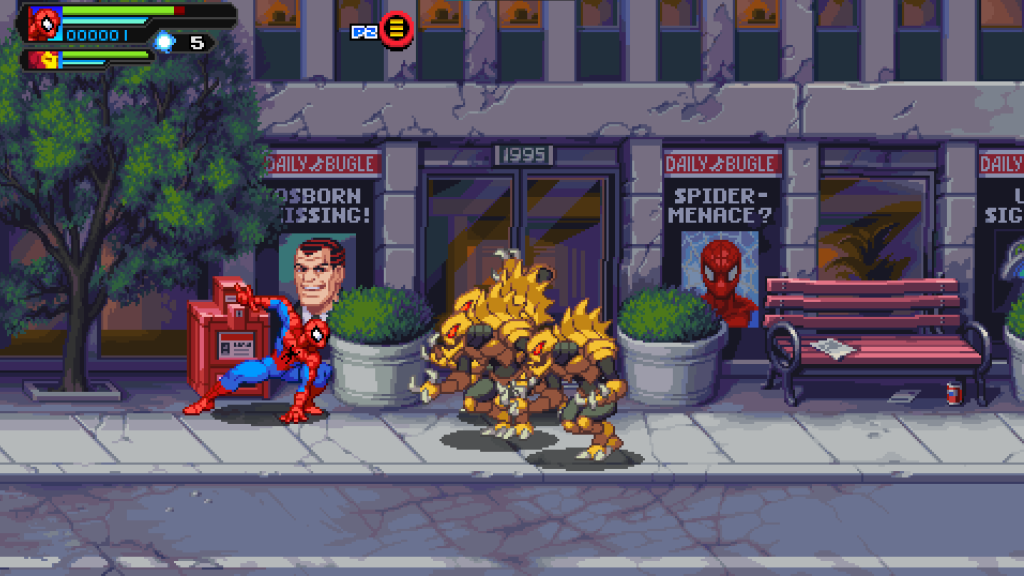
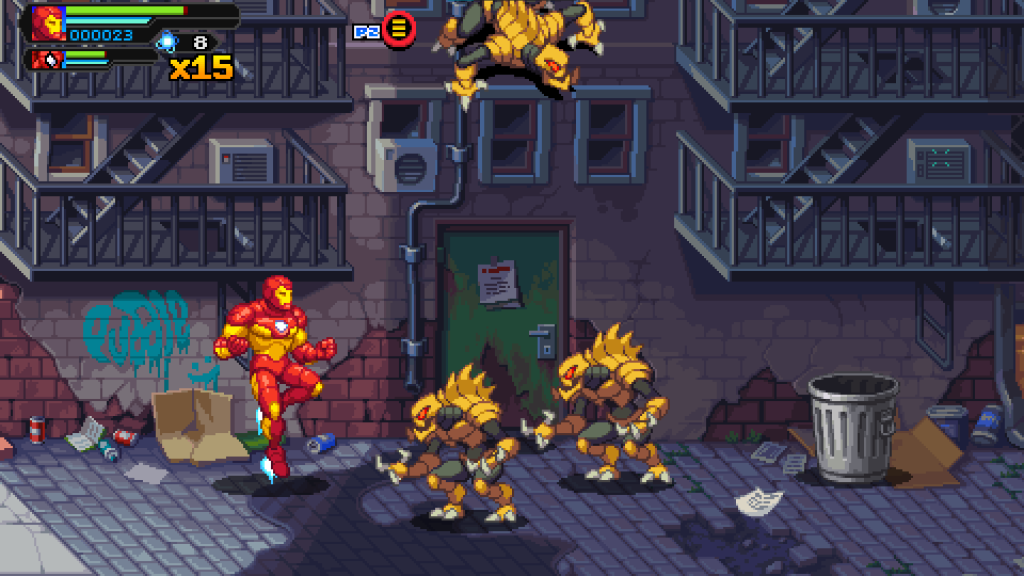
The combat is intentionally old-school in structure: enemies come in, you control the crowd, you push right, and you fight a boss. However, it has some modern features that make it less punishing than many arcade games that came before it. Blocks, parries, and dodges help you stay on your feet, and the game is easy to play without becoming a homework assignment thanks to the generous timing windows. This method works for the audience. Cosmic Invasion is courting people who want the arcade fantasy without the cruel quarter-munching. The best fights are like kinetic comic-book slapstick, with enemies bouncing off of each other, supers adding to the rhythm, and projectiles and melee overlapping in a controlled storm. When there are a lot of effects on the screen in four-player co-op, the game doesn’t become unplayable, but the combat can get loud when everyone is using their abilities at the same time.
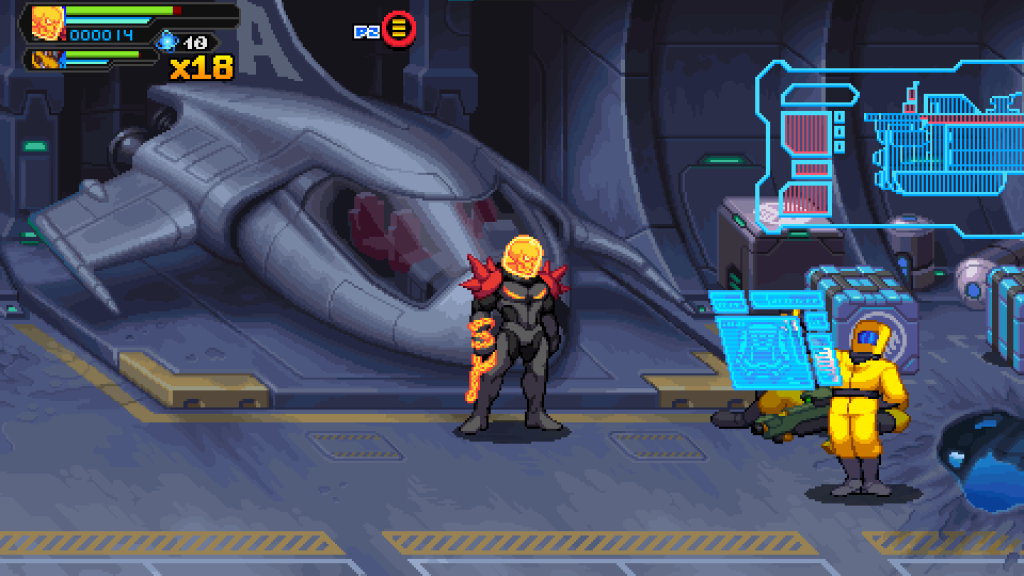
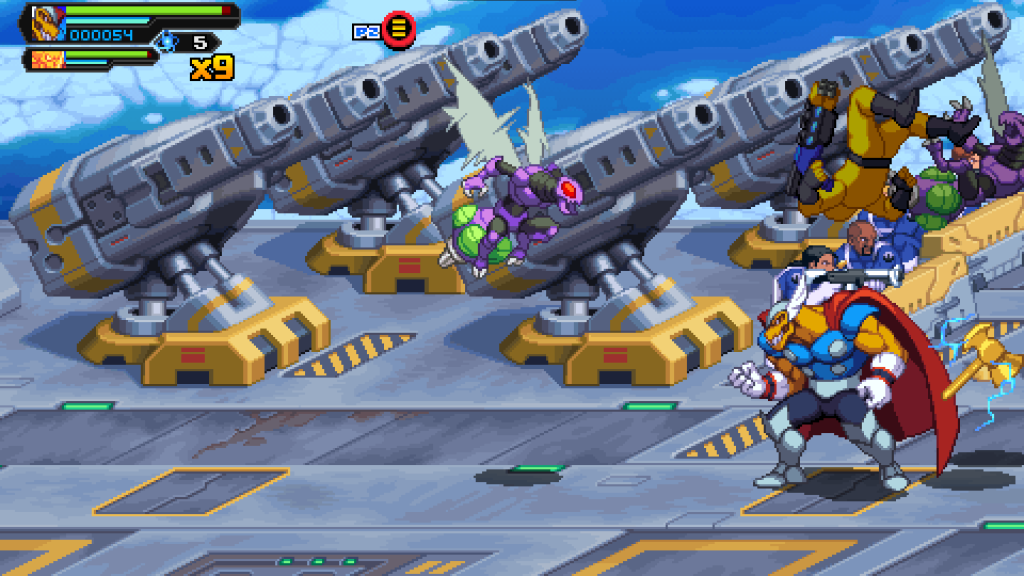
And yes, the pitch is mostly about four-player co-op. Cosmic Invasion lets up to four people play together online or in person. It has drop-in/drop-out features and cross-platform multiplayer, and the difficulty level changes based on how many people are playing. This is where the game most often goes from “good” to “the kind of thing your group keeps quoting after.” Beat ’em ups are all about shared chaos: one player barely makes it through a boss phase, another player slides in with a clutch save, and a third player accidentally knocks an enemy into a perfect combo chain. Cosmic Invasion is made to encourage those kinds of stories.
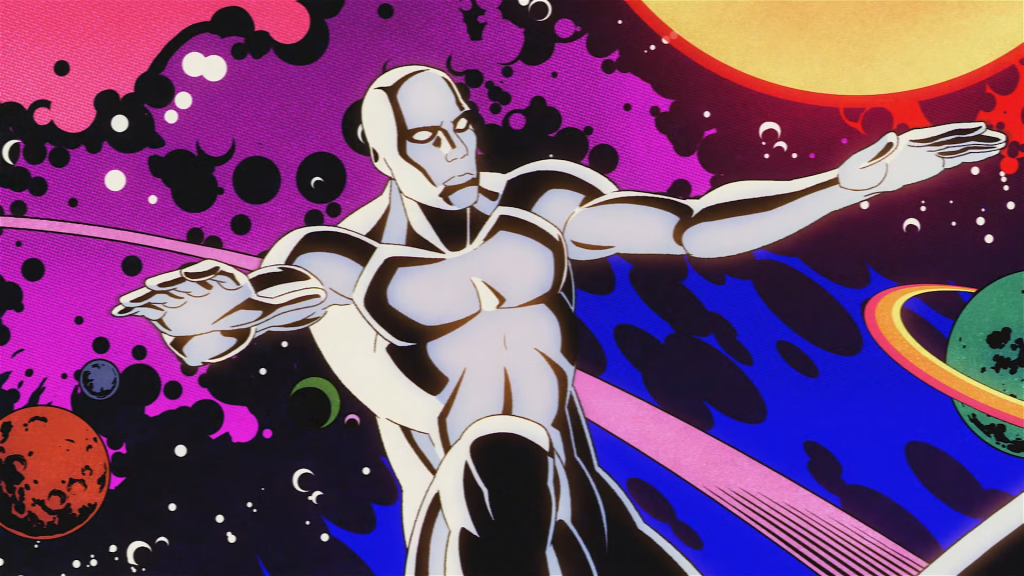
Cosmic Invasion is a love letter to full-color pixel art, not the faded “retro filter” kind, but the richly animated, carefully shaded style that Tribute Games has been perfecting for years. The art direction is great, with beautiful full-color pixel art designs that pay homage to a famous era in Marvel history. You can see this in the punchy silhouettes, expressive frames, and the way characters telegraph moves with readable exaggeration. The game also has a lot of fan-service, but not in the way that you think. The developers really understand what makes these heroes look different and how to bring that to life in animation. When Storm comes on stage, the action looks different than when Wolverine is cutting through a crowd. When Silver Surfer comes on, the mood changes to sleek cosmic spectacle. When She-Hulk is on screen, the weight and impact of her presence sell her.
It also sounds like a small detail until you try to tune it. A good beat ’em up gets harder in a smooth curve: you learn, you change, bosses make you follow patterns, and the end feels like a capstone that brings together everything you’ve learned in the game. In co-op, difficulty can be its own kind of balancing act—friends bring each other back to life, and chaos leads to accidental solutions. So those spikes might feel like welcome moments of focus instead of frustration. In single-player mode, the tuning becomes more obvious, and the best parts of the game are when enemy waves and boss patterns force you to use all of your tools, like movement options, defensive mechanics, smart swaps, and team attacks.
When you look at it from a distance, the most impressive thing about MARVEL Cosmic Invasion is how sure it is of what it is. It’s not trying to be a Marvel movie with action and adventure, and it’s not trying to be the next forever-game. It’s a fast-paced, colorful tag-team brawler where the main fun comes from playing as heroes who feel strong and unique, and then using that power to control the crowd in a ballet for you and up to three friends. The game’s own feature list is very honest about what it is: 15 heroes, local and online co-op, pixel art celebration, and a tag-team swap system. The game mostly lives up to that core pitch.
It’s easy to recommend MARVEL Cosmic Invasion to players who like tight mechanics, strong character identity, couch or online co-op, and a lovingly crafted retro look. It might feel a little too thin for people who want endless progression systems or a lot of content at the end of the game.
This review is based on the PC version.
Score: 80/100

Other Articles

The Last Case of John Morley Review
Duet Night Abyss Review